Sustainability claims are becoming part of everyday manufacturing conversations, but a report or a target on its own rarely shows how progress is actually being made. Customers, employees, investors and supply-chain partners increasingly want to understand what is happening inside the operation: how materials are handled, where energy is being used, what has changed on the line and how teams are turning ambitious commitments into repeatable practice.
That is where manufacturing video can add unusual clarity. A well-planned film does not simply place a logo beside a green message. It gives the audience a view of the decisions, systems and people behind the result. By showing the factory floor with accuracy and purpose, video can make sustainability work easier to understand, easier to trust and easier for internal teams to communicate consistently.
Make practical improvements visible
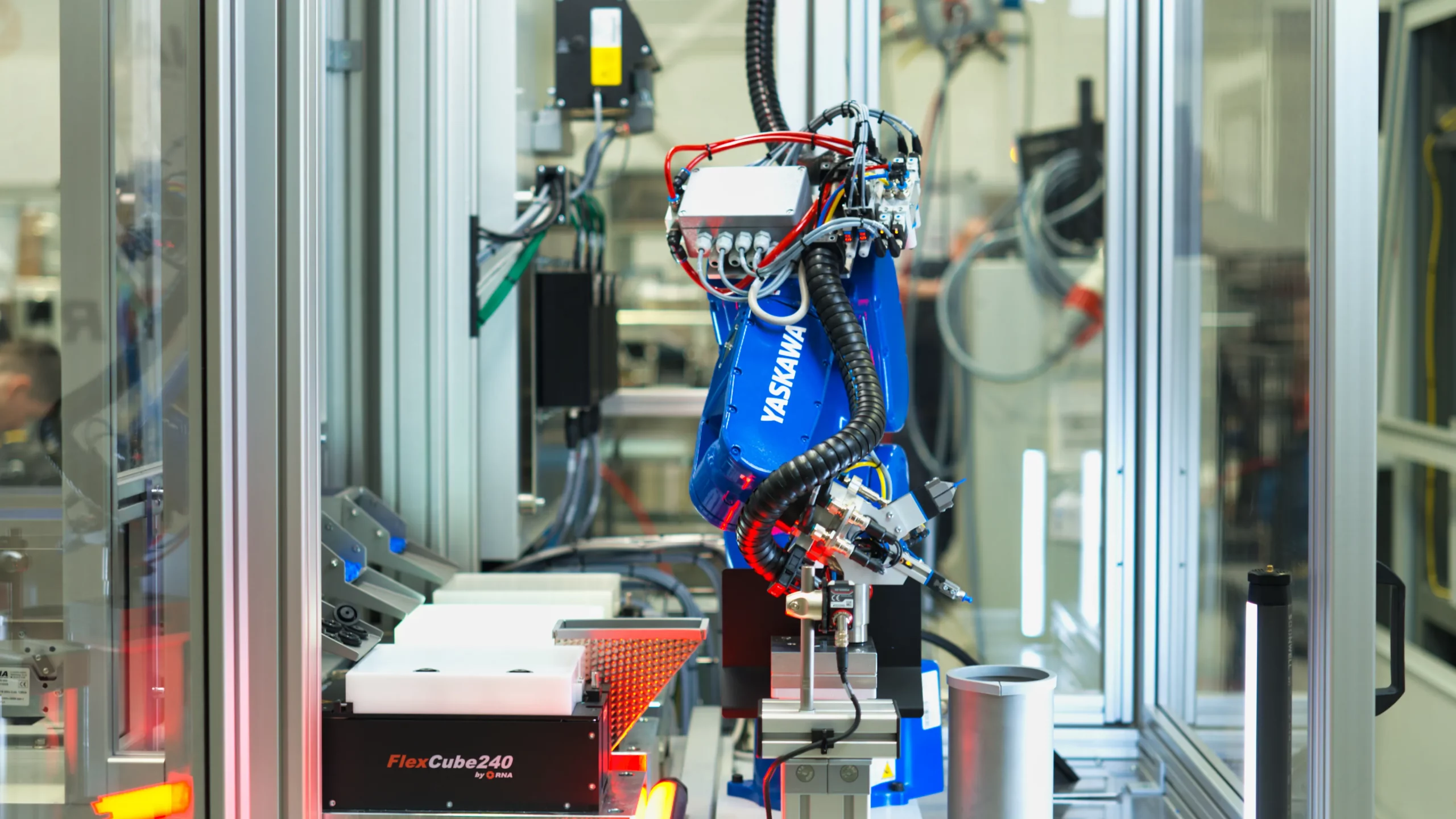
Many valuable improvements are visually understated. A revised material flow, a more efficient changeover, a redesigned piece of handling equipment or a better maintenance routine may not look dramatic in a spreadsheet, yet each can have a meaningful effect on waste, downtime or resource use. Video allows these changes to be placed in context, showing what the process looked like before, what has been improved and how the people operating it contribute to the outcome.
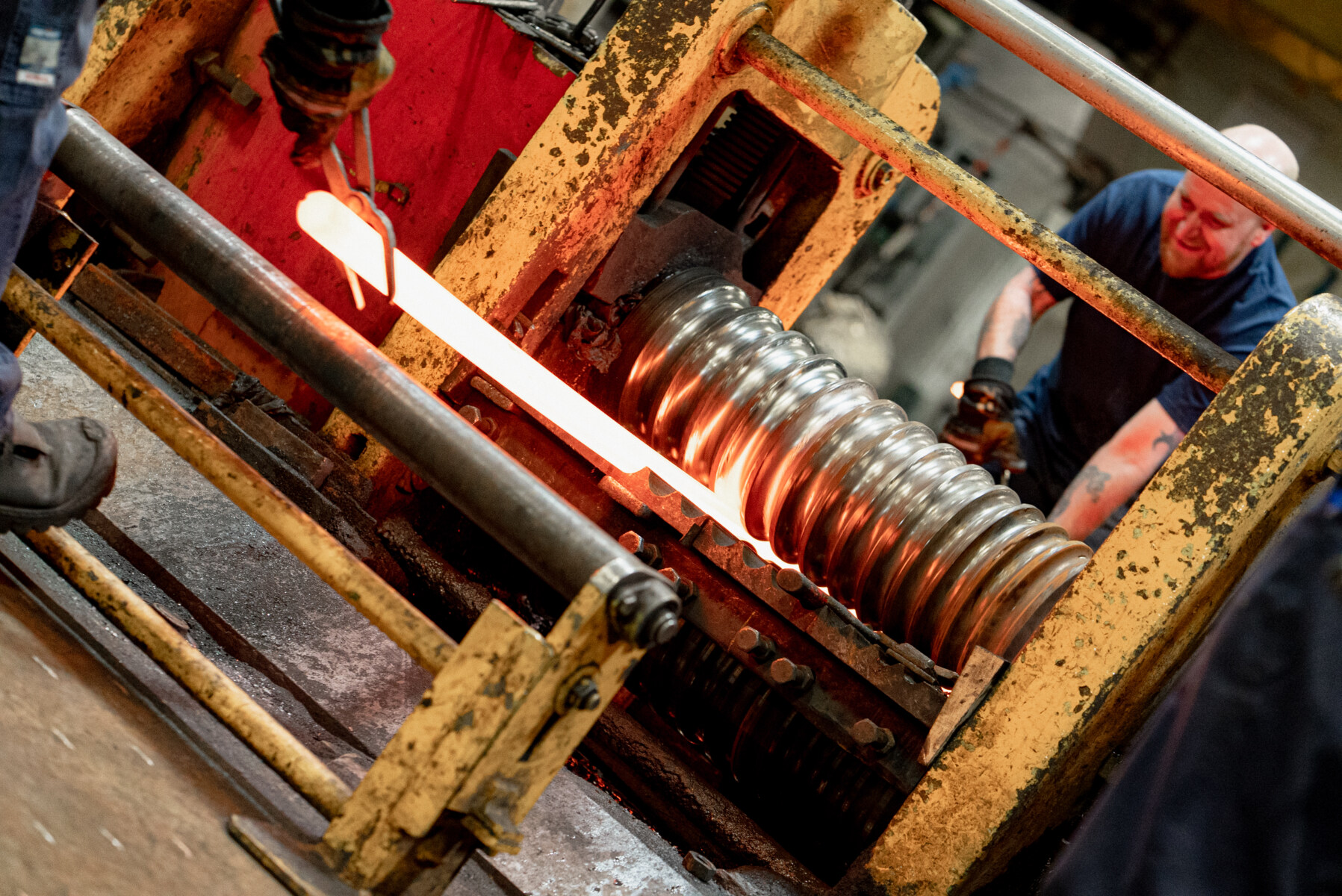
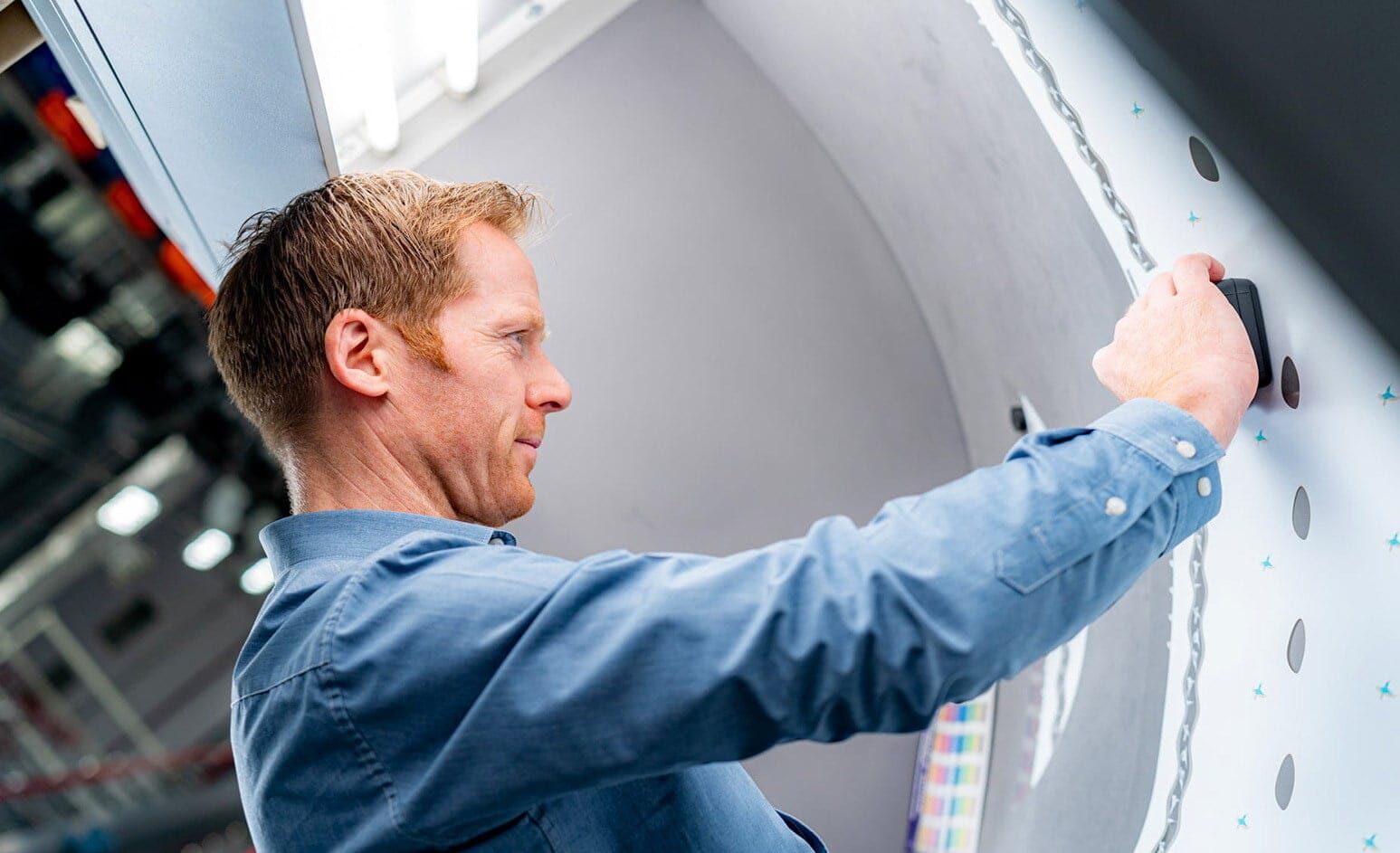
The strongest films resist the temptation to present sustainability as a separate department’s story. Instead, they connect environmental progress to everyday manufacturing discipline. An operator checking a setting, an engineer refining a machine sequence and a production manager reviewing performance can all become part of the same narrative. This makes the subject more credible because it reflects how improvement really happens: through many small, controlled actions repeated over time.
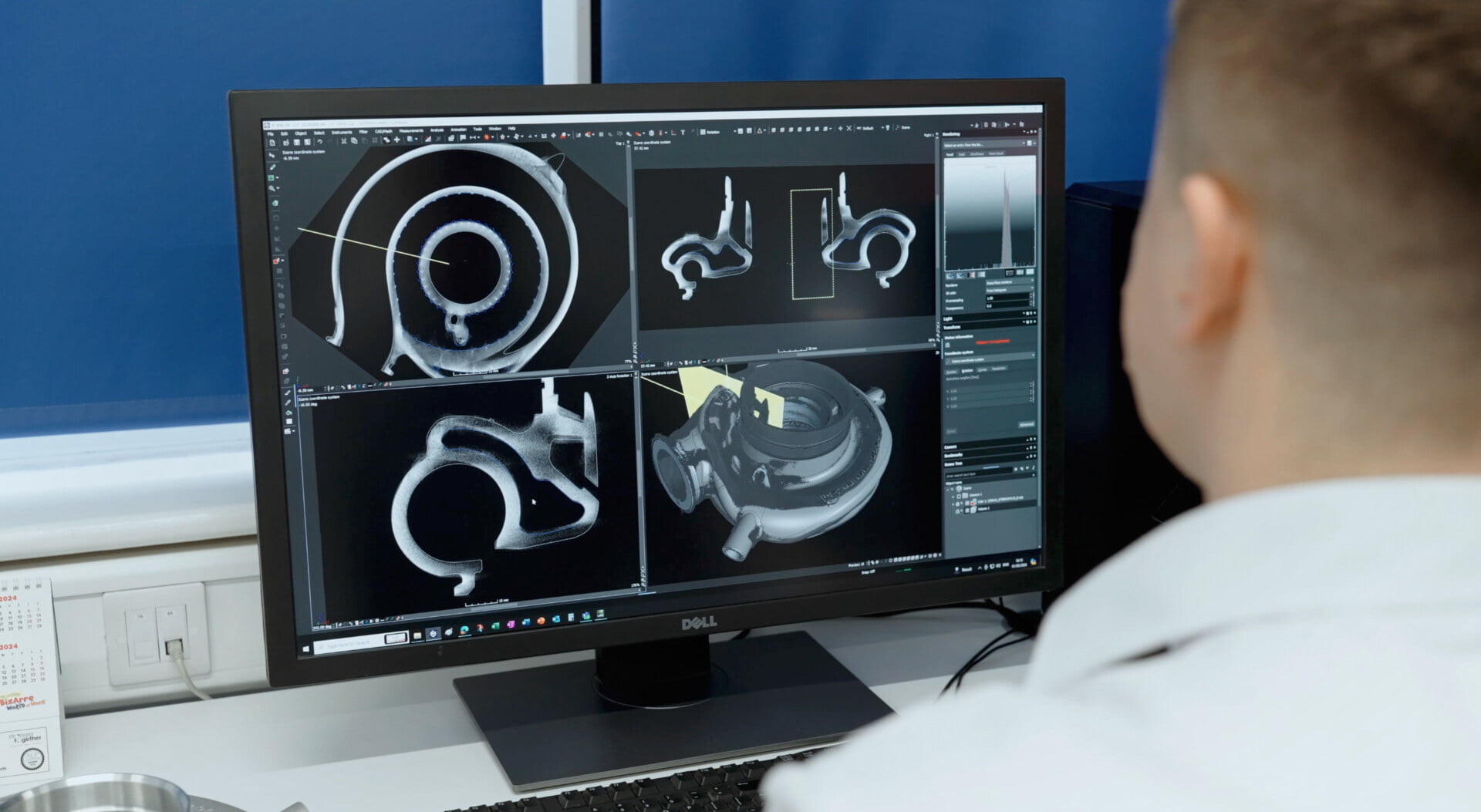
It also helps technical audiences understand cause and effect. A viewer can see why a particular process was changed, how the new approach works and what evidence supports the claim. That is much more useful than broad language about innovation without any view of the operation behind it.
Build confidence with evidence and context
Trust depends on detail. A sustainability video should be specific enough to answer natural questions without becoming a dry technical presentation. What material is being saved? How is waste separated or reused? Which stage of production has changed? What does the improvement mean for quality, safety or reliability? Bringing these points into the filming plan gives the finished piece a clear spine and prevents the message from drifting into generic environmental imagery.
This is one reason a strong process-led manufacturing video production approach is so valuable. The film is built around the operation, not added to it afterwards. Interviews, close-up details, wide process shots and carefully chosen cutaways can work together to explain the improvement in a way that feels grounded. Where appropriate, on-screen captions can clarify figures or define a technical term while the images show the practical reality.
Context matters just as much as proof. A factory may be reducing waste because of a customer requirement, a new material strategy, a cost pressure or a long-term environmental commitment. The film can acknowledge that wider context while keeping the focus on what the organisation is doing now. This balance makes the message more useful for procurement teams, technical buyers and partners who need to assess capability rather than simply admire a campaign.
Give sustainability a role across the business
A well-made film can travel far beyond a sustainability report. Sales teams can use it to support conversations with customers who want greater visibility into the supply chain. Recruitment teams can show prospective employees that environmental responsibility is connected to real engineering and operational work. Training leaders can use selected sequences to explain why a new method matters and how it should be followed on the floor.
That flexibility is especially important when the subject is complex. A single long film may provide the complete story, while shorter edits can focus on energy, materials, people or process improvement. The same production can therefore support a presentation, a website page, a trade-show screen and social channels without forcing every audience to watch the same version. This approach follows the wider principle behind turning hidden manufacturing expertise into commercial advantage: make valuable knowledge easier for the right people to see and understand.
Planning should also include the voices of the people doing the work. Operators and engineers can often explain the practical significance of a change more clearly than a polished corporate statement. Their perspective gives the film texture and helps audiences see sustainability as a shared responsibility rather than a distant promise. With the right preparation, filming can be organised around production priorities so that the crew captures authentic work without disrupting the operation.
Turn one production into ongoing progress
The best sustainability content remains useful after publication because it documents a way of working, not just a single announcement. As new improvements are introduced, the original film can provide a reference point for future updates. Additional interviews, revised figures and focused sequences can extend its life while keeping the story connected to the original evidence.
For manufacturers, this creates a practical communications asset: one that helps explain progress externally and reinforce it internally. When the factory floor is shown with honesty, technical understanding and a clear narrative, sustainability becomes easier to discuss in the language of quality, efficiency and long-term capability. That is the real value of using manufacturing video to turn operational detail into momentum. It gives good work a visible form, helping more people recognise what has changed and why it matters.