Product teams in manufacturing often have to explain a moving target. A concept may begin as a sketch, a prototype or a small trial on one machine, then evolve through testing before it becomes a repeatable production process. The commercial challenge is that customers, distributors, investors and colleagues still need confidence while the details are changing. A well-planned manufacturing video can make that journey understandable without pretending that development is simpler than it really is.
The most useful film does not merely show a finished product. It captures the decisions, tests and evidence that move an idea towards dependable production. That gives viewers a clearer sense of how the team works, what has been learned and why the next stage is credible. For a product manager, this is a practical way to turn development knowledge into an asset that supports sales, onboarding and internal alignment.
Show the route from prototype to repeatable process
A prototype is valuable because it creates something that can be examined, challenged and improved. On screen, that progression can become a strong narrative: introduce the customer problem, show the first physical response, reveal the constraints discovered during testing and then explain the changes made before the process is scaled. Each stage gives the audience a reason to believe the final result has been earned.
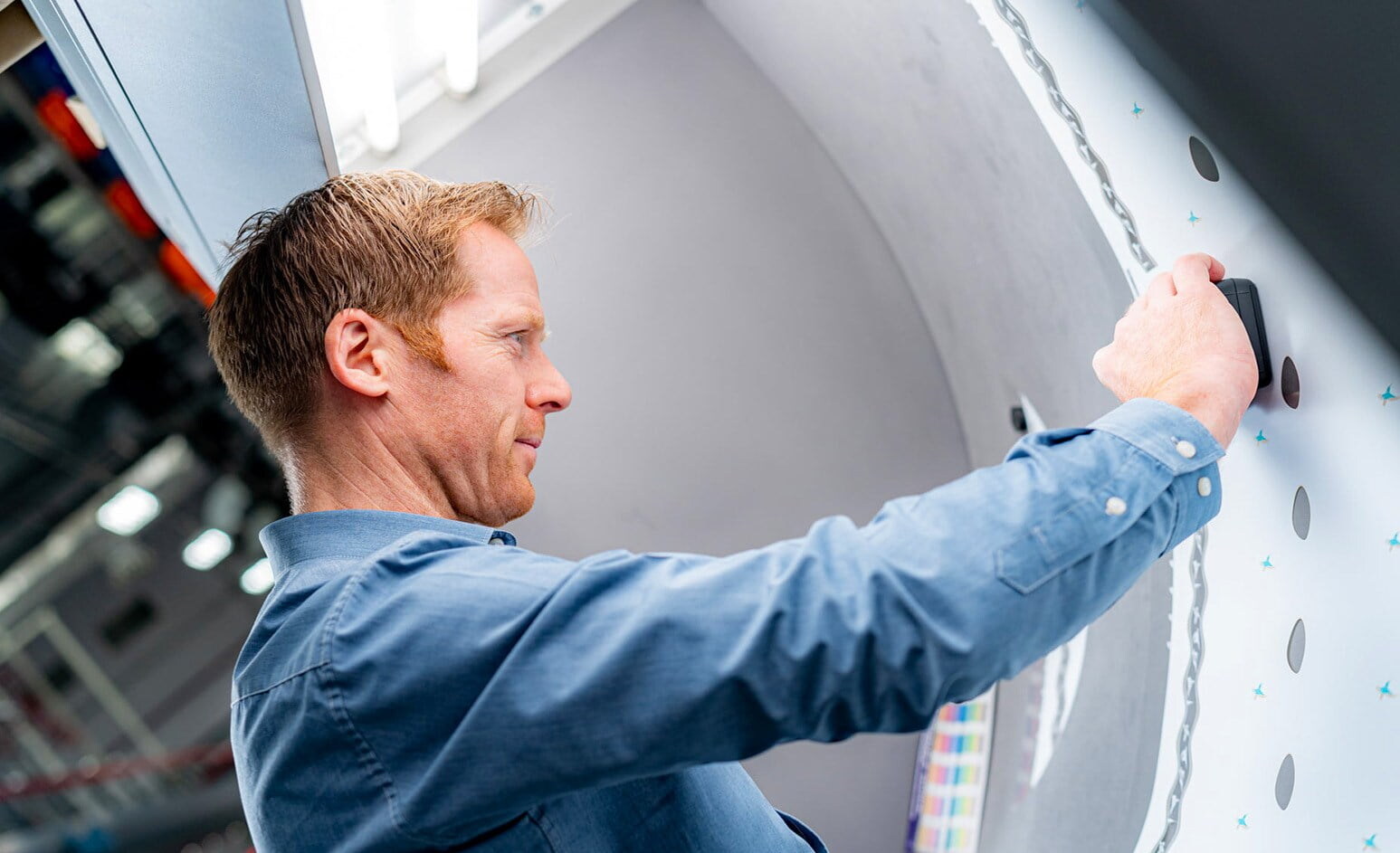
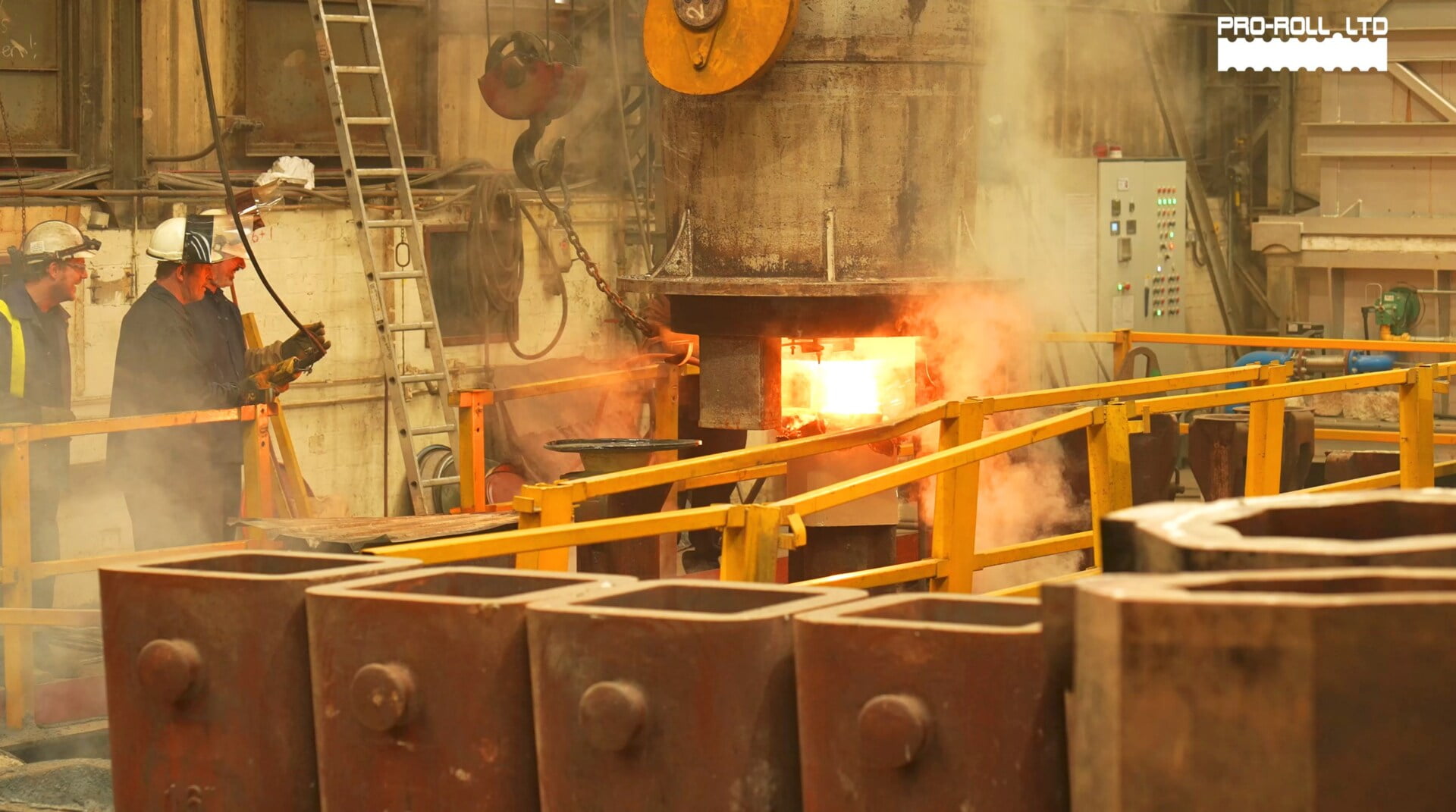
Filming should cover more than polished close-ups. A product team can capture material choices, fixture changes, inspection points, operator feedback and the small adjustments that are invisible in a brochure. These details provide useful proof of thoughtfulness. They also help a technical viewer understand the difference between an attractive demonstration unit and a product designed for reliable manufacture, serviceability and consistent quality.
This is where a clear design-intent story becomes especially helpful. When engineering reasoning is connected to what people can see on the factory floor, product, operations and commercial teams are less likely to describe the same development in conflicting ways.
Turn testing into evidence people can understand
Testing footage can easily become either too abstract or too technical. The answer is not to remove the technical content, but to frame it around a question that matters. What risk was the team investigating? What would success look like? Which measurement, inspection or trial changed the decision? A short sequence of carefully chosen shots can answer those questions more convincingly than a long list of specifications.
For example, a film might show a component being assembled, measured and tested under a defined condition, followed by a product manager explaining what the result allowed the team to change. Graphics can identify a tolerance, cycle time or operating requirement, while the live footage keeps the evidence grounded in a real process. The viewer sees both the human judgement and the repeatable method behind the claim.
That balance also makes the video reusable. A sales colleague may need a concise proof point, a distributor may need confidence in the production method, and a new employee may need the broader context. One well-structured master film can provide the source material for shorter edits, presentations and training content that makes best practice repeatable.
Build confidence without overclaiming
Product development rarely follows a perfectly straight line. A credible manufacturing video can acknowledge that. Showing a trial, a rejected approach or a refinement does not weaken the story when the edit makes the learning clear. It demonstrates that the team understands the conditions in which the product must perform and has used evidence to improve the outcome.
Product managers should agree the boundaries of every claim before filming begins. If the product is still in validation, say so. If a result applies to a particular material, configuration or operating range, make that context visible. This protects the film from becoming outdated and helps technical audiences trust the information. It also gives the production team a clearer brief for interviews, cutaways and on-screen captions.
Consistency matters after the shoot as well. Keep approved terminology, units and product names in a shared script or review sheet. Ask engineering, quality and commercial stakeholders to review the same cut against the same purpose, rather than adding disconnected requests. The result is a film that feels confident because it is precise, not because it makes exaggerated promises.
Design the film for decisions at every stage
The strongest product-development films are planned around the decisions viewers need to make. A prospect may be deciding whether to request a sample. A distributor may be deciding whether the product fits its market. An operations leader may be deciding whether a new process can be introduced at another site. Each audience needs a clear bridge between what it sees and what it should do next.
That bridge can be built through chaptering and purposeful versions. A main film might explain the complete development journey, while shorter edits focus on the test method, the production capability or the customer outcome. Captions and transcripts improve access to the detail, and a short introduction can help the sales team use the same footage in a meeting without presenting the viewer with an unstructured factory tour.
For teams working across locations, the approach can also support more consistent decisions between sites. A shared visual reference gives people a common understanding of the product, the critical process steps and the evidence that should be checked before a change is accepted.
Make development knowledge work harder
A prototype contains more than a physical object. It contains questions asked, assumptions tested and decisions recorded. Manufacturing video gives product teams a way to preserve that knowledge while it is still tangible and to communicate it beyond the people who were present in the development room. When the story is built around evidence, process and honest learning, the film can continue supporting the product long after the prototype has moved on.
The practical starting point is a simple editorial map: what changed, why it changed, how the team proved the change and what the audience should understand or do next. From there, a production plan can prioritise the moments that carry meaning rather than collecting attractive but disconnected footage. The result is a useful commercial and operational tool—one that helps a product move from promising idea to production confidence.