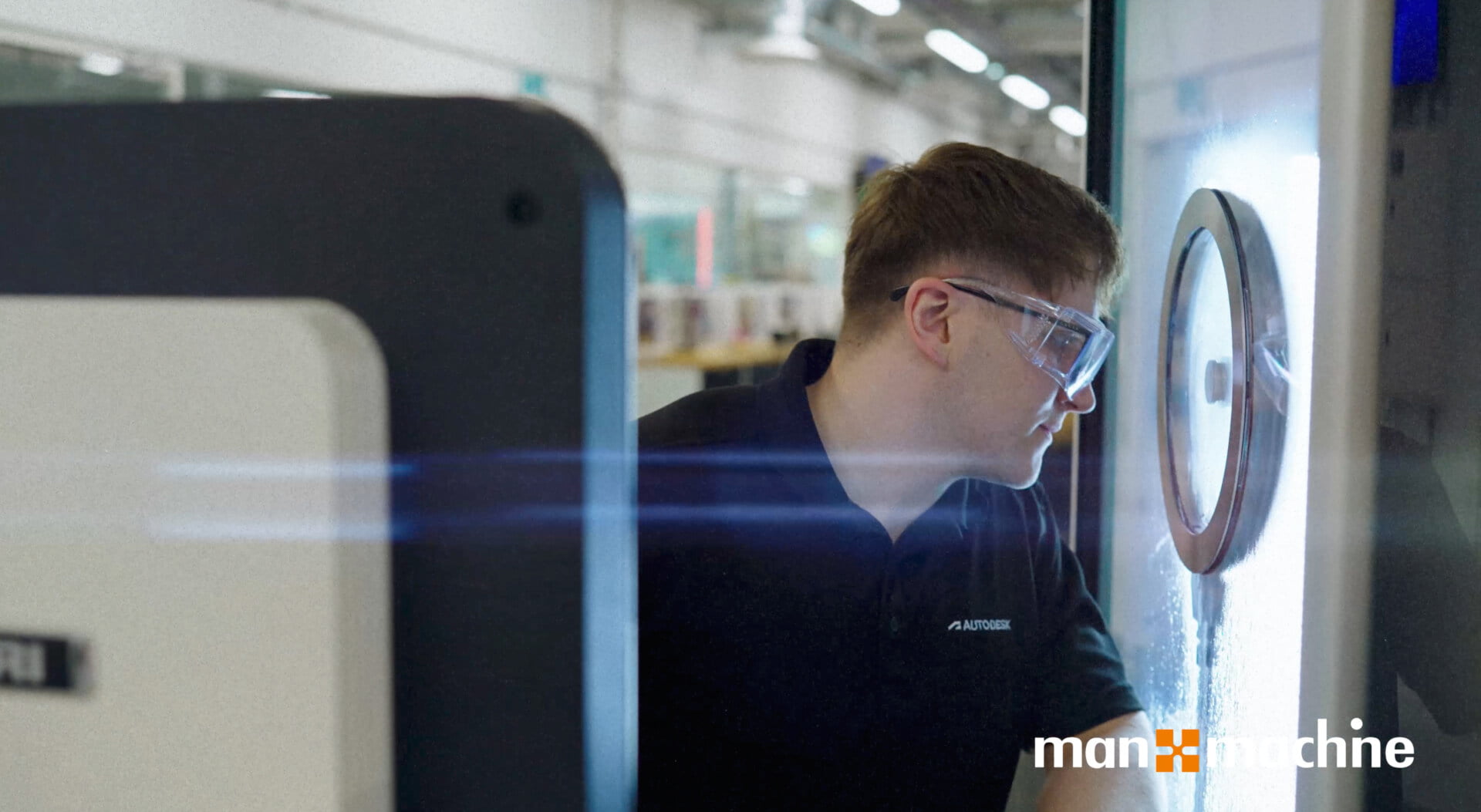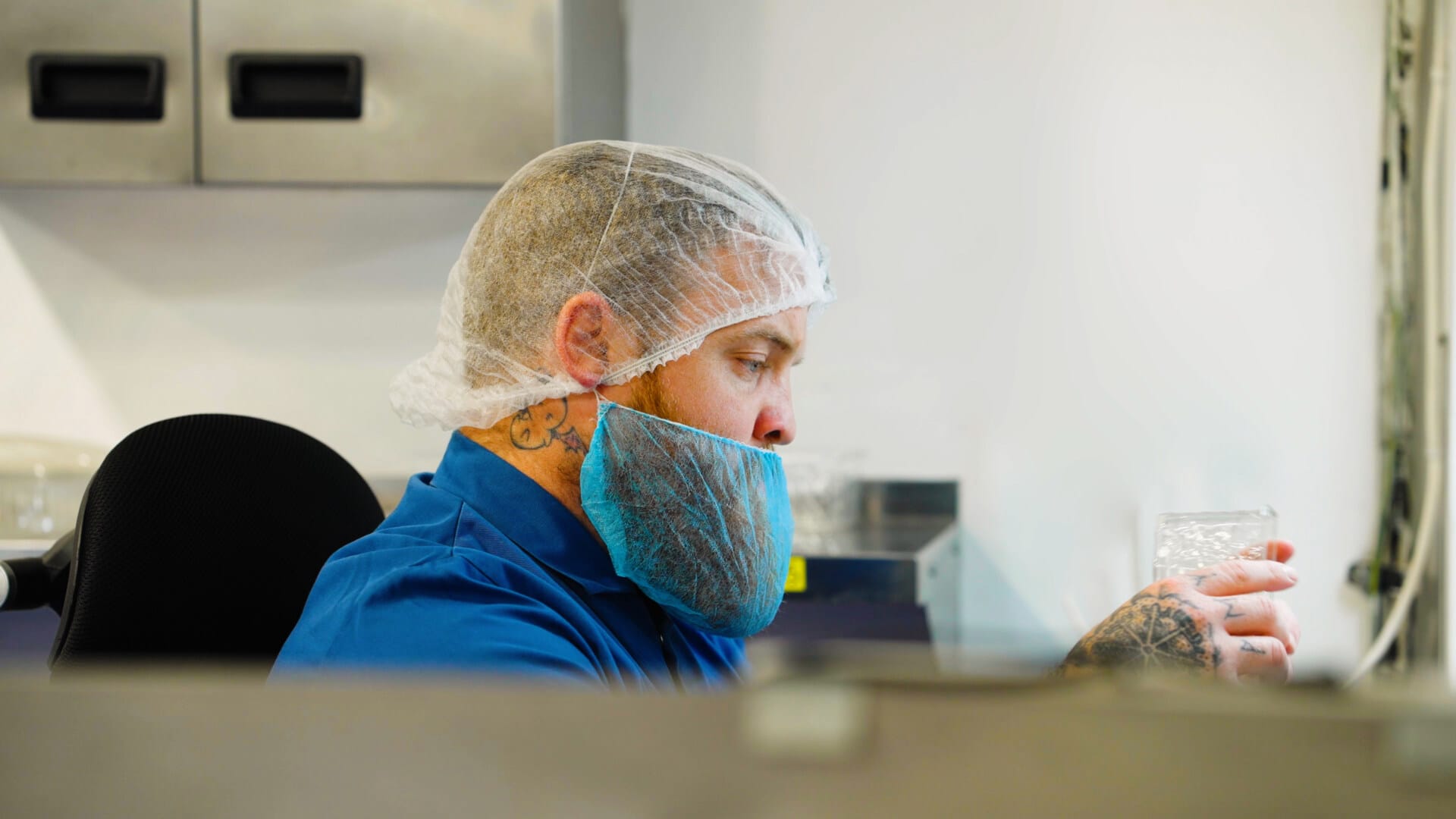
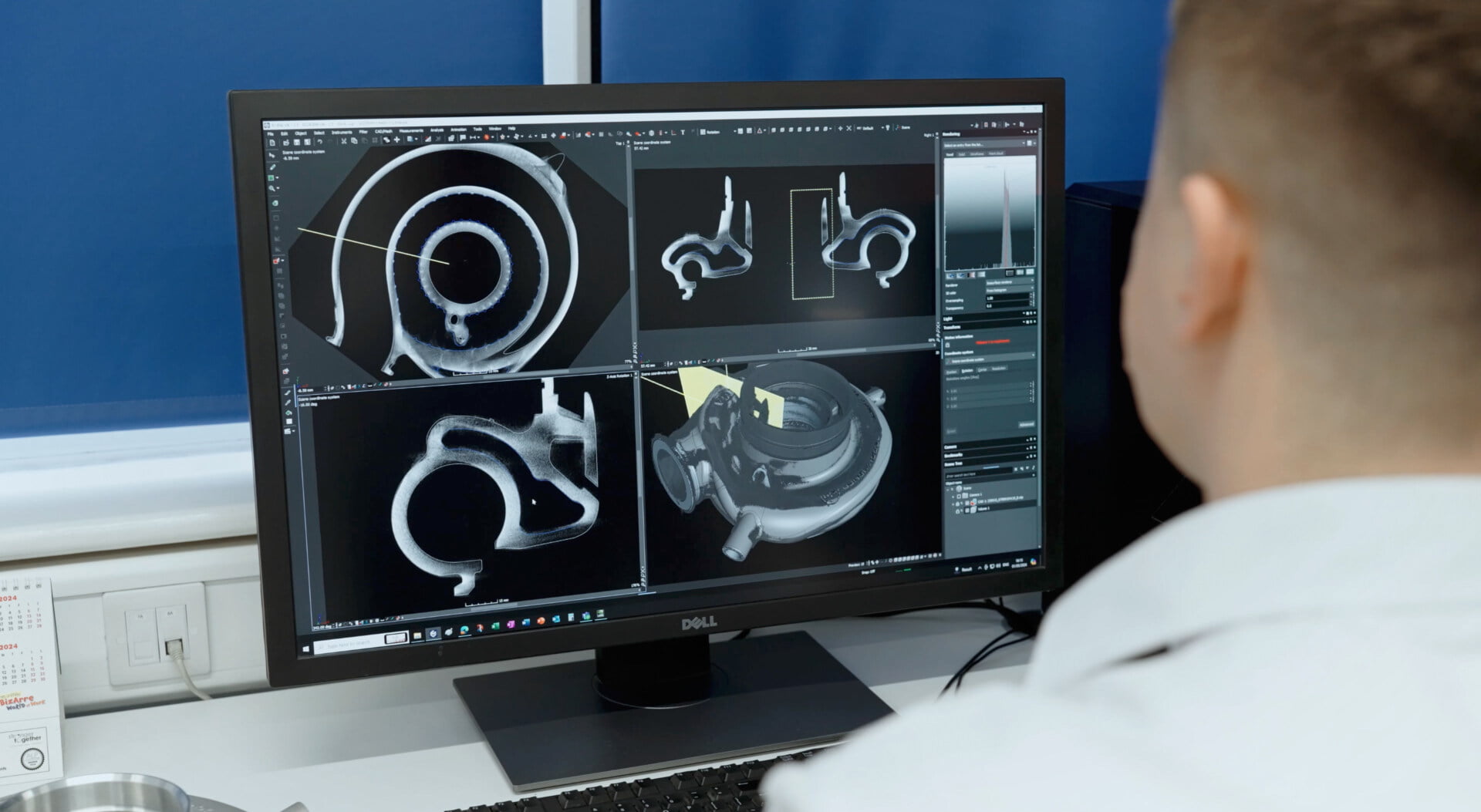
Manufacturing teams are often asked to improve performance while the plant is running at full pace. A new standard may be technically sound, yet difficult to adopt when operators, engineers and supervisors interpret the change differently. Manufacturing video gives improvement teams a practical way to show what good looks like in the real environment, making a process easier to understand, repeat and refine.
The most useful production footage is not a glossy overview. It captures the details that determine whether a change works on shift: the order of checks, the position of tools, the handover between roles, the visual cues that signal a problem and the safe response when conditions vary. Used well, video becomes a working reference that supports safer decisions and more consistent execution.
Make the intended process visible
Written procedures are important, but they can leave room for interpretation. A short, carefully planned sequence can show the intended rhythm of a task from start to finish. Viewers can see where materials are placed, how an inspection is completed and which points require a pause or confirmation. That shared visual reference helps teams discuss the process using the same evidence rather than relying on memory or assumptions.
This is especially valuable when a change crosses departmental boundaries. Production may focus on output, maintenance on equipment condition and quality on evidence. A well-structured film can connect those priorities in one sequence, showing how a decision at one stage affects the next. It also gives leaders a clear basis for coaching: they can refer to a specific moment, not make a general criticism about performance.
Support safer adoption on every shift
New methods are most vulnerable during the transition from training room to live production. People may understand the theory but miss a control when they are working around noise, time pressure or unfamiliar equipment. Filming the task in its real setting allows the team to address those conditions directly. The finished content can highlight isolation points, body positioning, pedestrian routes, guarding, permits and the escalation steps that protect people when something does not look right.
Short chapters are easier to use than one long recording. A supervisor might show the pre-start check during a toolbox talk, while a technician watches the fault-finding section before beginning a planned intervention. This modular approach also supports operator training and confidence building, because people can revisit the exact part of the workflow they need without sitting through unrelated material.
Turn improvement ideas into repeatable standards
A process change should be observable enough to audit and practical enough to sustain. Video helps teams define the critical few behaviours that matter most, such as confirming a setting, checking a seal or recording a measurement before moving on. Those moments can be paired with the local standard work, check sheet or visual board so that the video reinforces the system already used on the floor rather than creating a separate source of truth.
It is also useful to film the reasoning behind a change without turning the article or training asset into a lecture. Showing the previous risk, the new control and the expected result gives people a stronger reason to follow the method. When a later review finds that the sequence is too slow or a tool is awkwardly positioned, the footage provides a baseline for discussion. Teams can compare the intended method with actual practice and improve the standard with evidence.
Capture evidence for learning and review
Manufacturing video can support more than initial rollout. Clips from a controlled review can help explain a recurring defect, a near miss or a delay during a shift handover. The objective is not to create blame or record people without purpose. It is to preserve useful context: what the equipment was doing, what information was available and where the process allowed variation to enter.
That evidence becomes more powerful when it is connected to the improvement cycle. A team can use footage to prepare a corrective action that is clear and reviewable, then record the revised condition after the action has been implemented. The comparison makes it easier to confirm whether the fix changed behaviour at the point of work, rather than simply closing a task in a database.
Plan footage around the audience
Effective content starts with a defined viewer and a defined decision. An operator may need a concise visual sequence, an engineer may need the constraints behind a setting and a manager may need to understand how the change affects risk, quality and throughput. Planning these needs before filming keeps the message focused and prevents a generic corporate video from replacing useful operational detail.
Teams should agree access, permits, confidentiality boundaries and safety controls before the camera enters production. A simple shot list can cover the environment, the task, the critical controls, the handover and the expected outcome. After filming, review the cut with people who perform the work. Their questions often reveal missing context, awkward wording or a step that looks obvious to an expert but is not obvious to a new colleague.
Build a library that stays useful
A well-organised library makes improvement content easier to find months later. Use descriptive titles, consistent version labels and clear ownership for review dates. Retire footage when equipment, controls or standards change, and keep the current version close to the procedure it supports. This prevents old habits from circulating through shared drives or informal messaging groups.
For teams considering a wider content programme, a structured approach to engineering change communication can connect individual clips into a dependable learning system. The result is not video for its own sake. It is a practical visual layer around the production system, helping people see the standard, understand the reason for it and recognise when the process needs attention.