Changeovers are one of the clearest places where manufacturing performance is shaped by practical detail. A schedule may allow a certain amount of time between products, but the real result depends on how tools are prepared, how information is handed over, which checks happen in sequence and how confidently the team responds when the plan meets the line. Manufacturing video can help changeover teams see those details together and turn an inconsistent activity into a repeatable flow.
The value is not in filming a machine for its own sake. A useful changeover film follows the work as people actually perform it. It captures the preparation before the line stops, the coordination between operators and support teams, the points where waiting begins and the checks that confirm the next run is ready. That visual record can support improvement work, training and communication between shifts while keeping attention on the conditions that influence lost time.
Make the Full Changeover Sequence Visible
Changeovers often look simple when described as a list: stop, clean, remove, install, set, inspect and restart. In practice, each stage contains decisions and dependencies. A tool may be ready in one area but not another. A specification may have changed without every person seeing the latest version. An operator may complete a task in a different order because access is restricted or a component is difficult to handle.
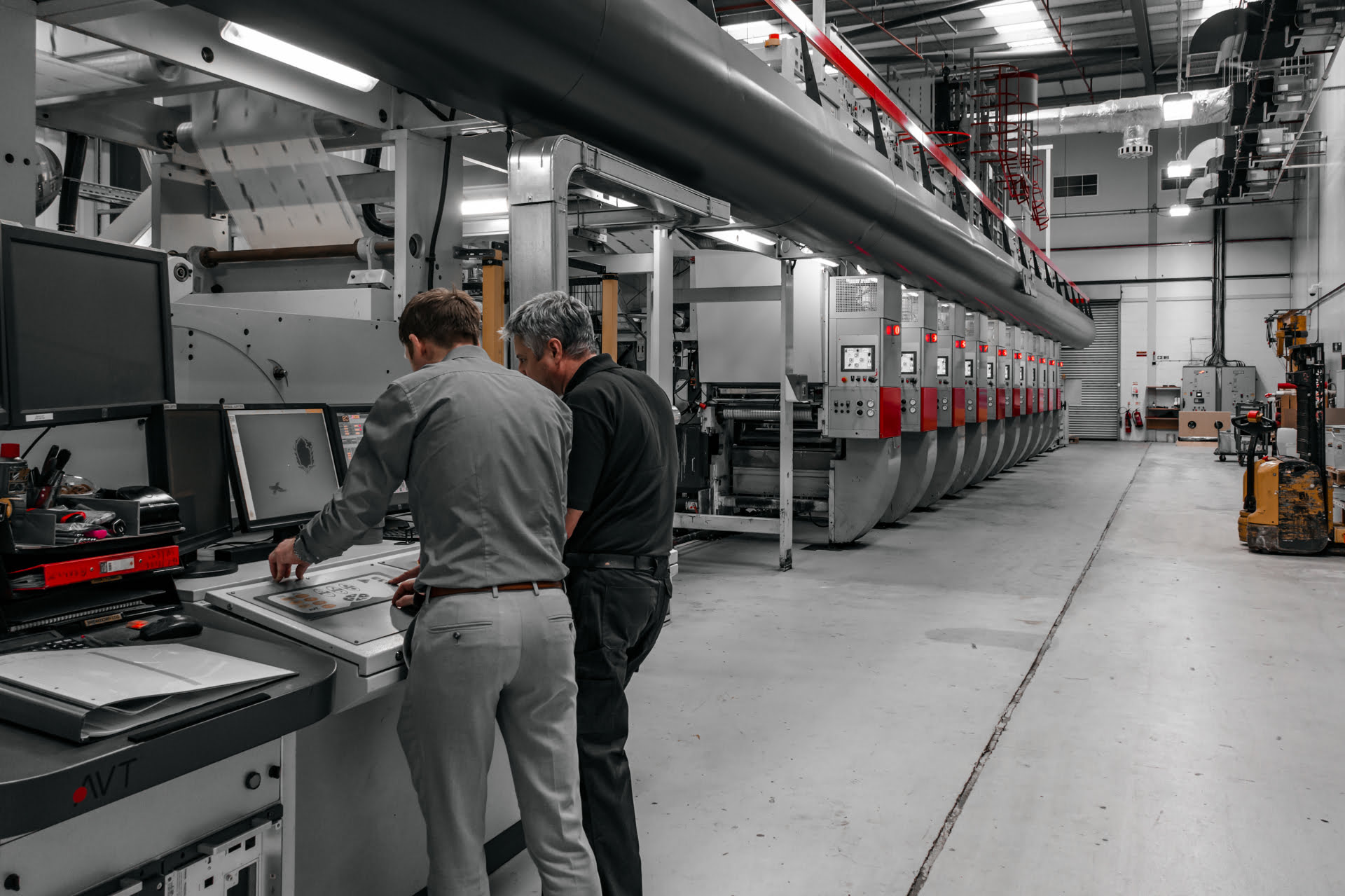
Video brings those hidden dependencies into view. Wide shots can show how people and materials move around the cell, while closer views capture the adjustment, measurement or verification that determines whether the next stage can begin. When teams review the footage, they can distinguish genuine process requirements from habits that have developed simply because nobody has revisited the sequence.
This makes the improvement conversation more precise. Instead of saying that a changeover “feels slow”, the team can identify where a search begins, where a person waits for equipment, where a check is repeated or where two tasks could safely happen in parallel. Those observations create a stronger starting point for reducing delay without compromising quality or safety.
Show the Standard in the Real Workplace
A written standard is essential, but it does not always show the physical reality of the task. People need to understand where items are positioned, how a tool is held, what a correct setting looks like and which signals tell them that the process is ready to move on. A short, focused film can demonstrate those details in the same environment where the work takes place.
That is especially useful when a revised method is introduced. Operators can see the intended sequence rather than interpret a paragraph in isolation, while supervisors have a consistent reference for briefings and coaching. The film can also explain why a step matters, connecting a small preparation action with the wider goals of stable output, reliable quality and safe work.
For organisations working across several lines or sites, the same approach supports standardising decisions across multiple sites. The aim is not to force every workplace to look identical. It is to make the critical principles visible, so local teams can discuss genuine differences instead of arguing over what the standard was supposed to mean.
Use Evidence to Separate Waste From Necessary Work
One of the risks in changeover improvement is removing a step because it appears to add time without understanding its purpose. A visual review helps the team ask a better question: is this activity necessary, or is it compensating for a weakness elsewhere? A repeated measurement may be protecting against an unreliable setting. A long walk may exist because tools are stored away from the point of use. A late quality check may be creating avoidable rework.
Footage allows engineering, production, quality and maintenance to examine the same sequence. They can compare a smooth changeover with a difficult one, look for variation between shifts and test whether a proposed fix improves the whole flow or simply moves the delay to another stage. That shared evidence makes it easier to agree actions and assign ownership.
It also connects naturally with capacity planning around real factory constraints. When planners understand the preparation, staffing and verification that a changeover genuinely requires, schedules become more credible. Teams can make better decisions about batch sizes, sequencing and the time needed to introduce a new product without relying on theoretical machine speed alone.
Turn One Filming Session Into Ongoing Learning
The most useful changeover project produces more than one finished video. Capture the complete sequence for analysis, then create shorter edits for specific audiences. A supervisor may need a concise briefing on the new order of work. A new operator may need a close demonstration of the critical setup. An engineering team may need the longer version to study access, tooling and recurring variation.
Good organisation keeps those assets useful. Give each clip a clear name, date and process reference. Identify the owner responsible for reviewing it when the equipment, specification or standard changes. Add captions or simple chapter markers so viewers can find preparation, adjustment, inspection and restart without searching through an entire recording.
Changeover footage can also strengthen consistent learning between shift teams. A night shift should not have to reconstruct a day shift’s improvement from a hurried handover, and a new team should not depend entirely on one experienced person being available. A shared visual reference creates continuity while leaving room for operators to suggest safer and more efficient refinements.
When manufacturing video is planned around the full changeover rather than a collection of attractive machine shots, it becomes a practical improvement tool. It helps teams see where time is lost, understand why the standard exists and communicate the method with greater consistency. Over time, that clarity can turn changeovers from a source of uncertainty into a controlled, repeatable part of production flow.