Manufacturing investment plans often begin with a clear commercial reason: increase capacity, improve reliability, reduce waste, introduce new equipment or support a growing customer base. The difficulty is turning that intention into a story that people across the business can understand and act on. A spreadsheet may explain the spend, but it rarely shows how a change will affect the people, processes and decisions on the factory floor.
Manufacturing video can make that connection visible. By showing the current operation, the reason for change and the practical outcome, a well-planned film gives site leaders a shared way to explain progress. It helps colleagues see what is changing, why it matters and how their work contributes to the result.
Make the reason for investment easier to understand
Capital projects can be difficult to communicate because the strongest evidence is often spread across different departments. Engineering may focus on technical capability, finance on return, operations on disruption and quality on control. Each view is valid, but a fragmented explanation can leave people with an incomplete picture.
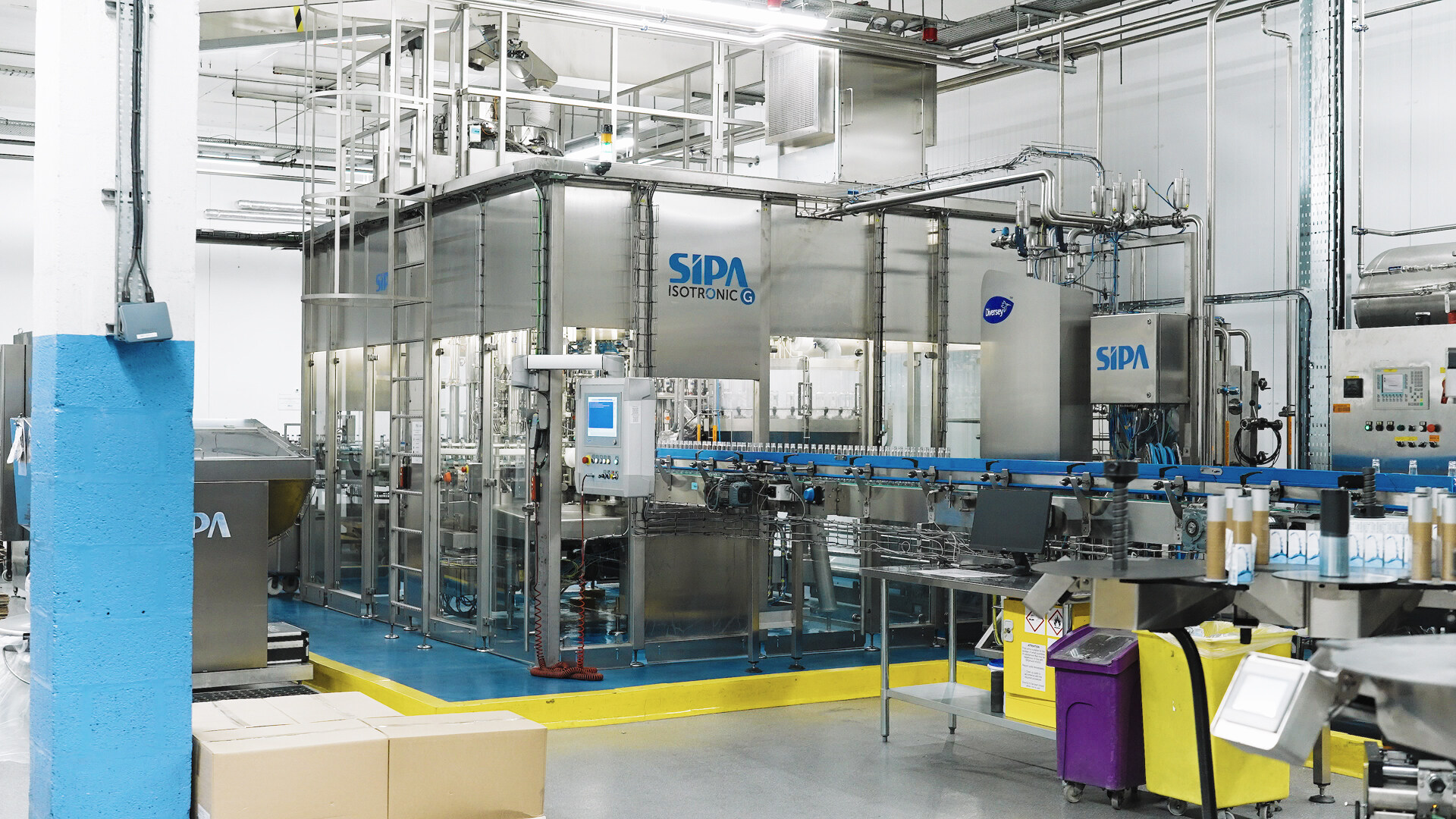
A manufacturing video brings those perspectives together through a sequence that people can follow. It might begin with the constraint the site is facing, show the process or equipment involved, and then explain what the investment is expected to improve. The film does not need to oversimplify the project. Instead, it gives technical detail a clear place inside a wider operational story.
This is particularly useful when the investment needs support from senior stakeholders, other sites or customer-facing teams. A concise visual explanation can travel further than a meeting and give different audiences the same starting point for discussion.
Show progress while the project is still moving
Investment rarely arrives as one dramatic moment. There may be surveys, design work, installation, commissioning, training and a long period of stabilisation. If communication only happens at the beginning and the end, the middle of the project can feel uncertain. People may know that work is happening without understanding what has been achieved or what still needs attention.
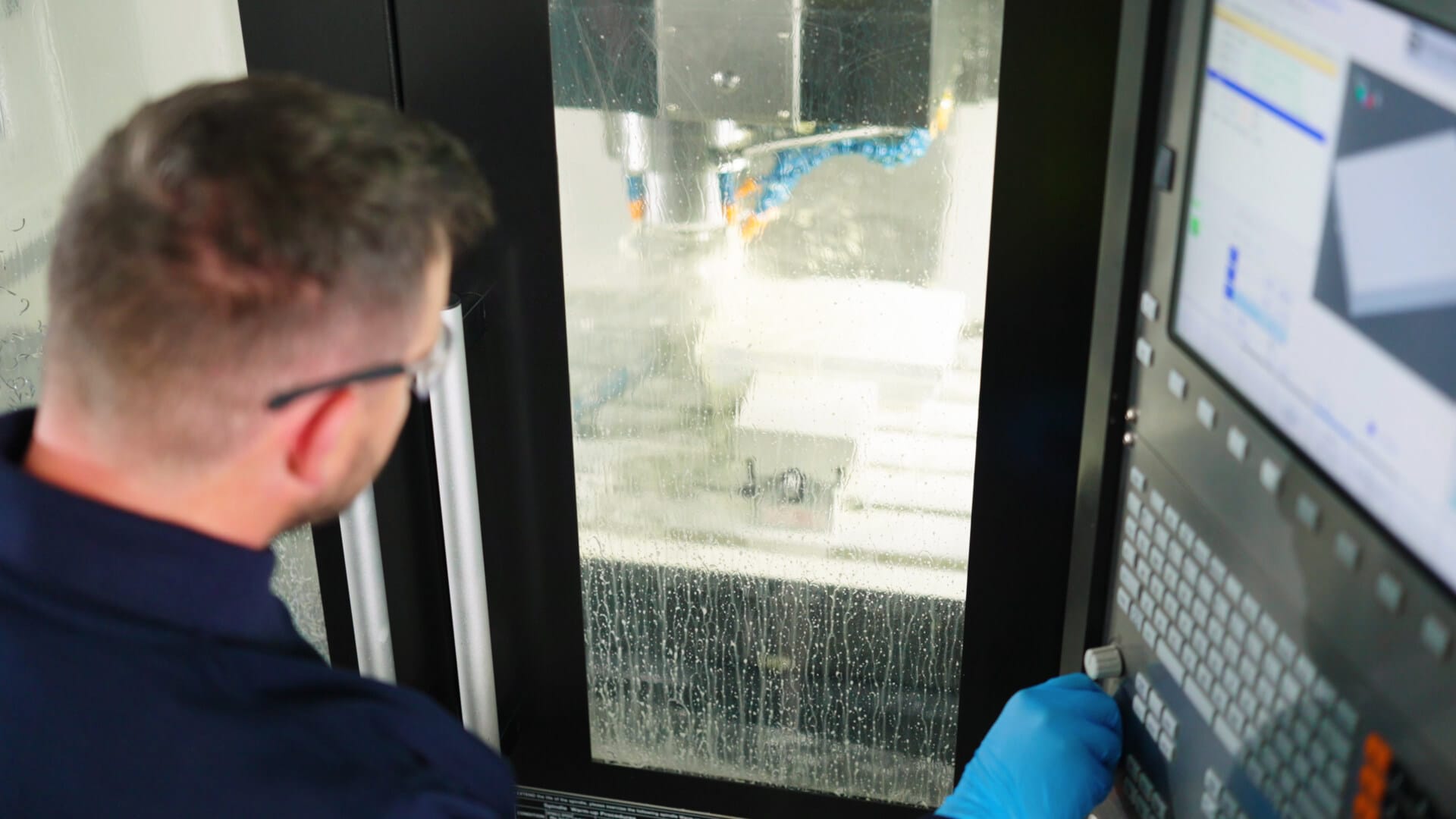
Video gives site leaders a practical format for documenting the stages in between. Short interviews, process footage and clear demonstrations can show visible milestones without pretending that the work is finished. A monthly or stage-based series can capture what has changed, what the team has learned and what the next step will be.
This approach also creates a useful record. When the project team later reviews the outcome, the footage can help connect decisions with the conditions that shaped them. It can show how an idea developed in response to real production experience rather than presenting the final result as if it appeared fully formed.
Turn technical improvement into operational confidence
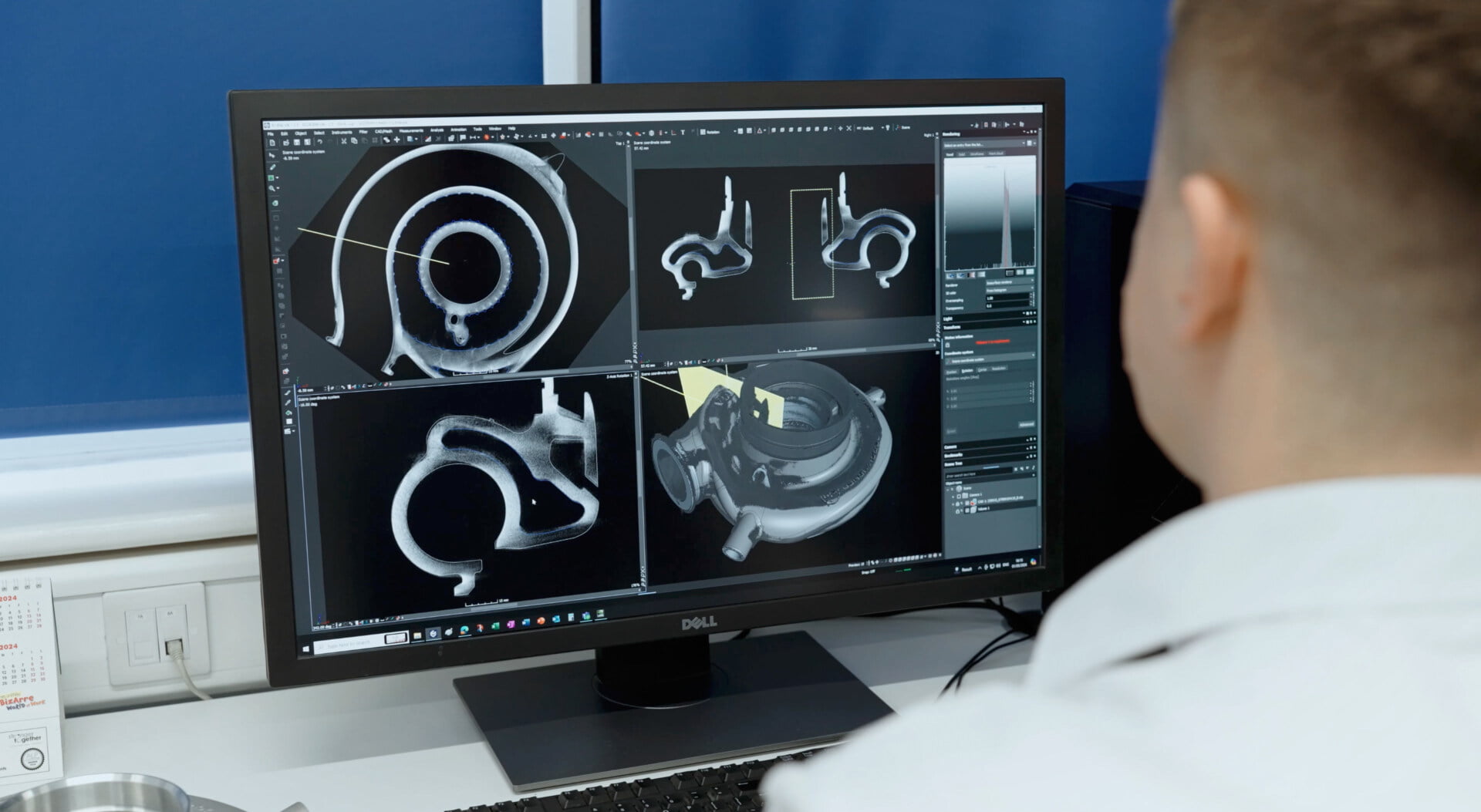
New machinery, automation and layout changes only create value when people can use them consistently. The practical challenge is often less about announcing the equipment and more about helping teams understand the new standard of work. A film can show the detail that written instructions may struggle to convey: the order of actions, the points that require care, the signs of a stable process and the behaviours that prevent avoidable variation.
That makes video valuable beyond a launch announcement. It can support onboarding, refresher training and cross-site learning, especially when experienced operators need to share knowledge that has not yet been captured formally. A focused production can also help preserve the thinking behind a change, so future teams understand not only what to do but why the process was designed that way.
For a broader view of this role, manufacturing video for repeatable performance shows how visual guidance can help move best practice from individual expertise into everyday capability.
Give commercial teams credible evidence to share
Investment can strengthen a site’s offer, but commercial teams need more than a claim that the business has improved. They need evidence that customers can understand. Footage of the process, the controls around it and the people responsible for delivering it can make an operational benefit more concrete.
This is not about turning every project into a polished sales advert. The most persuasive material is often specific and grounded: a before-and-after explanation, a close view of a critical stage, or an engineer describing how a change reduces risk. It lets prospective customers see the capability behind the promise and gives account teams a useful conversation starter.
Where technical value is difficult to explain in a meeting, a carefully structured film can provide a shared reference point. The article how video helps technical teams align around one clear story explores why that clarity matters when several specialists contribute to a customer decision.
Measure the story by the decisions it supports
The success of an investment film should not be judged only by views. A better question is whether it helps people make a useful decision: approve the next phase, adopt a revised process, explain an improvement to a customer or recognise the work of the team delivering it.
That requires planning before filming begins. Site leaders should identify the audiences, the decisions they need to make and the evidence that will help them. Interviews should be built around real questions rather than generic praise, while process footage should show meaningful moments instead of relying on attractive but uninformative machinery shots.
When the story is connected to a real operational priority, the finished video becomes a working asset. It can support internal alignment, customer confidence and institutional memory at the same time. For examples of turning operational detail into commercial value, see how manufacturing video turns hidden expertise into commercial advantage.
Manufacturing investment is ultimately about enabling better decisions and more dependable performance. Video helps site leaders make that journey visible: from the original constraint, through the practical work of change, to the capability the business can now demonstrate. When the film is built around evidence and real people, it gives progress a form that teams can understand, remember and use.