Factory projects rarely fail because nobody understands the ambition. They lose momentum when the ambition becomes difficult to see in the day-to-day work: a new line is being installed, a site is changing its layout, a process is being transferred or a major improvement is moving from planning into production. Manufacturing video gives project teams a practical way to make progress visible, keep different audiences aligned and create a reliable record of the decisions that matter.
A well-planned film is more than a progress update. It can explain why the project exists, show what is changing, capture the expertise behind the work and give people a shared reference when priorities compete. For manufacturers managing complex investments, that clarity can improve confidence internally while making the project easier to explain to customers, partners and future employees.
Show the project as a sequence of decisions
Large factory projects contain hundreds of individual decisions. Teams choose equipment, confirm layouts, adapt services, manage access, test new procedures and respond to issues that were not visible on the original drawing. Written reports are essential for control, but they do not always help a wider audience understand how those decisions connect. Video can follow the project as a sequence, showing the starting point, the constraint, the decision and the practical result.
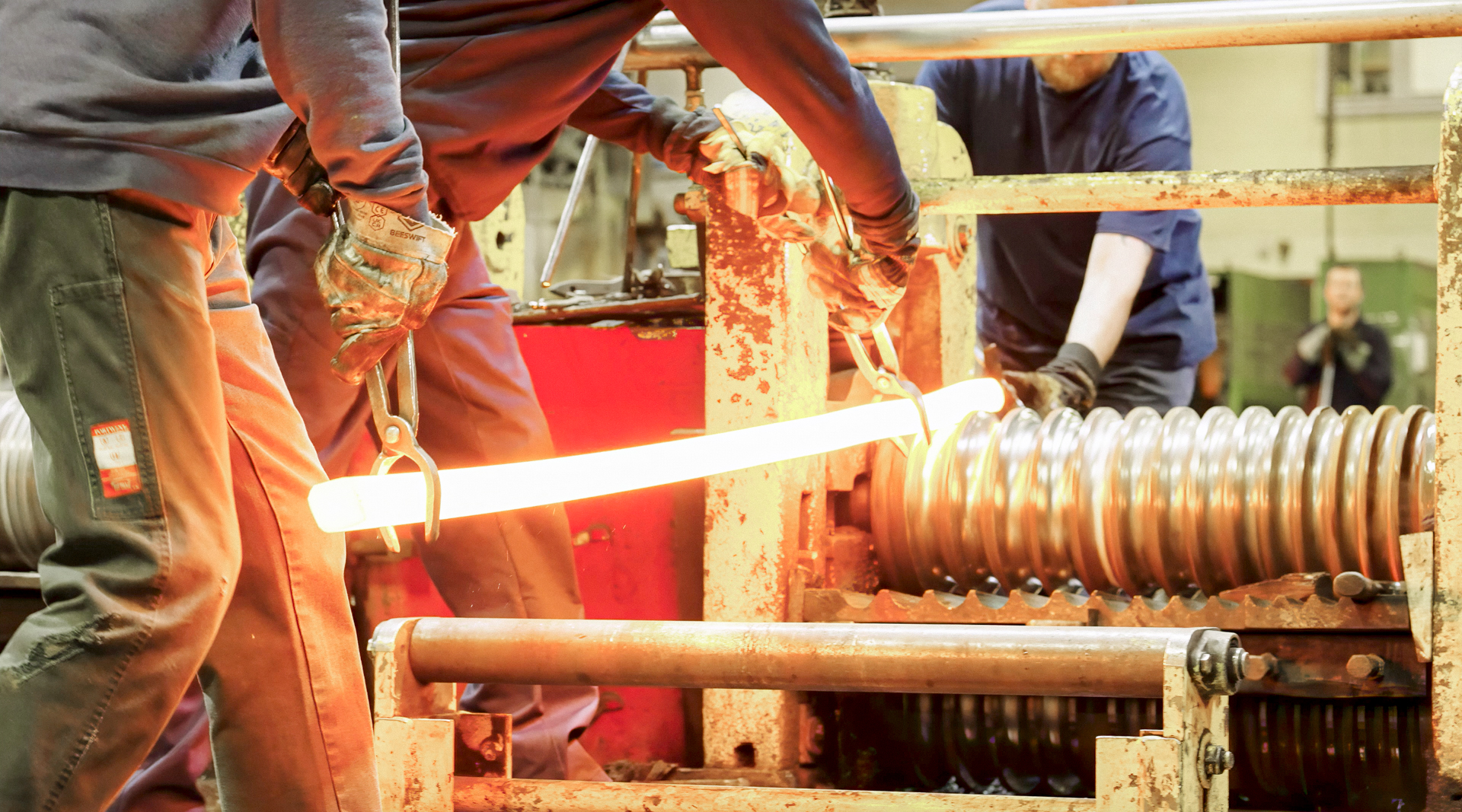
This makes a complex programme easier to understand without flattening its detail. A site leader can explain the operational reason for an investment, while engineers show the technical work that makes it possible. Footage of installation, testing and handover gives context to milestones that might otherwise appear as isolated dates on a plan. The story becomes credible because viewers can see both the progress and the work still required.
Keep multiple teams aligned around the same outcome
Factory projects bring together people who use different language and measure success differently. Finance may be focused on the investment case, engineering on performance and integration, operations on output, quality on control, and the workforce on how the change affects everyday tasks. A concise project film can connect these perspectives by returning to one clear outcome and showing the contribution each team makes.
That shared explanation is particularly useful when a project spans more than one facility or involves external suppliers. A modular film can include a common introduction, site-specific progress sections and short explanations for the teams affected by each stage. It also supports the kind of cross-site leadership alignment that keeps a strategic priority from being interpreted differently at every location.
Make technical progress understandable to non-specialists
A project can be technically successful and still be poorly understood. People outside the core team may see cranes, temporary barriers, new machines or a quiet production area without knowing what those changes mean. That uncertainty can create unnecessary questions, especially when the project affects delivery schedules, access, recruitment or customer confidence.
Manufacturing video helps translate specialist progress into plain language. Instead of asking every viewer to interpret a layout drawing or a commissioning report, the film can show what has changed, why it matters and what happens next. Animated overlays, interviews and close-up process footage can clarify the relationship between infrastructure, capability and customer value while protecting commercially sensitive detail.
The same approach gives project sponsors a stronger way to communicate return on investment. When the film connects capital expenditure to capacity, reliability, safety, quality or lead-time improvements, it supports the wider conversation described in how finance teams assess the return on capital projects. The evidence feels more tangible because viewers can see the environment in which the benefit will be created.
Capture learning before the project team moves on
Every factory project generates knowledge that may not appear in the final handover pack. Experienced people discover the easiest route for a service connection, the most reliable way to sequence a test or the practical adjustment that makes a new process workable. If that knowledge remains in conversations, it can disappear when contractors leave or the core team moves to its next assignment.
A production plan should therefore include time to record lessons as they emerge. Short interviews with engineers, operators and supervisors can preserve the reasoning behind important choices. Demonstrations can show how a new system is used, checked and maintained. These clips can become part of onboarding, future project planning or internal knowledge sharing, rather than being treated as disposable material created only for launch day.
Turn the finished film into an operational asset
The most valuable project video continues working after the ribbon-cutting moment. It can introduce customers to a new capability, help sales teams explain a facility investment, support recruitment and give employees a clear view of the organisation’s direction. To achieve that value, the film should be edited into useful sections with accurate titles, clear ownership and a plan for keeping time-sensitive information current.
It should also connect with the improvement system rather than sitting alone in a media library. Project teams can use selected sequences to explain new standards, review early performance and identify where the original plan needs adjustment. That creates a natural link to continuous improvement that scales small changes, because the visual record makes it easier to compare the intended process with what people actually experience.
For manufacturers, the real benefit of video during a factory project is not simply visibility. It is shared understanding. When the film shows the decisions, people and evidence behind the work, it helps teams stay aligned while the project is changing around them. It preserves valuable learning, gives stakeholders confidence and turns a temporary programme into a lasting business asset.