Manufacturing performance is shaped by what happens between formal procedures. A shift may begin with the right documents, the right targets and the right equipment, yet small differences in how people interpret a process can create variation by the end of the day. One supervisor explains a check in one way, an experienced operator demonstrates a workaround in another, and the next team inherits a mixture of written instructions and unwritten assumptions. Manufacturing video can make those practical lessons visible, specific and easier to repeat.
This is not about filming every task or replacing the judgement of skilled people. It is about capturing the moments where knowledge is most useful: the visual cue that signals a machine is running outside its normal rhythm, the safe sequence for a changeover, or the reasoning behind a quality check. When those details are recorded clearly, teams have a shared reference that supports conversations on the factory floor and reduces the risk that important knowledge disappears at handover.
Make the real process easier to see
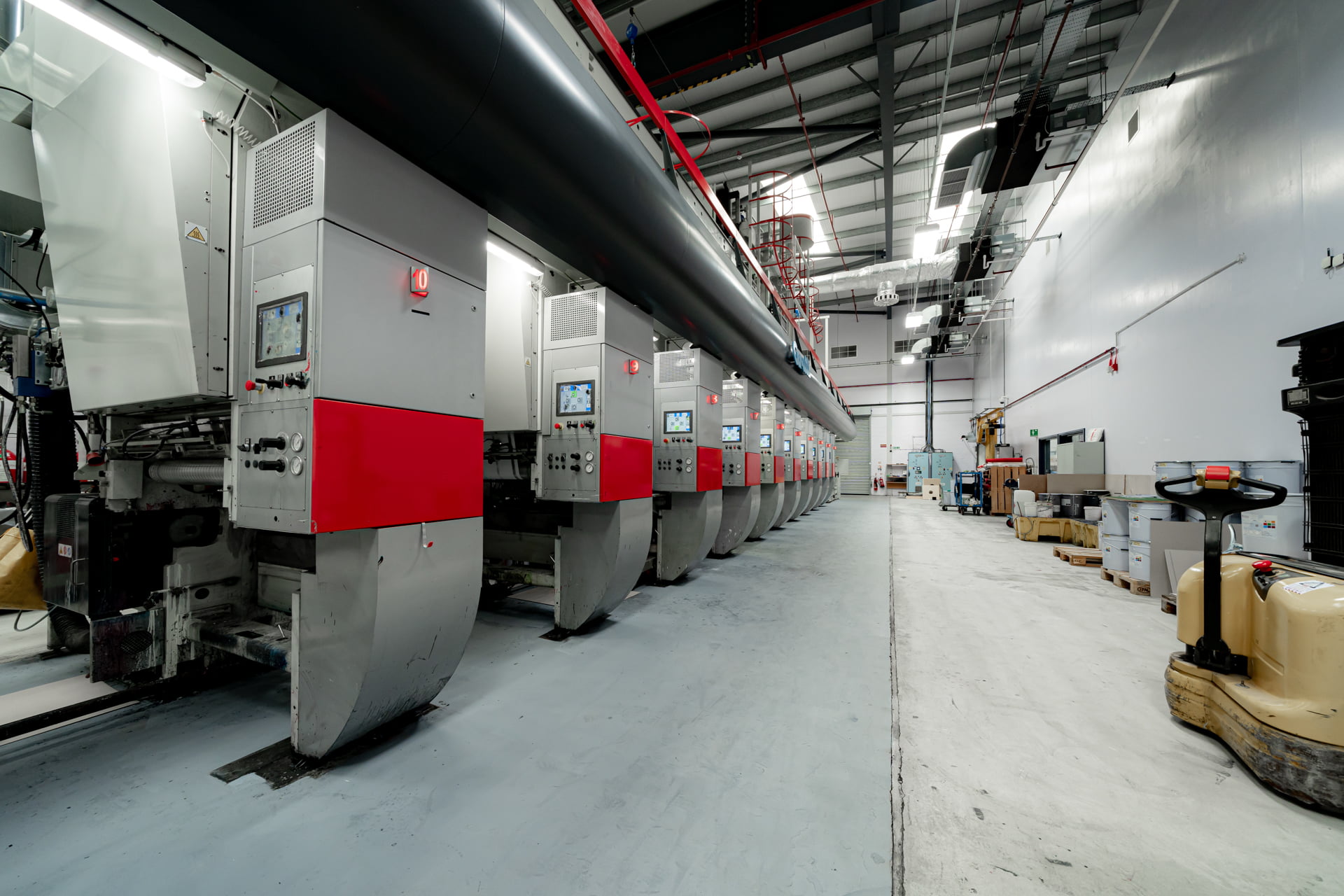
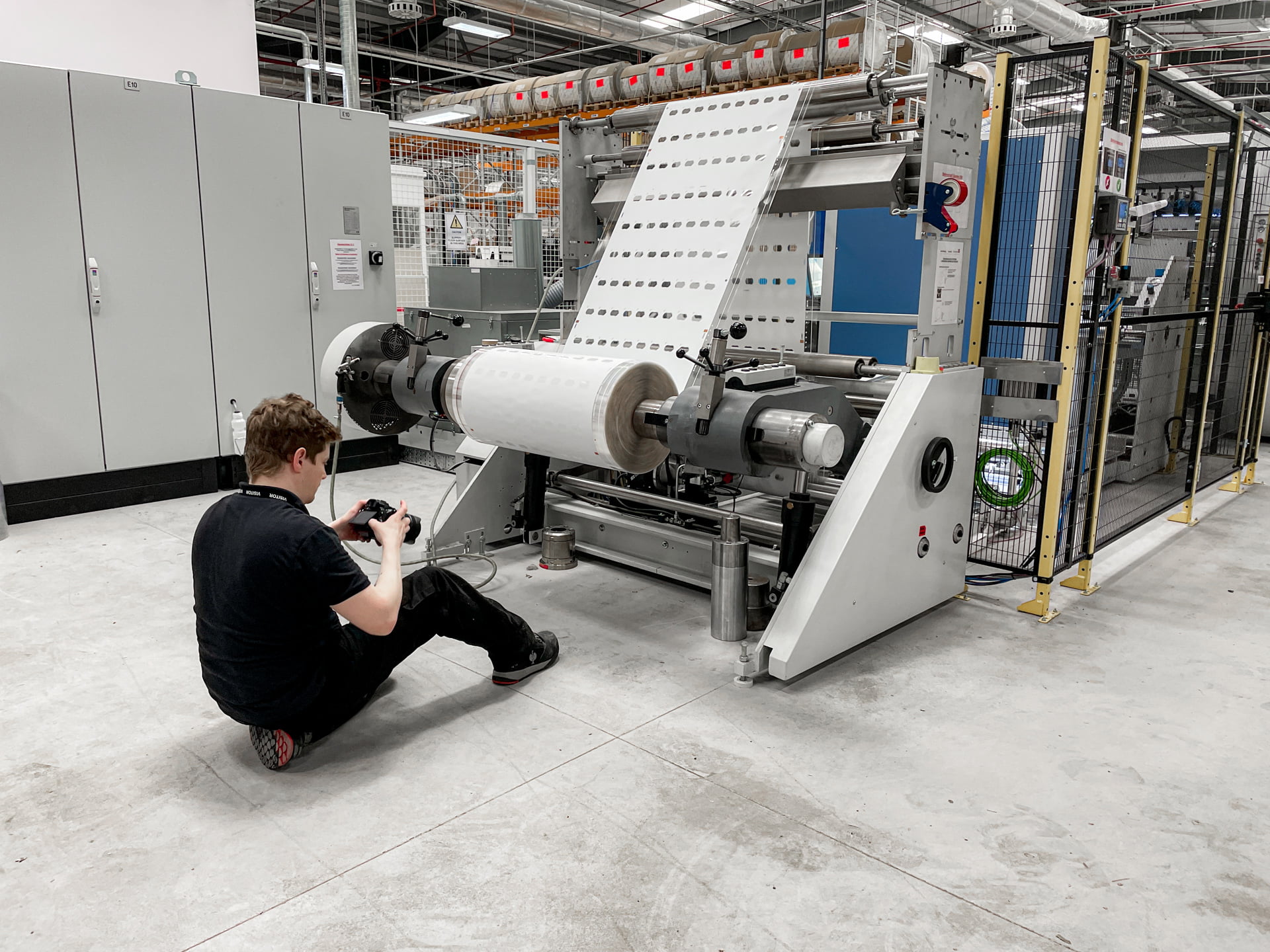
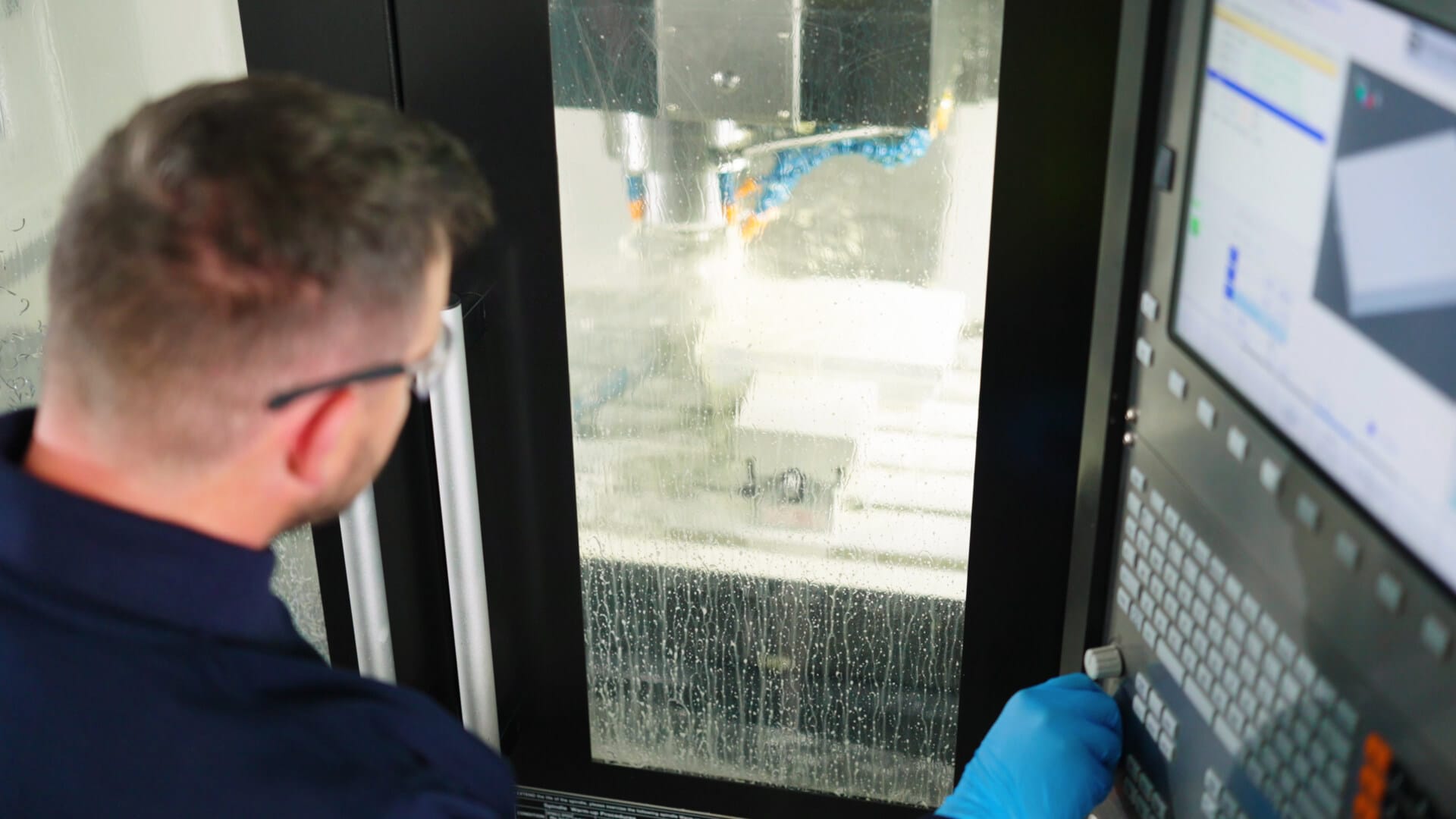
Written procedures are valuable, but they often describe the intended process at a level that leaves room for interpretation. Video can show the environment in which the work actually happens: where an operator stands, what must be visible before a step begins, how a component should look when it is correctly positioned, and which sounds or movements deserve attention. These details give a new starter or a colleague from another shift a more complete picture than a page of instructions alone.
A well-planned production also makes the sequence understandable. Wide shots establish the context, close-ups reveal the critical detail, and carefully chosen commentary explains why the step matters. That combination helps viewers connect an action with its purpose. It is especially useful in technical environments where a small error can affect safety, quality, throughput or the next operation. The result is not a polished version of the process that hides complexity; it is a practical explanation of the process as people need to understand it.
Support stronger shift handovers
Handover is where a great deal of operational knowledge is either transferred or lost. A short verbal briefing may cover the headline issues, but it is difficult to recreate every observation, exception and decision once a busy shift has ended. A focused video can give both teams a stable starting point. It can show the normal condition of a line, demonstrate the checks that matter most, and make the expected response to a known variation easier to discuss.
This approach works particularly well when paired with a clear handover routine. The video should not become another document that people are expected to watch without context. Instead, team leaders can use selected sections to frame a discussion: what changed, what should be checked, and what evidence confirms that the process is back under control. That makes the resource active rather than decorative. It also complements safe coordination of contractor work by giving different groups a consistent view of site expectations.
Turn lessons into repeatable improvement
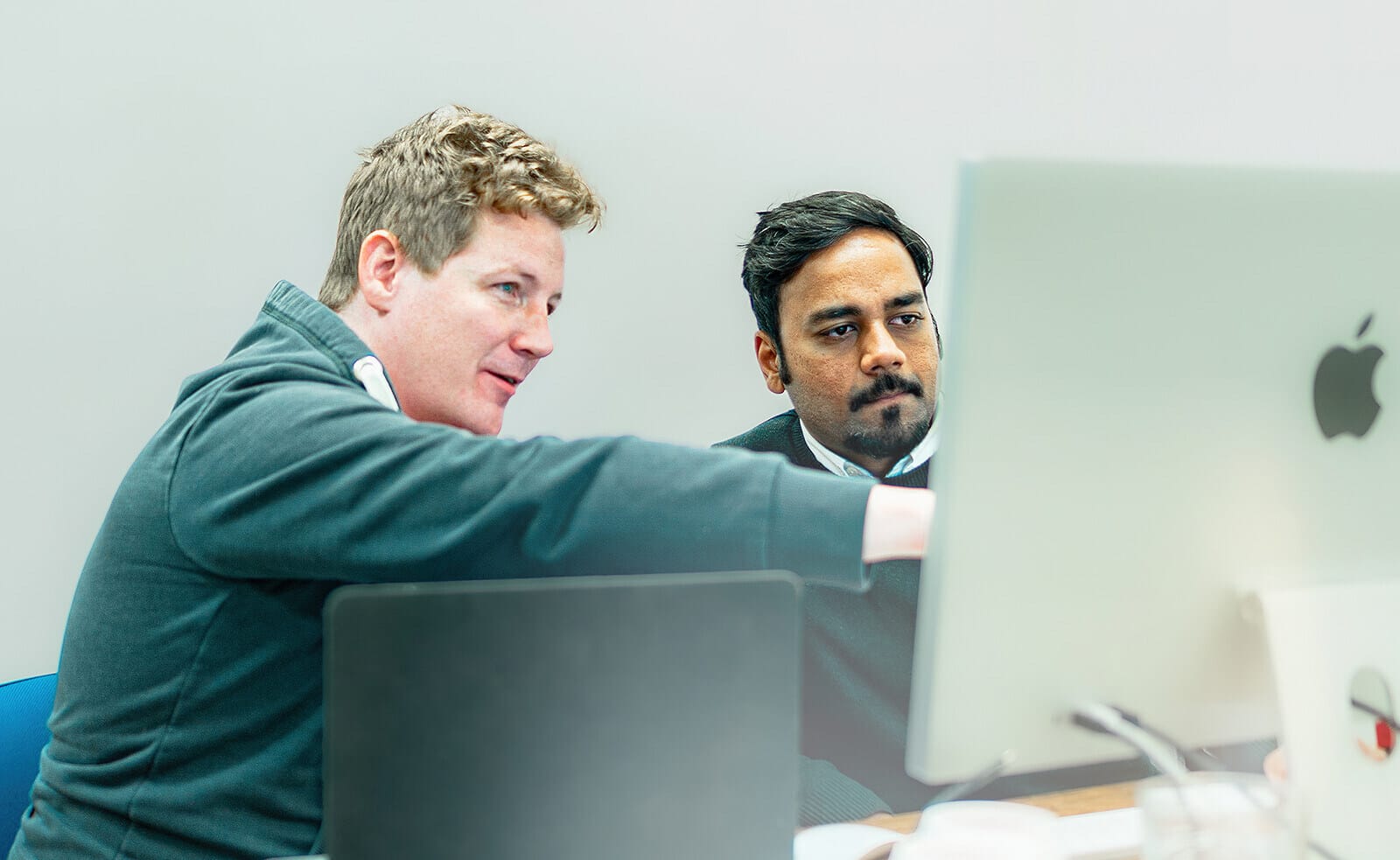
The most valuable operational videos are often created around a question rather than a generic brief. What caused the variation? Which part of the method was misunderstood? What did the team change, and how will the next shift recognise that the improvement is working? Framing production around those questions produces a resource that can support continuous improvement, training and leadership communication at the same time.
It can also give improvement teams a better way to share learning between departments or sites. A visual explanation of a revised setup, inspection point or maintenance response can be reviewed by people who were not present when the change was introduced. That makes it easier to compare practice, identify useful adaptations and build a common standard. The same principle sits behind scaling lessons into practical standards: the learning has to be understandable enough to travel.
Build trust through useful evidence
Video also helps manufacturing businesses explain performance to people who are not on the factory floor every day. Customers, prospective employees, suppliers and senior stakeholders can see the care behind a process rather than relying on broad claims about capability. The strongest evidence is specific: a controlled sequence, a measurable improvement, a thoughtful safety practice or a team explaining how it protects quality under pressure.
That specificity matters internally as well. When people can see their work represented accurately, a communication resource feels more credible. It acknowledges the expertise involved and gives teams something they can use, not simply something created for an external audience. In that sense, manufacturing video becomes part of the operating system of the business: it supports training, handover, improvement conversations and commercial confidence without losing sight of the real work.
For teams considering a new project, the starting point should be the knowledge gap that has the greatest operational cost. Identify where interpretation varies, where handovers are fragile or where a successful improvement is difficult to explain. Then plan a concise visual story around that need, with the people who perform the work involved in shaping the message. This is how new standards become easier for factory teams to adopt and sustain.