Manufacturing standards only create value when people can understand them, remember them and apply them under real production pressure. A document may describe the correct sequence, but it rarely captures the small decisions that experienced operators make instinctively: how to position a component, what a normal sound feels like, when a reading deserves attention or which handover detail prevents a delay later in the shift. Manufacturing video gives those details a practical form that teams can revisit whenever the work demands it.
That makes video particularly useful when a factory is introducing a revised process, transferring knowledge between shifts or trying to make a successful improvement repeatable across several lines. The objective is not to film everything. It is to focus attention on the moments where consistency is won or lost, then explain those moments with enough context that the viewer can apply the lesson rather than simply watch it.
Turn a documented process into a usable visual reference
A written standard is essential for control, auditability and accountability, but it is not always the fastest route to understanding. A well-planned film can show the order of operations, the relationship between people and equipment, and the visual cues that indicate whether the process is running as intended. That combination helps a new starter build a mental picture before they are expected to perform the task independently.
The strongest films are deliberate about what they show. They use clear framing, purposeful cutaways and concise explanations from the people who know the process best. A close view of a setup detail can prevent a common error; a wider shot can explain why the detail matters to flow, safety or quality. When the content is structured around the decisions operators need to make, it becomes a working reference instead of a generic overview.
Capture the knowledge that standards often leave out
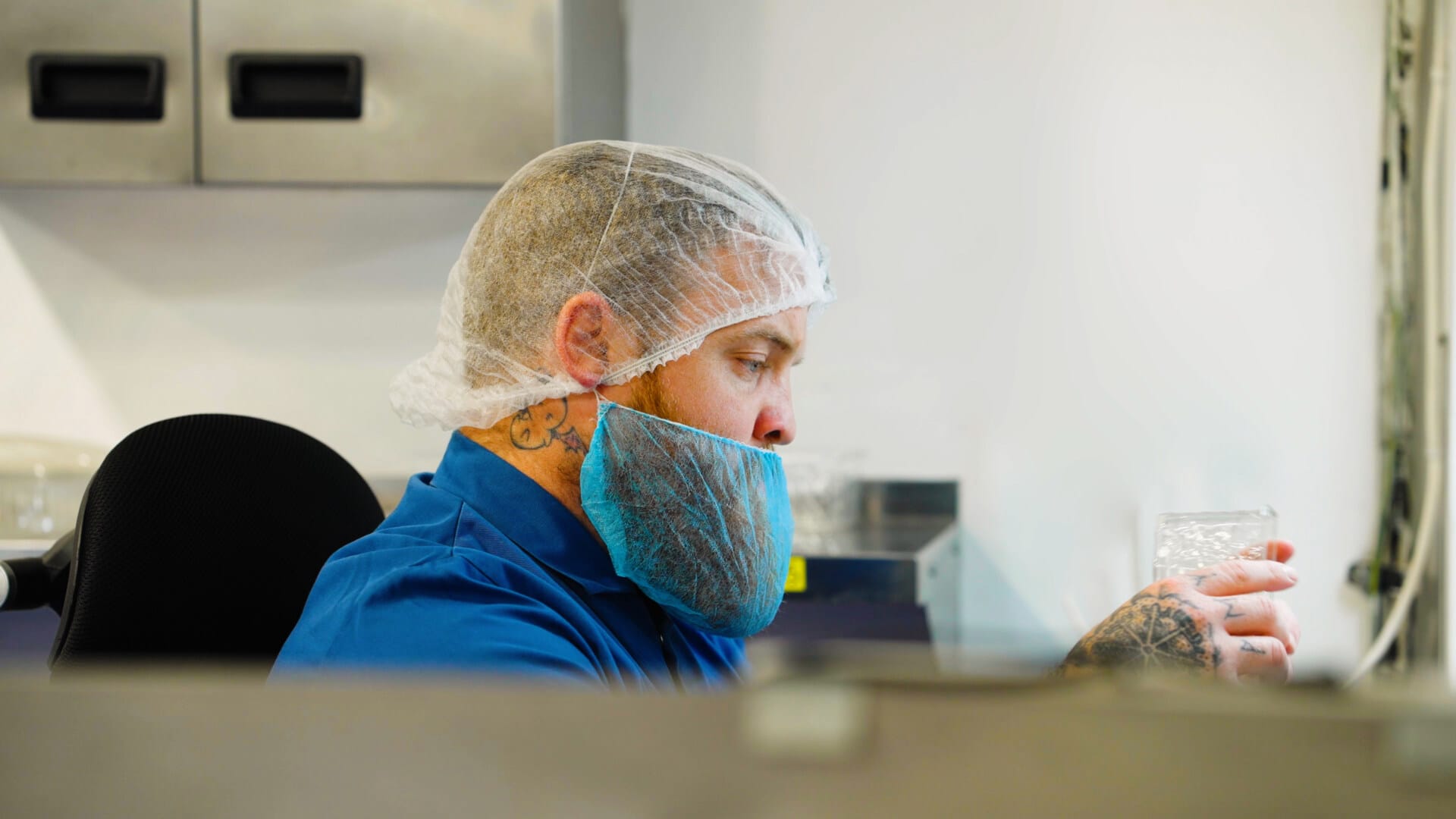
Many important factory behaviours are learned through observation. An experienced technician notices a subtle change in vibration, checks a particular connection before starting, or adjusts the order of a preparation step because it reduces downstream disruption. These actions may never appear in a formal procedure because they are difficult to describe without a shared visual context. Filming the task with the right subject-matter expert helps make that tacit knowledge visible.
This is also where a focused production approach matters. The conversation before filming should identify the points where judgement, variation or avoidable rework usually enter the process. The crew can then capture demonstrations, explanatory interviews and supporting detail around those points. That approach builds on the value of turning tacit knowledge into repeatable standards while keeping the final film practical for the people who will use it.
Help every shift see the same version of the work
Standards can drift when teams rely on local explanations. One shift may inherit a useful shortcut from a previous operator, while another may interpret an instruction more cautiously. Over time, both groups can believe they are following the same method while producing different outcomes. A shared video reference creates a common starting point for toolbox talks, onboarding, refresher training and improvement reviews.
It can also strengthen the handover between departments. Production, maintenance, quality and engineering often describe the same process in different language because each group is focused on a different risk. A film that connects the practical sequence to its quality, reliability and customer implications gives those teams a shared narrative. This complements the role of cross-functional manufacturing improvement stories without replacing the detailed records each function still needs.
Make improvement easier to sustain and scale
The real test of a manufacturing standard is what happens several weeks after launch. If the improvement depends on one champion being present, it is vulnerable to absence, turnover and competing priorities. Video helps preserve the reasoning behind the change: what problem it solved, what good looks like and which checks keep the result stable. That context makes it easier for supervisors to reinforce the new method during normal work rather than treating it as a one-off campaign.
Once the approach is proven, the same content can support replication at another line, site or supplier, provided the film clearly distinguishes universal principles from local details. A concise master version can explain the intended outcome, while short supporting clips can focus on setup, inspection or troubleshooting. Teams responsible for sustaining performance can then connect the visual reference to the broader discipline of turning improvement lessons into scalable standards.
Plan the film around the moment of use
Before production begins, decide where the video will be watched and what decision it should support. A supervisor may need a short pre-shift refresher, a new operator may need a slower walkthrough, and a customer-facing team may need a concise explanation of the capability behind the process. Those use cases affect the structure, pace, captions and supporting graphics. Planning for the moment of use keeps the film accessible without stripping away the technical substance.
When manufacturing video is treated as part of the standardisation system, it becomes an asset that supports consistency long after the shoot. It gives experts a way to explain what they do, gives teams a reliable reference for daily work and gives leaders clearer evidence that an improvement has been understood. The result is not simply a record of the factory; it is a practical tool for making better work easier to repeat.