Manufacturing businesses often have more proof of capability than they realise. The challenge is making that proof easy for customers, partners and internal decision-makers to understand. A well-planned manufacturing video can show the process, people and standards behind a product in a way that a brochure or specification sheet rarely can.
For commercial leaders, the value is not simply having attractive footage. It is creating a practical sales and marketing asset that answers important questions early: Can this team deliver consistently? What happens inside the operation? How does the business manage quality, safety and change? When those answers are visible, conversations can move from basic reassurance towards genuine growth.
Make capability easier to understand
Technical capability is often difficult to communicate because it is built from many connected details. A customer may need to understand the equipment, the workflow, the testing process and the experience of the people running it. Written content can explain each part, but it can leave the audience to imagine how the pieces work together.
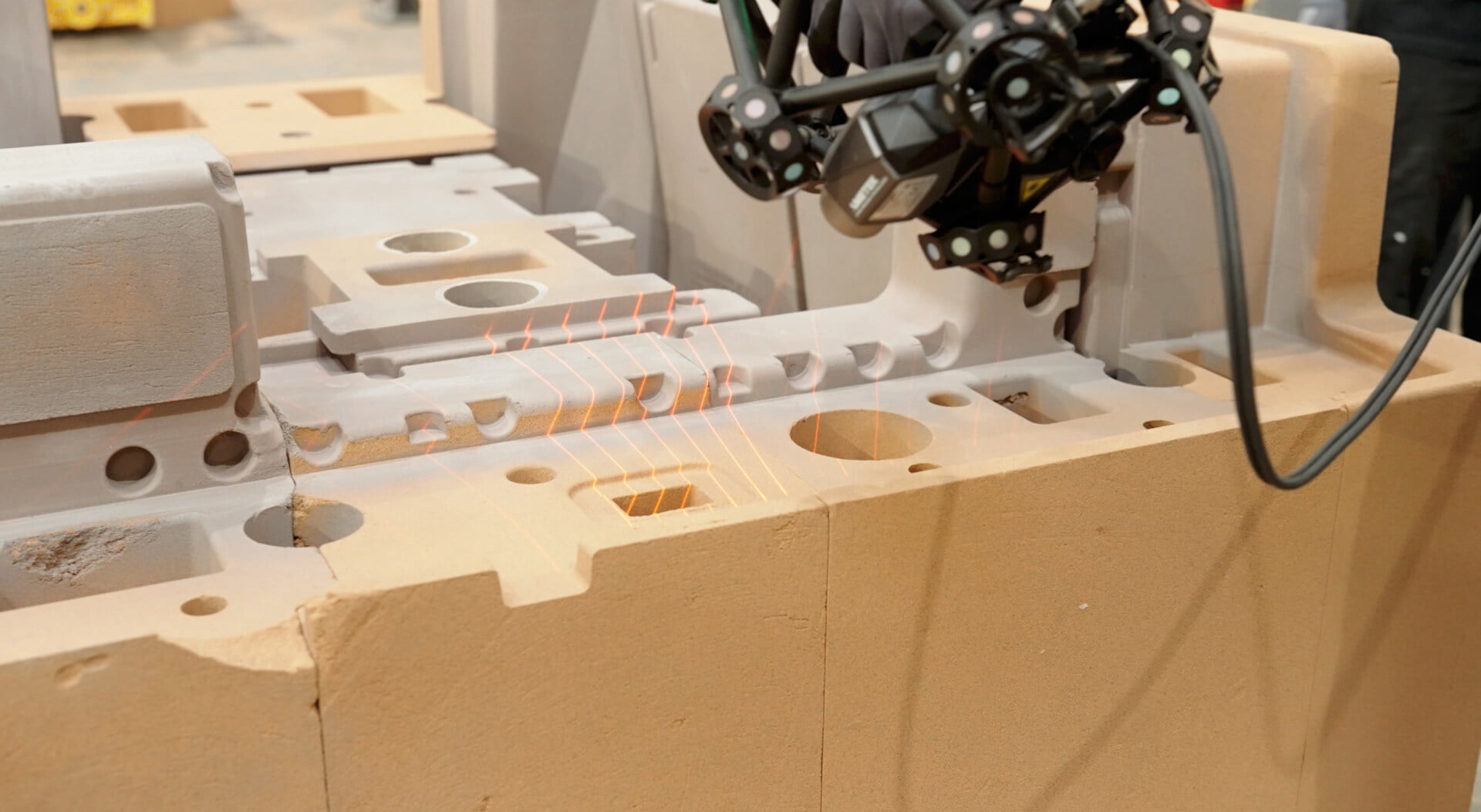
Video gives commercial teams a way to make that connection visible. A sequence can follow material through a facility, show how operators control critical steps and capture the checks that protect the final result. The story becomes more specific without becoming overloaded with jargon. This is especially useful when the buyer is not the technical specialist but still needs confidence before approving a meeting, trial or tender.
Give sales conversations stronger evidence
Sales teams are often asked to prove claims that are difficult to demonstrate remotely. Statements such as “we can scale”, “we have robust quality systems” or “our process is repeatable” become more credible when the viewer can see the environment and the behaviours that support them. The footage does not replace a technical discussion; it gives that discussion a shared reference point.
A focused film can also help salespeople tailor the story for different audiences. One cut might emphasise engineering detail, another might focus on responsiveness and customer service, while short extracts can introduce a production line or a specialist capability during outreach. This makes the content useful throughout the buying journey rather than only on a company profile page. It builds on the same principle explored in explaining value beyond the spec sheet: show the consequence of capability, not just the feature.
Support tenders, partnerships and site visits
Commercial growth rarely depends on one audience. A manufacturer may need to reassure a prospective customer, help a partner understand its role in a supply chain and give a procurement team confidence that a site visit will be worthwhile. A well-structured video can provide a consistent introduction before those conversations begin.
That consistency matters when several stakeholders are involved. People can share the same film internally, revisit a process before a meeting and arrive with more useful questions. It also gives a smaller or less familiar manufacturer a professional way to present its operation alongside larger competitors. The strongest films are specific enough to feel credible and clear enough for a non-specialist to follow.
Turn operational detail into a trusted brand story
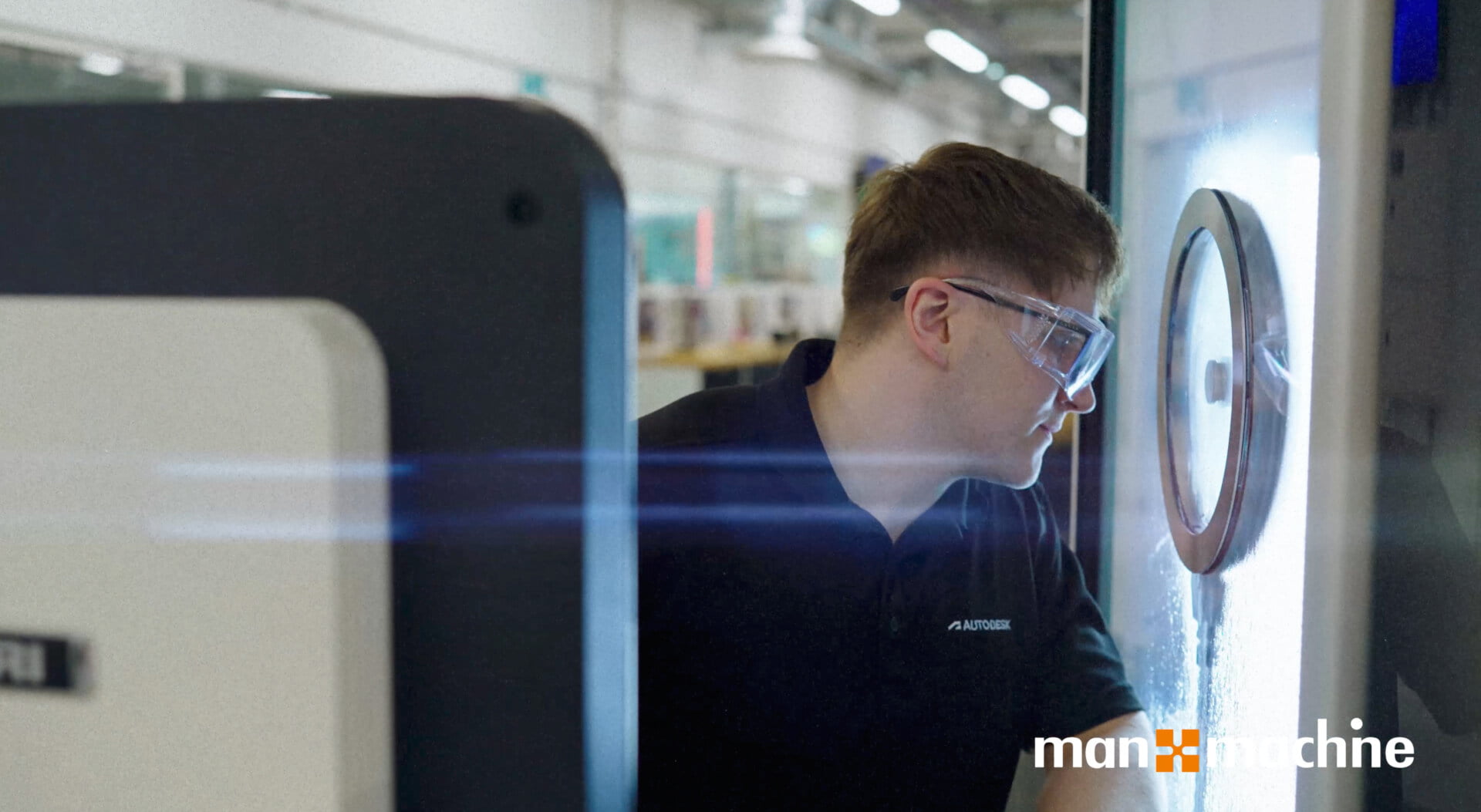
Trust is built through evidence, but it is also shaped by how that evidence is presented. The pace of a production line, the care taken during inspection and the calm coordination between teams all communicate something about the organisation. Filming these details with restraint can make a brand feel more capable and more human at the same time.
This is why commercial video should be planned around a real business question rather than a list of shots. If the objective is to win higher-value enquiries, the story might focus on decision-making, traceability and collaboration. If the goal is to open a new market, the film may need to connect technical performance with the customer outcome. The approach should be as deliberate as the operation it represents, much like a process-led production built around buyer trust.
Plan the content for measurable commercial use
Before filming, decide where the finished content will work hardest. It may sit on a capability page, support a sales sequence, open a tender presentation or help a team prepare for a customer visit. These uses should shape the questions, locations and people included on the day. Planning for multiple formats also makes it easier to create a main film alongside shorter clips for campaigns and social channels.
Success can then be judged by useful signals rather than views alone. Look at whether the video helps generate better enquiries, improves engagement with a capability page, supports tender progression or reduces the time salespeople spend explaining basic process information. A strong commercial asset earns its place by helping people make a confident next decision.
For manufacturers, the opportunity is straightforward: the factory already contains the evidence. The role of professional video is to organise that evidence into a clear, credible story that customers can understand and remember. When technical proof is made visible, commercial teams have a stronger foundation for growth.
For a broader view of how this approach works from planning through delivery, see this guide to manufacturing video production.