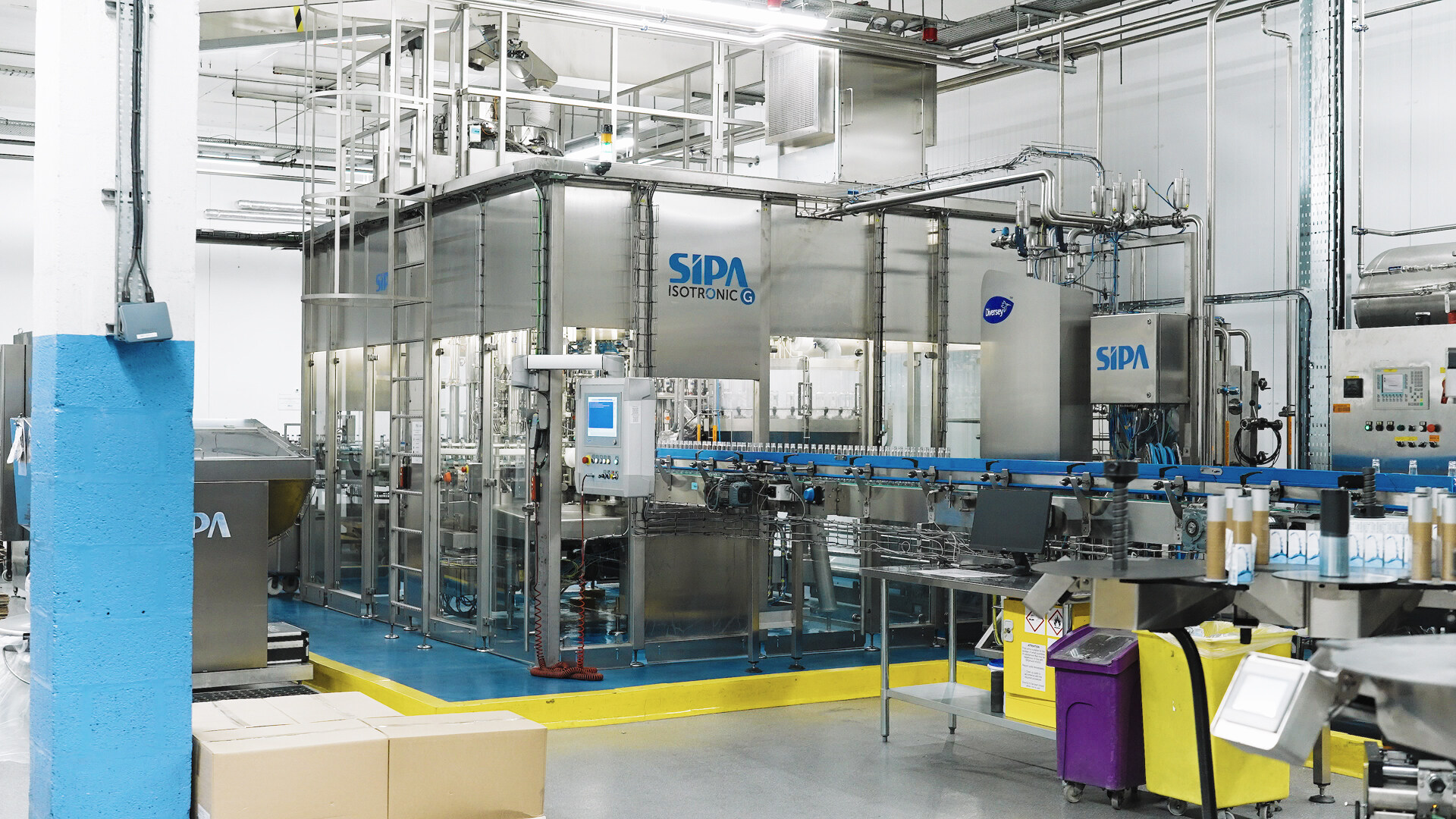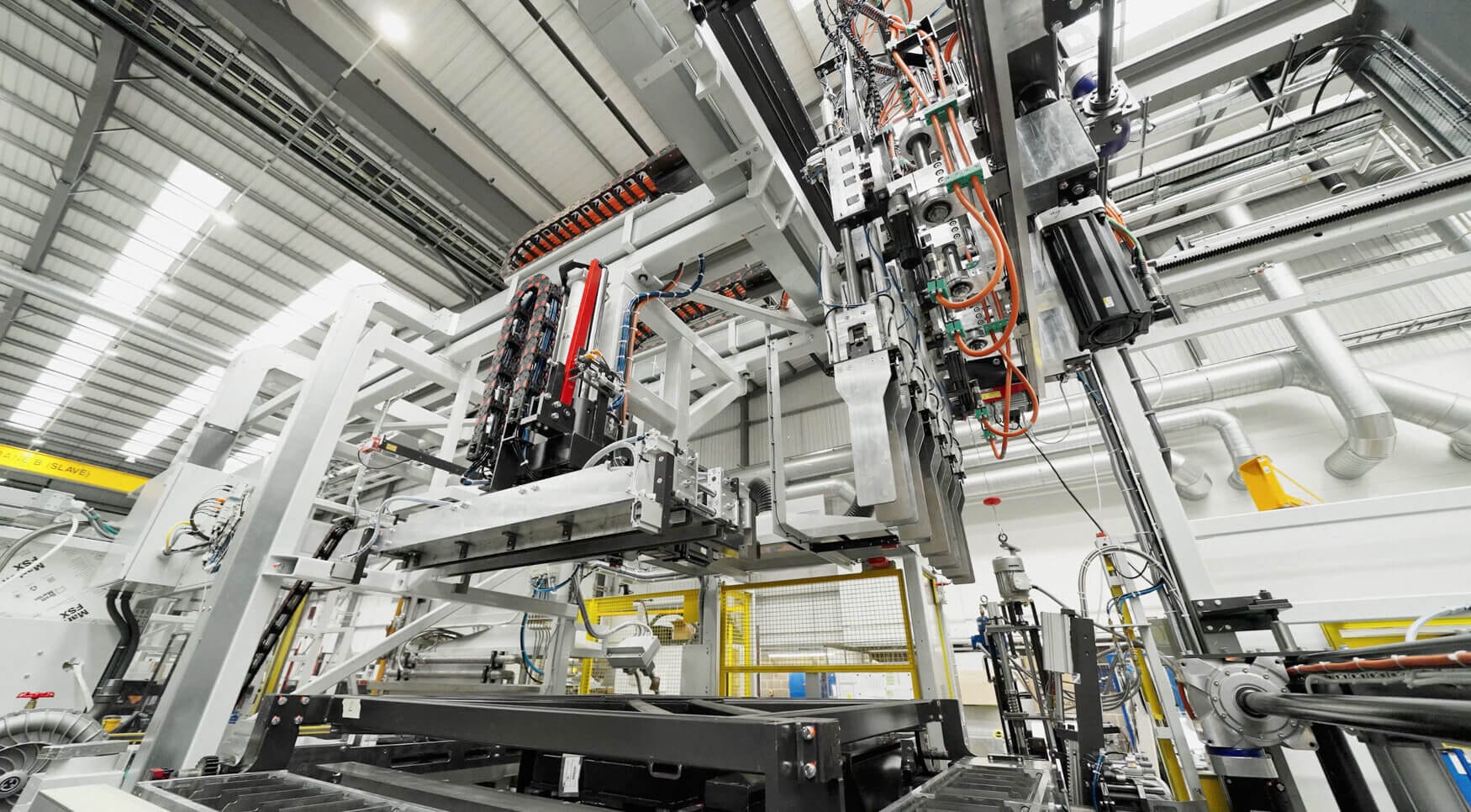
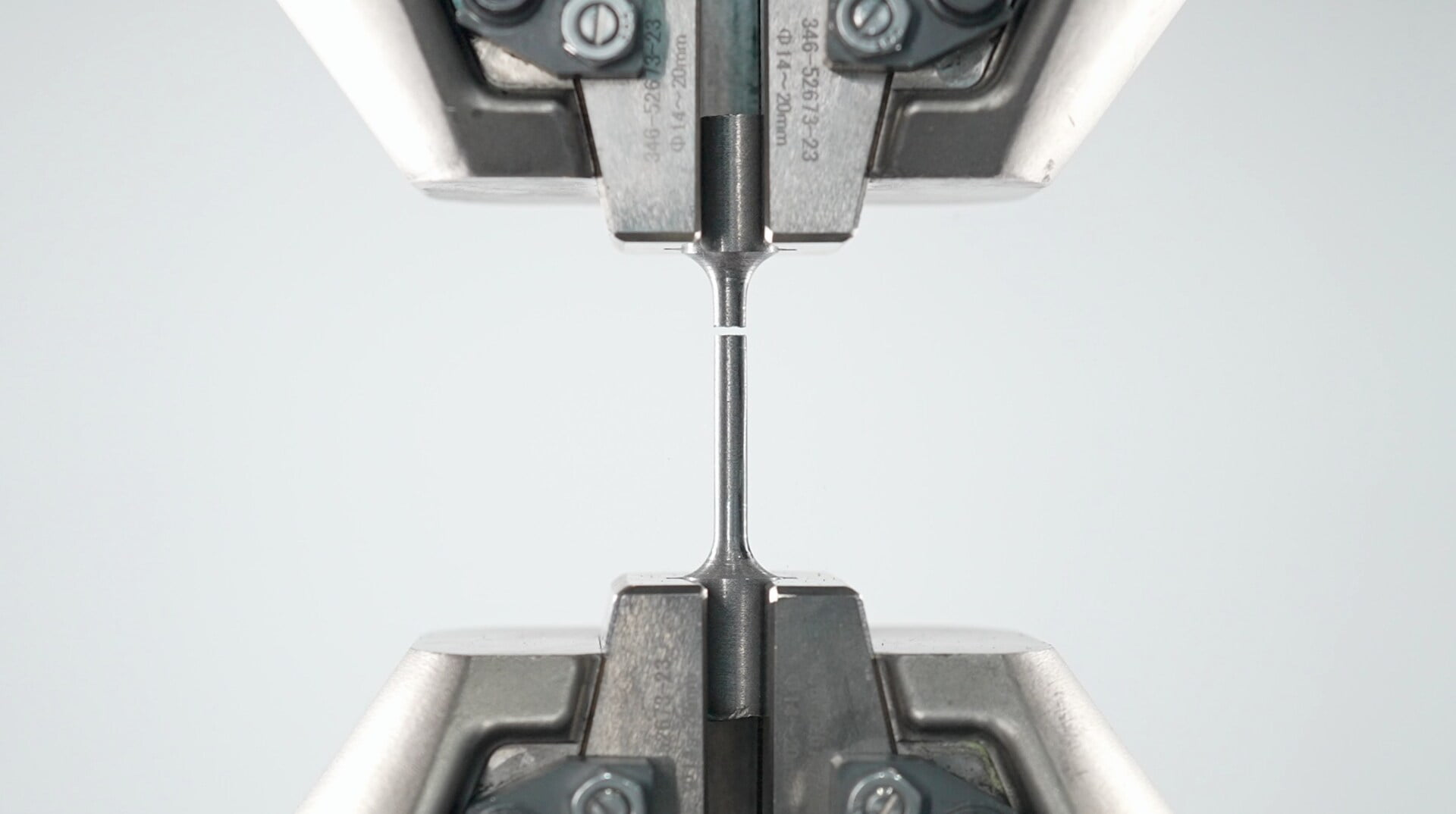
Manufacturing capability is often described through specifications, capacity figures and delivery promises. Those details matter, but they rarely show how work actually moves through a facility. A supply chain leader deciding whether a partner can support a demanding programme needs to understand the people, processes and controls behind the numbers. That is where a well-planned manufacturing video can make an important difference.
Video turns an abstract promise into something stakeholders can examine together. It can show how materials are received, how information is passed between teams, where checks happen and how exceptions are handled. When the story is built around the questions supply chain teams genuinely ask, the finished film becomes useful evidence rather than a polished tour with no commercial purpose.
Make the real operating model visible
A factory can be highly capable while still being difficult for an outside audience to understand. A website may mention multiple production lines, specialist equipment and experienced operators, yet leave a prospective customer unsure about the sequence connecting those elements. Video gives each part a place in a clear operational story.
The strongest films do not simply collect attractive shots of machinery. They establish a logical route through the site. The audience can see incoming materials, preparation, production, inspection, storage and dispatch as connected stages. Cutaways can explain the systems that keep those stages aligned, while carefully chosen interviews add the judgement and experience that a process map cannot capture.
This is especially valuable when a manufacturer supports several product families or serves customers with different requirements. A supply chain audience does not need every detail on screen, but it does need confidence that the business understands variation and can control it. Showing how teams plan, prioritise and respond to change makes that confidence easier to earn.
Show control without making the story feel complicated
Predictability does not mean pretending that manufacturing is frictionless. Delays, quality questions, maintenance events and changing demand are part of real operations. A credible manufacturing video can acknowledge that reality while showing the routines used to manage it. That honesty often carries more weight than a sequence of claims about reliability.
For example, a film might show how production information is reviewed at the start of a shift, how quality checks are recorded, or how a non-conformance is isolated before it affects the wider schedule. It can introduce the roles responsible for decisions and make clear where escalation happens. These moments help viewers understand that performance depends on repeatable habits, not luck or individual heroics.
That approach also supports internal alignment. The same film can help commercial teams explain the operation, give procurement colleagues a grounded reference point and help new customers understand what they can expect during onboarding. For a deeper look at making factory information useful to decision-makers, turning factory data into better decisions is a natural next step.
Connect supply chain confidence to customer experience
Supply chain performance is ultimately experienced by customers. They notice whether updates are timely, whether specifications are understood and whether commitments remain credible when conditions change. A manufacturing film should therefore connect internal process strength to the outcomes customers care about: dependable handovers, clear communication, consistent quality and a sensible response when priorities move.
That connection can be made through a combination of process footage and human detail. A shot of a controlled inspection is stronger when the narration explains what it protects. A warehouse sequence becomes more meaningful when it shows how identification and traceability support the customer’s next step. The goal is not to overload the audience with technical language, but to give each visual a reason to matter.
It is also worth considering the different ways the film will be used. A concise version may support a first conversation, while longer sections can help during supplier reviews, site visits or onboarding. Planning those uses before filming encourages a modular structure and creates more value from the same production day. The principles explored in reducing specification risk before supplier approval are closely related: clear visual evidence helps teams ask better questions earlier.
Build a film that keeps working after launch
A useful manufacturing video should be designed for longevity. Avoiding unsupported claims, temporary references and unnecessarily narrow campaign language makes the film easier to reuse. The production should also protect the details that change slowly: the operating philosophy, the standards teams follow and the reasons customers can trust the organisation to keep learning.
That does not mean making the film generic. Specificity comes from real locations, genuine processes and carefully selected examples. It comes from showing the decisions that make the operation dependable and letting knowledgeable people explain them in plain language. A focused creative treatment can make a complex facility feel understandable without reducing it to a slogan.
When supply chain teams can see how capability is organised, controlled and connected to customer outcomes, uncertainty begins to fall. Manufacturing video cannot replace due diligence, but it can make that due diligence more informed and more efficient. It gives prospective partners a shared visual reference, helps internal teams communicate with greater consistency and turns operational strength into something people can recognise before the first order is placed. For manufacturers looking to make broader process knowledge accessible, sharing design intent across the business offers another useful perspective.