Manufacturing buyers rarely make a decision on technical merit alone. Procurement, finance and operational stakeholders all need enough evidence to understand the supplier, the process and the likely business value. A well-planned manufacturing video can make that internal conversation clearer before a formal site visit or proposal review.
Give every stakeholder the same view of the process
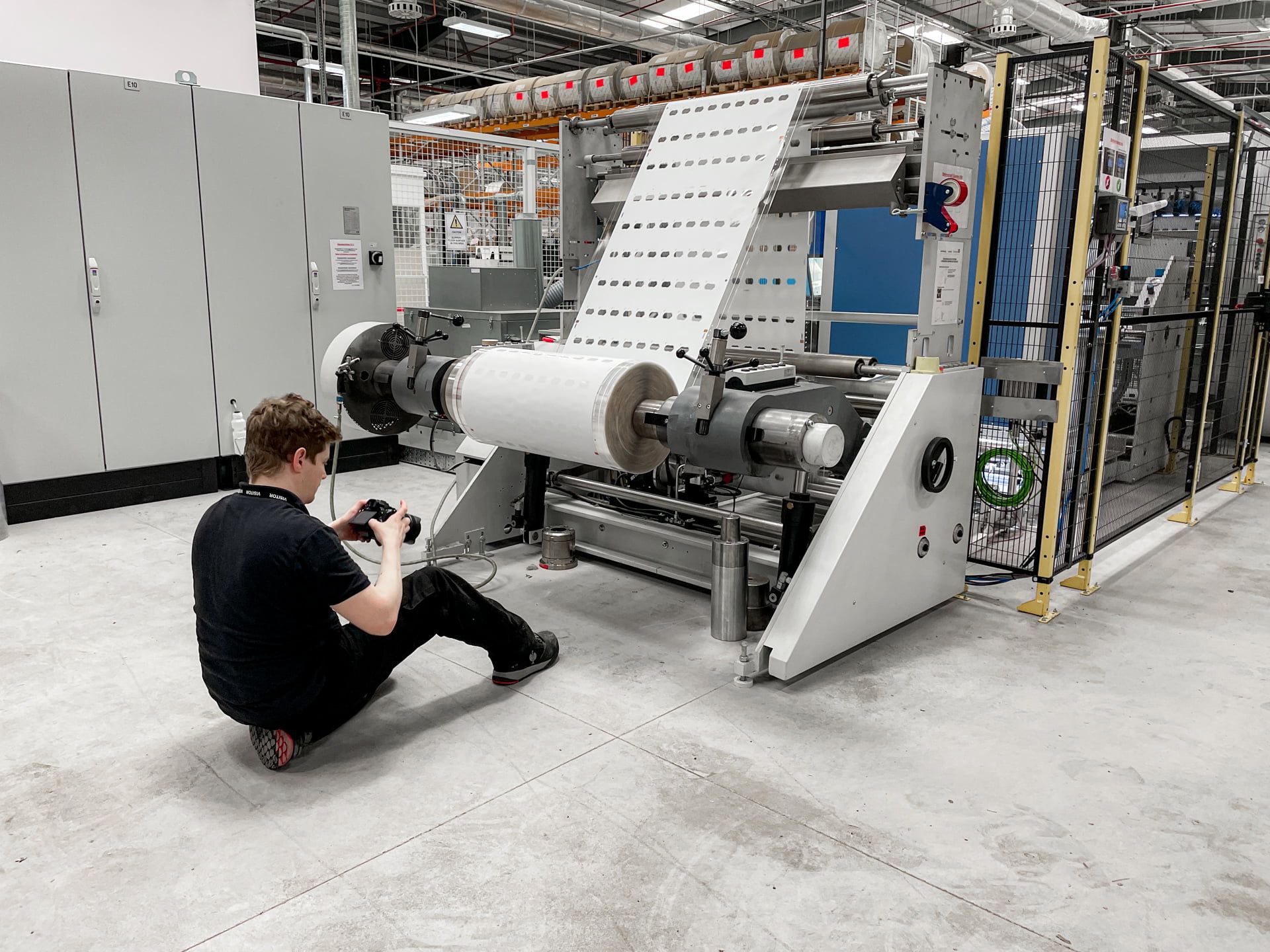
Procurement teams often have to translate specialist information for people who were not in the original supplier meeting. Clear footage of the factory floor, equipment, quality checks and finished output gives the wider buying group a shared reference point. That makes it easier to explain what is distinctive about a capability without relying on notes, memory or a long chain of forwarded emails.
This is especially useful when a project involves complex production stages. A concise process-led story can show how work moves from raw material to finished component, while supporting detail helps technical buyers compare suppliers faster. It also builds on the role of factory video for technical buyer comparisons by giving non-technical stakeholders enough context to participate in the decision.
Turn operational proof into commercial evidence
The strongest business case connects what viewers see with the questions they need answered: Can this supplier deliver consistently? Is the production environment suitably controlled? Does the team have the people, equipment and experience to manage the brief? Showing these details in a purposeful sequence helps an internal champion move the conversation from “this looks impressive” to “this reduces a specific project risk”.
That change in emphasis matters because manufacturing video should do more than display machinery. It should explain how capability supports the customer’s outcome. In practice, operational detail that creates sales confidence can give an account manager useful evidence for a proposal, a presentation or a follow-up call.
Help the buying group prepare better questions
Video can also improve the quality of the next conversation. When stakeholders can revisit a process before a meeting, they are more likely to arrive with focused questions about tolerances, lead times, quality assurance, capacity or implementation. That makes the sales process more productive for both sides and helps the supplier demonstrate expertise without overwhelming the audience.
A useful final check is whether the film answers the questions a buyer is likely to ask internally, not only whether it looks polished. Structuring the story around those questions follows the same principle as question-led manufacturing video: make the evidence easy to understand, easy to share and relevant to the decision in front of the viewer.
Plan the film around the decision
Before filming, identify who needs to approve the purchase and what evidence each person will need. Then build a short visual narrative around the production environment, the people behind the work and the proof points that make the capability credible. The result is a sales asset that helps procurement build alignment internally, shortens explanation time and gives the whole buying group more confidence in the next step.