Training in manufacturing has to do more than explain a procedure. It has to help people recognise the right standard, understand why it matters and apply it when the pace of production increases. That is difficult to achieve with a document alone, especially when a task depends on movement, timing, sound or small visual checks. A carefully planned manufacturing video gives training teams a repeatable way to show the work as it really happens.
This does not mean replacing experienced supervisors or hands-on coaching. Video works best as a practical layer around those people. It captures the detail that experts often demonstrate instinctively, gives new starters a chance to revisit a process and helps established teams refresh their knowledge without stopping a line for another full explanation. For manufacturers managing multiple shifts, sites or skill levels, that consistency can make training more useful and easier to maintain.
Show the standard, not just the finished result
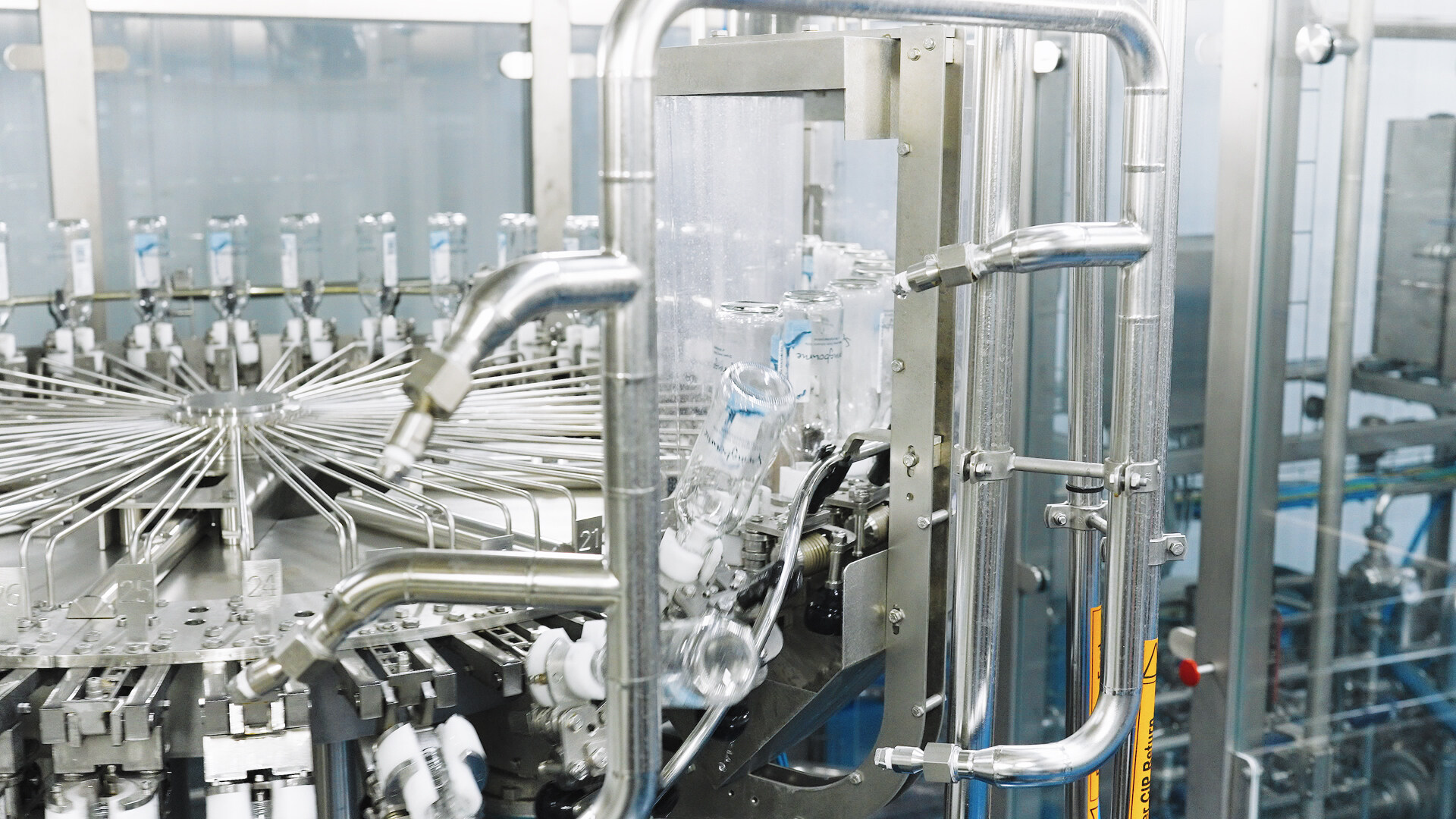
A finished component rarely tells a trainee how it was made correctly. The meaningful information is often found in the sequence: how a tool is positioned, where an operator checks a measurement, what a safe handover looks like and which signs indicate that a process is moving out of tolerance. A training film can stay close to those details, using clear framing and purposeful edits to show the decisions that sit behind a successful outcome.
That makes video particularly valuable for processes that are difficult to describe in words. A written instruction might say that a surface should be inspected under suitable light, but footage can show the angle, pace and visual cue that an experienced person uses. A voiceover can add context without covering the sound of the operation, while close-ups can make a small inspection point visible to someone who is learning away from the workstation.
The result is a more useful reference than a generic corporate film. The viewer sees the real environment, the real equipment and the real behaviours that support quality. When the content is planned around a defined learning objective, every shot can answer a question instead of simply making the factory look busy.
Make knowledge easier to share between shifts
Many manufacturers rely on a small number of highly experienced people to carry practical knowledge. They know the shortcuts that are safe, the warnings that deserve attention and the differences between a normal variation and a genuine problem. That expertise is valuable, but it becomes a risk if it can only be passed on through informal conversations or shadowing.
Video gives training teams a way to preserve those explanations in a form that can be used repeatedly. An experienced operator can describe what they look for while the camera shows the relevant action. New colleagues can watch before a supervised session, revisit a difficult section afterwards and arrive with more focused questions. This also helps trainers spend face-to-face time on judgement and feedback rather than repeating the same introduction.
It is a natural extension of a broader process-led approach to manufacturing video production. The same discipline used to make a process understandable to an external audience can make it clearer for the people inside the business. The difference is the outcome: training content should prioritise safe understanding and confident performance over brand storytelling.
Support safer onboarding without overwhelming new starters
Starting in a manufacturing environment can be demanding. A new employee may be learning unfamiliar terminology, personal protective equipment requirements, site routes, quality expectations and the rhythm of a live operation at the same time. Long classroom sessions can introduce important information, but they do not always make it easy to remember what matters at the point of action.
Short, focused videos can break that experience into manageable stages. One film might introduce a workstation and its hazards. Another can demonstrate a changeover sequence. A third can explain the checks that must happen before a part moves to the next stage. This structure lets the training team build a library that matches the order in which people need information, rather than forcing every learner through one lengthy recording.
Clarity matters more than production spectacle. Captions, simple language, deliberate camera positions and consistent terminology all help. Where a task carries a serious safety implication, the video should reinforce the formal procedure and supervised sign-off rather than present itself as permission to work independently. Used that way, it becomes a dependable preparation tool while responsibility remains with the organisation’s training and safety systems.
Keep refresher training aligned with real work
Training content can lose value when it becomes detached from the current process. Equipment changes, work instructions are updated and teams discover better ways to explain a recurring issue. A modular video library is easier to review than a single film that tries to cover every subject at once. Each section can have a clear owner, review date and connection to the relevant procedure.
Footage can also help managers identify where confusion begins. If trainees repeatedly pause at the same step or ask the same question, that may indicate that the instruction needs a clearer demonstration. The training team can then revise the relevant section instead of guessing which part of the overall programme is not working.
That feedback loop complements the use of video to make quality standards visible. When the expected method is shown consistently, discussions about variation become more specific. People can compare what they saw with what they were taught, and supervisors have a stronger starting point for coaching without turning every correction into a personal criticism.
Build a training library people will actually use
The best library is not necessarily the largest. It is organised around real moments in the employee journey: joining the business, learning a workstation, completing a critical check, responding to a deviation and refreshing knowledge after time away. Titles and thumbnails should make each purpose obvious, and the opening seconds should tell the viewer what they will learn.
It is also worth planning for different audiences. An operator may need a close demonstration of a task, while a team leader may need the reasoning behind an escalation route. A maintenance colleague may need access to a different level of detail again. One well-planned shoot can often produce several useful edits if the questions are agreed before filming begins.
When training video is treated as an operational asset, it earns its place long after the filming day. It helps experienced people share knowledge, gives new starters a clearer route into the work and supports safer conversations about quality and consistency. Most importantly, it turns invisible expertise into something a team can revisit, discuss and improve together.
For a wider view of how carefully observed footage can support manufacturing communication, see this guide to manufacturing video production.