Procurement decisions in manufacturing are rarely based on price alone. The real challenge is understanding whether a supplier can deliver the required quality, consistency and technical support when the work moves from a quotation into production. Specifications may be comprehensive, but they do not always make capability easy to judge. A well-planned manufacturing video can close that gap by showing how a business actually works, not simply describing what it claims to do.
That matters because procurement teams often carry the responsibility for making an evidence-based recommendation while relying on information gathered from different departments. A video can give technical, commercial and operational stakeholders a shared reference point. Instead of asking everyone to interpret a dense document in isolation, the team can see the facility, the process controls and the people responsible for delivery in one coherent story.
Show the evidence behind the specification
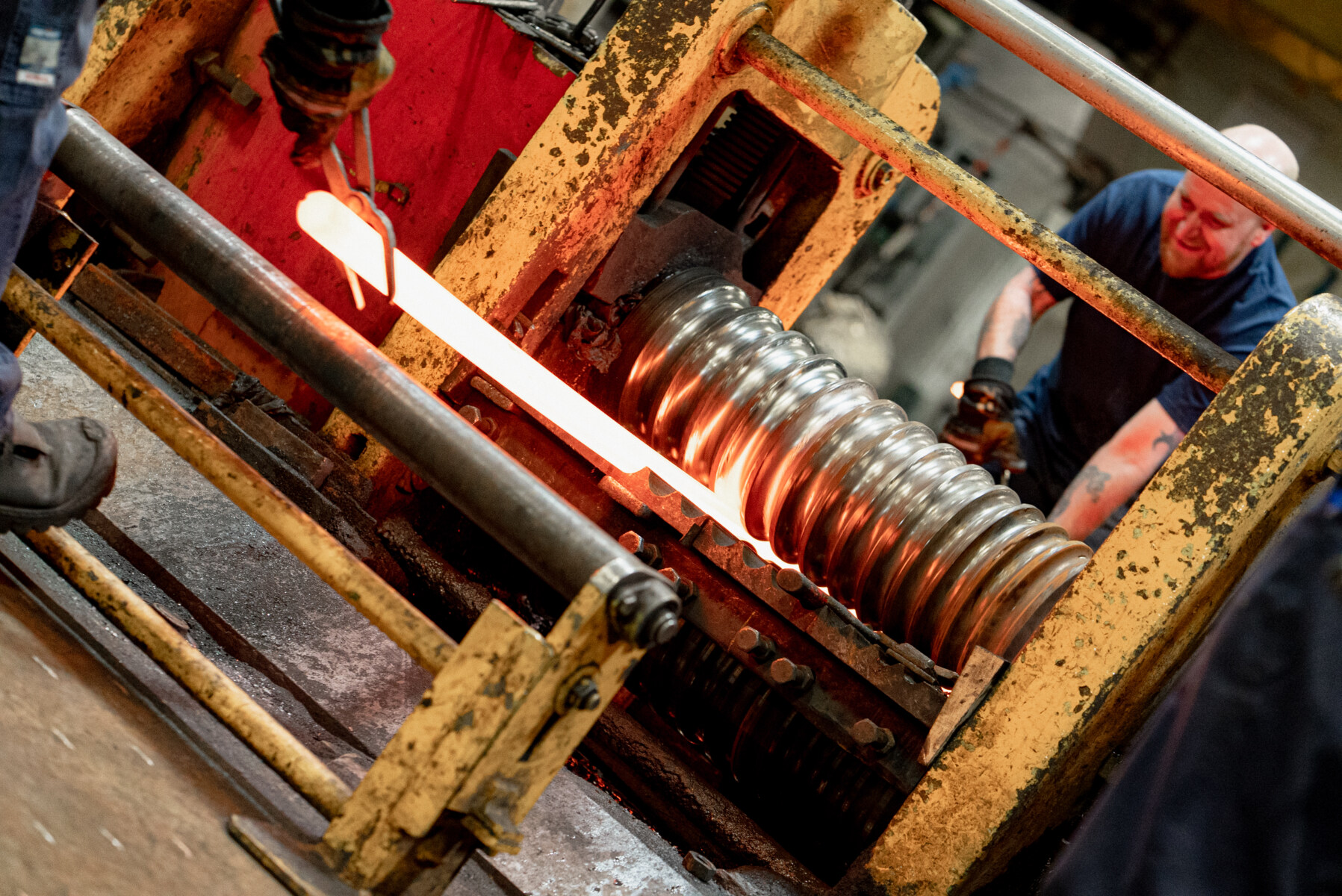
A written specification explains the target. It may list tolerances, materials, production volumes, inspection stages and documentation requirements. What it cannot easily convey is the discipline behind those details. Manufacturing video can show how raw materials move through the facility, where checks take place and how operators respond when a process requires attention.
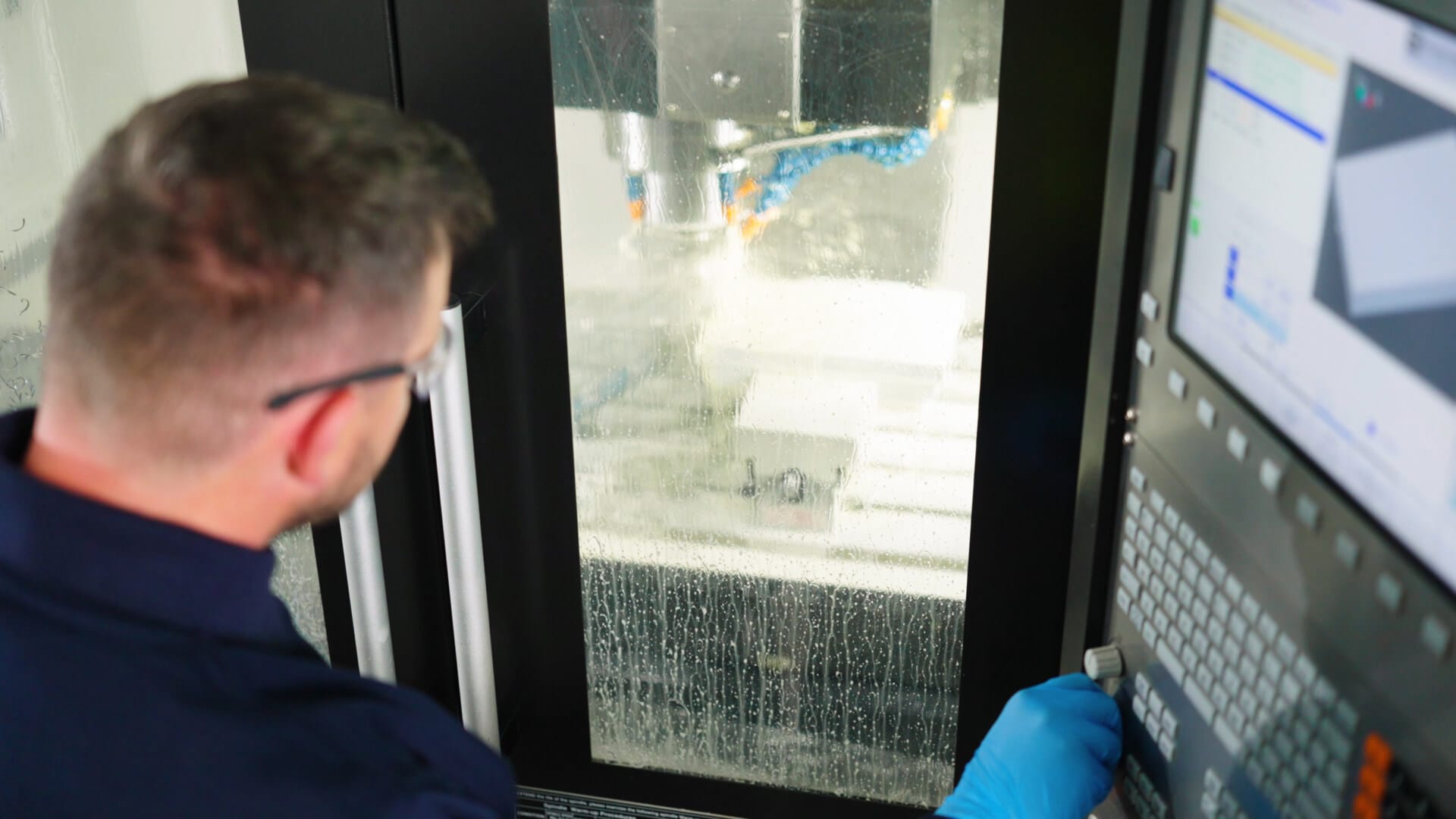
The strongest footage is specific rather than theatrical. Close views of measurement, tooling, traceability systems, clean working areas or controlled assembly can help procurement professionals understand how a supplier turns a promise into a repeatable result. Supporting interviews with engineering or quality staff add useful context, particularly when the process involves specialist knowledge that would be difficult to summarise in a tender response.
This visual evidence also helps procurement teams ask better questions. A sequence that shows a handover between production and inspection may reveal an important point about records or responsibility. Footage of a changeover may prompt a discussion about flexibility and downtime. The video is not replacing due diligence; it is making the next stage of due diligence more informed.
Make capability easier to compare
Supplier comparison becomes difficult when every company presents its information in a different way. One may lead with machinery, another with certifications and another with customer service. Manufacturing video gives each supplier an opportunity to structure the story around the same practical questions: what is made, how is it controlled, where are the risks managed and who owns the outcome?
That structure is especially valuable when several people are involved in the decision. A technical reviewer may focus on process capability, while a finance colleague looks at scale and a project lead considers communication. A concise, well-edited film can keep those perspectives connected. It can also help internal stakeholders revisit the same evidence after a meeting, rather than relying on partial notes or recollection.
For businesses selling into complex supply chains, this supports the wider commercial conversation. A video that demonstrates operational detail can sit alongside technical sales messaging without turning the procurement audience into a sales audience. The value comes from clarity: buyers can understand the capability before they commit time to a site visit or a deeper technical exchange.
Reduce uncertainty before production starts
Specification risk often appears in the space between what a buyer expects and what a supplier believes has been agreed. A manufacturing video can reduce that uncertainty by making assumptions visible early. It can show the actual working environment, explain process limitations and clarify which stages depend on specialist judgement.
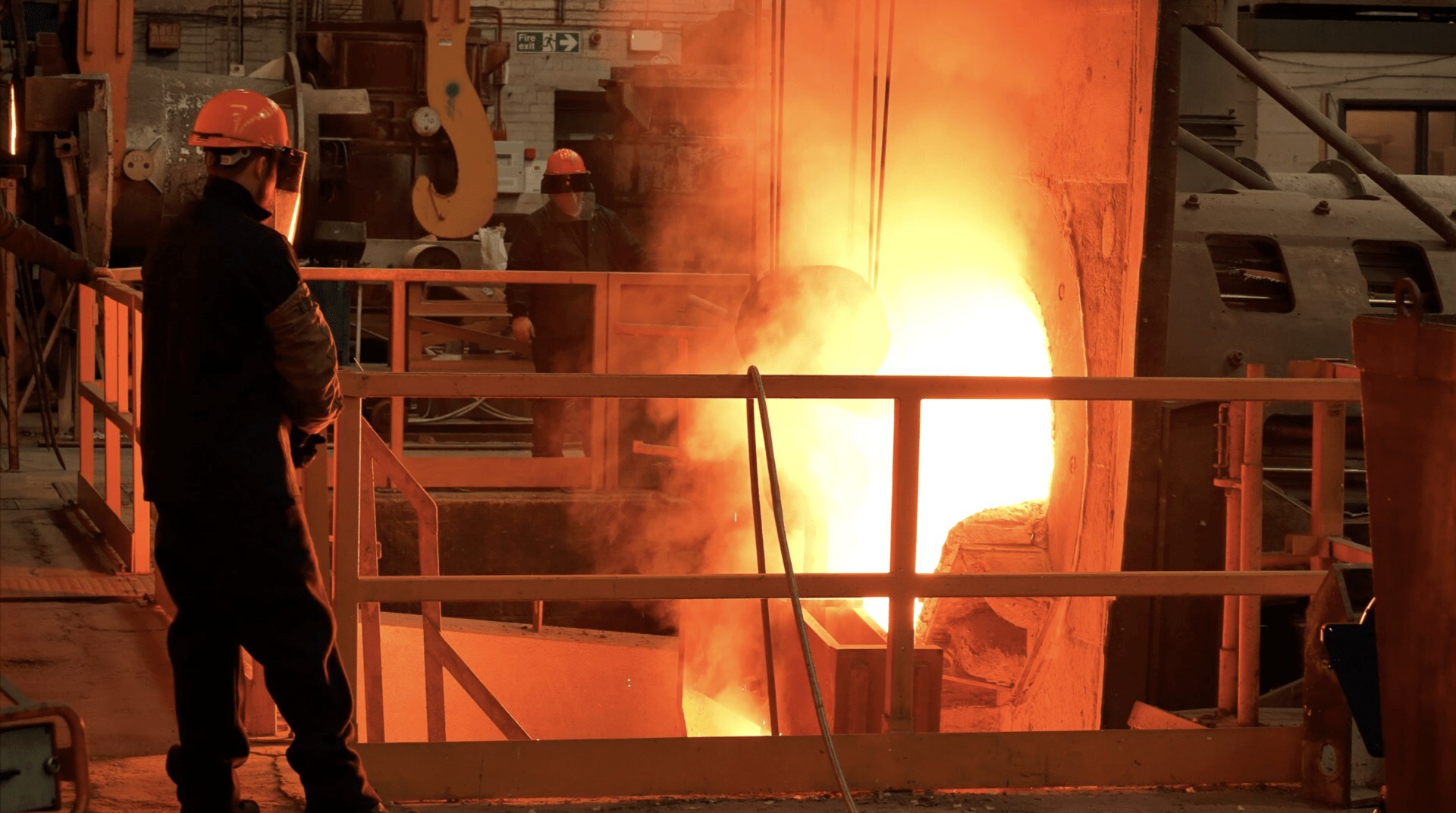
That transparency is useful when a project includes new materials, demanding tolerances or a transition from prototype to repeat production. It gives procurement and engineering teams a more realistic basis for discussing feasibility, lead times and escalation routes. When the film includes the people who will support the work, it also puts practical ownership around the process rather than presenting capability as an abstract corporate claim.
Operational credibility is strengthened when visual storytelling reflects the same care expected in production. Clear sequencing, accurate terminology and considered sound design matter because the audience is assessing attention to detail. This is also where footage of maintenance, inspection and problem-solving can be powerful. Showing how a team protects continuity adds depth to a capability story and complements work on maintenance-led decision making.
Build a reusable procurement asset
A single film can support more than one tender or buying conversation when it is planned around durable evidence. Process overview footage, short interviews and carefully selected detail shots can be edited into a main capability film, shorter clips for specific sectors and focused sequences for technical presentations. That makes the original production more useful over time without requiring the company to stage the same explanation repeatedly.
The best approach is to plan the shoot around the questions buyers regularly ask. Capture the flow of work, the controls that protect quality and the moments where experienced people make a difference. Include enough context for a new viewer to follow the process, but avoid turning the film into a catalogue of every machine or department.
For procurement teams, the outcome is a clearer route from specification to confidence. For manufacturers, it is an opportunity to demonstrate the habits and systems behind their capacity. When the visual story is grounded in real evidence, it can help a supplier enter the conversation with less explanation and help a buyer move forward with fewer unanswered questions. It can even make supplier comparison more efficient by giving everyone a reliable view of what delivery looks like in practice.