For industrial buyers, confidence starts long before a visit to the factory. They are trying to understand whether a supplier can deliver consistent quality, manage complexity and communicate clearly. A well-planned manufacturing video gives them useful evidence: how work moves through the operation, where people add expertise and what controls protect the finished result.
Show the proof behind the promise
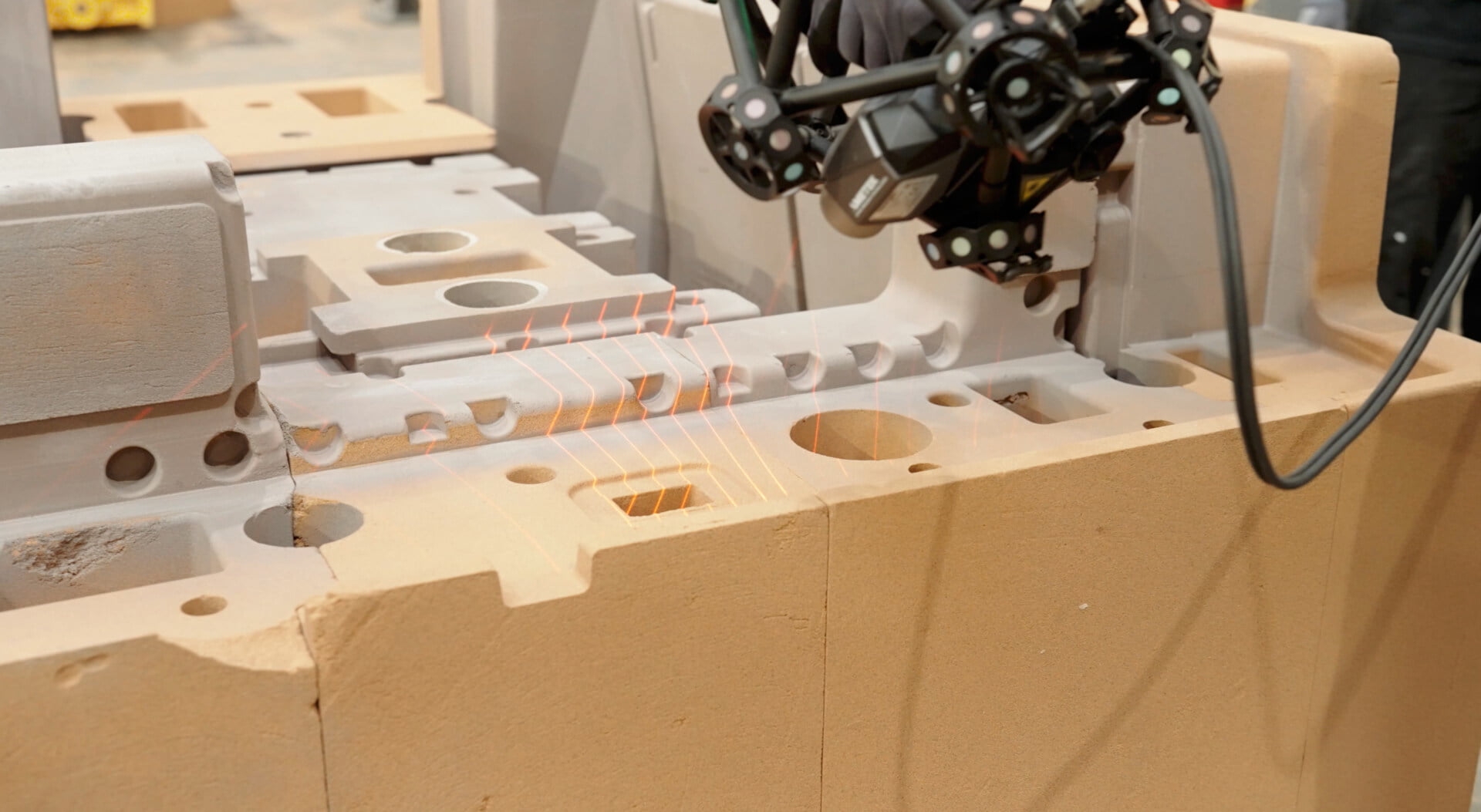
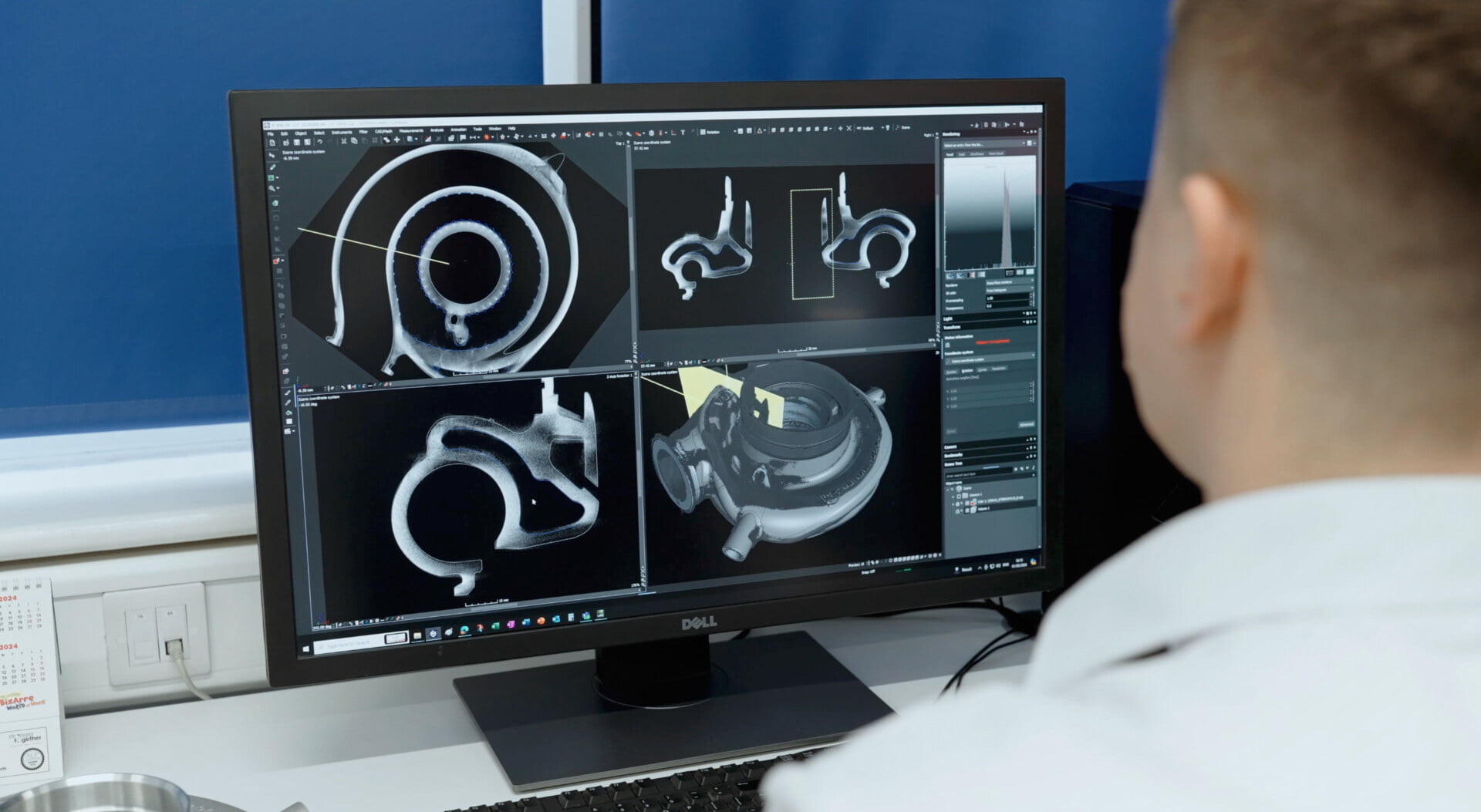
Capability claims become more credible when buyers can see the process that supports them. Film can make quality checks, specialist equipment and experienced teams easier to understand without flattening the work into a generic showreel. The most effective approach is process-led manufacturing video production: it follows the route from material or component to completed product, and lets the viewer connect the steps with the outcome.
This matters especially when the buying team is comparing technically similar suppliers. A short sequence showing inspection, setup or hand-finishing can answer practical questions that a brochure leaves open. It also gives sales teams a clear, repeatable way to introduce the operation to people who may not be able to visit in person.
Make complex work easy to follow
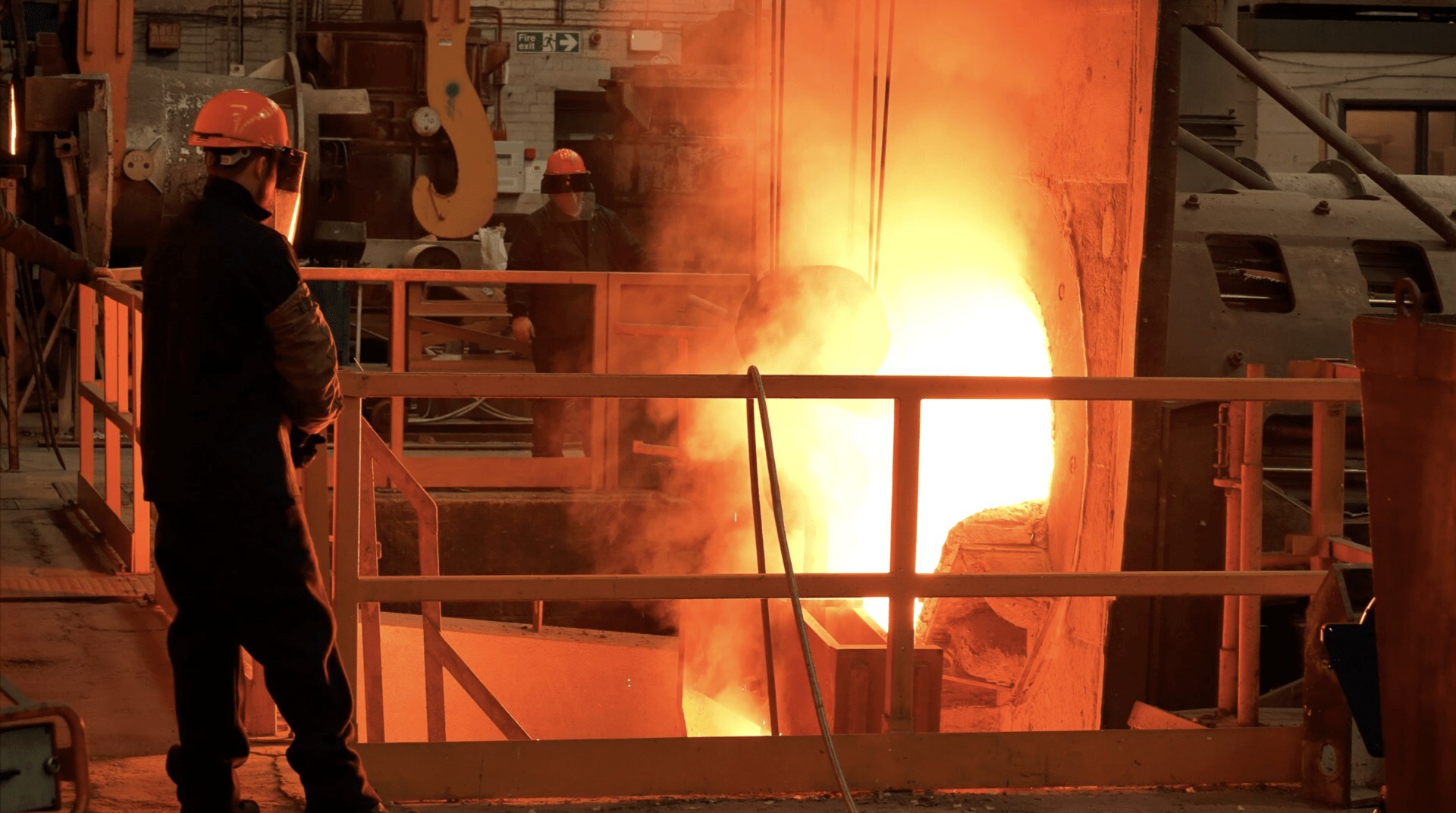
Factories are busy, noisy environments, and a camera should bring order rather than add distraction. Start by deciding what the audience needs to understand, then plan the shots around that story. Our guide, from factory floor to final frame, explains how that preparation turns day-to-day production into a clear narrative.
It is rarely necessary to explain every machine or stage. The stronger choice is to focus on the moments that demonstrate skill, scale, traceability or care. Close-up detail establishes precision; wider shots place the process in context; and short interviews give the people running the operation a chance to explain why their standards matter.
Give buyers a reason to keep exploring
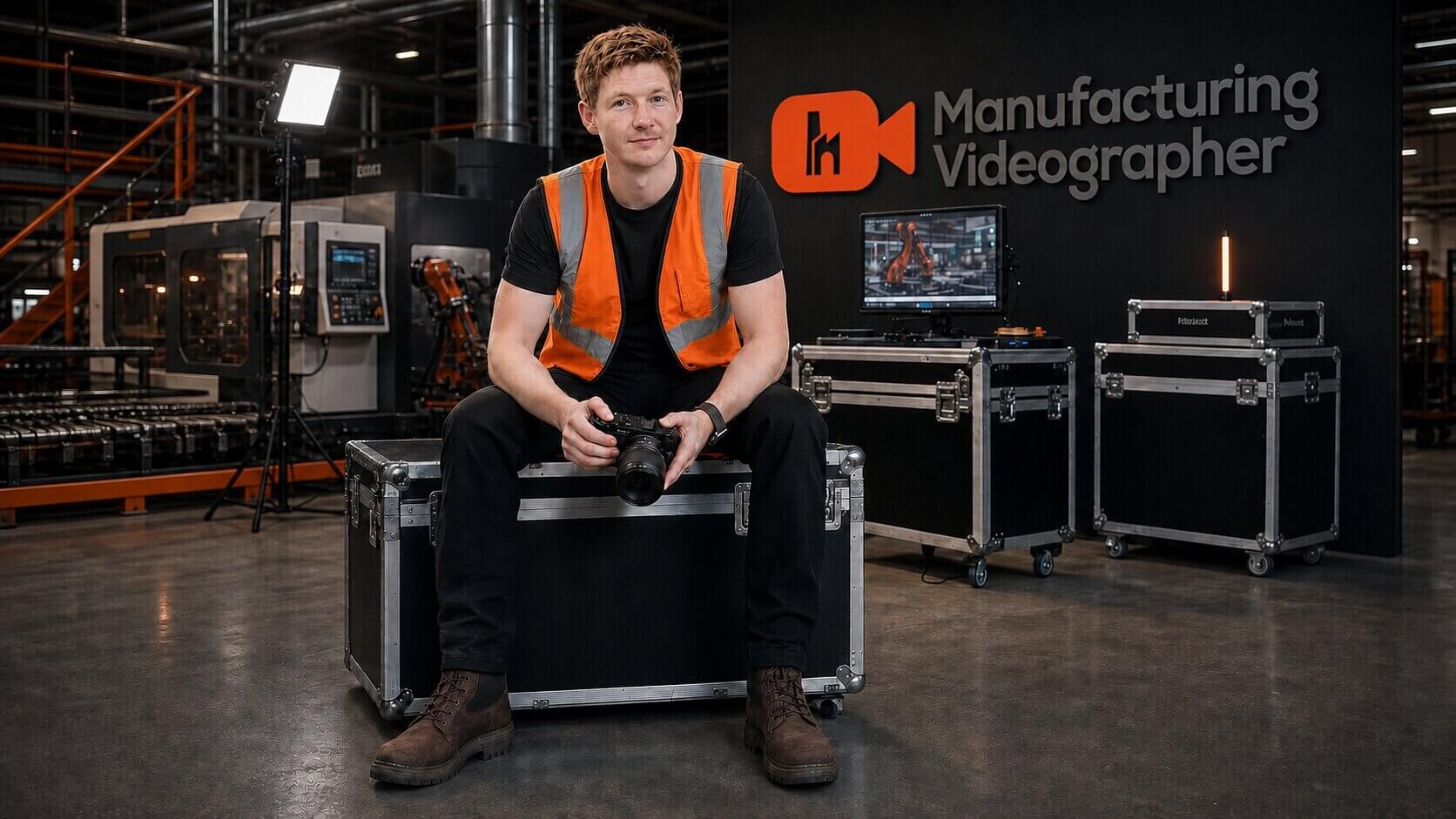
A manufacturing film should work as a useful first encounter, not a substitute for every conversation. It can sit on a website, support a proposal or help a sales team open a meeting with something tangible. Crucially, it gives a prospective customer a feel for the people behind the brand. As a manufacturing videographer, I look for those specific details that make an operation recognisable: the rhythm of the factory floor, the knowledge in the team and the decisions that protect quality.
When the film is built around real proof rather than broad claims, buyers arrive better informed and more ready to talk. That is valuable for manufacturers selling complex work, where trust is earned through the process as much as the final product.
If you are planning a film for your operation, begin with the questions customers ask most often. Those questions are usually the clearest route to a story worth showing.