In manufacturing, a shift handover is more than a change of names on a rota. It is the moment when knowledge about a live process, a difficult adjustment, or a developing issue has to move from one team to another without losing its meaning. When that knowledge is passed quickly or inconsistently, small gaps can become downtime, rework, quality variation, or avoidable safety pressure.
Manufacturing video can make those handovers clearer by showing the context that written notes often leave out. A well-planned film captures the sequence of work, the visual checks operators make, the points where judgement matters, and the language experienced people use to describe a stable process. It does not replace the shift leader or the approved procedure. It gives both a stronger shared reference.
Why Shift Knowledge Is Easy to Lose
Important operational knowledge is often distributed across several places. One part may sit in a standard operating procedure, another in a maintenance log, and another in the memory of an operator who has learned how a machine behaves after years of experience. During a busy handover, people naturally focus on what is urgent. The details that explain why a decision was made can disappear, even when everyone is acting responsibly.
This is particularly difficult when a process has recently changed. A new material, tooling adjustment, inspection step, or production target may be familiar to the outgoing team but still unfamiliar to the incoming one. A concise visual record can show what “good” looks like, where attention should be concentrated, and which observations deserve escalation. That shared picture reduces the amount of interpretation required at the start of a shift.
What a Useful Handover Video Should Show
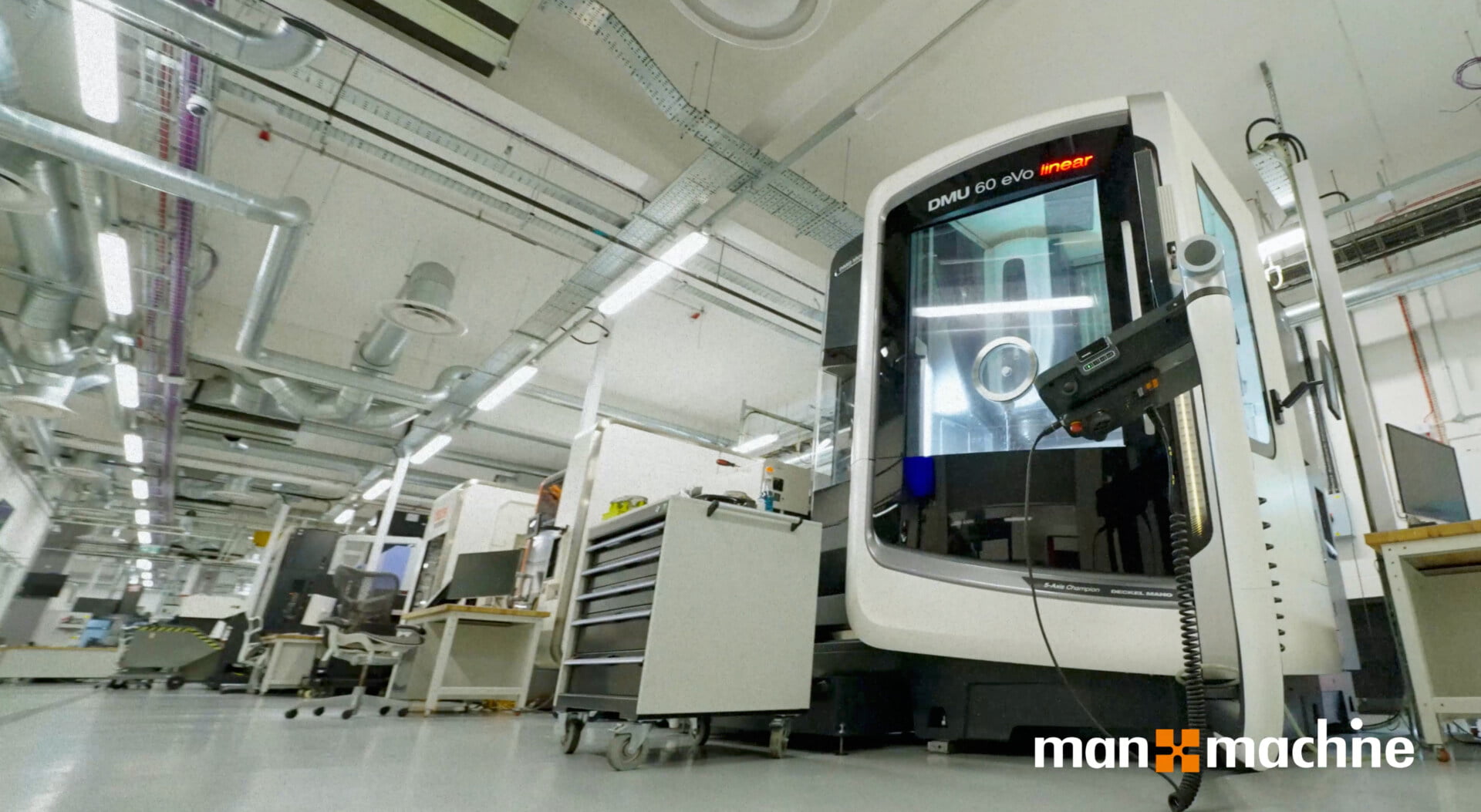
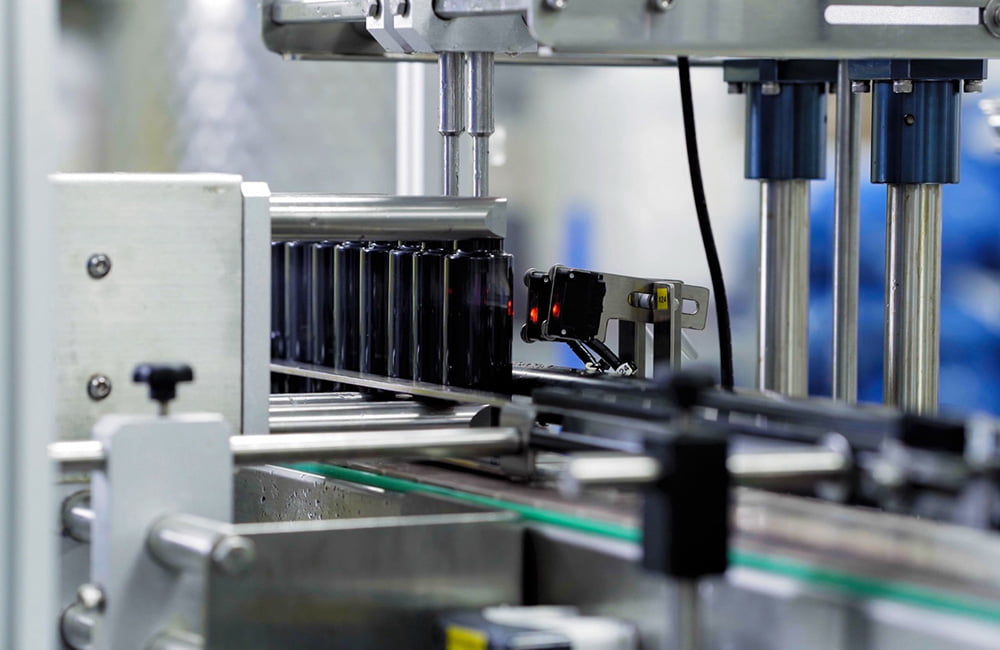
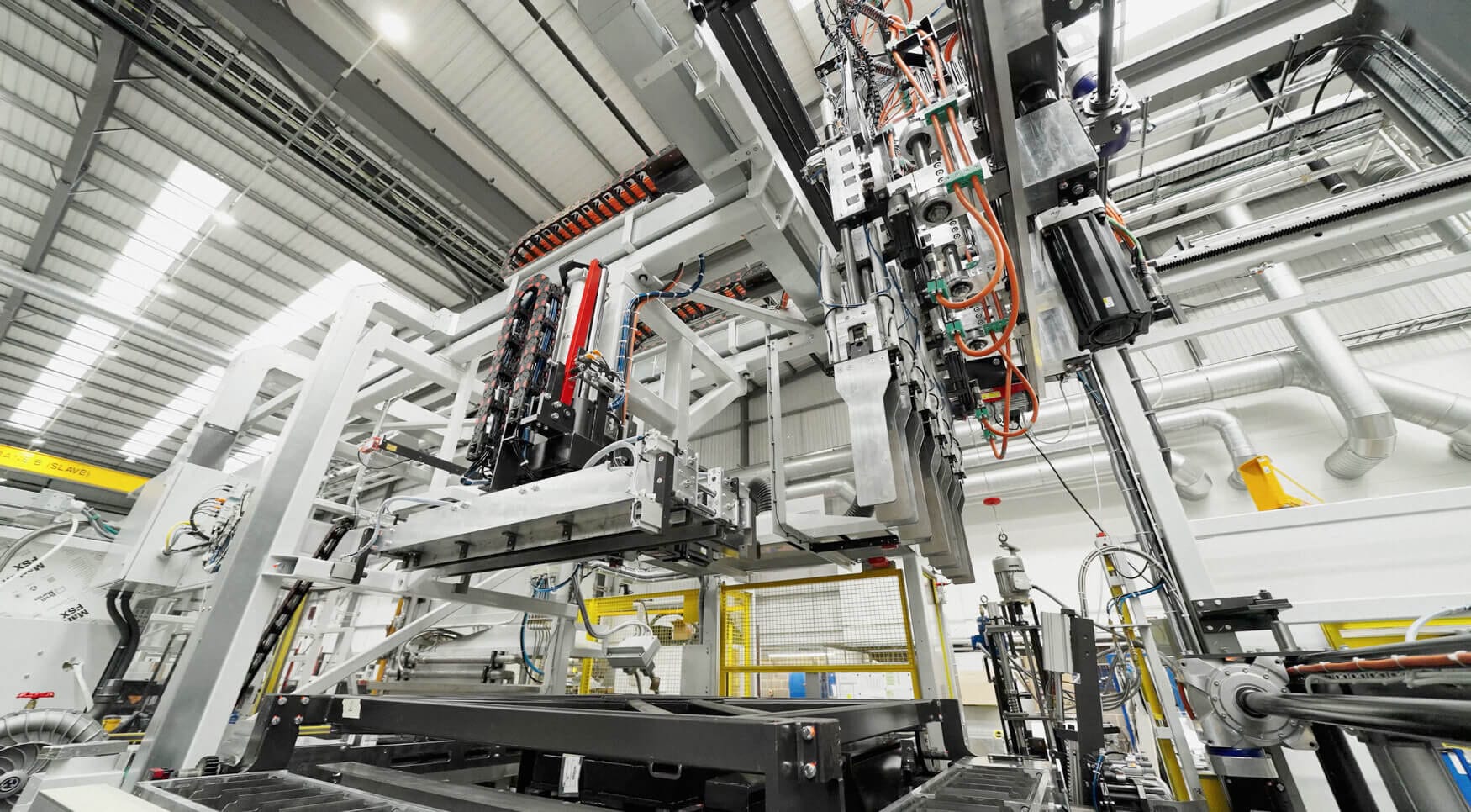
The strongest handover films are built around decisions rather than decoration. They show the practical route through a task: how the line is prepared, what the operator checks before starting, how a normal cycle sounds and looks, and which readings or surface details indicate that something has changed. Close-up shots can make a gauge, fixture, finish, or control interaction easy to recognise, while wider views explain how the task fits into the surrounding cell or production area.
It is also valuable to capture the reasoning behind a response. If an operator pauses a process, checks a component, or changes an order of actions, the film should make that choice understandable. This is where filming on the factory floor differs from collecting generic corporate footage. The camera needs to follow the work closely enough to preserve the small signals that experienced people use every day.
A handover video can support safer, more consistent training when it is paired with approved documentation and clear ownership. The video should identify the process or area it covers, explain its intended audience, and make clear when a supervisor, engineer, or quality colleague must be consulted. That makes it a dependable aid rather than an informal recording that becomes detached from the way work is actually controlled.
Planning the Film Around Real Operations
Good planning starts with the handover questions people genuinely ask. What changed during the previous shift? Which condition needs watching? What does an acceptable result look like? Where does a recurring problem first become visible? Answering those questions helps shape a short filming plan that follows the rhythm of the operation instead of forcing the team into a staged demonstration.
Production teams also need to plan around access, PPE, hygiene, restricted areas, noise, and the movement of people and materials. A shot list should leave room for natural working conditions while protecting safety and confidentiality. In some environments, the most useful sequence will be a carefully composed close-up; in others, the value comes from showing the whole flow from incoming material to inspection and dispatch.
That process-led approach is closely related to process-led manufacturing video production. The goal is not to make a routine appear glamorous. It is to make the logic of the routine visible, so that the viewer can understand what happens, why it matters, and where consistency is protected.
Making the Content Useful Across the Business
Although the original brief may be a shift handover, the finished footage can support several connected needs. Supervisors can use it when briefing new starters. Maintenance teams can refer to it when explaining the normal operating state before an intervention. Quality teams can use selected sections to reinforce inspection points, while improvement teams can review the sequence when discussing a change to layout, tooling, or standard work.
Short chapters make that reuse practical. Instead of one long film that is difficult to navigate, the edit can be divided into preparation, normal operation, checks, common deviations, escalation, and close-down. Simple on-screen labels, spoken explanations, or carefully chosen cutaways can help viewers find the part they need without weakening the overall story.
When a company is already using video to make operational detail clearer, it can also help technical teams align around one clear story. The same visual language can connect production, engineering, quality, and commercial conversations without pretending that each team has the same priorities.
A Practical Asset for Continuity
Shift handovers will always depend on people. Video works best when it strengthens that human exchange, not when it tries to automate judgement. By recording the details that are difficult to describe, a manufacturing film helps teams begin from the same understanding and spend more time on the decisions that need their experience.
For manufacturers, that creates a durable form of continuity. A well-made handover film can preserve know-how through staffing changes, support more consistent onboarding, and give improvement conversations a concrete visual starting point. When the content is planned around real questions and maintained alongside approved procedures, it becomes a working part of the operation rather than another asset waiting in a media library.