For an industrial buyer, the hardest part of choosing a supplier is often proving what happens behind the quotation. Specifications, accreditations and capacity figures matter, but they rarely show the care, repeatability and problem-solving that make a manufacturer dependable.
Turn capability into evidence
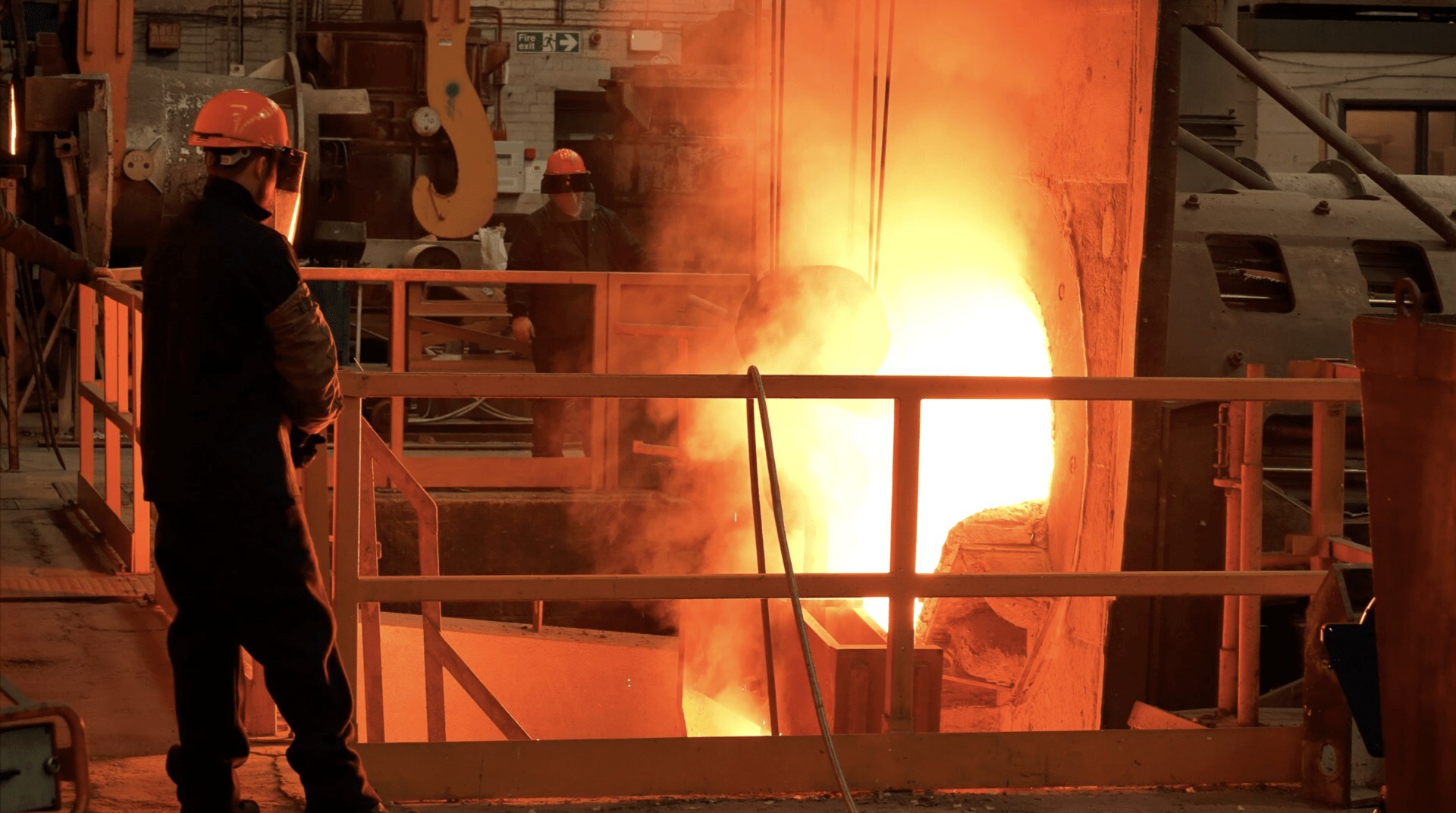
A well-planned factory process video makes complex work easier to assess. It can show the route from raw material to finished part, the checks that protect quality and the people who know when a process needs adjustment. That gives a buyer a practical sense of your operation before a meeting is booked.
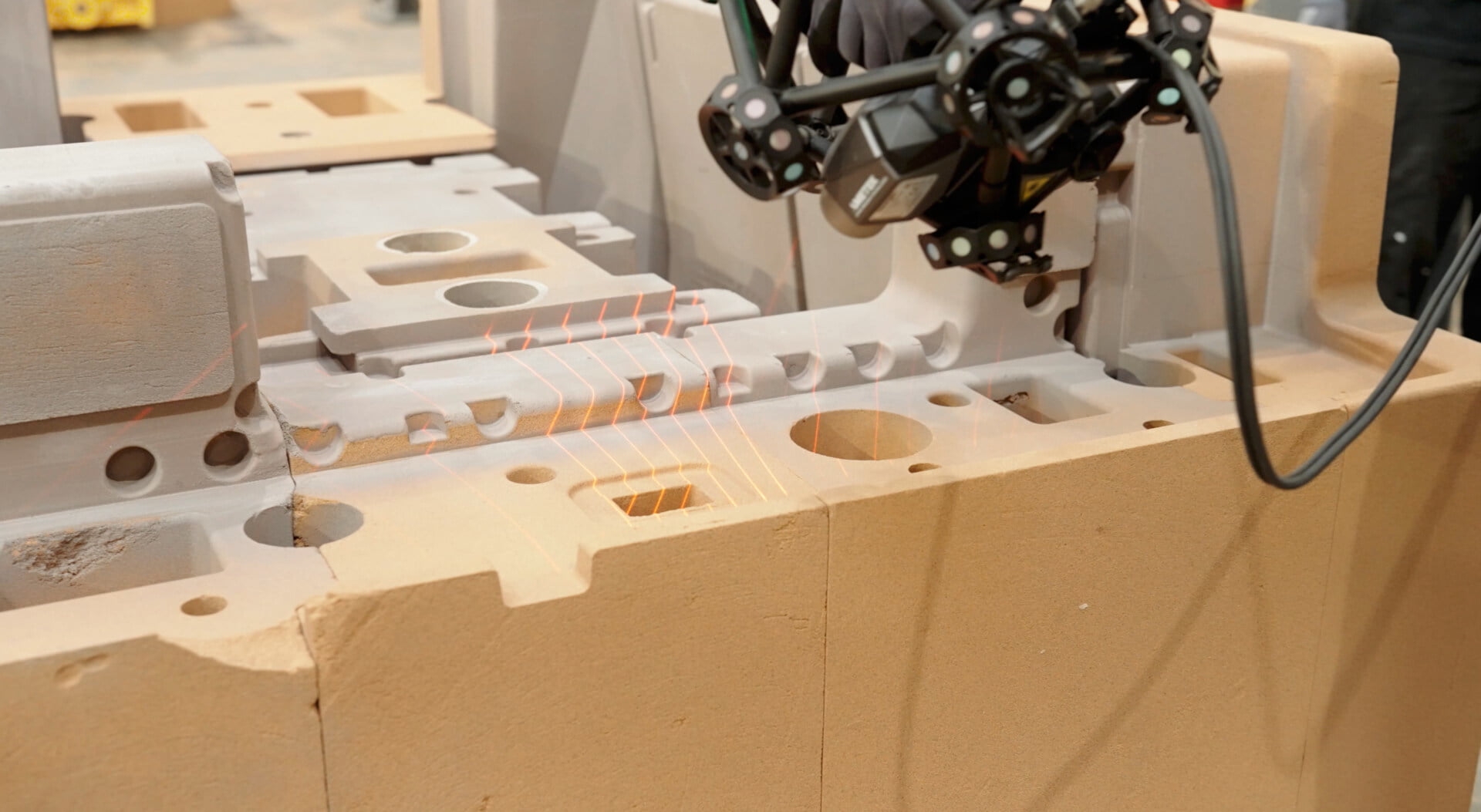
When the film is built around the questions customers genuinely ask, it can help buyers see quality before a site visit. Rather than relying on broad claims, show the details that make your process credible: clean handovers, measured inspection, specialist tooling and experienced operators.
Start with the buyer journey
Decide what a prospective customer needs to understand first. For one business, that may be scale and production flow. For another, it may be traceability, a difficult material, safe working practice or the knowledge held by a long-serving team. The strongest films follow the work in a logical order, so the viewer can connect each stage to the finished result.
This is why process-led manufacturing video production is more useful than a generic montage. It gives the sales team a film with a job to do: explain the operation clearly, reduce uncertainty and make the next conversation more productive.
Plan filming around the real operation
Good planning protects both the factory schedule and the final story. Before filming, identify the processes that best demonstrate your capability, the people who can explain them and any moments that cannot be repeated on demand. This lets the crew work efficiently while keeping safety, production priorities and confidentiality in view.
The route from factory floor to final frame should be shaped by the intended use of the film. A homepage piece needs a clear introduction; a sales presentation may need more detail; short social edits can focus on a single striking stage of production. Planning those versions early gives you a better return from one filming day.
Make the next step simple
A process video should leave the viewer with a clear understanding of what you do and why it matters. When it shows real work, real people and the standards behind the finished product, it becomes an asset that supports sales long after filming has finished.