Manufacturing businesses often have a powerful commercial story hiding in plain sight. It is present in the judgement of an experienced operator, the rhythm of a carefully controlled process, and the small decisions that keep quality consistent. The difficulty is that these details are easy to miss when they are explained only in a brochure or a short sales conversation. Manufacturing video can make that expertise visible, understandable and useful at the exact moment a prospective customer is deciding whether to move forward.
The strongest films are not simply records of machinery in motion. They are carefully structured explanations of how a business works, why its approach matters and what a buyer can expect from the relationship. That makes video valuable across the sales journey, from first awareness through technical evaluation and internal approval.
Show the decisions behind the process
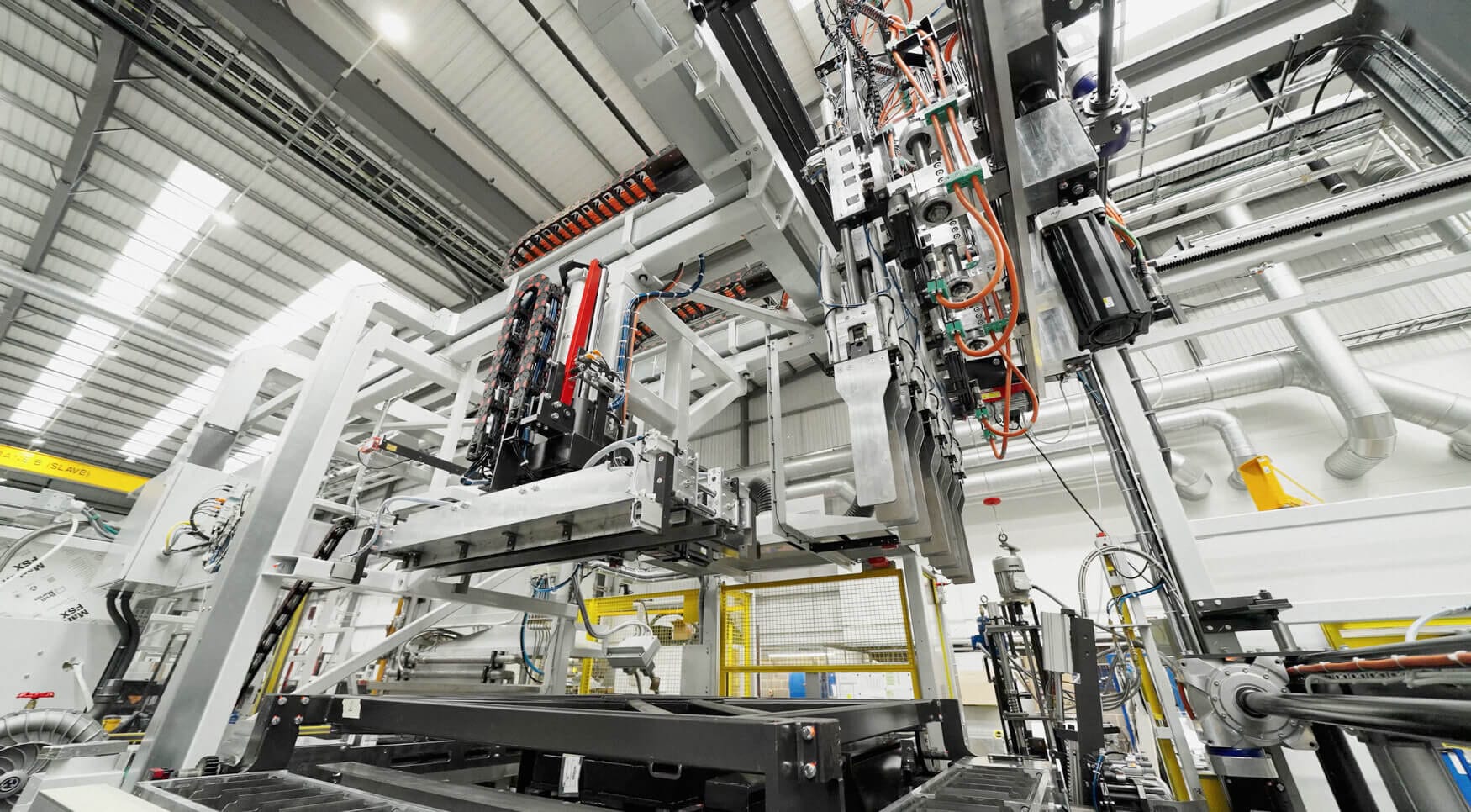
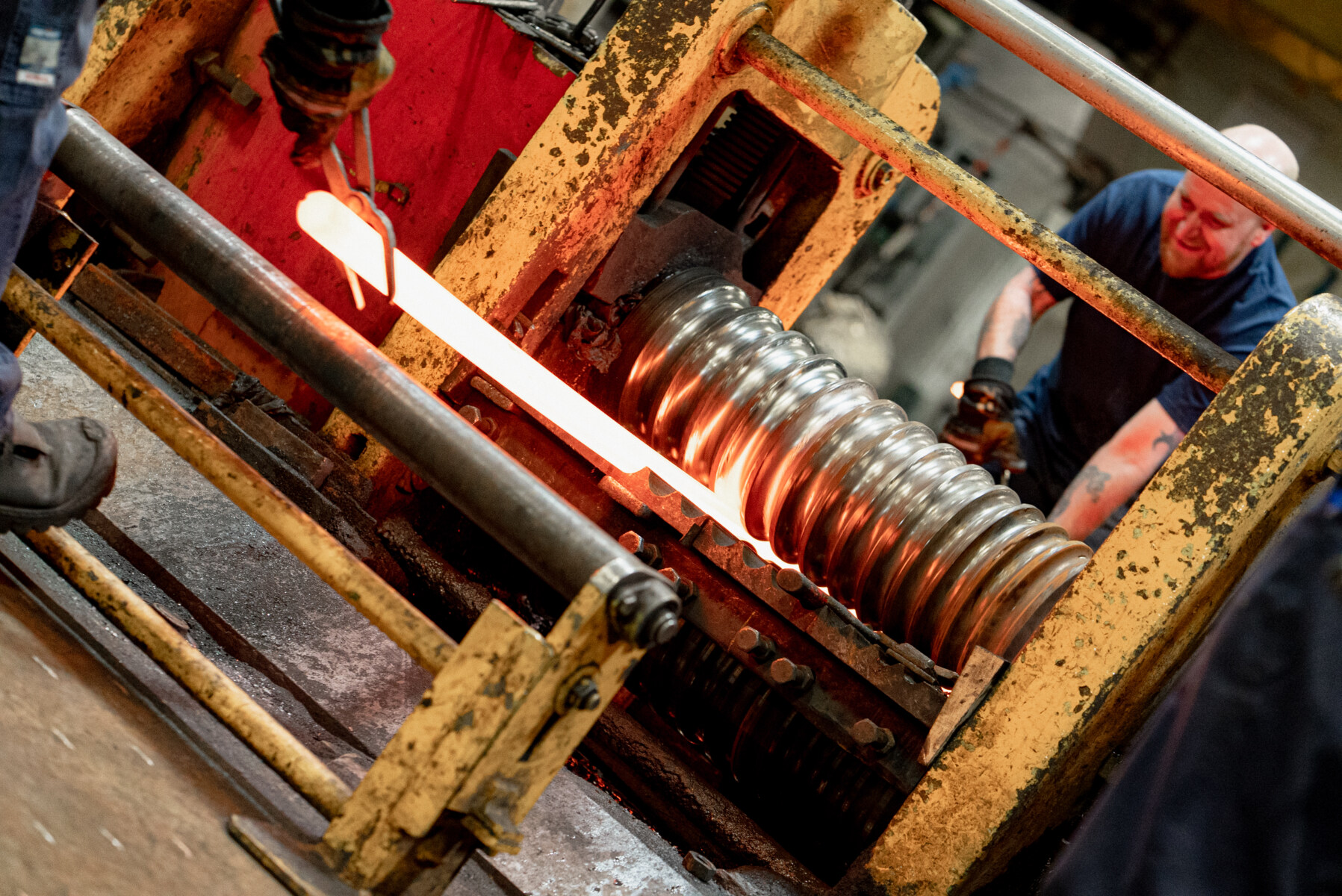
A factory floor can look impressive on camera, but visual scale alone rarely answers a buyer’s most important questions. A useful film shows the decisions that sit behind the visible activity: how materials are checked, where tolerances are protected, how teams respond to variation and which controls prevent avoidable errors. These moments give the audience evidence of capability rather than a collection of attractive shots.
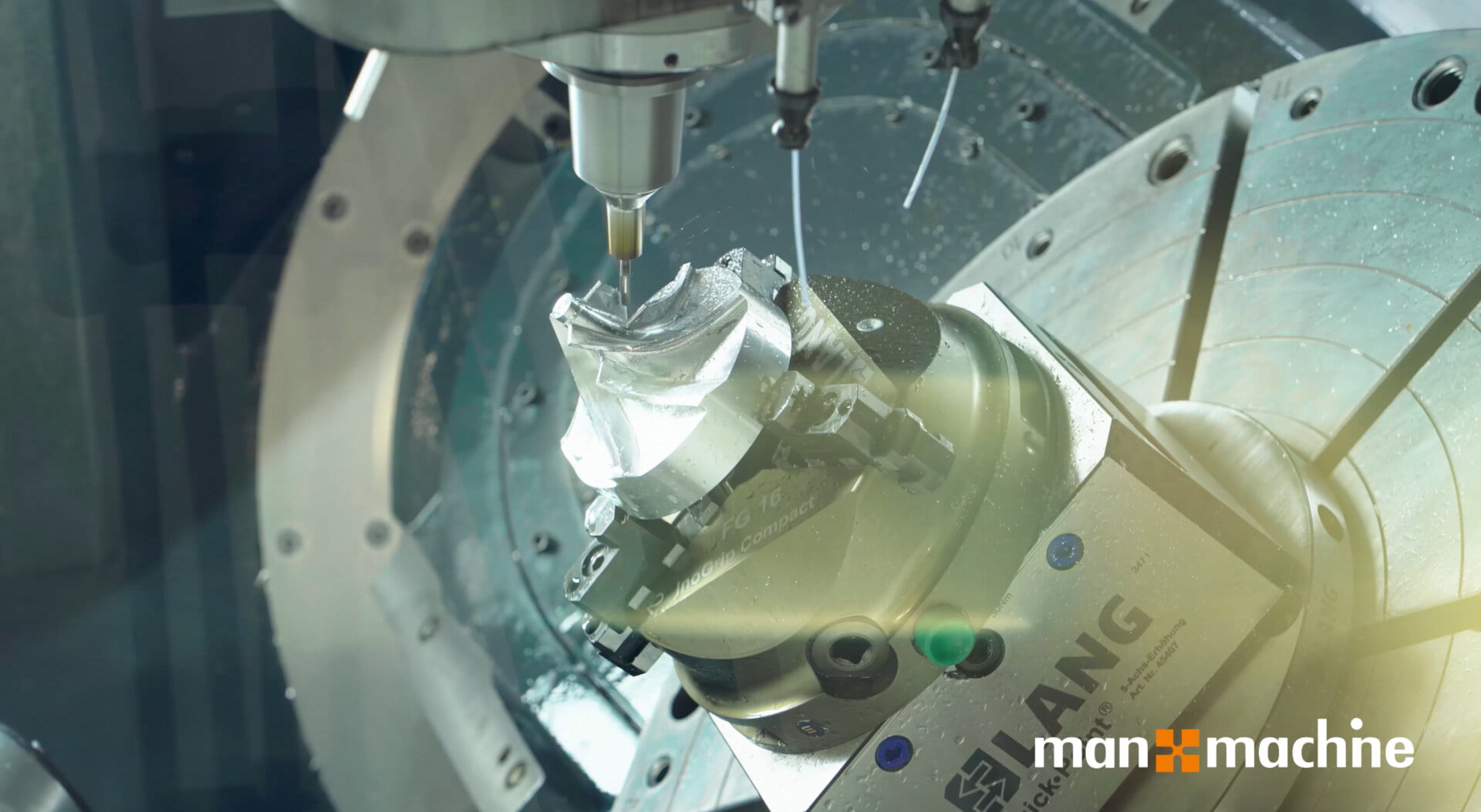
This is especially important for businesses working in complex or regulated environments. A close-up of an inspection step, a measured adjustment or a documented handover can communicate discipline more clearly than a general statement about quality. The viewer begins to understand not only what the company makes, but how reliably it can make it and how seriously it treats the details that affect performance.
Planning should therefore begin with the questions a technical buyer, engineer or procurement lead is likely to ask. Which parts of the process create confidence? Where could a misunderstanding create risk? Which people hold the knowledge that is difficult to replace? Answering those questions on screen creates a film with a commercial purpose and gives the production team a clear editorial route through a busy site.
Make specialist knowledge easier to share
Expertise is often concentrated in a small number of people. An operations manager may know why a particular sequence is followed, a quality lead may understand the history behind a control point, and an engineer may be able to explain a capability that is difficult to describe in simple language. Video gives those specialists a way to share their knowledge consistently, even when they cannot join every meeting or sales call.
The format is useful internally as well as externally. A well-made piece can support onboarding, reinforce a standard operating approach and help colleagues in another location understand how a process is managed. When the same clear explanation is available to sales, customer service and technical teams, the company is less reliant on improvised explanations that may vary from person to person.
That does not mean every film needs to be formal or heavily scripted. Natural demonstrations, concise interviews and carefully chosen cutaways can retain the authority of the subject-matter expert. The role of production is to shape that knowledge into a sequence that an unfamiliar viewer can follow without diluting the accuracy that makes it valuable. A focused training video for manufacturing teams can use the same principle to turn good practice into a repeatable resource.
Connect operational proof to buyer outcomes
Commercial audiences do not usually want to admire a process in isolation. They want to know what it means for their own project: fewer delays, dependable supply, consistent output, easier compliance or a smoother route from specification to delivery. The film should make that connection explicit without making claims that the evidence cannot support.
One practical approach is to pair operational footage with short explanations of the outcome each stage protects. A material preparation sequence might support consistency. A measured inspection might protect dimensional accuracy. A controlled changeover might reduce disruption when production requirements shift. These links help a viewer move from “this looks well managed” to “this could reduce risk for my business.”
Video can also make early commercial conversations more productive. When prospects arrive with a clearer understanding of the process, sales teams can spend less time explaining basic capability and more time discussing application, volumes, lead times and fit. That is one reason video proof before a first engineering meeting can improve the quality of the conversation rather than simply adding another marketing asset.
Build a library that keeps working
A single hero film can create attention, but a planned library creates lasting value. A main company film might explain the overall proposition, while shorter edits focus on quality control, materials, equipment, people, sustainability or a particular customer concern. Each version can be used in a different context without forcing one long film to answer every question.
The library should be organised around real moments of use. Sales may need a concise capability edit, recruitment may need a people-focused view of the workplace, and technical teams may need a detailed demonstration. Capturing a range of useful footage during one well-planned production can make future edits more efficient and help the business respond quickly when a new opportunity appears.
Distribution matters too. A film should have a clear home on the website, but it can also support presentations, exhibitions, proposals and professional social channels. A focused article such as manufacturing video for explaining technical value can then give each asset a useful context instead of leaving the audience to interpret it alone.
When manufacturing video is built around evidence, expertise and buyer outcomes, it becomes more than a polished record of production. It becomes a practical bridge between the knowledge inside the business and the confidence a customer needs before taking the next step. The result is a clearer story, more useful sales conversations and a body of content that continues to earn its place long after filming has finished.