For engineering-led manufacturers, the hardest part of winning new work is often proving capability before a prospective customer has enough confidence to arrange a site visit. A well-planned manufacturing video can make that first proof point much stronger by showing the people, processes and controls behind a technical promise.
That does not mean filming a generic tour of the factory floor. The most useful films are built around the questions an engineering buyer is already asking: Can this supplier repeat the result? Does the team understand the specification? Is the operation controlled when tolerances, materials or delivery schedules become demanding?
Show the process behind the specification
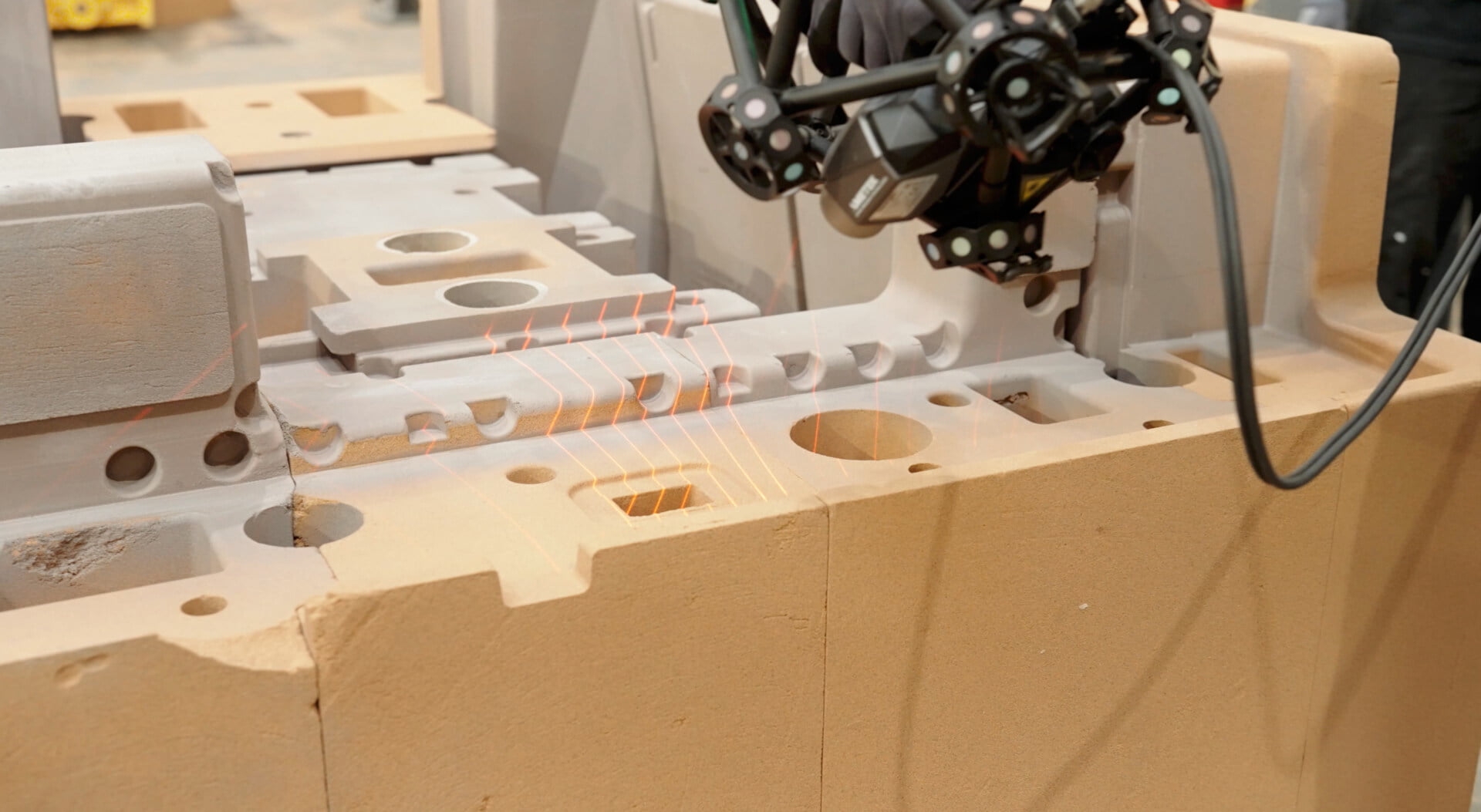
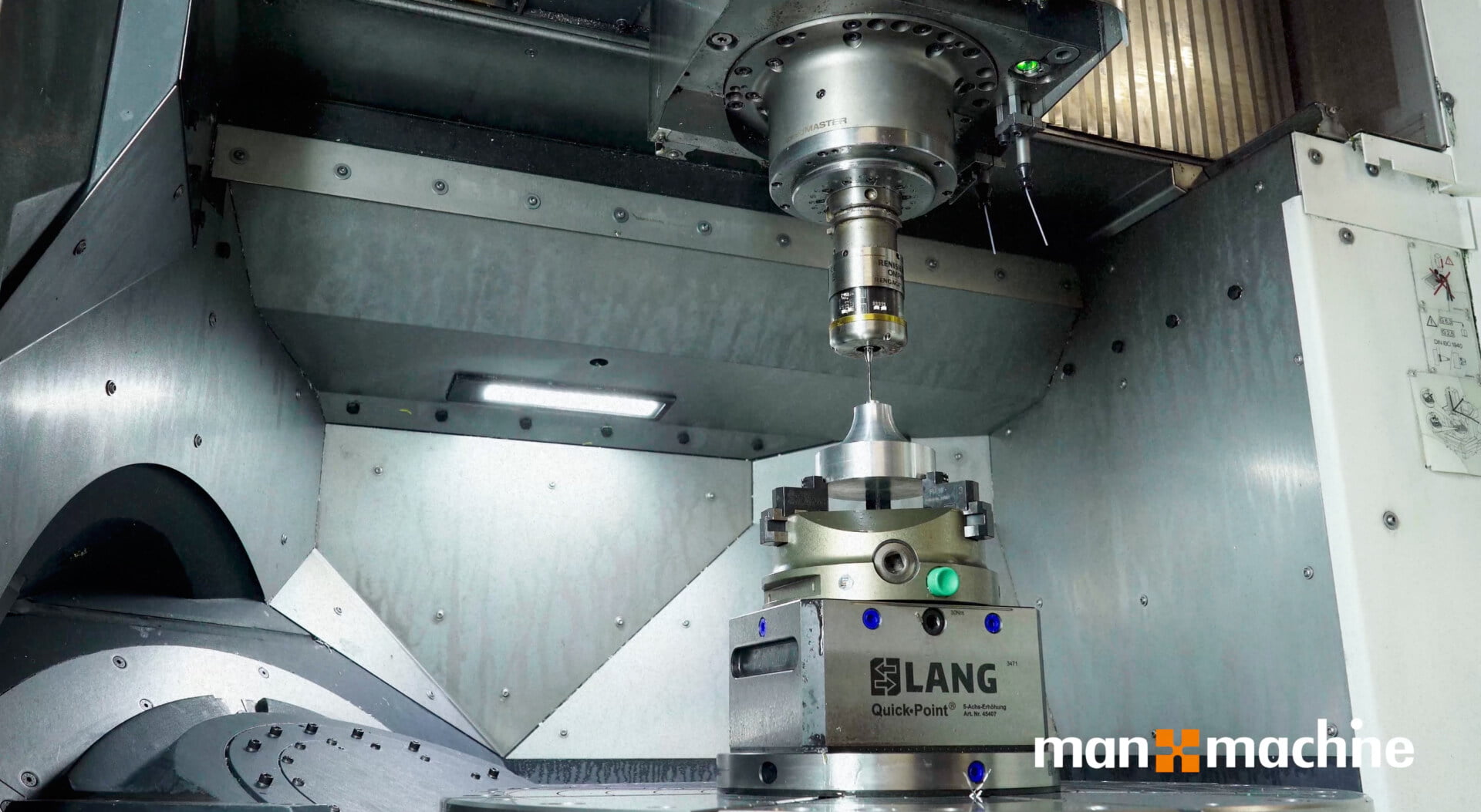
A brochure can list machinery, accreditations and production volumes. Video can connect those details into a credible chain of evidence. A sequence might show incoming material checks, set-up, machining, inspection and packing, with short explanations from the people responsible for each stage.
This is where process-led manufacturing video production earns its value. It gives the viewer context for what they are seeing, so an impressive machine is not presented as a disconnected piece of equipment but as part of a controlled workflow.
Make technical expertise visible
Buyers are not only assessing assets. They are assessing judgement. A short interview with an engineer, quality manager or production lead can explain why a particular inspection step matters, how a difficult material is handled, or where the team catches variation before it reaches the customer.
Keep the language precise but accessible. The film should respect a technical audience without assuming that every stakeholder knows the same specialist terminology. On-screen labels, measured close-ups and purposeful cutaways can help procurement, commercial and engineering viewers follow the same story.
Use evidence instead of empty claims
Statements such as “high quality” or “industry leading” are easy to ignore. Specific evidence is more persuasive: a documented inspection routine, a repeatable set-up, a clean traceability process, or a team member explaining how a change is verified.
That approach complements showing quality before a site visit. The goal is not to replace the visit; it is to make the visit more informed. When a prospect arrives already understanding the operation, the conversation can move faster towards application, fit and next steps.
Plan footage for more than one sales moment
A capability film should work on a website, in an introductory email, during a tender presentation and in a face-to-face meeting. That requires a clear master narrative plus shorter cut-downs for particular questions: materials, inspection, automation, capacity or end-use applications.
Capture clean natural sound, useful detail shots and several versions of key explanations. A carefully planned shoot creates a library of authentic footage that can support future campaigns without making every piece of content feel like a recycled factory tour.
Give the viewer a confident next step
End with a practical invitation. Ask the viewer to share a drawing, discuss a production challenge or arrange a conversation with the relevant technical contact. The call to action should match the confidence the film has built: specific, low-friction and connected to the buying process.
When the story, evidence and next step align, video becomes part of the engineering sales process rather than a decorative brand asset. It helps a prospective customer understand how capability is delivered, why the operation is credible and what to do next.
For a wider view of how visual content supports commercial conversations, see how manufacturing video helps sales teams explain technical value.