Manufacturing companies often have a valuable story hidden inside ordinary working knowledge. A production supervisor knows why a line is arranged in a particular sequence. An engineer understands the tolerances that protect performance. An operator can explain the small decisions that keep output consistent. Yet when that knowledge stays inside the factory, customers, recruits and even colleagues may struggle to see the capability behind the finished product.
A well-planned manufacturing video can make that expertise visible without turning the business into a staged performance. It gives viewers a guided way to understand how work is organised, where quality is protected and why the company can be trusted with a demanding brief. The strongest films are not simply collections of impressive machinery shots. They connect process, people and purpose into a clear commercial story.
Turn operational knowledge into a visual explanation
Many industrial businesses rely on language that is accurate but difficult to picture. Phrases such as controlled environments, repeatable processes, specialist finishing or integrated production may be familiar internally, but they do not automatically help an external audience understand what makes the operation different. Video gives those claims context by showing the sequence of actions that supports them.
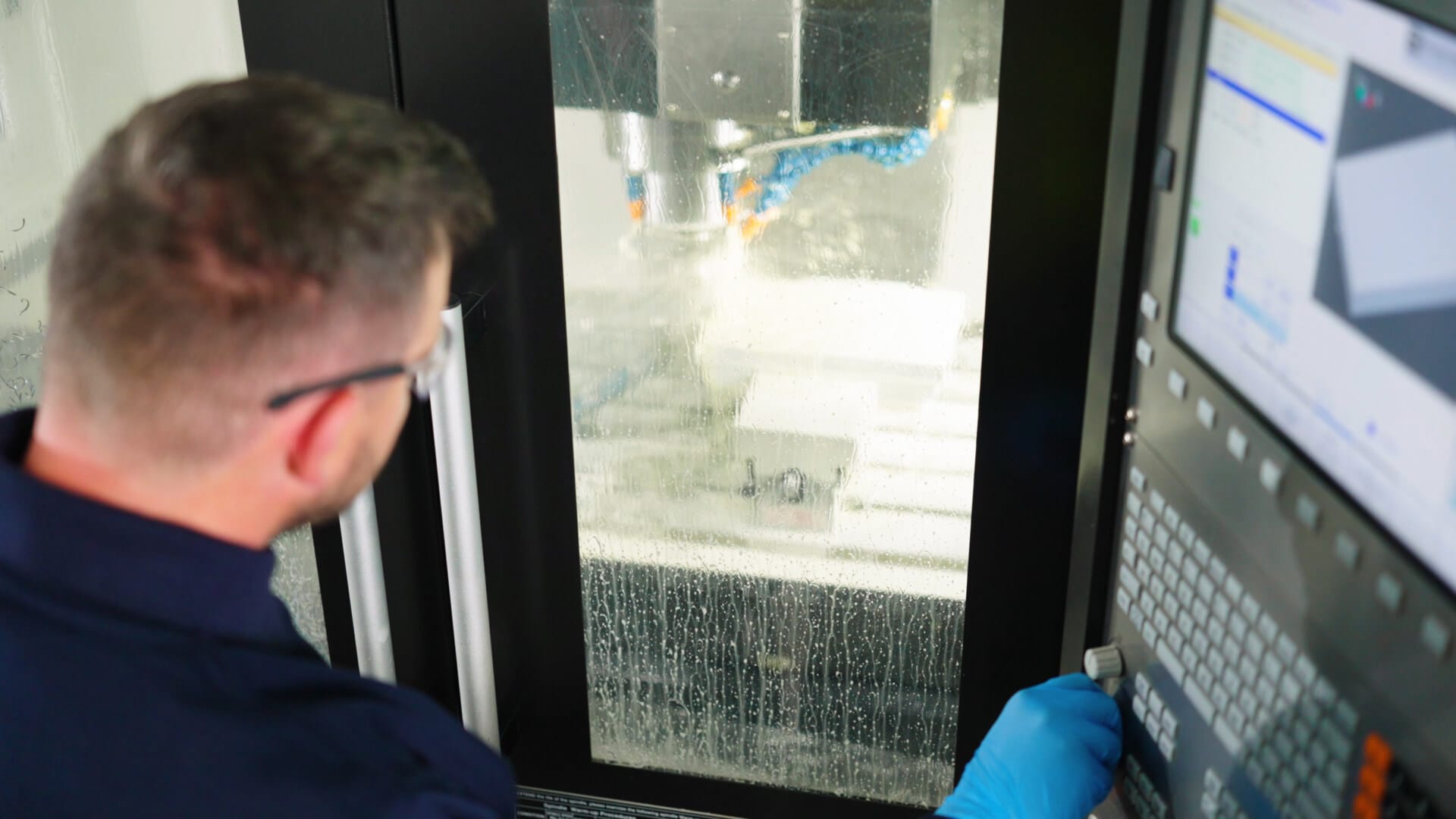
That sequence matters. A viewer can see materials arriving, preparation taking place, equipment being set up, checks being completed and finished work being handled with care. Cutaways of gauges, tooling, samples and documentation can explain the details that would otherwise be lost in a sales conversation. A concise interview with the right subject-matter expert then adds the reasoning behind the images, helping the audience understand not only what happens, but why it matters.
This is especially useful when a product or service involves several linked stages. A process-led film can show how information passes between teams, how decisions are recorded and how problems are caught before they become expensive. It becomes a practical explanation that supports the work of sales and business development, rather than a decorative introduction to the company.
Show the evidence behind quality and consistency
Quality is often described as a promise, but manufacturing buyers usually want to understand the evidence behind that promise. They need confidence that a supplier can repeat the right result, manage variation and respond when requirements change. A film can bring those controls to life by focusing on the points where quality is actually created and protected.
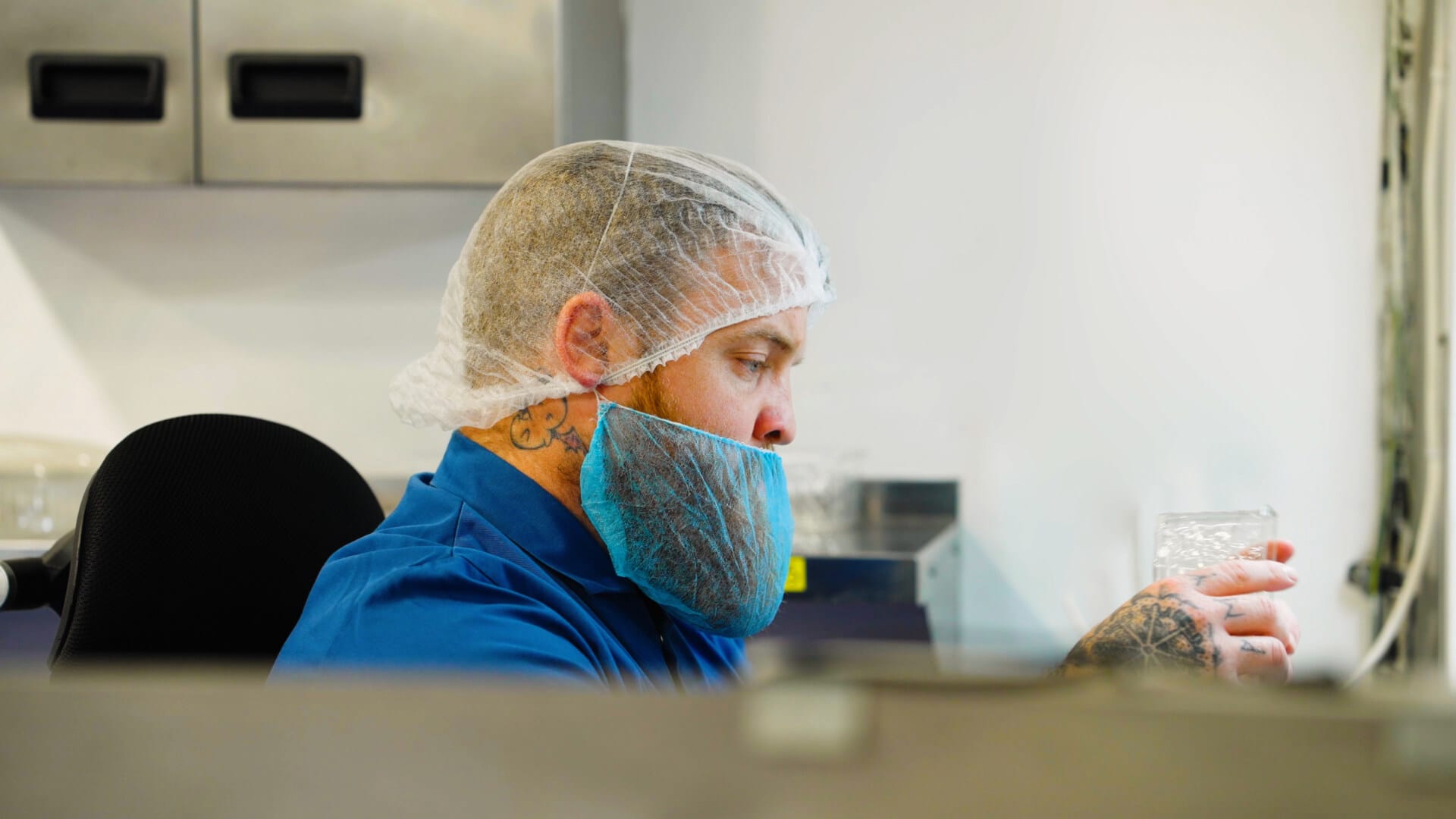
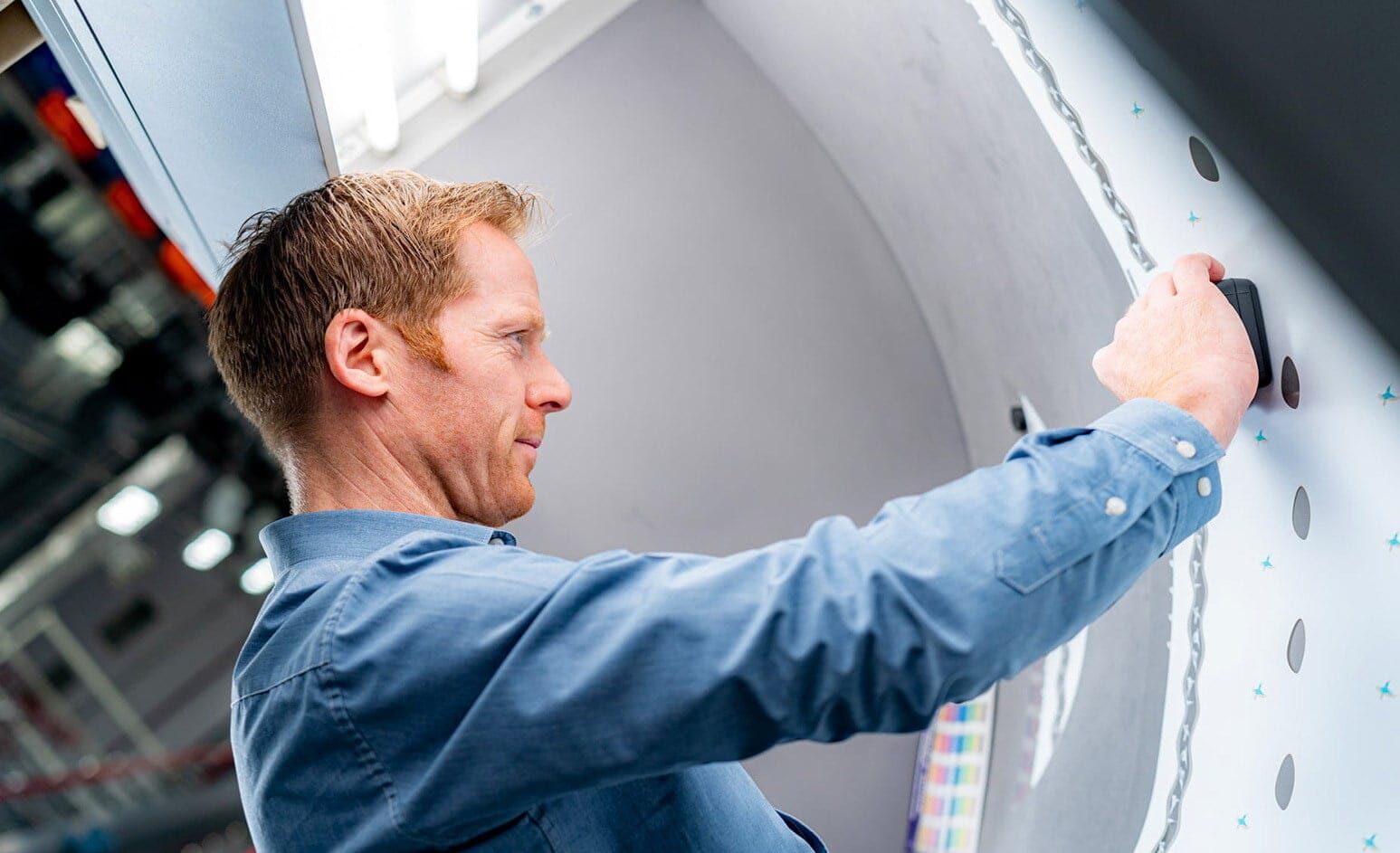
That might mean filming inspection routines, first-off checks, traceability systems, clean handling, calibration, packaging or the way teams review non-conforming work. The emphasis should be on real practice rather than generic claims. A close-up of a measurement being taken, followed by a short explanation from the person responsible, can communicate more than a paragraph of corporate copy.
It can also help to connect quality with the customer outcome. Careful preparation may reduce delays. A documented handover may protect consistency across batches. A thoughtful packing process may prevent damage in transit. When the film makes those connections explicit, viewers can see how operational discipline translates into lower risk and more dependable supply.
For teams responsible for maintaining standards, making quality standards visible through manufacturing video can also support internal communication. The same footage may help a customer understand the process while giving employees a shared reference point for the behaviours the business wants to reinforce.
Give technical buyers a clearer route to confidence
Technical buyers rarely make decisions from one isolated impression. They compare capabilities, ask detailed questions and involve colleagues from engineering, procurement, operations and finance. A useful manufacturing video respects that process by giving each viewer enough detail to understand the business from their own perspective.
For an engineer, the film might clarify equipment, materials, tolerances or the relationship between design intent and production reality. For procurement, it can reveal the systems that support reliable delivery. For an operations leader, it can show how the supplier manages capacity, changeovers and communication. These audiences do not need identical messages, but they do need a coherent picture of the organisation behind the offer.
This is where structure is more important than spectacle. The film should answer practical questions in a natural order: what does the company make, who is it for, how is the work controlled, and what happens when a project becomes more complex? Supporting pages and follow-up conversations can then explore specialist subjects in more depth. For example, turning maintenance expertise into faster decisions is a useful extension when equipment reliability forms part of the buying case.
Plan footage that keeps working after launch
The value of a manufacturing film increases when it is planned as a reusable content asset. A main company film might introduce the overall capability, while shorter edits answer specific questions about a process, product family, facility or application. Vertical clips can support social channels, and short sequences can be used in presentations, proposals, recruitment campaigns and exhibition screens.
That flexibility starts during the shoot. It means capturing clean establishing shots, detailed process coverage, natural interactions and concise interview answers with enough space around each moment for different edits. It also means agreeing terminology early, so the film remains accurate and useful when different departments share it. A content plan prevents the shoot from becoming a one-off event and helps the business collect footage that can serve several commercial needs.
Good preparation is equally important for people working on the factory floor. A clear schedule, sensible safety briefing and understanding of restricted areas help the crew work efficiently without interrupting production. The result should feel like an honest view of a capable operation: purposeful, precise and grounded in the way the business really works.
Make manufacturing capability easier to remember
Manufacturing video works best when it gives viewers a simple mental model of the company. They should leave knowing what the business does, how it does it and why that approach is valuable. The film does not need to explain every detail, but it should make the important details easier to find, understand and remember.
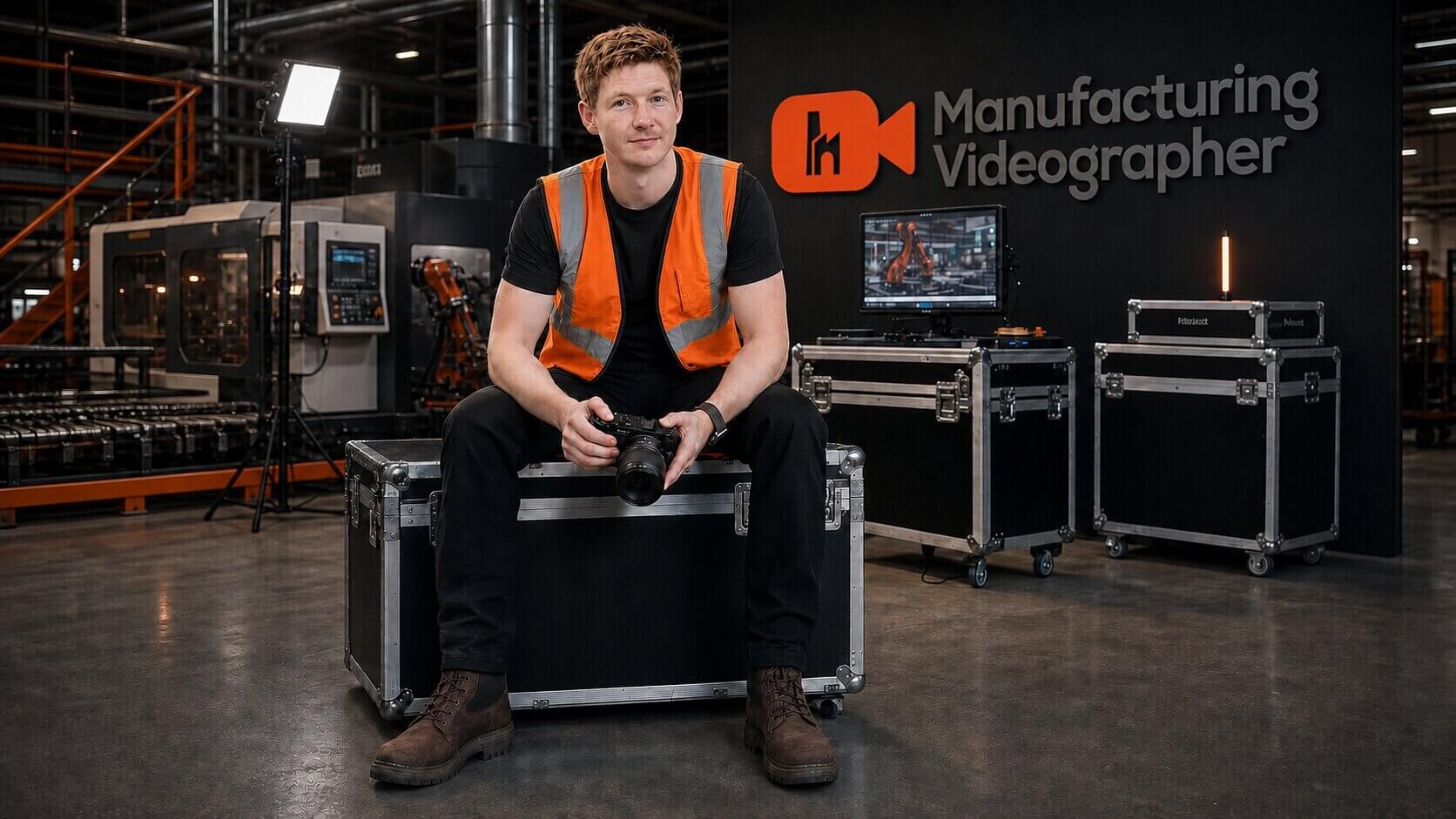
When operational expertise is shaped into a clear visual story, the benefit reaches beyond marketing. Sales teams gain a stronger conversation starter. Technical teams have a more accessible way to explain complex work. New employees can see the standards they are joining. Customers gain evidence that supports confidence before the first site visit or specification discussion. That is the real role of a manufacturing videographer: to translate the intelligence of the factory floor into communication that helps people make better decisions.
For companies building a wider content programme, helping sales teams explain technical value is a natural next step. The strongest results come when every film is connected to a real question, a real audience and a real decision.