Quality teams in manufacturing are often asked to prove that a process is controlled, repeatable and understood across the business. Written procedures and audit records remain essential, but they do not always show how work happens on the factory floor. A well-planned manufacturing video can make standards visible, giving colleagues, customers and prospective buyers a clearer view of the behaviours behind consistent output.
Turn abstract standards into observable work
Quality language can be precise while still being difficult to picture. Terms such as traceability, inspection points and controlled handling mean more when viewers can see them in context. A short sequence can show where checks happen, how information is recorded and what operators look for before work moves forward.
This visual evidence complements written systems rather than replacing them. It gives a new starter, customer or commercial colleague a practical reference point and helps them understand why a process is designed the way it is. It also builds on the same principle as showing buyers quality before a site visit: confidence grows when the evidence is easy to see.
Show the control points that matter
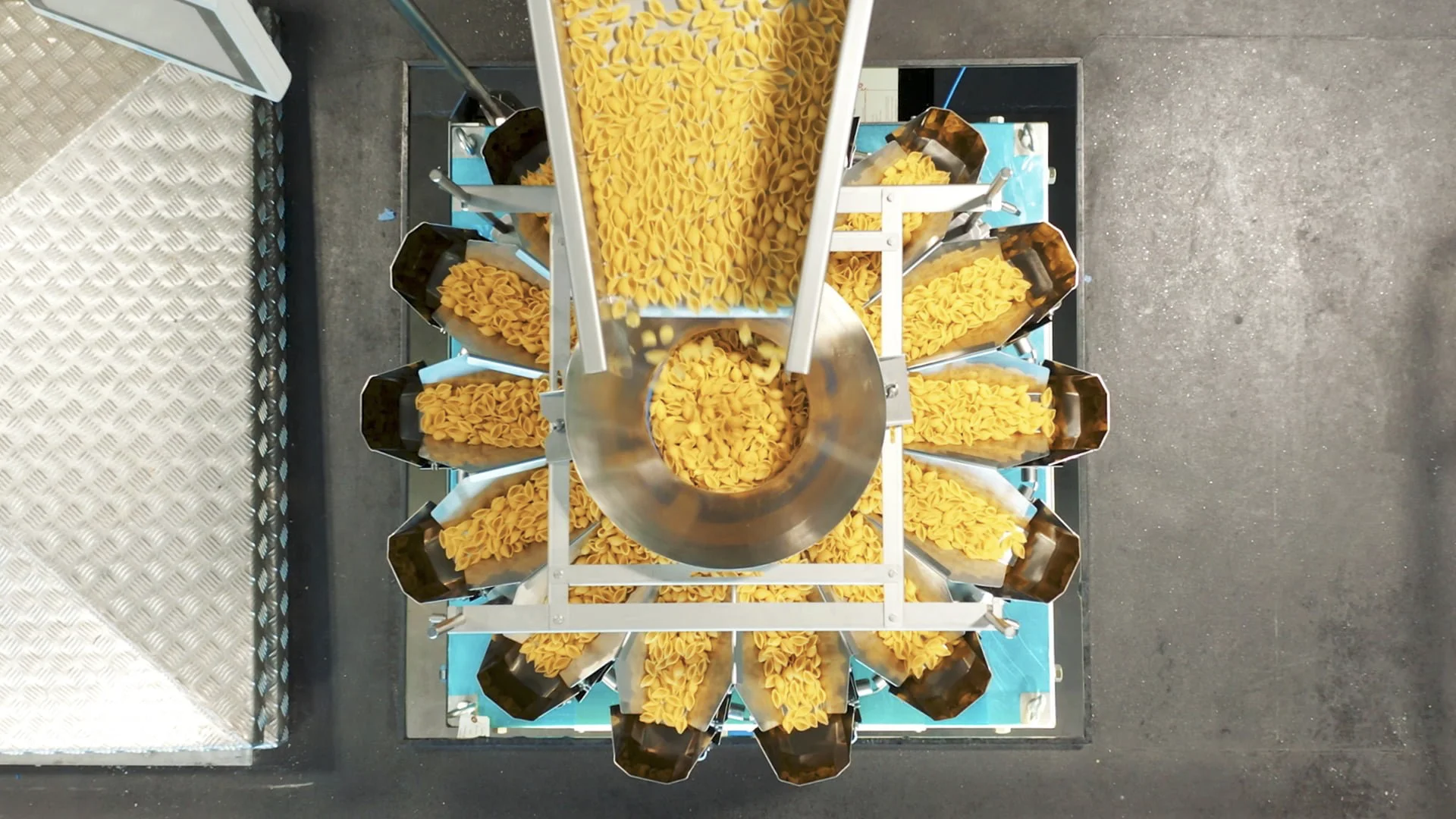
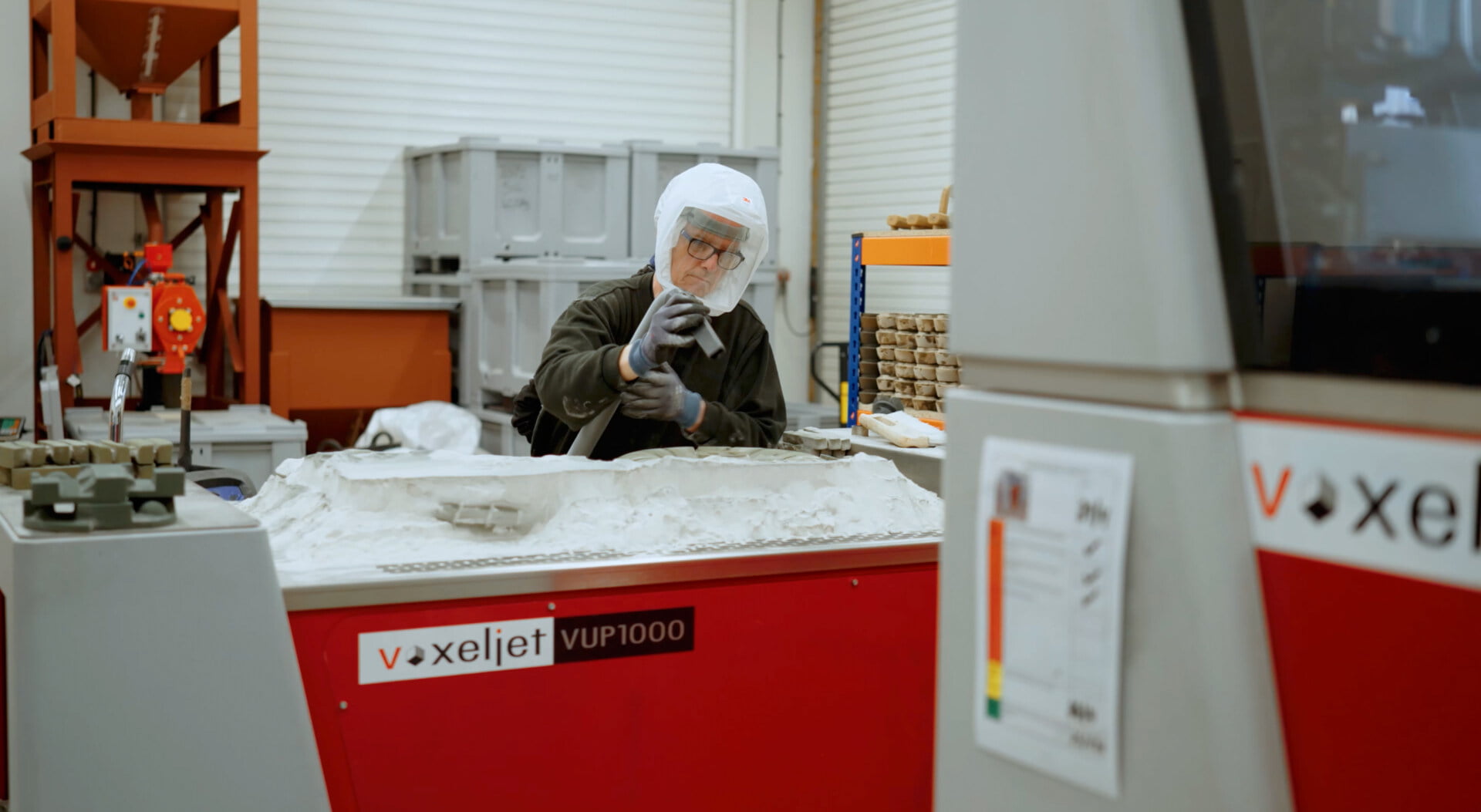
The strongest quality-focused films are selective. They follow the points where quality is protected, such as incoming checks, tooling preparation, in-process measurement, clean-down, final inspection or dispatch verification. Capturing these moments in their real sequence helps viewers connect each control to the outcome it protects.
Production planning should involve the quality team early. They can identify the details that must be visible, the areas that cannot be filmed and the language that needs careful explanation. That preparation keeps the shoot efficient while making sure the final edit reflects the operation accurately.
Make consistency easier to explain
A video can also help different teams use the same explanation of a process. Sales can refer to a clear example when answering a technical question. Operations can use selected clips during internal briefings. Procurement and customers can see how a supplier manages risk without relying on a general claim that everything is “high quality”.
For businesses comparing suppliers, this clarity supports the wider goal of making supplier selection less risky. The film does not need to reveal sensitive intellectual property; it needs to show disciplined working, useful context and the evidence that matters to the intended audience.
Protect accuracy during filming and editing
Quality footage depends on the same discipline as quality documentation. The production team should agree terminology, confirm which versions of equipment and procedures are current, and avoid staging a sequence that could misrepresent the real process. Captions and graphics should be checked by a subject-matter expert before publication.
It is also worth planning how the film will age. A modular structure makes it easier to replace a short section when a piece of equipment, layout or inspection method changes. That keeps the asset useful for longer and reduces the temptation to leave an outdated explanation online.
Give quality evidence a longer working life
Once approved, the video can support more than a single marketing campaign. It can sit on a capability page, appear in a sales conversation, help prepare visitors for a site tour or give a recruitment audience a more credible view of the working environment. The same footage can be edited into shorter versions for different audiences while preserving one accurate source story.
That is where a process-led approach becomes valuable. As with process-led manufacturing video production, the aim is to connect visual detail with a genuine business question. When viewers can see how standards are applied, quality becomes easier to understand, remember and trust.
Plan the story around confidence
Before commissioning a shoot, define the quality question the video must answer. It might be how variation is controlled, how inspections are embedded in production or how a team maintains consistency at scale. Choose the few moments that prove the answer, then build the narrative around those moments.
The result should feel like an honest window into the operation: specific enough to be useful, concise enough to hold attention and accurate enough for the quality team to stand behind. For manufacturing businesses, that combination turns video from a general brand asset into practical evidence of capability.