In manufacturing, a specification sheet can describe dimensions, tolerances, materials and output. It rarely shows how those details become a dependable result for the customer. Sales teams are often left translating technical capability into a story that a wider buying group can understand, while also proving that the organisation can deliver consistently.
Manufacturing video gives that story a practical shape. By showing the people, equipment and decisions behind a product or process, it helps a prospect move from abstract claims to a clearer sense of value. The strongest films do not simply make a facility look impressive; they connect what happens on the factory floor to the commercial outcomes a buyer is trying to protect.
Make the operational difference visible
Many manufacturers have a genuine advantage that is difficult to express in a proposal. It might be a carefully controlled handover between production stages, an unusual inspection routine, or the experience of a team that knows how to resolve small issues before they become delays. These strengths are easy to overlook because they are embedded in everyday work.
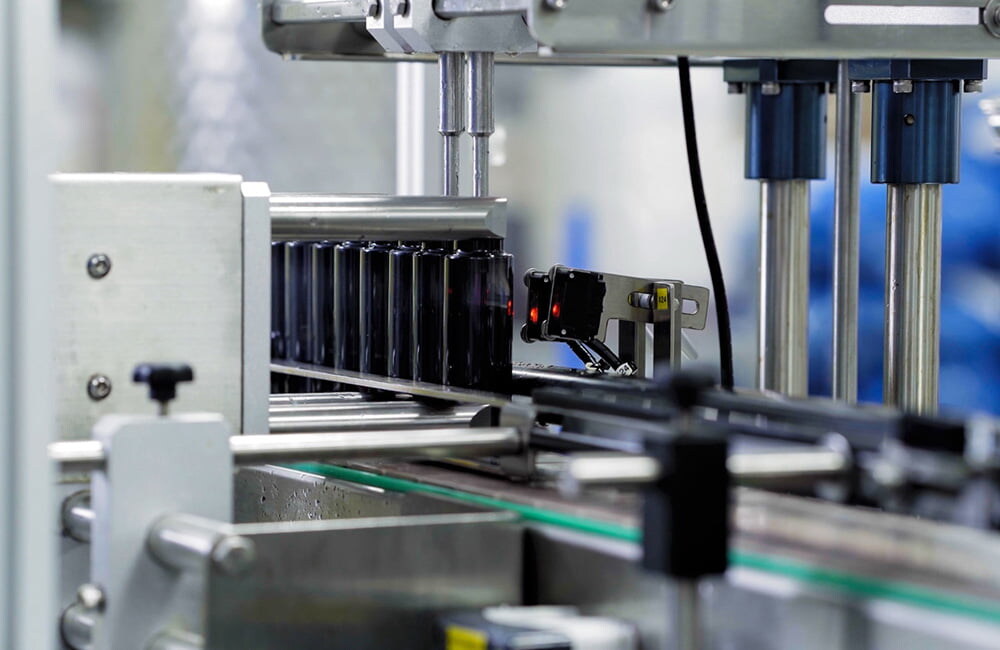
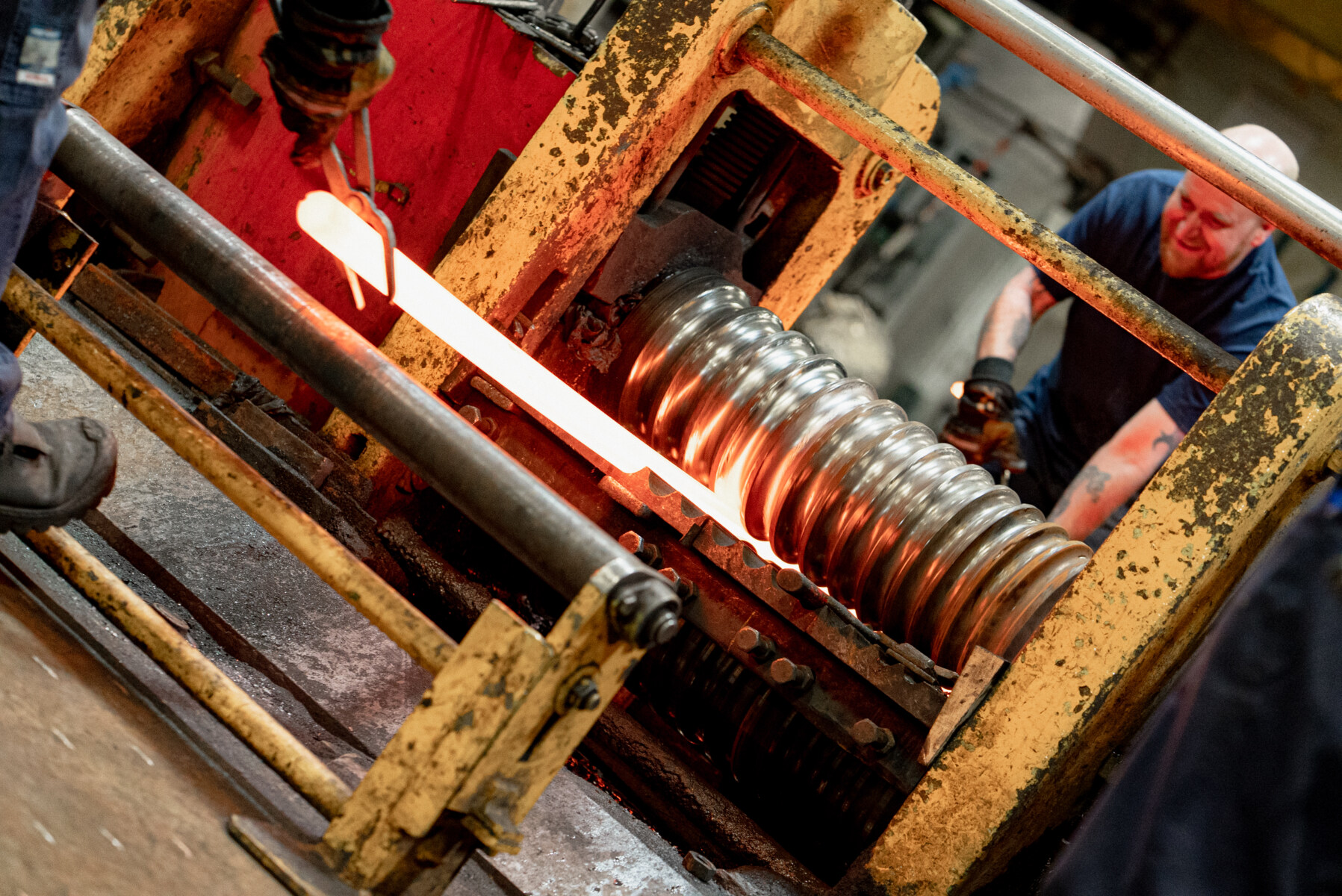
A well-planned film can follow that work in a logical sequence. Close detail can show how a component is checked, while wider shots establish the scale and coordination involved. Interviews then add the reasoning behind each stage. This combination allows a sales team to explain not only what the company supplies, but why its method reduces risk and creates a more reliable result.
That clarity is especially useful when buyers are comparing suppliers with similar headline capabilities. A competitor may make the same broad claim about quality or responsiveness. Video can reveal the evidence underneath the claim: the checks, skills, systems and behaviours that make performance repeatable.
Give every stakeholder a useful point of entry
Industrial buying decisions rarely belong to one person. Engineering wants confidence in performance, procurement wants predictable supply and finance wants a defensible commercial case. Senior leaders may also need to understand how the proposed relationship supports wider goals such as resilience, efficiency or sustainability.
A sales presentation can mention all of these priorities, but a film can let viewers see the connections between them. A process sequence may reassure an engineer, an operator interview may answer a procurement concern, and a concise explanation of capacity may help a director understand the wider opportunity. Each audience can find a relevant detail without the story becoming a collection of disconnected messages.
This is where a clear approach to manufacturing video production matters. The planning should begin with the questions the buying group needs answered, rather than with a list of shots that simply look cinematic. When the narrative is built around those questions, the finished film becomes a practical sales asset that can support conversations at several stages of the journey.
Turn technical proof into commercial momentum
Video is most persuasive when it helps a prospect imagine the working relationship after the contract is signed. Showing a finished product has value, but showing the route to that result often creates stronger confidence. It gives the buyer a sense of how information moves, how standards are maintained and how the team responds when the work becomes complex.
Sales teams can use these moments to move a conversation forward. A short section about traceability can open a discussion about audit requirements. A sequence showing changeovers can prompt useful questions about lead times and flexibility. A comment from a technical lead can make a specialist capability feel more accessible to people who are not experts in the process.
For more ideas on making specialist work understandable, the principles behind making complex capability easier to buy are a useful starting point. The goal is not to simplify the work until its substance disappears. It is to organise the detail so that the viewer understands what matters, why it matters and how it affects their decision.
Build an asset the sales team can keep using
A manufacturing film should be planned for more than one presentation. The main edit can introduce the company and its strengths, while shorter sections can support specific sales conversations. Clips about quality, capacity, product development or customer support can be shared with the people who need that evidence at the right moment.
This also makes the content more durable. A strong central story can live on a website, support an exhibition screen, sit inside a proposal or help a new salesperson learn how to describe the operation. When the production captures useful detail and records clear interviews, it gives the business a library of proof rather than a single piece of promotional content.
The best result is a closer connection between what the factory does and what the sales team promises. By making expertise visible, manufacturing video helps buyers understand the difference behind the specification sheet, gives internal teams a shared language and creates the confidence needed to take the next step. That is how a film becomes part of the commercial process rather than an isolated marketing asset.
To see how this can support buyer confidence across a longer decision process, explore process-led video production and buyer trust.