Manufacturing change rarely arrives as a single, easy-to-explain announcement. A new line, revised process, automation project or compliance requirement can affect engineering, operations, quality, sales and customers at the same time. Each group needs a slightly different answer: what is changing, why does it matter, what will it look like in practice and what should happen next?
That is where a well-planned manufacturing video can earn its place. It does not simply record a facility or add movement to a brochure. It gives people a shared view of the change, using the real environment, the real equipment and the people who understand the work. When the story is built around decisions rather than disconnected features, video can turn complex information into something teams can discuss and act on.
Make the reason for change visible
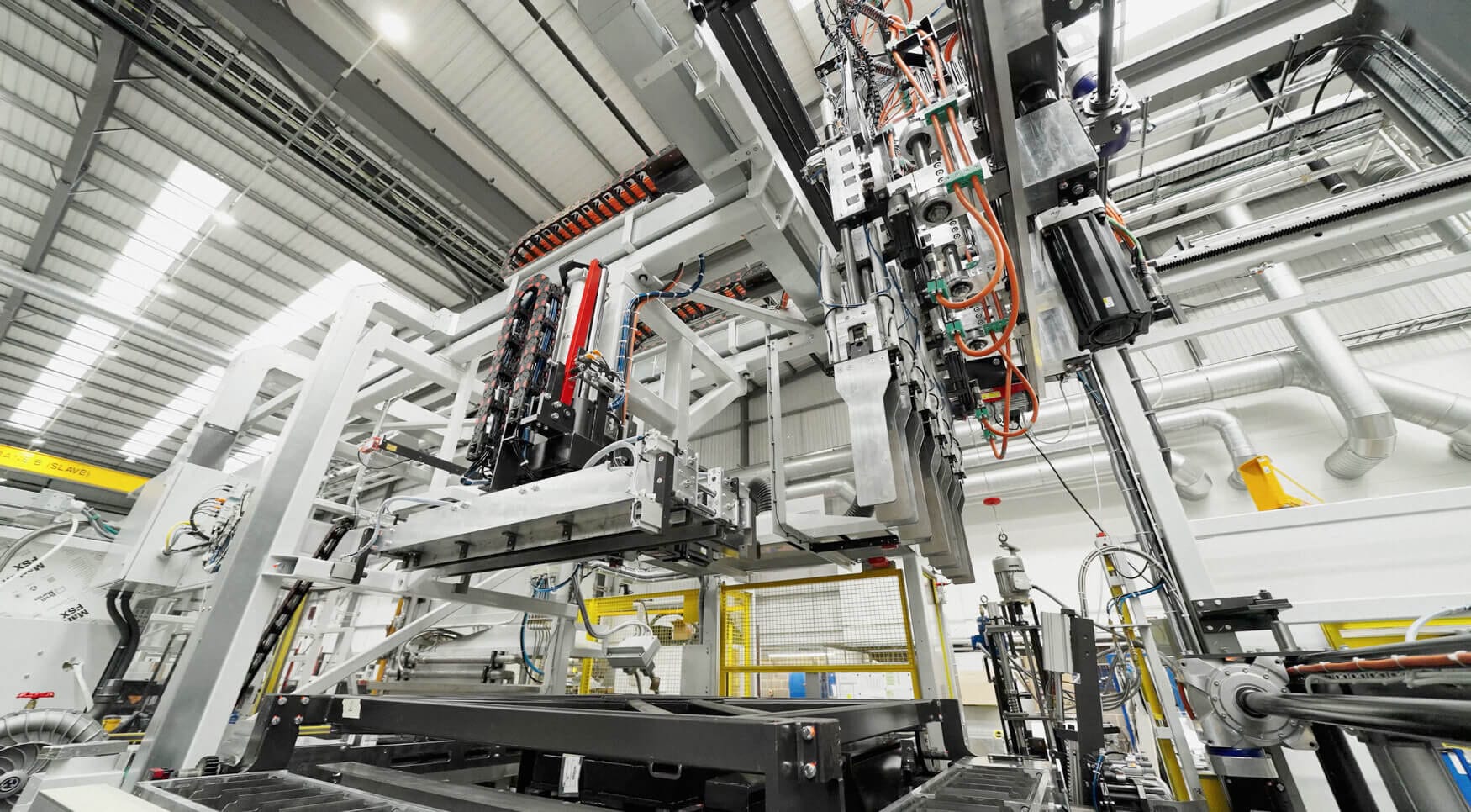
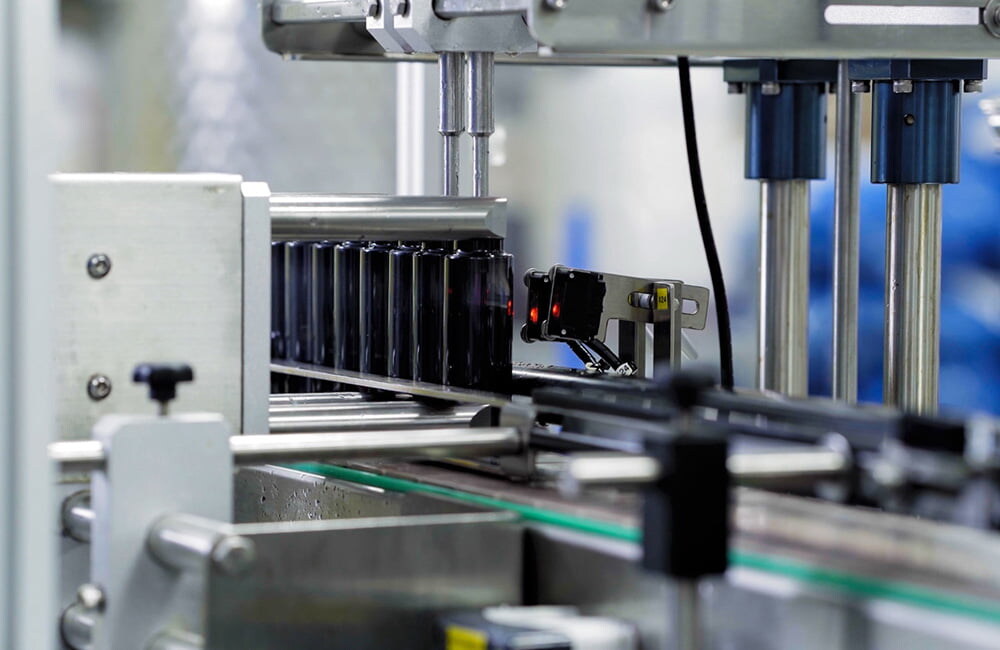
Technical projects often begin with language that makes sense to specialists but feels abstract to everyone else. Phrases such as throughput improvement, cell integration or process validation can be accurate without making the outcome tangible. A film can connect those ideas to visible moments on the factory floor: material entering a line, an operator checking a critical stage, a control system responding to a condition or a finished component moving into inspection.
The strongest approach is to establish the problem before showing the solution. Viewers should understand the pressure behind the project, whether that is increasing demand, repeatability, safety, waste reduction or the need to support a new market. Once the reason is clear, technical detail has a purpose. Each shot can answer a practical question instead of asking the audience to admire complexity for its own sake.
This is particularly valuable when a business needs internal alignment. A concise film can give a production team, leadership group and commercial colleagues the same starting point for a conversation. It also creates a record of intent that can be revisited after commissioning, when people need to remember what success was supposed to look like.
Show how expertise becomes a repeatable process
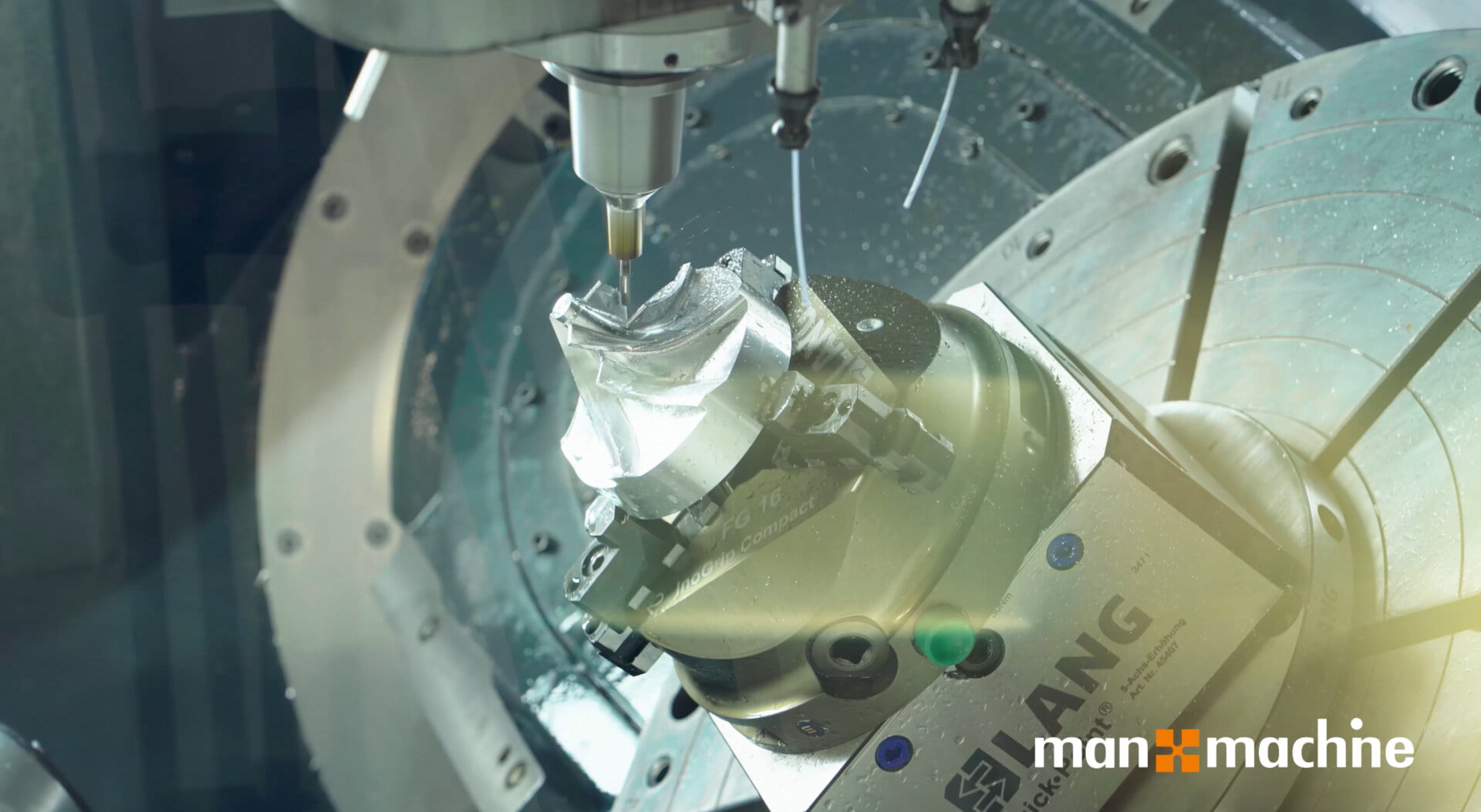
Manufacturing capability often depends on judgement that is difficult to capture in a specification. Experienced people notice small changes in sound, alignment, surface finish, timing or material behaviour. Those observations may be second nature to them, yet they are central to quality and consistency. Video can reveal the sequence around that expertise: what the person looks for, when they intervene and how the decision affects the next stage.
That does not mean turning the film into a training manual. It means choosing moments that make the process understandable. A close-up of a check, a wider shot showing its place in the workflow and a short explanation from the person responsible can create a much clearer picture than a list of capabilities. This same principle is explored in making quality standards visible, where the emphasis is on demonstrating what good work looks like rather than merely claiming it.
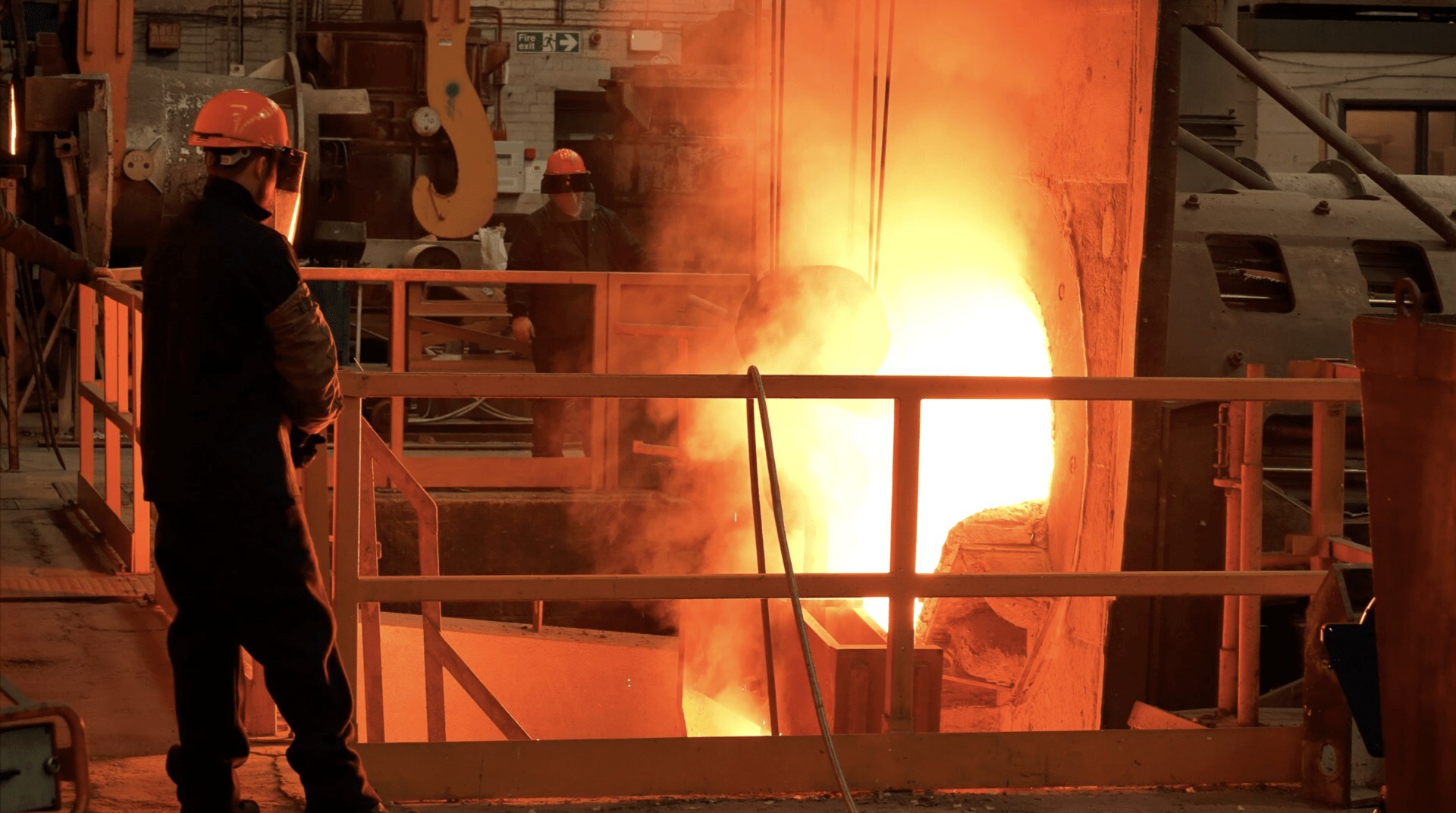
Showing people at work also gives change a human dimension. New technology is easier to trust when the audience can see how it supports skilled decisions, improves control or removes unnecessary friction. The story becomes one of capability being strengthened, not expertise being erased.
Give every audience a useful next step
A change film becomes more effective when it is designed for the moments in which people will actually use it. A leadership version may focus on the business case and strategic consequence. An operations cut may need more process detail. A sales edit could concentrate on customer outcomes, evidence and the questions a prospect is likely to ask. One well-structured shoot can provide the material for all three without forcing every audience through the same long explanation.
Distribution should be considered from the beginning. The main film might sit on a website or support a presentation, while shorter sequences can help a sales team introduce the project, an onboarding programme explain the workflow or an internal update keep remote colleagues informed. Earlier work on aligning technical teams around one clear story shows why a central narrative matters: different versions can change emphasis without changing the underlying facts.
Every version should leave the viewer knowing what to do next. That might be reviewing a process, asking a technical question, booking a site visit, sharing the film with a customer or taking part in a new operating routine. A strong call to action is not an advertising flourish; it is the bridge between understanding and useful behaviour.
Build a film that keeps working after launch
Good manufacturing content should remain useful beyond the day it is published. That requires planning for accurate terminology, safe filming conditions, clean audio and a visual language that will not date quickly. It also means capturing supporting footage while the crew is on site: material movement, controls, preparation, inspection, maintenance and human interactions. Those details can extend the life of the main story and make future edits faster.
The production process itself should be collaborative. A short pre-production workshop can identify the most important audience, the questions that must be answered and the moments that prove the claim. Subject-matter experts can then guide the crew towards the detail that outsiders would miss, while the filmmaker protects the narrative from becoming overloaded. This is the practical value of a clear manufacturing video production process: it turns specialist knowledge into a film that is credible, focused and easy to use.
When change is made visible, specific and human, people have a better chance of moving with it. Manufacturing video can help teams see the reason for a project, understand the process behind it and recognise their own role in the outcome. The result is more than a polished record of equipment. It is a shared tool for confidence, communication and action.