When a manufacturing business operates across several factories, consistency is rarely achieved by sending out another written instruction. Each site has its own rhythms, experienced people, local terminology and practical pressures. Even when every team is working towards the same objective, a process can be interpreted differently from one location to the next. Manufacturing video gives leaders a practical way to make the intended standard visible, specific and easier to apply.
This is not about producing a generic corporate film and hoping it changes behaviour. The most useful videos are built around a real operational question: what should people see, understand and repeat in the same way, wherever they work? By showing the environment, decisions and details that matter, a carefully planned film can help connect central strategy with what happens on the factory floor.
Make the standard visible, not just available
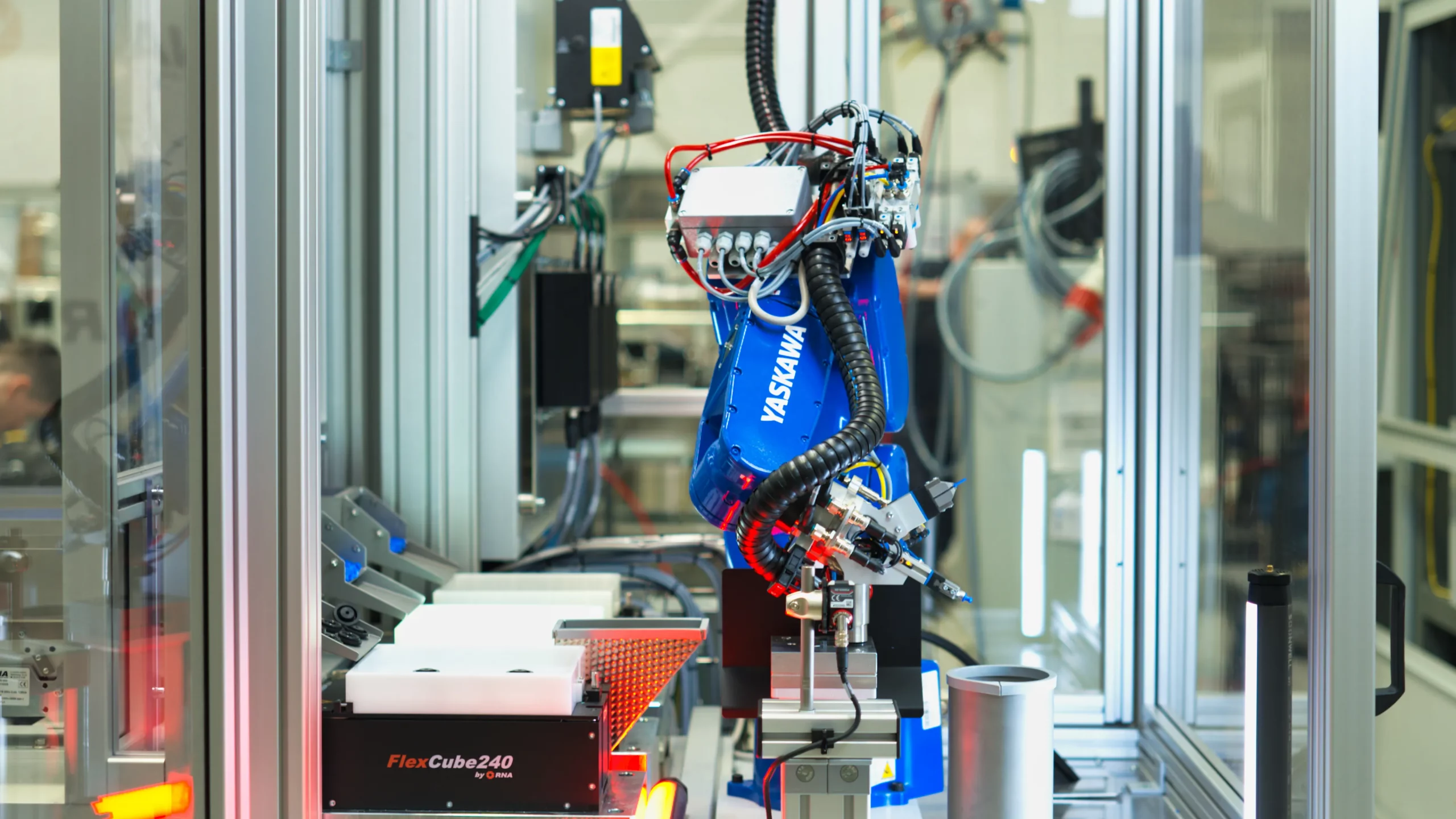
Written procedures are essential, but they often describe a task without showing the context around it. A viewer may understand the words “check the line before starting” while still being unsure which points deserve attention, what an acceptable condition looks like or when a small issue should be escalated. Video can show those judgements in sequence, using the actual equipment, people and conditions that teams recognise.
That visual reference becomes particularly valuable when a standard is being introduced across multiple sites. A central team can demonstrate the intended approach once, then provide every location with the same clear example. Local managers can discuss the film with their teams and identify where their own practice differs. The video does not remove local expertise; it gives that expertise a shared starting point.
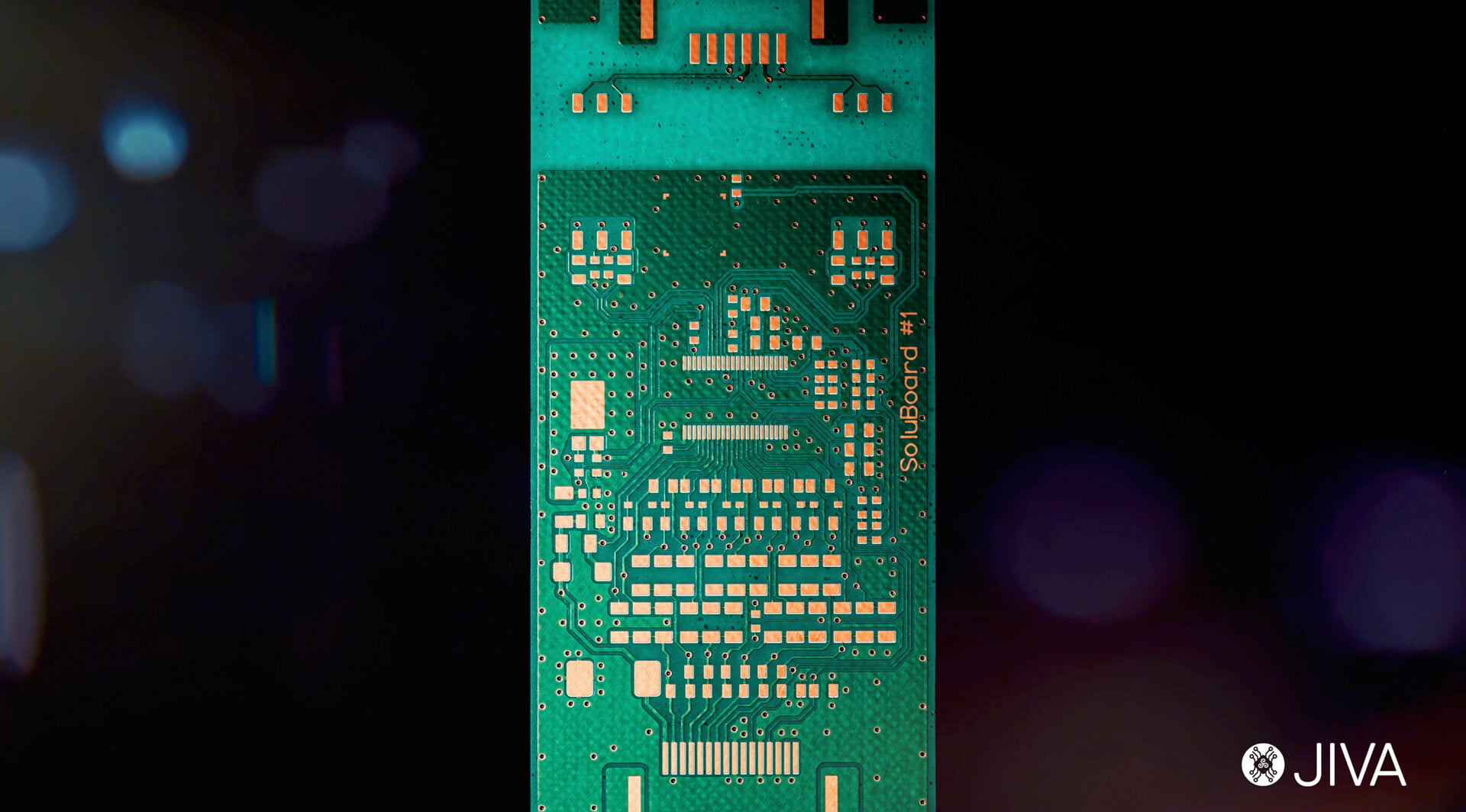
Strong production also makes room for the details that are easy to lose in a slide deck. The position of a component, the order of a handover, the sound of a machine behaving normally or the way an operator confirms a decision can all carry meaning. A well-structured manufacturing video for technical directors can turn those details into a repeatable reference that supports both discussion and action.
Connect leadership intent with local reality
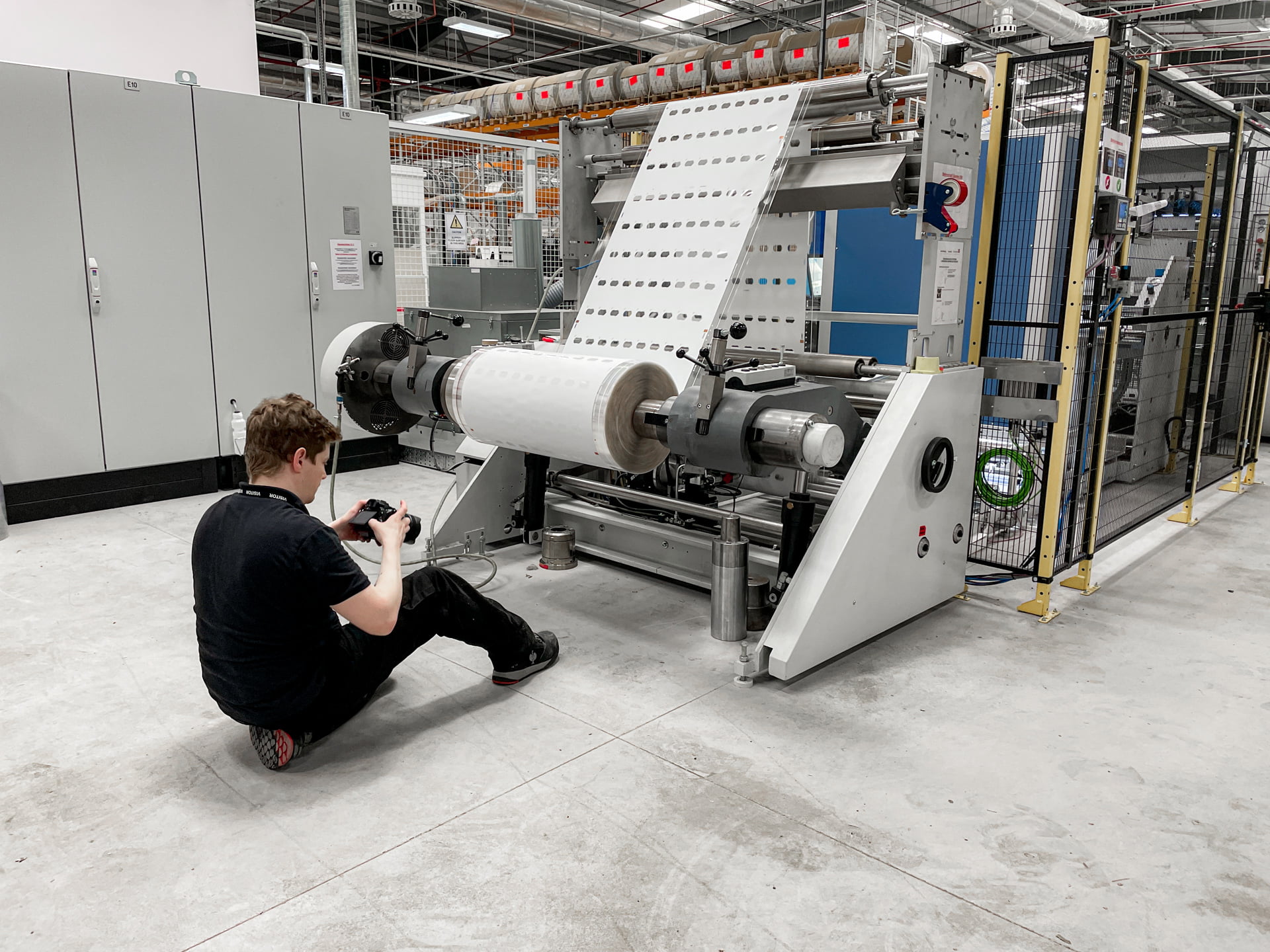
Multi-site standardisation can fail when the message is designed only from the perspective of head office. People at each plant need to understand not just what is changing, but why it matters to safety, quality, delivery, cost or customer confidence. Filming on location helps bridge that gap. The audience sees the real constraints, the people affected by the decision and the points where a standard improves the working day.
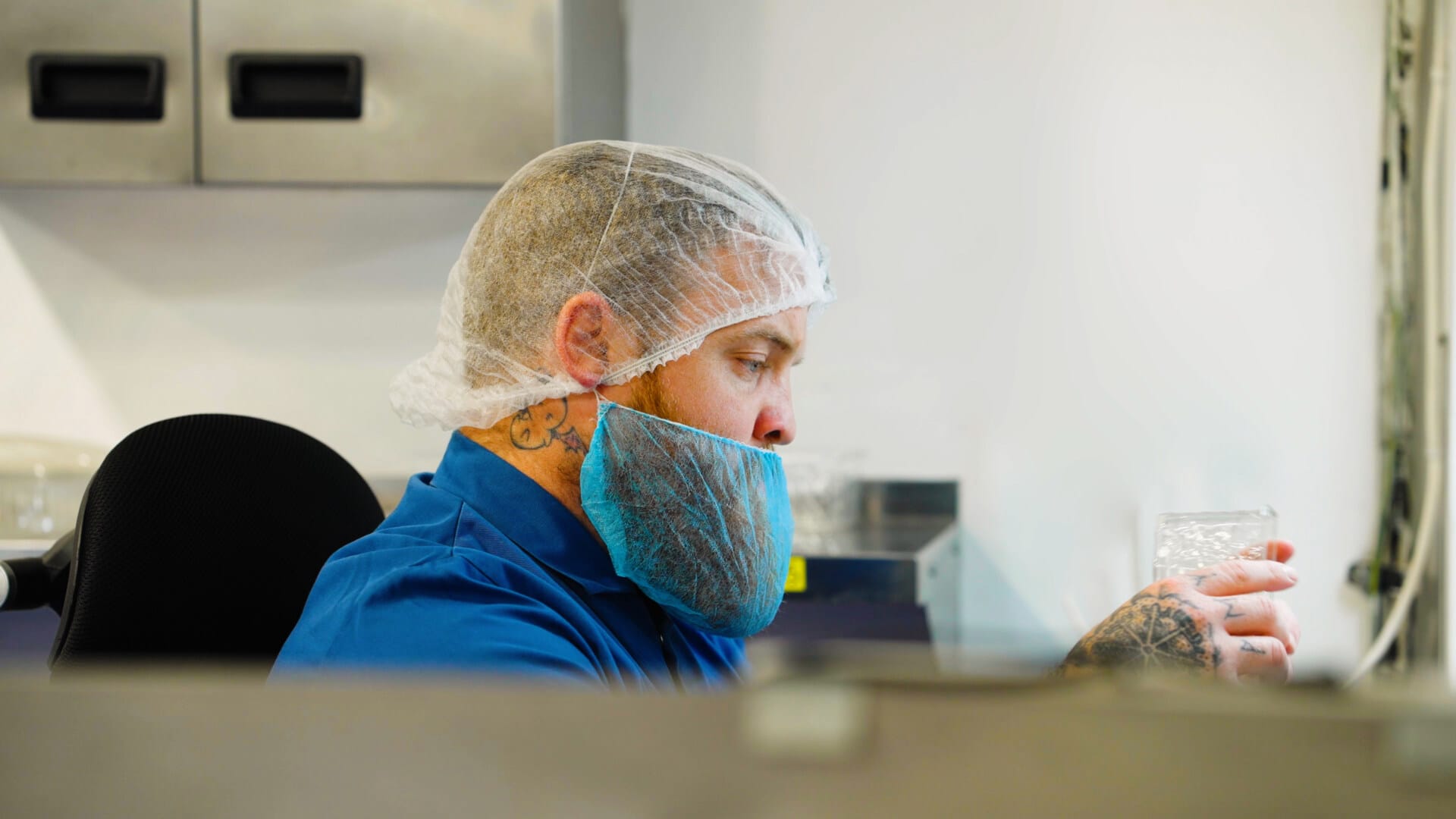
This is where interviews and observational footage work together. A production leader might explain the business reason for a new approach, while an operator or engineer shows how it fits into the process. That combination creates a more credible narrative than either a polished statement or an unstructured walkaround alone. It also gives local teams language they can use when explaining the change to colleagues.
The same principle applies when a business is trying to align sites around one operational priority. A focused video for leadership and site alignment can keep the central message consistent while still showing how the priority appears in different environments. That balance makes the content feel relevant rather than imposed.
Build a usable library instead of a single announcement
Standardisation is a process, so the content supporting it should be useful beyond launch day. One long film may introduce the reason for a change, but a collection of shorter chapters can help people return to the right point when they need it. Separate sections might cover preparation, critical checks, escalation routes, handover expectations and examples of good practice.
These assets can support onboarding, refresher training, toolbox talks, improvement meetings and conversations between sites. They can also help managers answer questions consistently. When a new team member asks how a particular step should look, a concise visual example is often more effective than asking them to search through a large folder of documents.
Planning the library at the beginning affects how efficiently the filming day runs. A single setup can often produce a main overview, short instructional extracts, interview clips and material for internal communications. The result is a flexible bank of content rather than a film that is watched once and forgotten. A training-led manufacturing video strategy can then reinforce the standard at the moments when people are most likely to need it.
Use evidence to keep the standard alive
The best multi-site video projects are connected to a simple feedback loop. After publication, leaders can ask whether teams understood the intended behaviour, whether the film answered the questions people actually had and where local conditions require an additional explanation. Those observations can guide updates, new chapters or targeted follow-up filming.
Video can also help make progress visible. Comparing how a process is explained before and after an improvement gives teams a shared record of what changed. Showing examples from more than one site can encourage practical learning without turning the exercise into a competition. The focus remains on making the standard clearer and helping people recognise its value.
For manufacturers, the goal is not uniformity for its own sake. It is dependable understanding: the confidence that people in different locations are working from the same intent, can see what good looks like and know how to act when reality differs from the plan. When manufacturing video is planned around those outcomes, it becomes a durable operational tool—one that helps standards travel further, decisions land faster and expertise remain visible across the business.