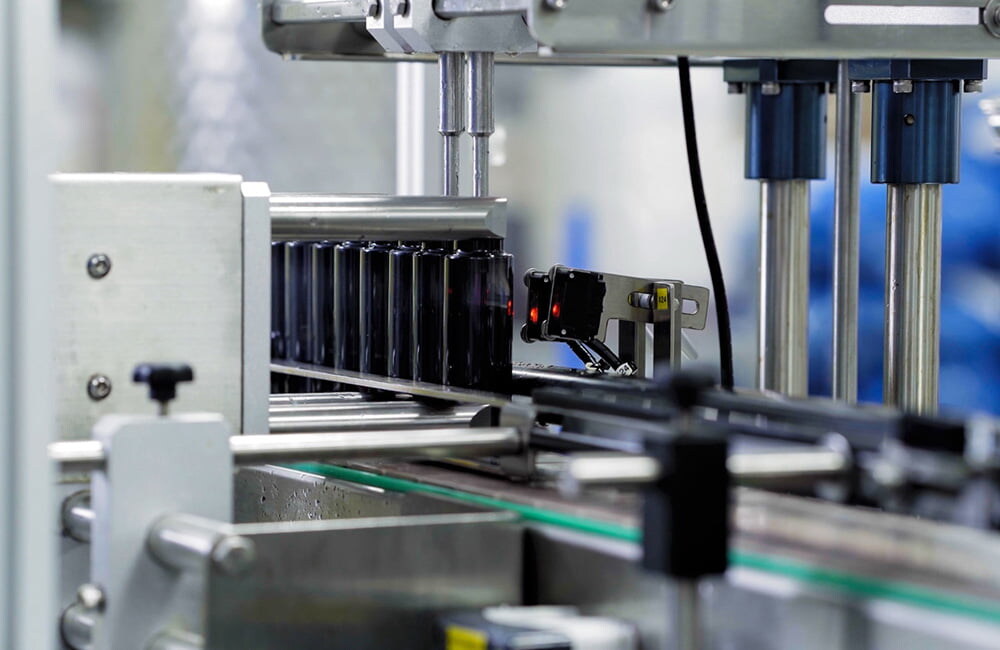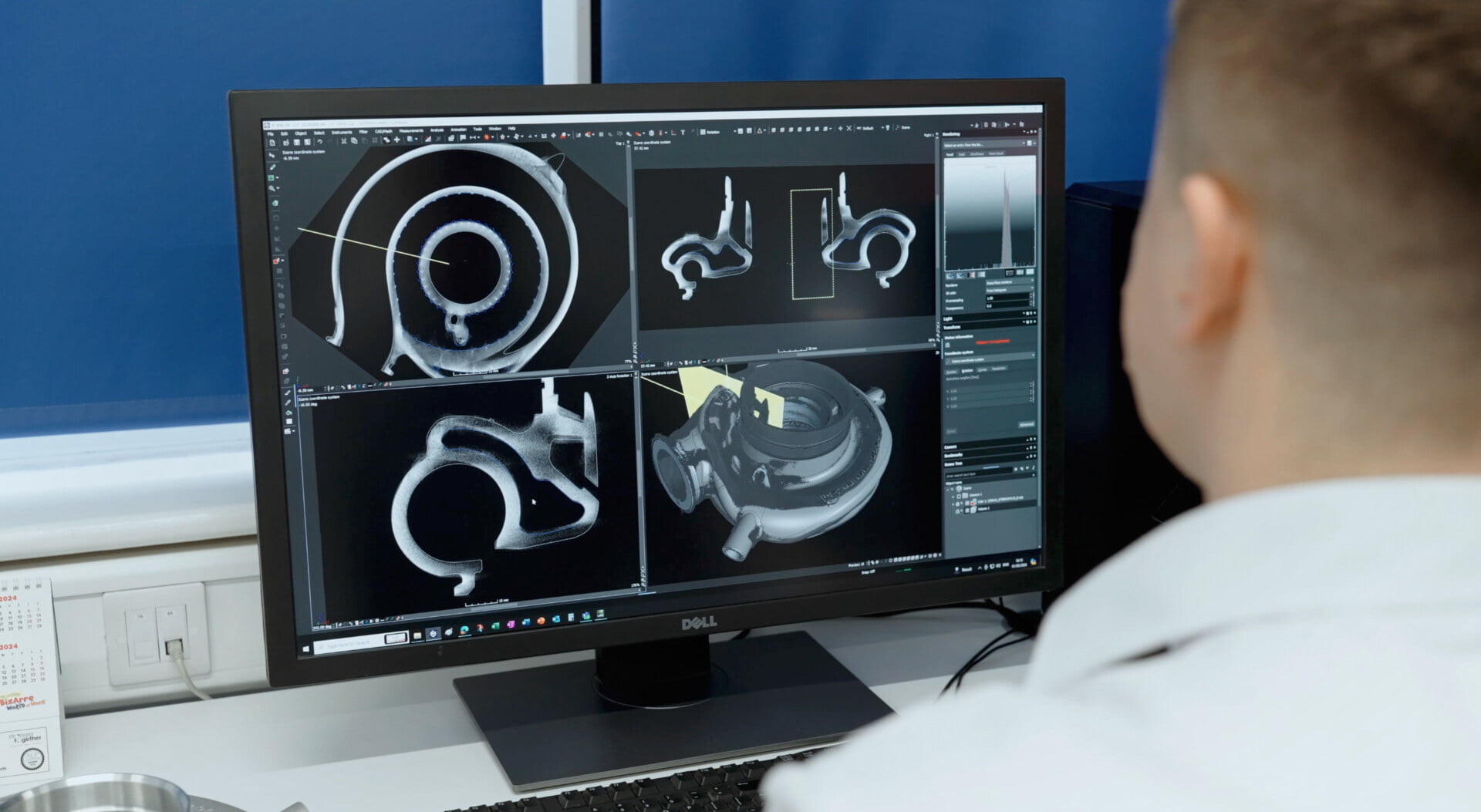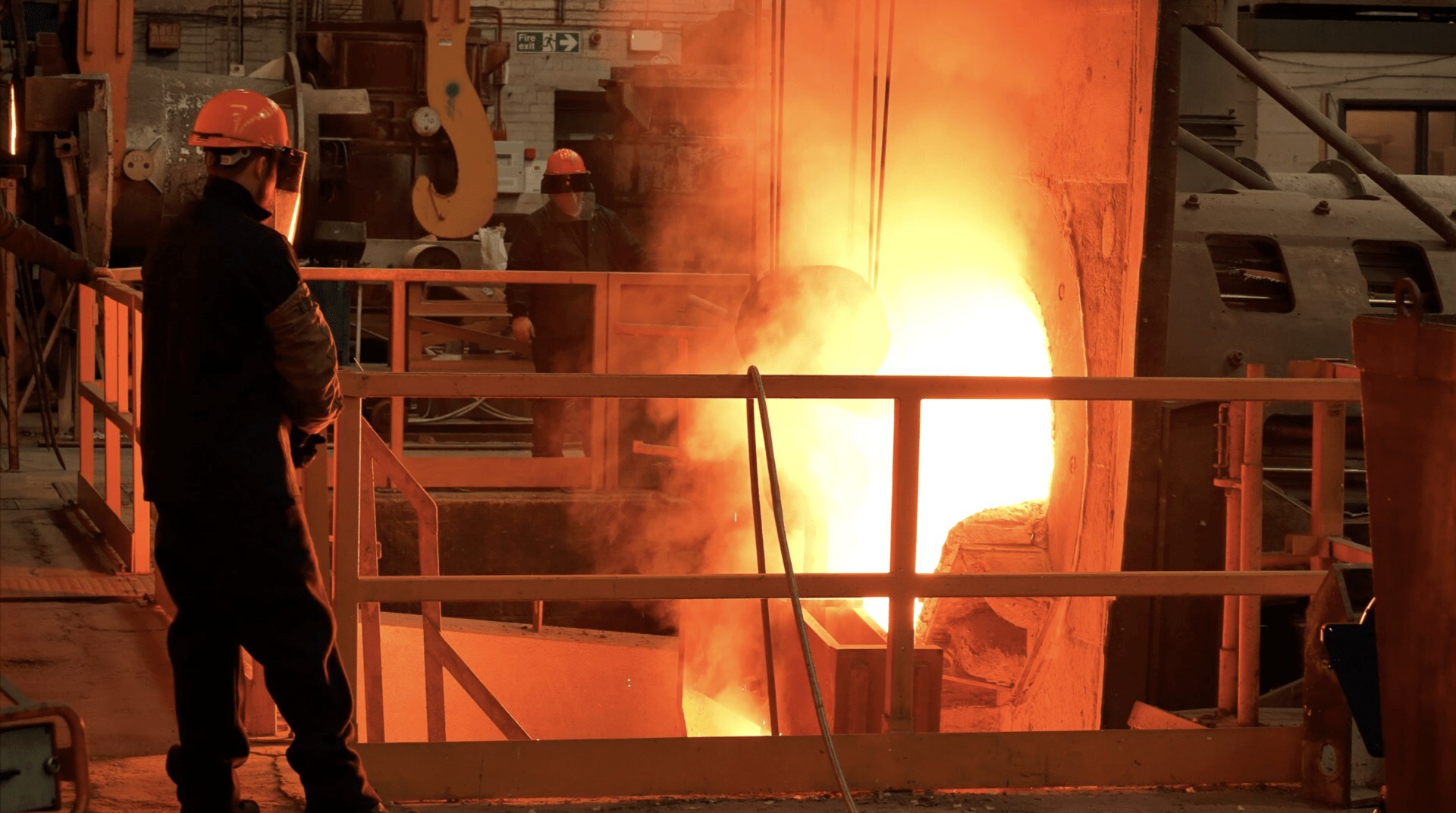
Maintenance teams carry some of the most valuable knowledge in a manufacturing business. They know which sounds indicate a developing fault, which adjustments prevent repeat failures and which small decisions protect an entire production schedule. Yet much of that knowledge remains difficult to share because it is built through experience on the factory floor rather than written in a neat document. Manufacturing video can make that expertise visible, practical and easier for other people to use.
Turning Maintenance Experience Into Shared Understanding
A maintenance response is often too detailed for a conventional case study and too dynamic for a static photograph. A video can show the relationship between a machine, its operating conditions and the decisions made by the people responsible for keeping it productive. Viewers can see the sequence of checks, the points where judgement matters and the evidence that supports a particular intervention.
This is especially useful when a business is onboarding new engineers, explaining capability to a customer or building confidence across departments. Instead of asking people to imagine what a maintenance team does, the organisation can show the environment, the standards and the discipline behind the work. Good filming keeps the story clear without removing the technical detail that gives it credibility.
That clarity also supports the wider value of turning maintenance expertise into faster decisions. When the right context is captured, people can return to the footage when they need it, rather than relying on a hurried conversation or an incomplete handover.
Making Downtime Lessons Useful Beyond the Incident
Every unplanned stoppage creates a lesson, but the lesson can be lost once the line is running again. A video-led review gives the team a way to explain what happened, what was changed and why the new approach should be trusted. It can include the surrounding process, the relevant safety considerations and the practical checks that helped confirm the fix.
The goal is not to create a dramatic reconstruction of a failure. The strongest content is calm, specific and honest about the conditions that shaped the decision. A maintenance leader might explain how a recurring issue was identified, while close-up footage shows the relevant component or inspection point. That combination helps non-specialists understand the consequence of the problem without turning the article or film into a simplified sales message.
It also creates a useful bridge between maintenance, operations and quality. The same footage can help a production manager understand the operational impact, help a quality lead see how standards were protected and help a finance team understand why a planned improvement deserves investment. A well-structured manufacturing process story that turns detail into momentum gives each audience a reason to keep engaging with the work.
Building Confidence in Planned Improvement
Maintenance is not only about restoring equipment after a fault. It is also about improving reliability, reducing avoidable variation and creating better conditions for the people who operate the process. Video can document these improvements in a way that shows both the technical change and its effect on everyday work.
For an internal audience, that may mean showing a new inspection routine, a redesigned access point or a clearer escalation process. For an external audience, it may mean demonstrating the care taken to protect consistency and continuity. In both cases, the viewer benefits from seeing the people, equipment and working environment together. The story becomes more believable because the improvement is connected to a real process rather than presented as an abstract claim.
Maintenance leaders can also use this material to support investment conversations. A short film that explains the problem, the intervention and the measurable difference gives decision-makers a clearer basis for discussion. It can sit alongside reports and data while providing the human and operational context those formats often miss.
Creating a Practical Library of Technical Knowledge
One film rarely solves every communication challenge. The greater opportunity is to build a library of focused pieces: a line overview, an explanation of a critical maintenance practice, a project case study and a short interview with the people who keep the operation moving. Each asset can answer a specific question and remain useful across recruitment, training, sales and customer communication.
Planning this library around real questions keeps production efficient. Before filming, the team can identify which moments are difficult to explain in writing, which processes are most important to demonstrate and which stakeholders need confidence. The result is content that serves a clear purpose rather than a collection of attractive shots.
That approach reflects the broader principle behind manufacturing video that answers buyers’ questions. When maintenance knowledge is organised around what people genuinely need to understand, it becomes easier to share, easier to remember and far more valuable long after the camera leaves the site.
Making Maintenance Visible
Maintenance teams protect production quietly, often receiving attention only when something goes wrong. Manufacturing video gives them a constructive way to show the judgement, care and continuous improvement that keep a facility dependable. By capturing real environments and explaining the reasoning behind the work, businesses can turn isolated downtime lessons into shared understanding and stronger performance.