Capital projects in manufacturing rarely fail because the plan is unclear on paper. More often, momentum is lost between the plan and the people who need to understand it. A programme manager may be tracking milestones, an engineering team may be solving technical constraints, and operators may be preparing for a major change in the way a site works. Each group has a different view of progress. Manufacturing video gives them a common, practical reference point.
A well-planned film can show what is changing, why it matters and how the work is moving from one stage to the next. That makes a complex project easier to communicate internally and easier to explain to customers, partners and investors. Instead of relying on scattered updates, teams can share a clear visual story that connects investment decisions with activity on the factory floor.
Make project progress visible between formal milestones
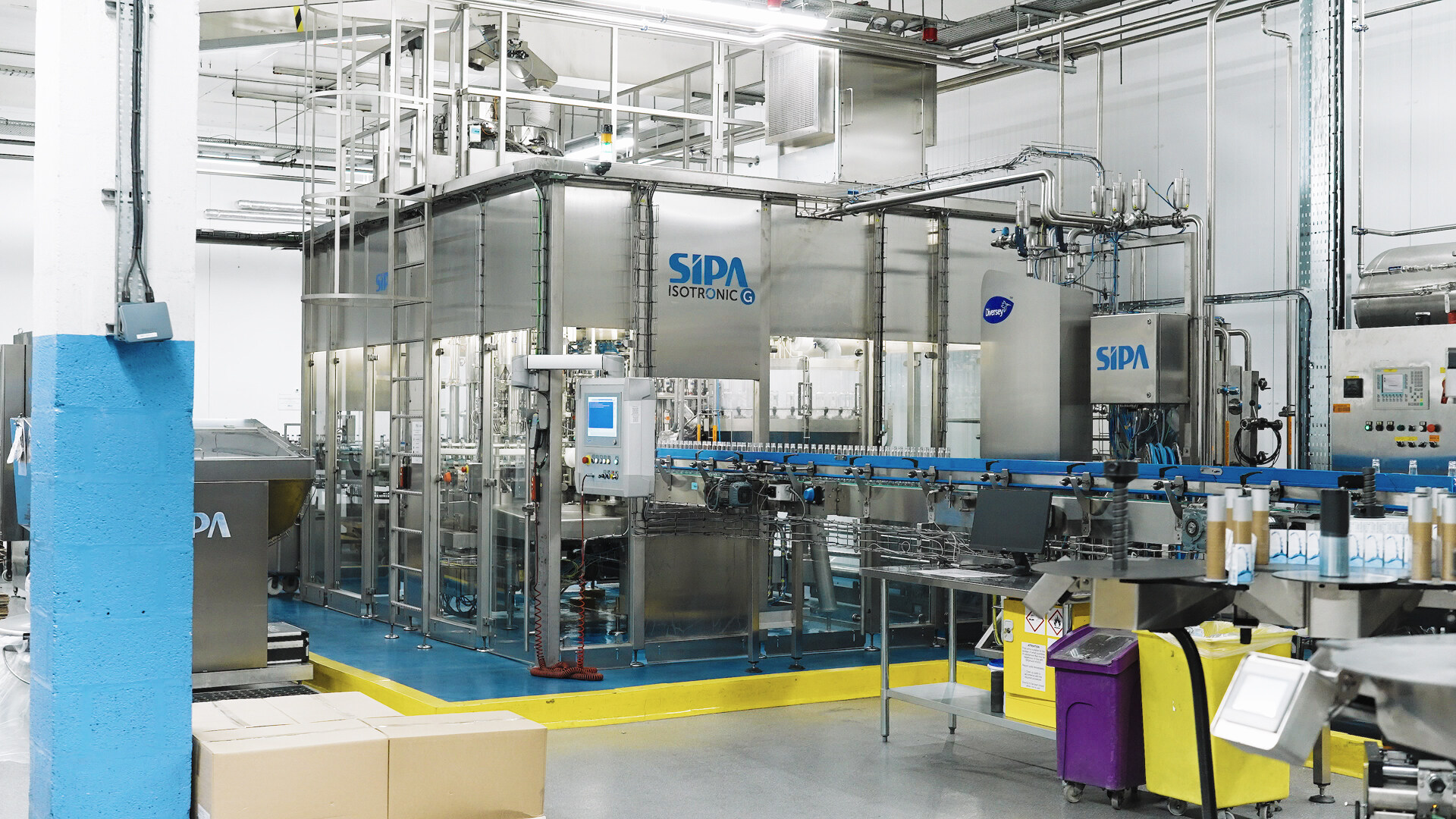
Capital projects often have long periods when the most important work is happening out of sight. Surveys, design reviews, procurement, installation and commissioning may each take weeks or months. A written report can confirm that a stage is complete, but it rarely captures the scale of the change or the effort required to reach it. Carefully timed filming can record the baseline, the work in progress and the finished result.
This creates a useful visual record for project communications. A short sequence showing an empty area before installation, the arrival of new equipment and the first controlled operation can communicate more in seconds than several pages of status notes. It also helps leaders recognise progress when the project still feels unfinished. The footage becomes evidence that the programme is moving, even while individual teams remain focused on their own tasks.
That continuity matters when projects span multiple locations or involve several contractors. Consistent filming choices, clear labels and a disciplined editorial structure help viewers understand what they are seeing. The result is not simply a collection of attractive shots; it is an accessible record of how the project is developing.
Give different audiences the same reliable story
One of the strengths of manufacturing video is its ability to translate between technical and commercial audiences. Engineers may want to explain tolerances, integration points or validation work. Finance leaders may need to see how investment is improving capacity or resilience. Customers may care about delivery confidence, quality controls and the ability to scale. A single project can therefore require several messages without losing its central narrative.
The answer is to build the story around outcomes rather than jargon. Show the constraint the project is addressing, the decision that unlocked progress and the practical difference the completed work will make. Supporting detail can then be added for the audience that needs it. This approach follows the same principle as using one clear story for technical teams: the film should reduce interpretation, not ask every viewer to become an expert in the project.
It can also strengthen customer-facing communication. When a project demonstrates additional capacity, improved automation or a more robust production route, visual proof gives commercial teams something concrete to share. The discussion moves away from promises about what will happen and towards evidence of what is already being built and tested.
Turn documentation into a useful project asset
Project footage has value beyond the launch video. The same material can support internal briefings, recruitment, training, stakeholder presentations and future case studies. Capturing the right details during the project means teams do not have to recreate the story later, when temporary equipment has been removed or key people have moved on.
To make that possible, filming should be planned alongside the project schedule. Identify the moments that will disappear: a difficult lift, a first installation, a commissioning test, a handover or a change in layout. Capture interviews while the people closest to the work can still explain the decisions in their own words. This is especially useful when the project will later inform repeatable training and best-practice communication.
Good production also protects the credibility of the final piece. Safety requirements, access restrictions, confidential information and production continuity all need to be respected. A manufacturing videographer should understand how to work around live operations, obtain meaningful detail without disrupting them and shape a polished story from real conditions rather than staged activity.
Help investment become easier to trust
Capital expenditure is judged by more than the equipment purchased. People want to understand whether the investment is being managed responsibly and whether it will produce a meaningful operational result. Video can connect the strategic case with visible progress: the old constraint, the project response, the people involved and the capability that is emerging.
That is why a project film should not wait until everything is complete. Early footage creates context, progress footage builds confidence and completion footage demonstrates the outcome. Together, those stages form a credible narrative that can be revisited long after the final installation. They can also support investment communication that links plans to practical progress.
For manufacturing businesses, the most valuable result is often alignment. When teams can see the same journey and understand how their work contributes to it, milestones become more than dates on a programme chart. They become shared proof that the business is moving forward with purpose.