Manufacturing tenders are often won or lost on how confidently a customer can understand a supplier’s capability. A written response may describe machinery, processes, certifications and experience, but it can still leave the evaluation team translating claims into a picture of what will happen on the factory floor. Manufacturing video gives bid teams a practical way to make that picture clearer, more credible and easier to remember.
For a manufacturer, the strongest tender video is not a generic corporate film placed at the end of a submission. It is a focused piece of evidence. It shows the relevant environment, the people who manage the work and the controls that protect quality, safety and delivery. When it is planned around the questions evaluators actually need answered, video can support the written bid without repeating it.
Make capability visible before the evaluation meeting
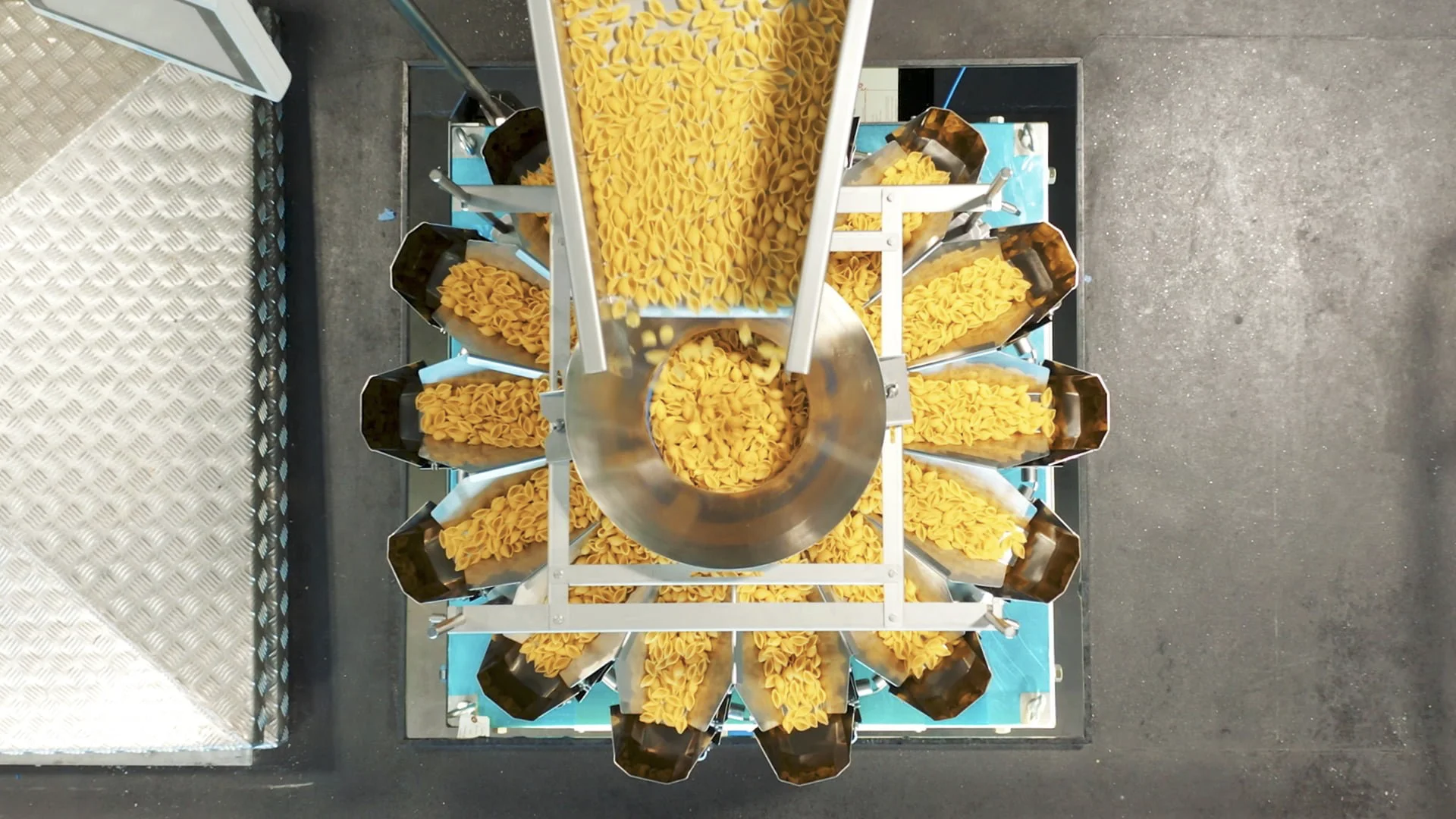
A tender panel may be reviewing several suppliers that use similar language: reliable delivery, advanced equipment, responsive service and experienced teams. Those phrases matter, but they are not always distinctive. Video can add the operational detail that helps a buyer understand the difference. A well-structured sequence might show material arriving, work being prepared, inspection points being completed and finished goods being handled for dispatch.
This visual evidence is particularly useful when the proposed work is technically complex or difficult to explain with photographs. The movement of a production line, the layout of a controlled area or the way operators interact with equipment can communicate scale and discipline quickly. It also helps people outside the technical buying team see that the supplier understands the practical demands behind the specification.
Connect the film to the customer’s scoring criteria
The most effective bid content starts with the tender questions, not with a list of shots that look impressive. If the evaluation gives weight to quality assurance, the film should show how checks are built into the workflow and who owns the decision when a result falls outside tolerance. If delivery confidence is important, the story can follow planning, scheduling, production and despatch rather than treating the factory as a collection of disconnected visuals.
That same discipline helps prevent a common problem: creating a polished video that has little relevance to the opportunity. A bid team should identify two or three claims that need proof and build the edit around them. The result can then sit beside the corresponding written sections, with clear signposting such as “capacity”, “process control” or “technical support”. The customer is not asked to guess why a scene is included.
Support technical detail with human credibility
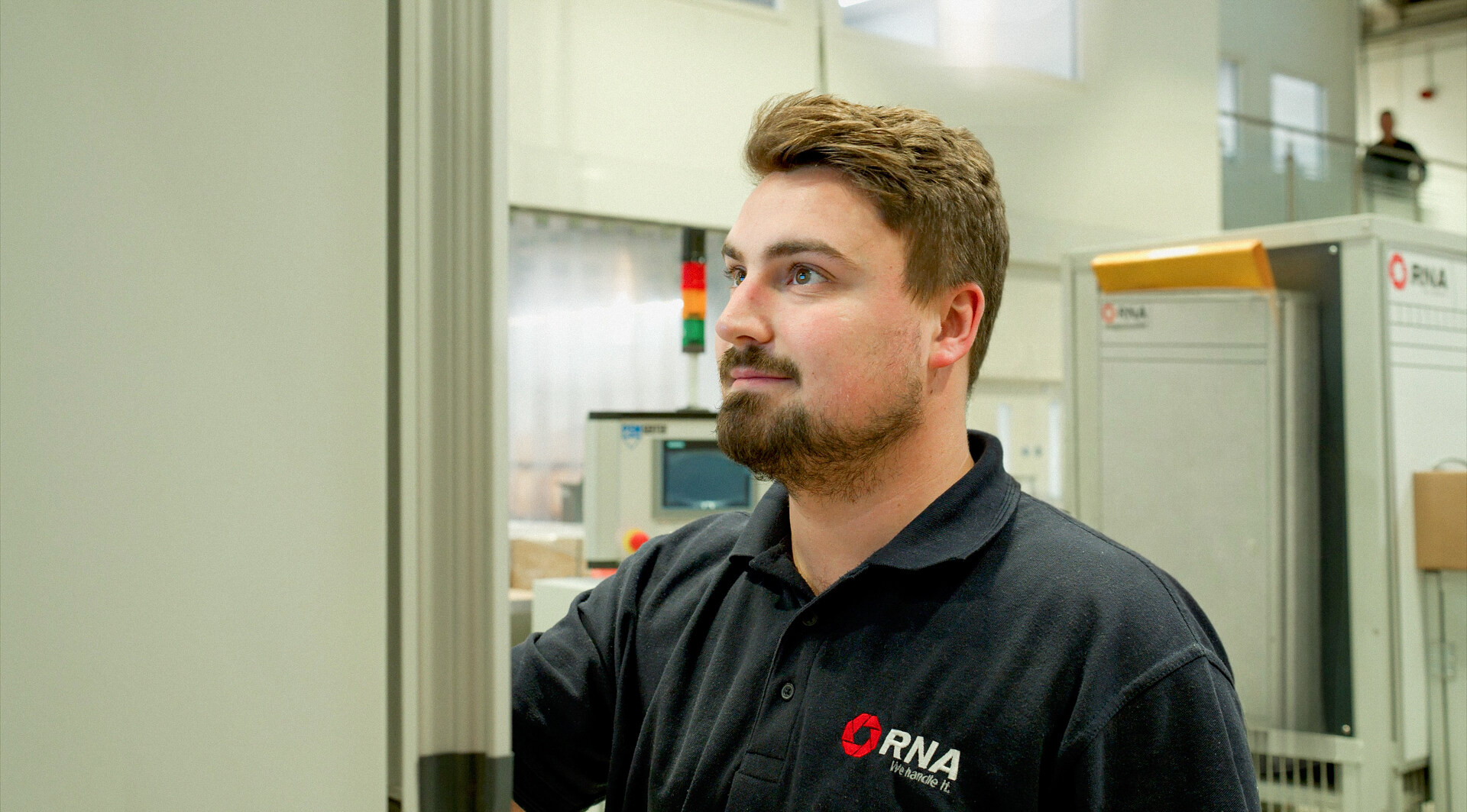
Buyers need evidence that a supplier can perform, but they also need confidence that the relationship will work in practice. Short contributions from engineers, production leaders or quality specialists can explain how decisions are made and how issues are escalated. These comments should be specific: what the team monitors, what experience has taught them and how they keep a customer informed when conditions change.
This human layer makes a tender feel less like a catalogue of assets. It gives the evaluation panel a sense of the people who will be responsible for delivery. It can also help a manufacturer demonstrate expertise without relying on exaggerated claims. A calm explanation beside the relevant equipment often carries more weight than a scripted promise about being “industry-leading”.
Reduce specification risk through visual proof
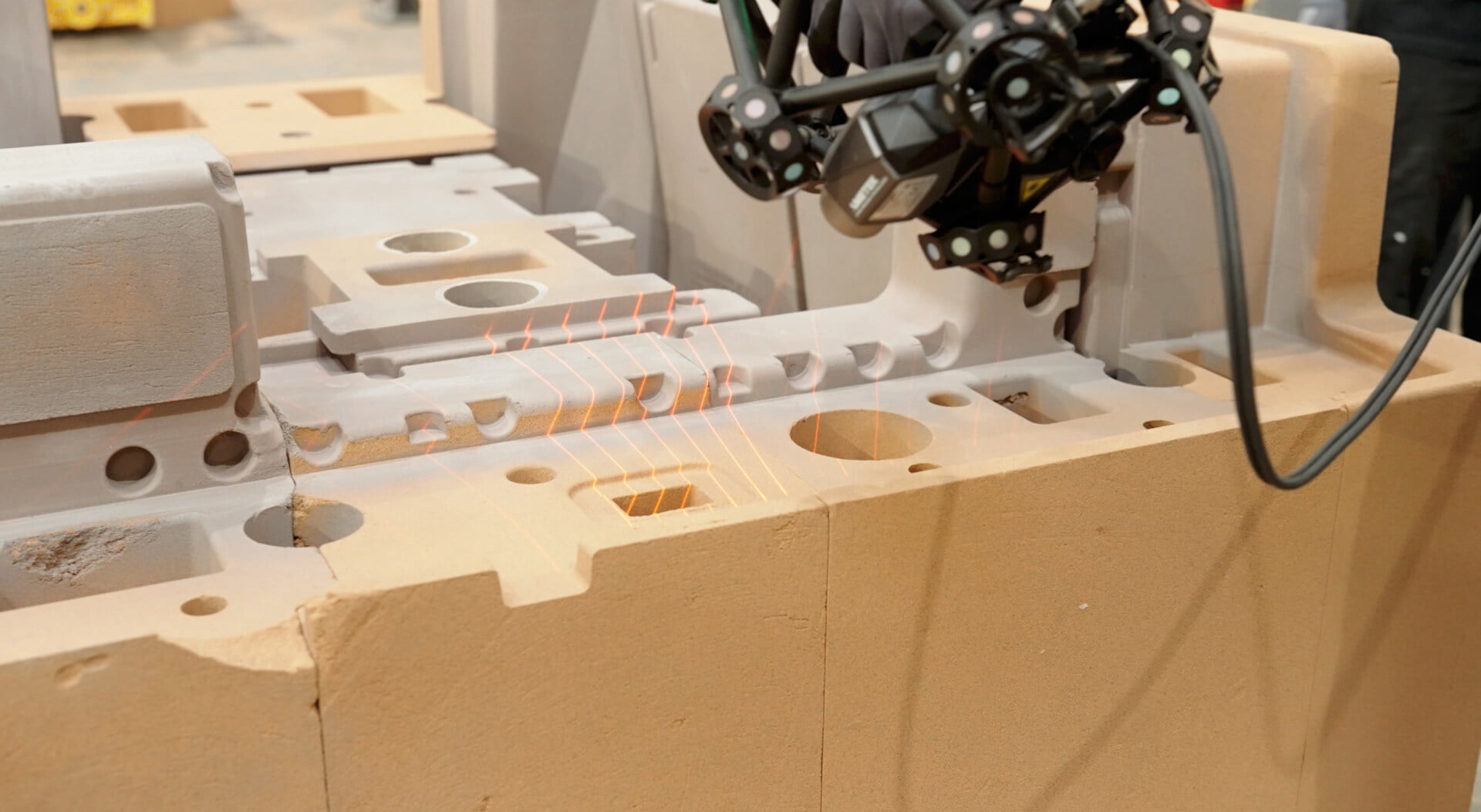
Video can be especially valuable when a buyer is concerned about whether a supplier’s interpretation of the requirement matches the real-world application. Showing tooling, inspection equipment, materials handling or a representative production stage can reveal useful detail early in the process. It gives the bid team an opportunity to explain what is standard, what is configurable and where customer input is needed.
This complements the wider role of manufacturing video in reducing specification risk. Instead of waiting for a clarification meeting to expose uncertainty, the supplier can use a carefully edited sequence to establish shared understanding. The aim is not to disclose confidential information; it is to make the relevant capability easier to evaluate.
Create versions that work across the bid process
A single master film can produce several useful outputs. A two-minute overview may belong in the main tender portal, while shorter clips can support a presentation, clarification response or follow-up conversation. A detailed technical sequence might be shared privately with an engineering evaluator, whereas a broader capability edit can help commercial stakeholders understand the value of the proposal.
Planning these versions at the start keeps the production efficient. The filming brief can capture clean soundbites, establishing shots and process details that will remain useful after the original submission. It also allows the bid team to keep messages consistent across the written response, presentation and sales follow-up. This is where video can support sales teams explaining technical value without forcing them to rebuild the story from scratch.
Measure usefulness by buyer confidence
The success of a tender video should not be judged by production gloss alone. Ask whether it answers a real evaluation question, whether a viewer can find the relevant evidence quickly and whether the film gives the customer a clearer reason to believe the written response. Feedback from bid managers, engineers and previous evaluation panels can improve the next brief.
For manufacturers, this makes video a reusable commercial asset rather than a one-off submission expense. The same footage can inform future bids, onboarding conversations and customer visits, provided it is kept accurate and its claims remain current. A focused manufacturing video helps a bid team show capability in the language buyers understand: visible process, accountable people and technical proof that supports better partnerships.
When the story is built around the customer’s decision, the result is more than a moving brochure. It becomes a practical part of the tender strategy—one that helps evaluators move from “this supplier says it can do the work” to “we can see how this supplier will do it.”