Process variation is a normal part of manufacturing, but it becomes expensive when teams cannot see where it begins, how it develops, or what good performance looks like in practice. A written procedure may describe the intended method, while a spreadsheet records the result, yet neither necessarily shows the small decisions that separate a stable process from a fragile one. Manufacturing video gives production, engineering and improvement teams a shared visual reference for those details.
Used well, video is not simply a polished record of a factory. It is a practical way to make work visible, compare different operating conditions and build a more useful conversation around improvement. Instead of relying on memory after a shift, a meeting or a customer visit, teams can study the sequence, environment and hand-offs that influence the outcome. That makes continuous improvement more grounded, more collaborative and easier to communicate across the business.
Make the real process easier to understand
Every manufacturing process contains more information than a standard operating procedure can comfortably hold. The timing of a material movement, the position of a tool, the way an operator checks a component or the pause before a decision may all affect quality and throughput. These moments are often obvious to experienced people on the line but invisible to colleagues who only see a diagram or a final result.
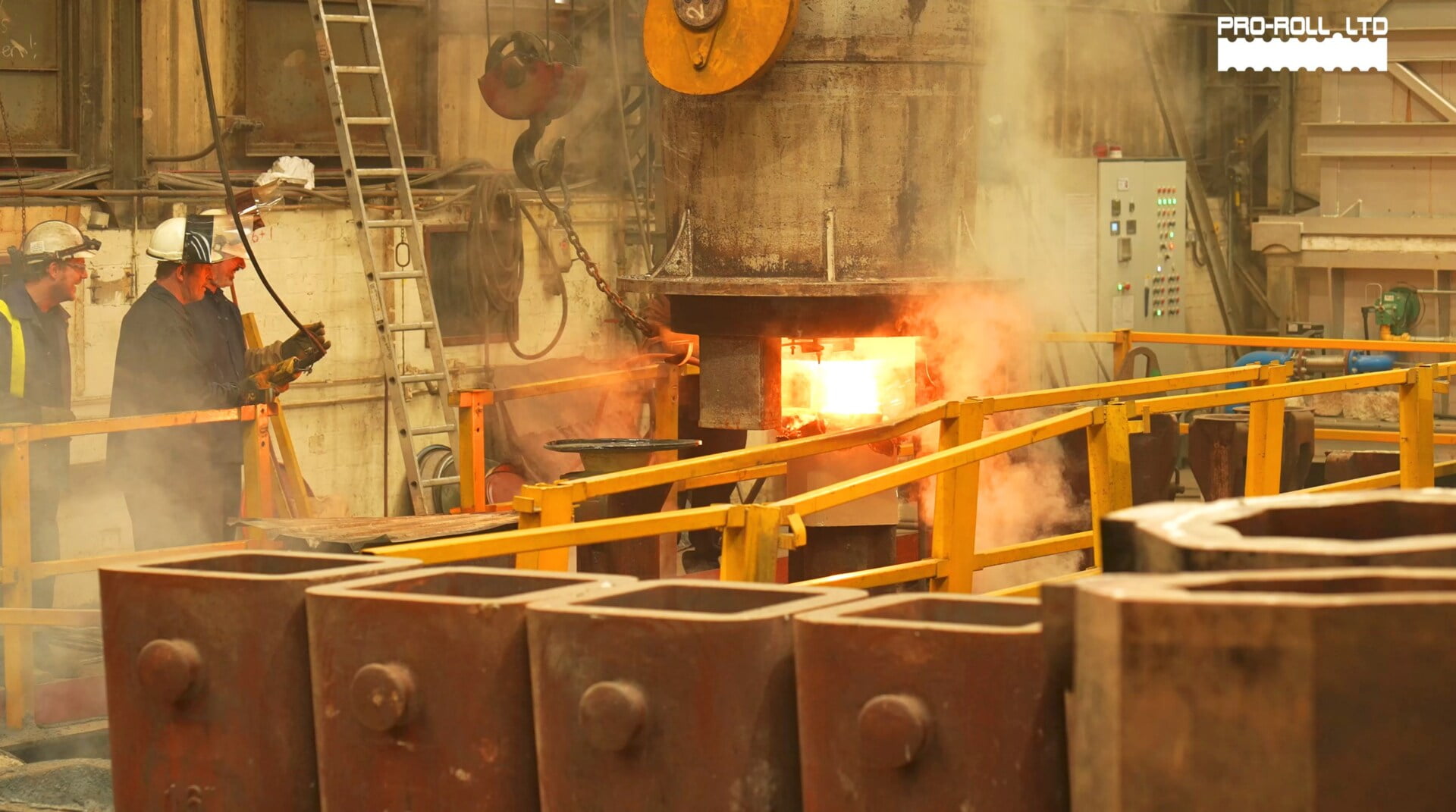
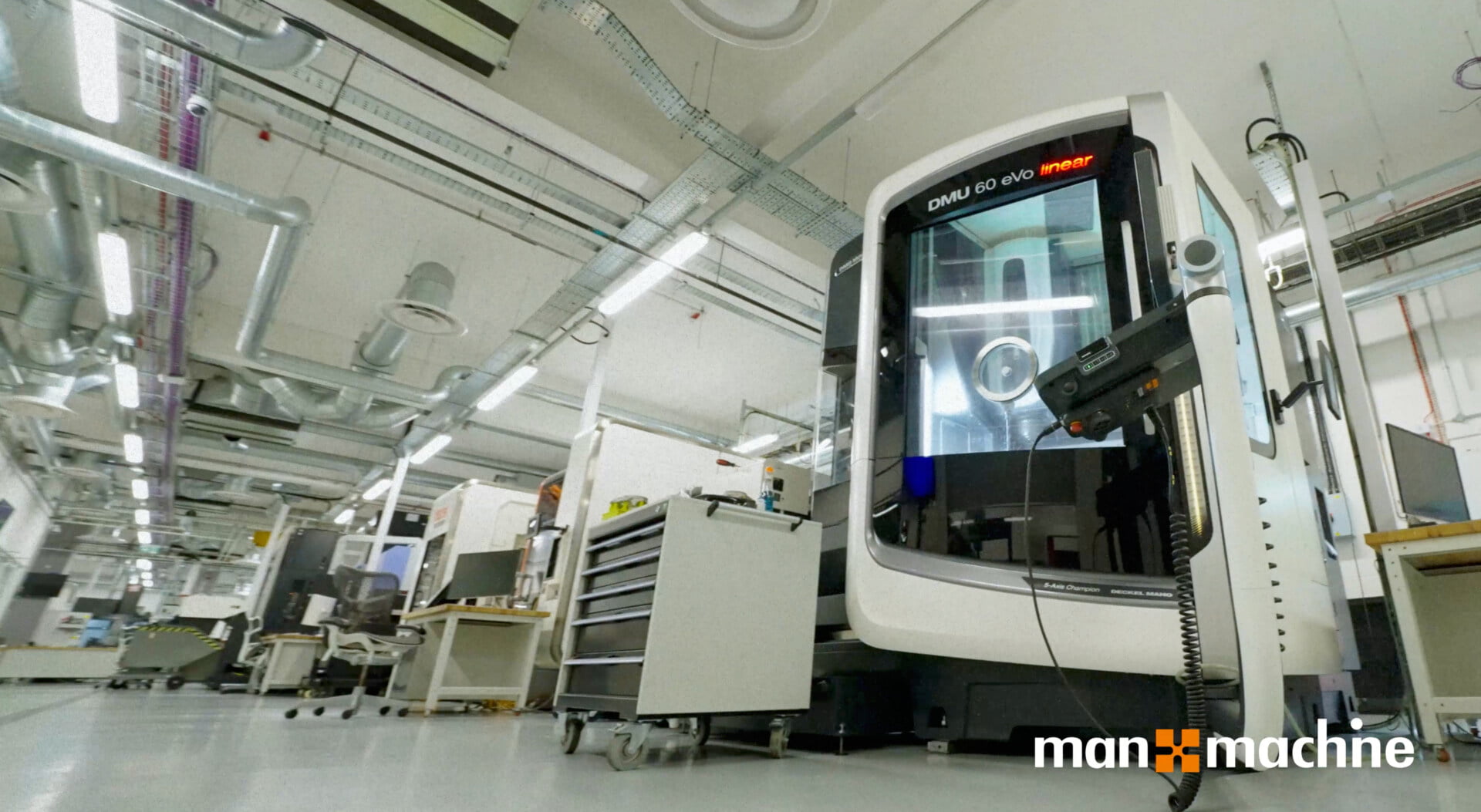
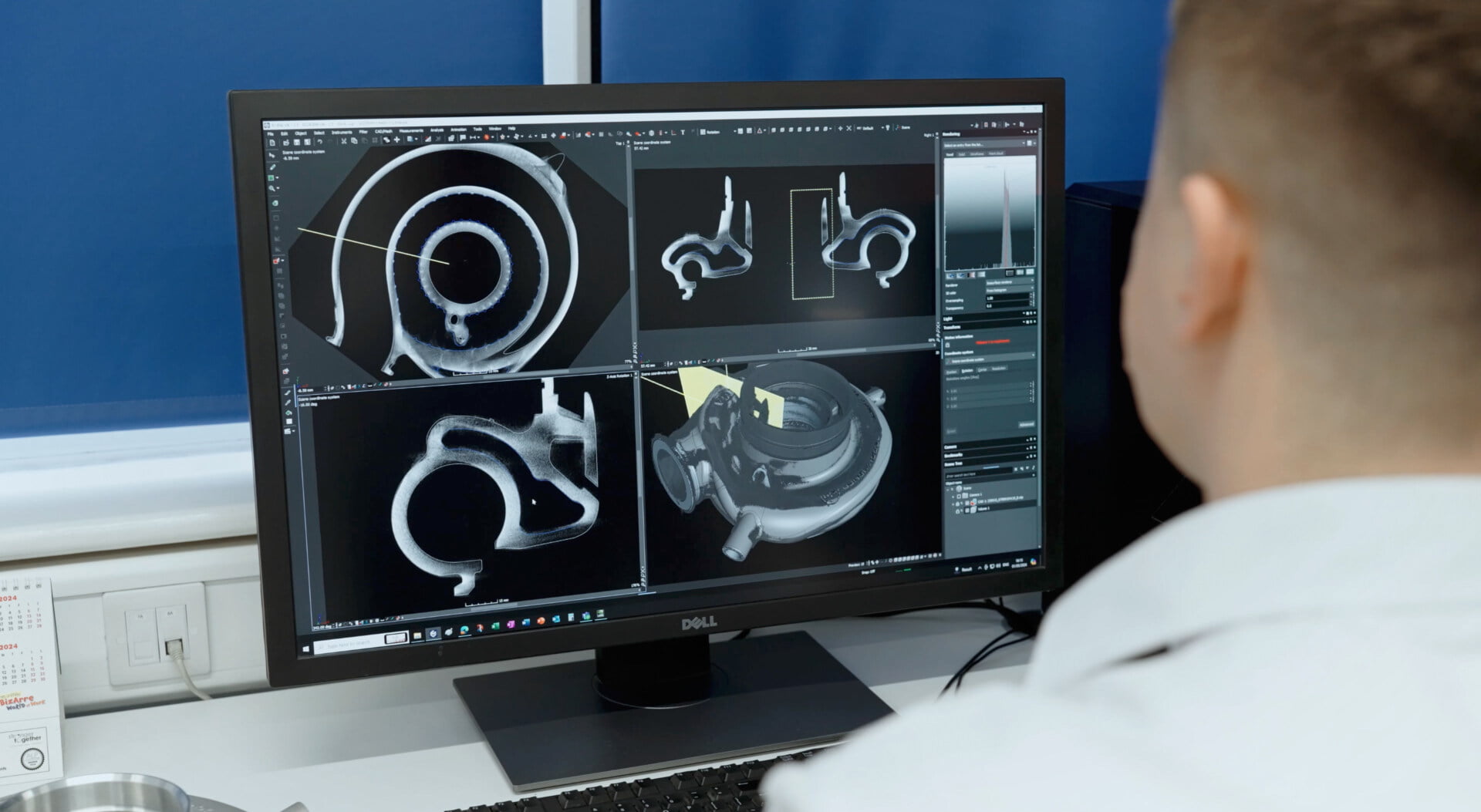
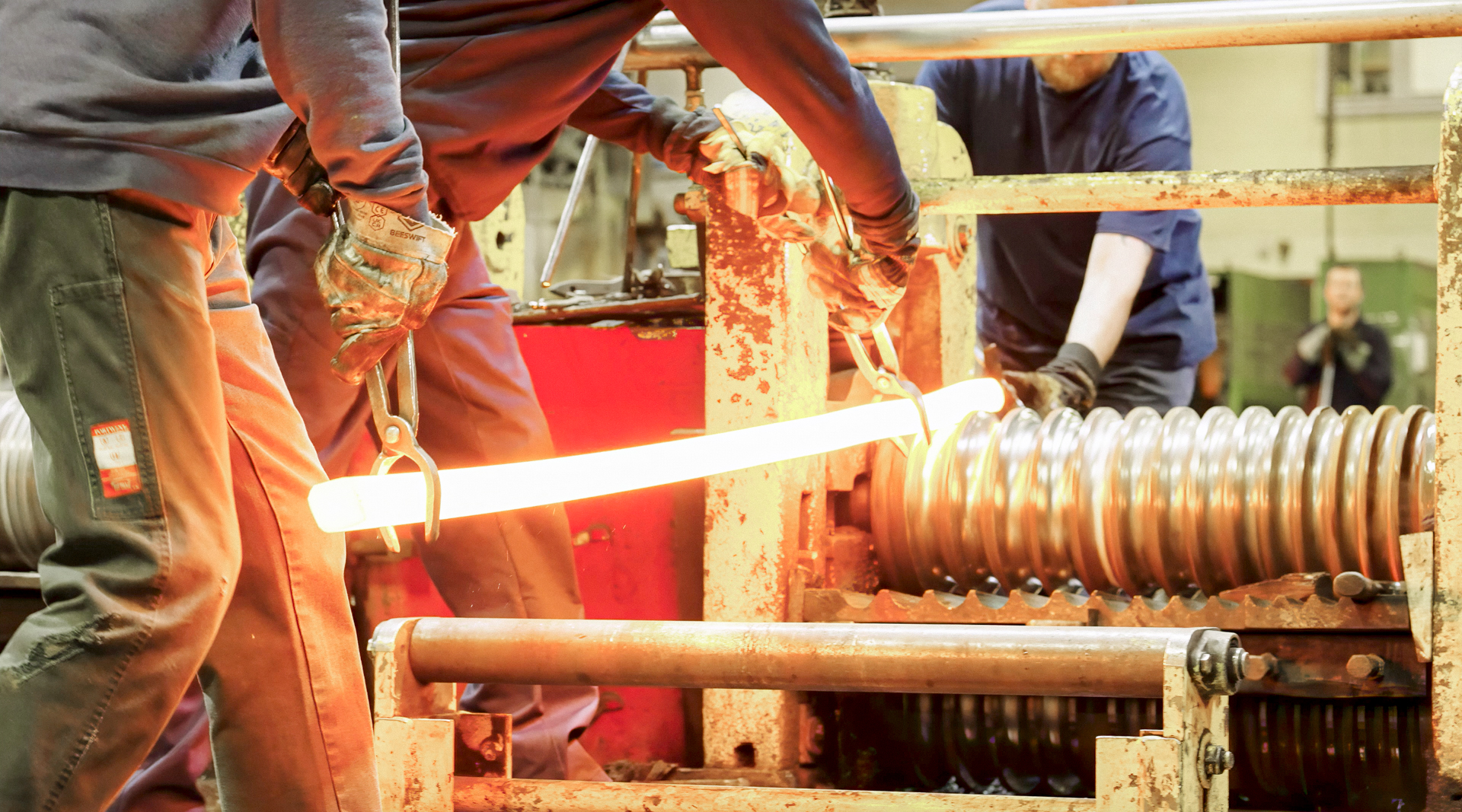
A carefully planned production video can capture the process at the right scale. Wide shots establish the relationship between workstations, while closer detail shows controls, components, fixtures and human interaction. A clear voiceover or on-screen annotation can explain why each stage matters without interrupting the visual evidence. This creates a reference that new team members, managers and technical stakeholders can understand together.
That shared understanding is especially valuable when a site is introducing a new product, line or shift pattern. Teams can use the film during briefings, onboarding and improvement workshops, giving people a consistent starting point rather than asking each person to interpret a verbal explanation differently.
Turn variation into a constructive conversation
Variation is difficult to discuss when it is treated as an abstract number. A chart may show that cycle time has moved, but it rarely shows the conditions surrounding the change. Video can connect the metric to the work: a replenishment delay, an awkward reach, a queue forming between stages, or a quality check that takes longer than planned. The purpose is not to blame an operator. It is to help the team see the system that shapes the result.
When several examples are captured under different conditions, the footage becomes a useful comparison tool. Leaders can look at a normal run beside a constrained run and ask precise questions. Where does the sequence diverge? Which decisions are repeatable? Which part of the method depends on individual experience? What could be redesigned, simplified or supported with better information?
This approach complements continuous improvement video by giving improvement activity a tangible evidence base. It also makes workshops more productive because the team can refer to the same moment instead of reconstructing it from competing memories.
Support consistent standards across shifts and sites
Manufacturers often have strong local expertise but uneven visibility between shifts, departments or locations. A process can be understood perfectly by one experienced team and still be interpreted differently elsewhere. Video helps transfer the practical context behind a standard: the checks that matter most, the signs that a machine is settling, the safe order of movements and the reasons behind a particular control.
For multi-site organisations, that context can accelerate alignment without pretending that every factory has identical equipment or constraints. A central team can share the principles and critical decisions, while local teams explain the adaptations they need. This is more useful than distributing a generic film that ignores the realities of each location.
It is also a powerful companion to structured onboarding. New starters can watch a process before entering a busy production environment, then use the footage with a supervisor to ask informed questions. Refresher learning becomes easier to schedule, and experienced operators can help refine the story so that it reflects safe, efficient work rather than an idealised demonstration.
Give improvement work a longer commercial life
The value of a manufacturing film continues after the original filming day when the content is planned around real business uses. A detailed process film may support internal training, while shorter edits can help explain capability to customers, partners or procurement teams. A clear visual record can also strengthen technical buyer confidence by showing how quality is built into the operation rather than only claiming that it exists.
Planning matters because different audiences need different levels of detail. Operators may need an uninterrupted sequence and precise safety context. A customer may need the wider story: what the facility makes, how control is maintained and where specialist expertise creates value. A sales or bid team may need concise evidence that can be used in a presentation or proposal. Capturing the right underlying material makes those future uses possible without repeatedly disrupting production.
Good manufacturing video therefore becomes part of the company’s knowledge infrastructure. It helps improvement teams explain change, helps leaders preserve operational understanding and helps commercial teams communicate capability with credibility. For organisations reviewing their wider technical handover process, that combination of evidence and clarity can turn a one-off film into a durable business asset.
Process variation will never disappear entirely, but uncertainty about it can be reduced. By filming the work as it really happens, manufacturing teams can make hidden conditions visible, discuss improvement without guesswork and carry useful knowledge further across the organisation. The result is not just a more engaging story of the factory. It is a clearer foundation for safer decisions, more consistent performance and practical progress.