Technical buyers are often asked to make important decisions before they have seen a production environment for themselves. They may receive drawings, specifications, quality certificates and a carefully written proposal, but those documents do not always show how a supplier turns a promise into a repeatable result. The gap between what a manufacturer says it can do and what a buyer can confidently understand is where well-planned manufacturing video becomes valuable.
A useful video does not try to make a factory look impressive for its own sake. It gives viewers a practical way to see the people, controls and decisions behind the finished product. When the story is built around the questions technical buyers actually ask, video can make quality easier to recognise before a first production run, site visit or long-term agreement.
Show the controls behind the finished product
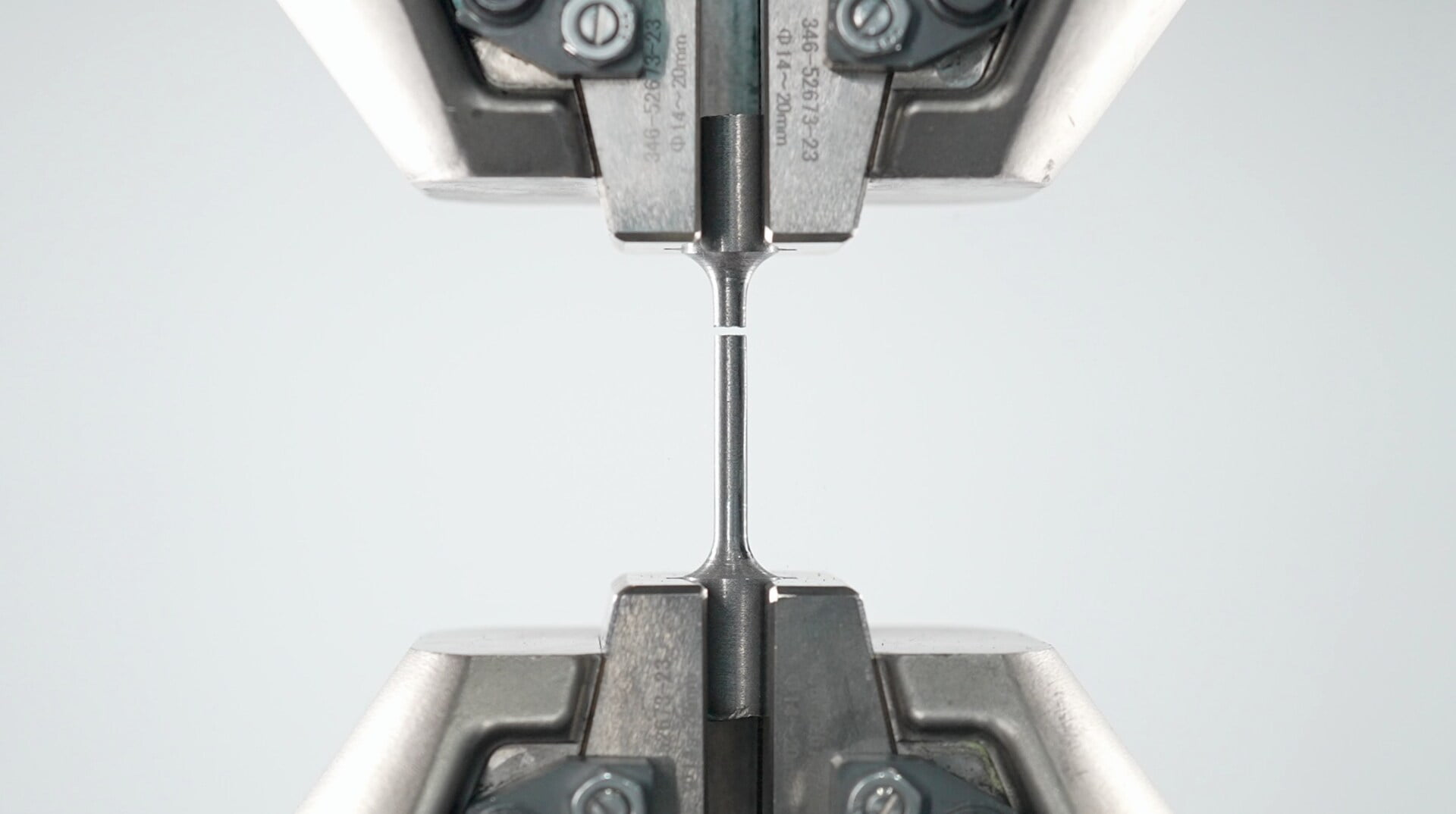
Finished components are important, but they are only one part of a buyer’s assessment. A polished sample can demonstrate an outcome without explaining how consistently that outcome can be achieved. Technical buyers want to know what happens between receiving the specification and releasing the completed work. They are looking for evidence of control: how materials are checked, how machines are set, how operators respond to variation and how inspection is built into the workflow.
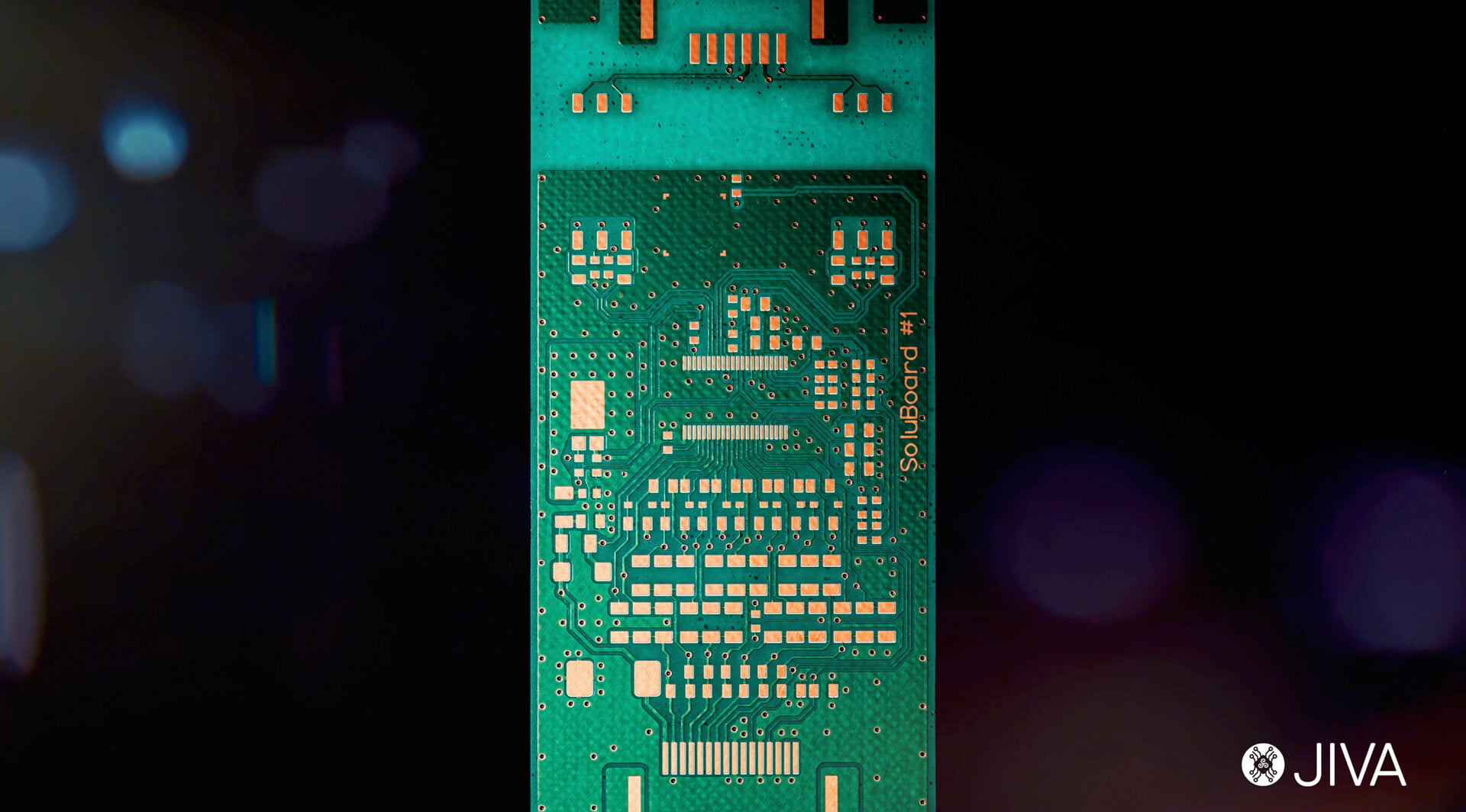
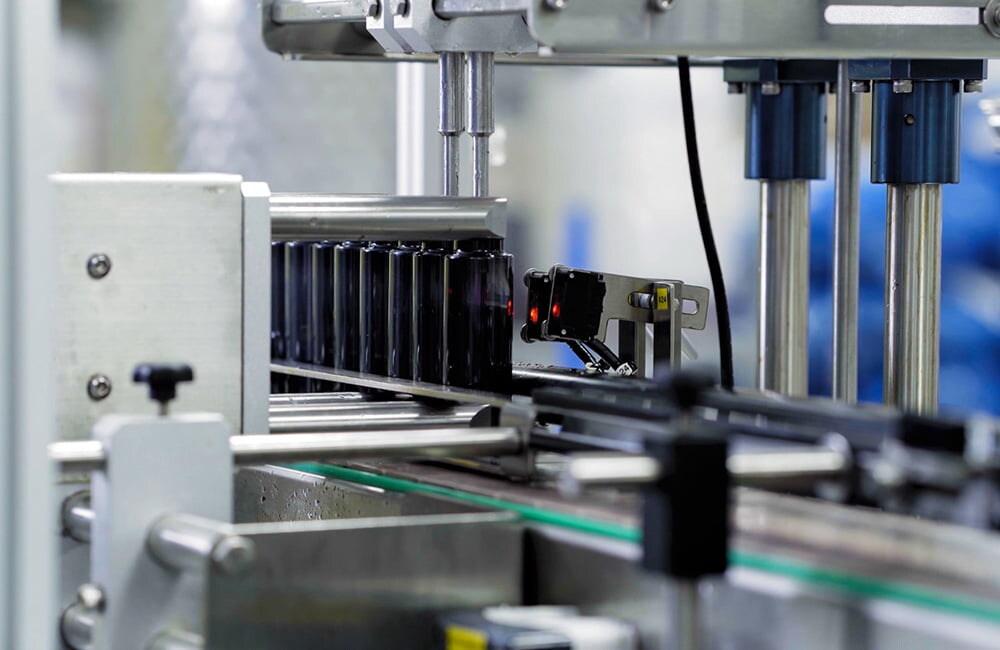
Manufacturing video can connect those stages into one clear visual sequence. A close-up of a measurement being taken, a shot of a work instruction beside a machine, or a short explanation from the person responsible for quality can carry more meaning than a general overview of the factory. The viewer begins to understand not just what is produced, but how the business protects the standard while production is moving at pace.
This approach is particularly useful when the process includes details that are difficult to explain in a meeting. Tolerances, changeovers, traceability, controlled environments and final inspection may all be familiar to the supplier, yet unfamiliar to a new customer. By showing the order and purpose of each stage, video helps technical stakeholders build a more accurate mental model of the operation.
Make quality evidence easier to compare
Supplier evaluation often involves several people with different priorities. An engineer may focus on capability and process fit. Procurement may need confidence in consistency and risk management. Operations may want to understand capacity, lead times and the practical realities of working together. A written proposal can contain all of the right information, but each stakeholder may interpret it differently.
A focused manufacturing video gives those stakeholders a shared reference point. It can show the same process from a technical, operational and commercial perspective without turning the film into a long catalogue of claims. The most effective structure usually follows a simple path: what the customer needs, how the factory responds, which controls protect the result, and what evidence demonstrates that the approach works.
This is why buyer-led planning matters. A video should be shaped around decisions, not simply around the availability of attractive machinery. The best scenes are the ones that answer a question a buyer is likely to raise. For example, footage of a material check can support a conversation about incoming quality, while a carefully framed view of inspection equipment can make measurement capability more tangible. These details give procurement and engineering teams something specific to discuss after the video ends.
Build confidence before the site visit
A site visit remains valuable, but it is not always the first step. Travel, project deadlines and internal approvals can make an early visit difficult to arrange. A concise film can help a prospective customer decide whether a conversation is worth progressing, while also making the eventual visit more productive. Instead of spending the first meeting establishing basic context, the buyer can arrive with informed questions about the parts of the process that matter most.
That early clarity can shorten the sales conversation without making it feel rushed. When a buyer has already seen how a team works, the discussion can move towards application, specification and delivery. Video therefore supports the commercial process while still respecting the technical depth of the decision. It does not replace evidence or due diligence; it helps the right evidence become visible sooner.
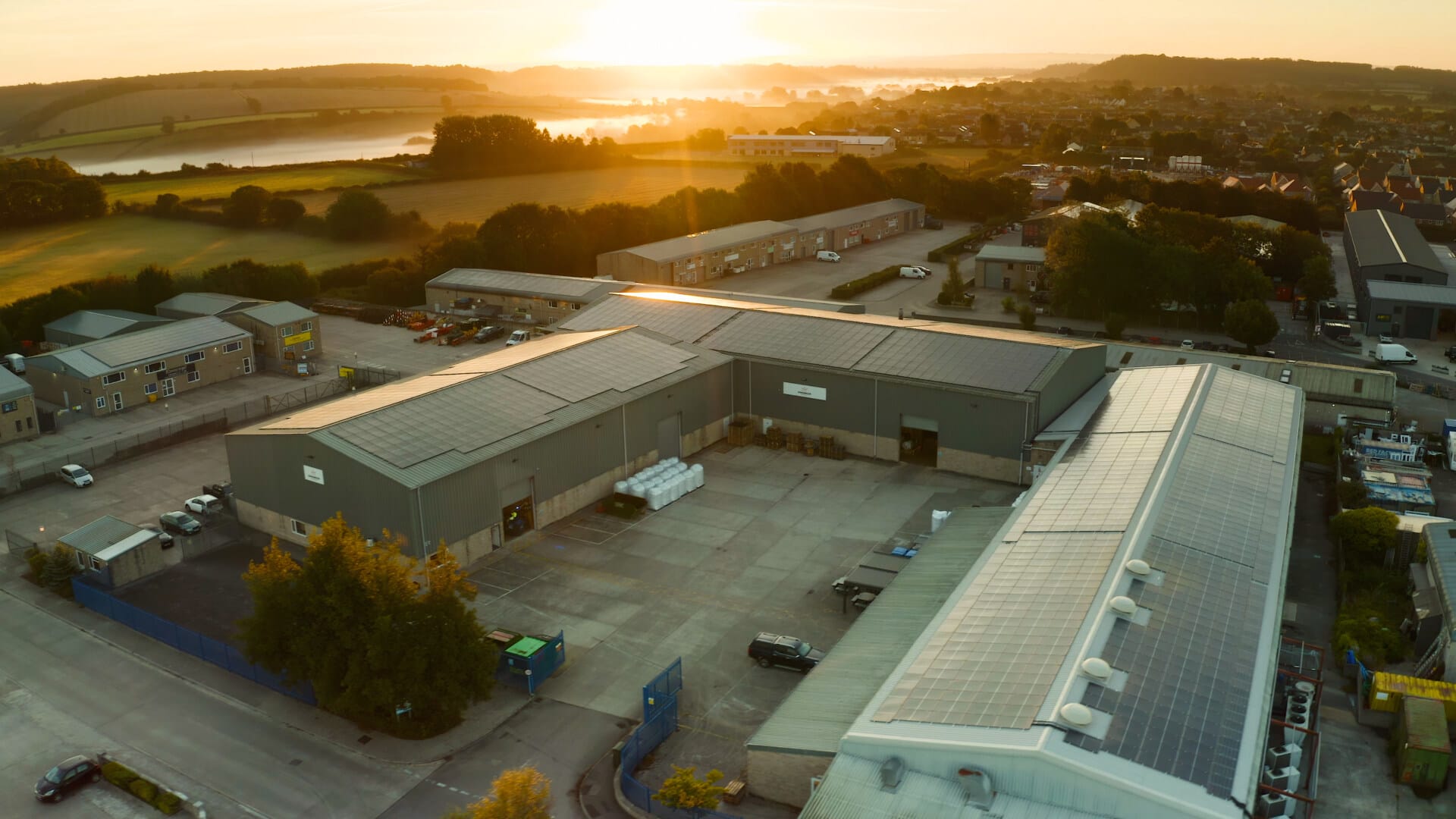
For manufacturers, this also creates an opportunity to present the operation accurately. A credible production story includes normal working conditions, experienced people and the practical checks that keep standards stable. It does not need exaggerated language or artificial drama. The value comes from making expertise observable and giving the viewer enough detail to judge whether the supplier understands the work.
Turn visual proof into a useful sales asset
The strongest manufacturing videos are planned for more than one viewing context. The full version may support a proposal or a technical meeting, while shorter sections can help a sales team answer a specific question during an online conversation. A quality-focused sequence might be useful to procurement, an application sequence to engineering, and a people-led explanation to a project manager who needs confidence in communication and responsiveness.
That flexibility should be considered before filming begins. A clear interview plan, a shot list tied to buyer questions and agreed access to the relevant areas of the factory will produce a more useful result than collecting generic footage and trying to find a story afterwards. It is also worth deciding which claims need visual proof and which are better supported by documents, data or a direct conversation.
When manufacturing video is treated as a communication tool rather than a decorative extra, it can support better questions and more confident decisions. It shows how quality is created, how variation is managed and how a supplier’s capability appears in practice. For technical buyers, that makes the journey from initial interest to production approval clearer, more focused and less dependent on assumptions.
For a deeper look at how buyer-focused content can shape the first conversation, see why manufacturing video works best when it answers buyers’ questions. You can also explore how process footage helps manufacturing buyers ask better questions and the role video can play in reducing specification risk for procurement teams.