Maintenance reviews often contain the most valuable operational knowledge in a manufacturing business, yet that knowledge can be difficult to share. A shutdown, failure, or extended intervention may involve engineers, operators, planners, contractors, and senior leaders, each seeing a different part of the event. Written reports record the facts, but they rarely capture the sequence, physical context, decision points, and practical judgement that made the response effective. A well-planned manufacturing video can turn that experience into a useful visual reference for the whole organisation.
The opportunity is not to film a meeting and call it a learning asset. The stronger approach is to build a clear visual story around what happened, why the team responded as it did, and what should happen next time. That can support maintenance training, improve handovers, strengthen contractor communication, and give leadership a more grounded view of resilience on the factory floor.
Make the real recovery process visible
When a critical asset stops, the recovery process is usually more complex than a timeline in a report suggests. People isolate equipment, check conditions, consult drawings, inspect components, test possible causes, and make decisions with incomplete information. Video can show that chain of activity in a way that is easier to understand and remember. Close-ups of components, safe demonstrations, animated overlays, and carefully structured interviews can connect technical detail to the operational consequence.
This is particularly valuable when the people who need the lesson were not present during the event. A new technician may understand the written corrective action but still struggle to picture the access issue, the warning signs, or the reason a particular sequence was chosen. A visual explanation gives them a repeatable reference. It also helps experienced staff explain tacit knowledge without relying on an informal conversation that may never be repeated.
Turn a shutdown review into a reusable training asset
A recovery review should start with a defined audience and a practical question. Is the video intended to help operators spot early indicators? Will it train engineers on a revised intervention method? Does it need to reassure customers and stakeholders that the business has learned from the event? Answering those questions before filming keeps the story focused and prevents the finished piece from becoming a long collection of disconnected interviews.
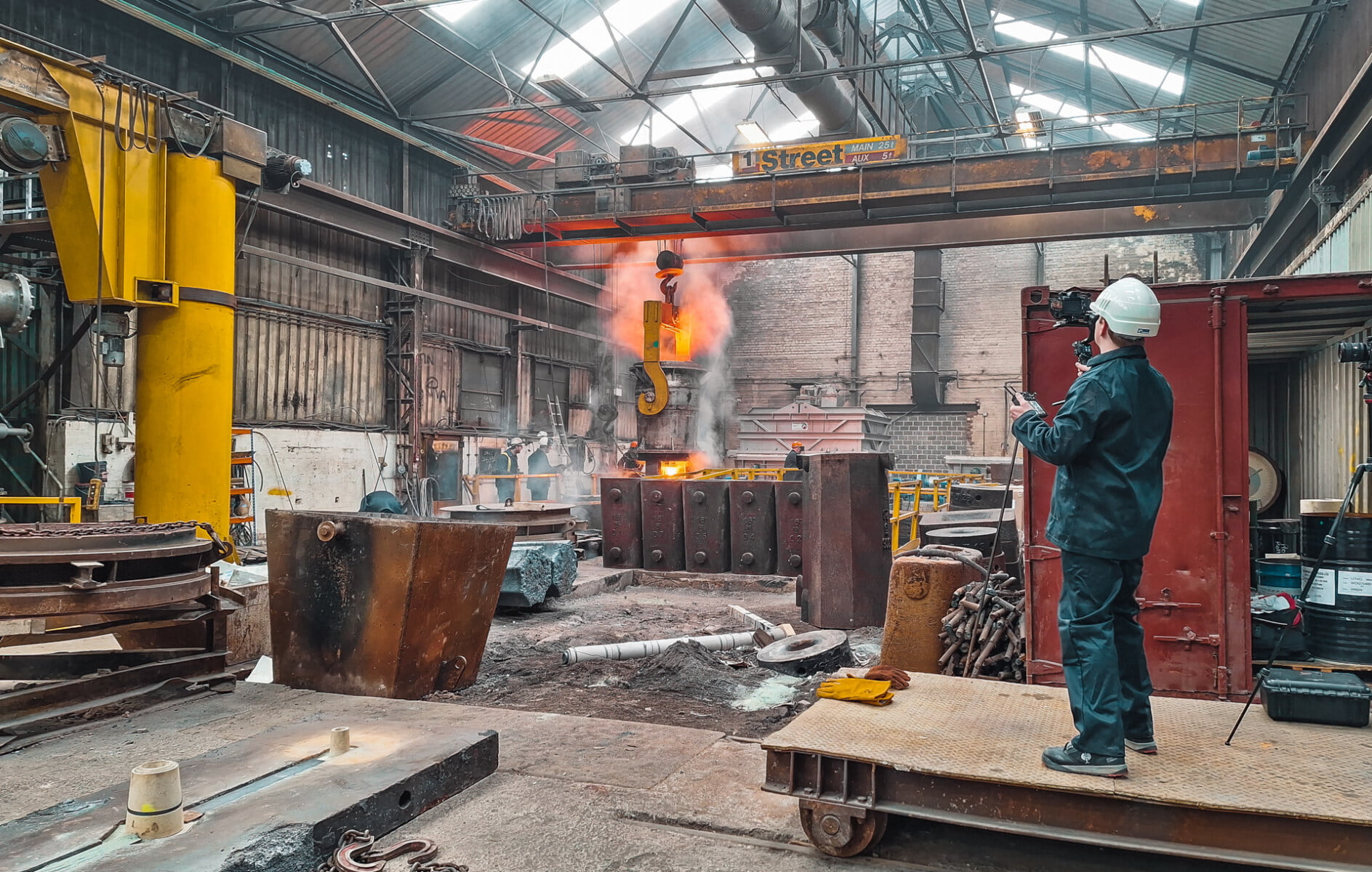
The production can then be planned around evidence. Film the relevant equipment, work areas, tools, controls, and documentation, while respecting isolation procedures, PPE requirements, and site confidentiality. Interview the people closest to the work, but ask them to explain decisions in plain language. Where technical information is too detailed to show safely on the live line, diagrams, controlled demonstrations, or motion graphics can make the point clearer without disrupting production.
Good editing gives the material a useful rhythm: establish the operating context, explain the problem, show the response, confirm the root cause or contributing factors, and finish with the changed standard. That structure makes the result useful in toolbox talks, induction programmes, engineering briefings, and continuous-improvement reviews. It also creates a stronger record of progress than a before-and-after statement with no visual proof.
Connect maintenance learning with wider business value
Maintenance footage can also support teams outside engineering. Procurement and supply-chain colleagues may need to understand why a component specification changed. Operations leaders may need to communicate the impact of a reliability project across multiple sites. Commercial teams can use carefully selected sequences to demonstrate disciplined processes when customers want evidence of capability rather than a broad promise.
That wider value is easier to achieve when video is planned as part of a content system. One detailed recovery story can produce a core training film, shorter clips for internal communications, an executive summary, and supporting stills or graphics. The same approach can complement downtime learning for maintenance leaders, while giving different audiences the level of detail they actually need.
It can also reinforce the human side of reliability. Showing how operators, technicians, planners, and managers worked together demonstrates that recovery is not only about replacing a part. It is about communication, preparation, escalation, and confidence under pressure. That perspective aligns naturally with stronger technical handovers and with the wider goal of making good decisions repeatable.
Plan the next film around a specific operational outcome
The best starting point is a short production brief that names the asset, the audience, the lesson, and the behaviour the business wants to reinforce. Decide what must be shown on site, what should be explained by an interview, and what needs a graphic or controlled demonstration. Agree the review process early, especially where safety, intellectual property, customer information, or export controls are involved.
Manufacturers that approach filming this way gain more than attractive footage. They create a practical visual library that helps people learn from real events, keeps standards visible, and makes improvement easier to communicate. When the next shutdown review arrives, the business is better prepared to capture the lessons and turn them into faster, safer, more consistent recovery.
For organisations building a broader visual strategy, the same principles can support quality communication grounded in evidence. The result is content that remains useful long after the original filming day: specific enough to train, clear enough to share, and credible enough to support decisions across the business.