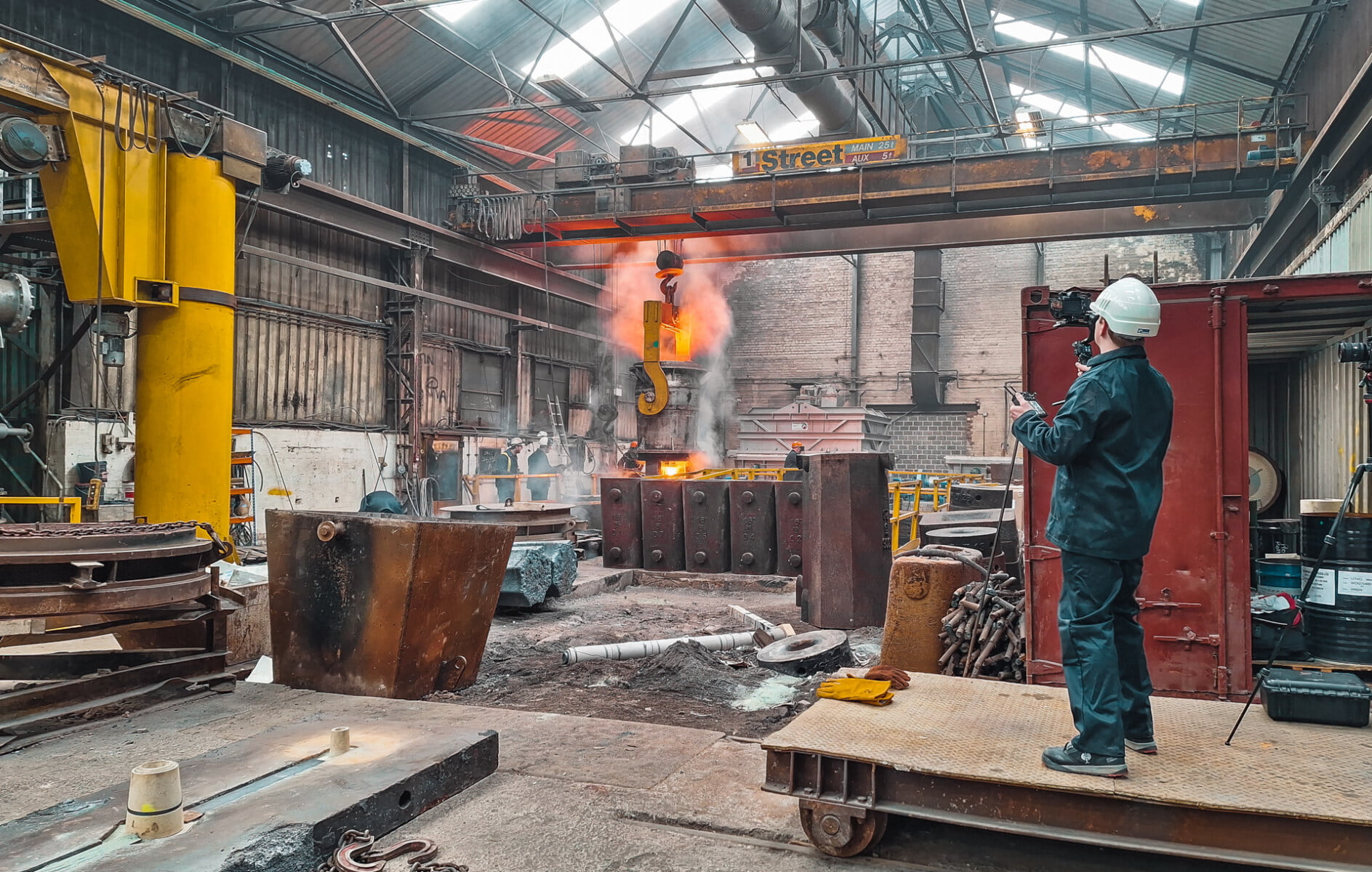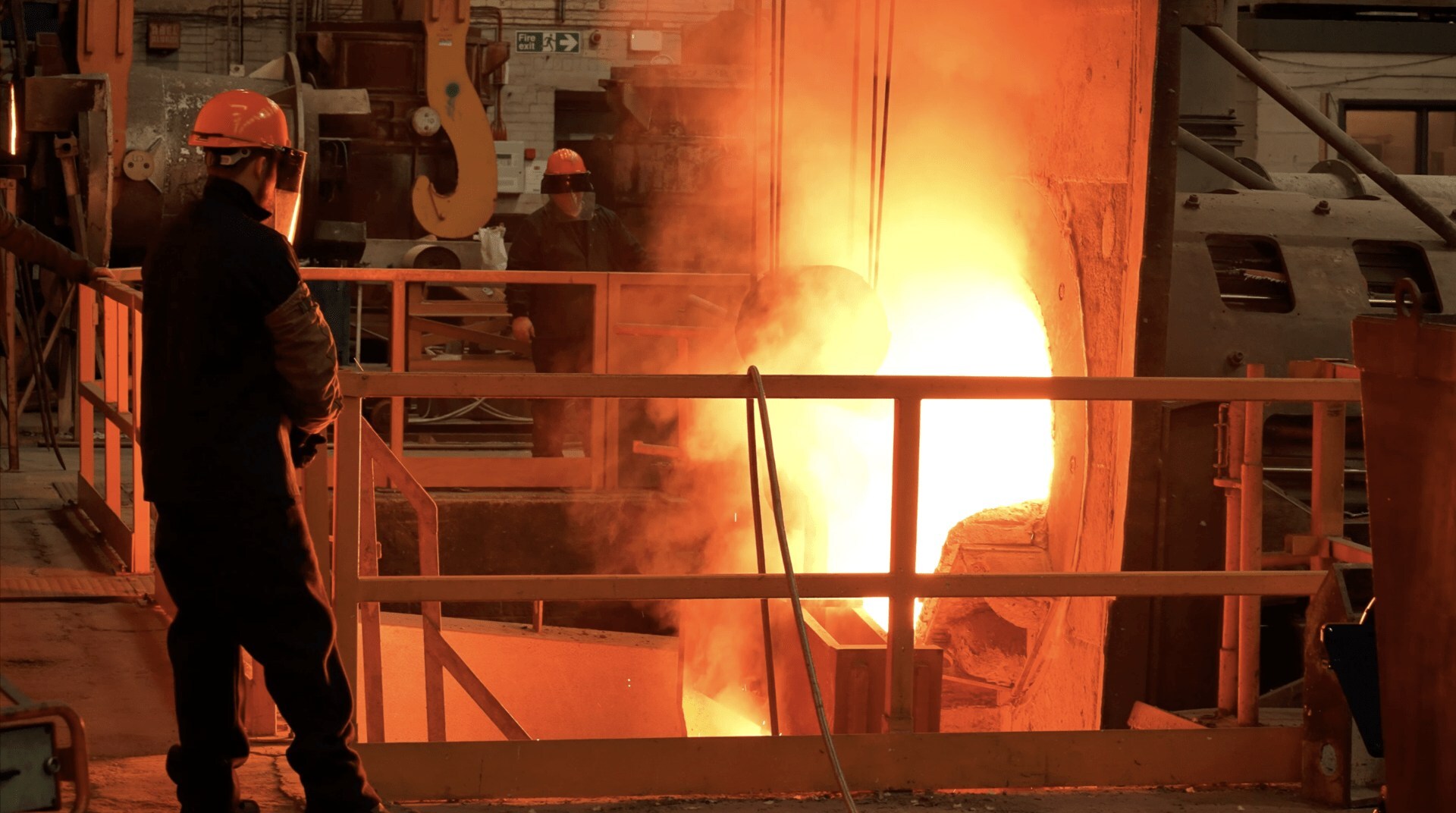
Production training often depends on a small number of experienced people being available at exactly the right time. A new operator may understand the written procedure but still need to see how an experienced colleague positions a component, checks a sound, reacts to a variation or decides when a process is ready to continue. When that practical knowledge stays in people’s heads, training becomes inconsistent and difficult to scale. Manufacturing video gives production trainers a clear, repeatable way to show the work as it really happens.
The best training footage is not a generic overview of a factory. It is a carefully planned record of the decisions, checks and movements that make a process safe and repeatable. Used alongside existing documentation, video can help trainers spend less time repeating demonstrations and more time coaching the moments that genuinely need judgement. It also creates a useful bridge between classroom learning and the pressures of a live production environment.
Make the standard visible before the first shift
Written instructions are important, but they often describe what should happen without showing the pace, sequence and physical detail of the task. A well-produced training film can follow the complete workflow from preparation through to verification. Close-up shots can show hand placement, tool use, labels, indicators and finished-product checks that are difficult to capture in a paragraph.
This is particularly valuable when several sites or shifts need to deliver the same standard. A trainer can pause on a critical point, replay a sequence and explain why a check matters before the operator begins. That creates a common starting point for every learner. It also gives supervisors a consistent reference when they need to reinforce a method weeks after the initial induction.
For businesses already using manufacturing video to transfer process knowledge, training content can become part of a wider operational library. The same footage may support induction, refresher training, cross-skilling and discussions about process improvement, provided each use is clearly labelled and kept current.
Show the decisions that experienced operators make
One of the hardest parts of production training is explaining the small decisions that separate a merely completed task from a reliable one. Experienced operators notice a change in vibration, material position, temperature, alignment or sound. They know when to stop, when to ask for support and when a minor variation is still within the accepted range. These details are often absent from formal documents because they have developed through years of practice.
Video gives trainers a way to make that knowledge discussable. A sequence can show the normal condition first, then capture the relevant check or response without turning the film into an overlong lecture. Voiceover, on-screen callouts and carefully chosen cutaways can clarify what to look for while keeping the production environment authentic. The result is a training asset that helps learners build observation skills, not just memorise button presses.
That approach also supports new standards and revised working methods. When a process changes, the video can focus on the specific behaviour that is different, making the update easier to understand than a replacement document that looks almost identical to the old one.
Reduce the gap between induction and independent work
New starters can feel under pressure when they move from a training room to a busy line. A short, well-structured video gives them something practical to revisit before a shift, during a supervised task or when they need to refresh a sequence later. It allows learning to continue at the point of need, without requiring a subject-matter expert to repeat the entire demonstration every time.
Trainers can build a small collection of modules rather than one long film. A process overview might introduce the purpose of the line, while shorter clips cover setup, quality checks, safe responses to abnormalities and end-of-run procedures. Modular content is easier to assign to different roles and simpler to update when one part of the process changes.
It is also useful to film the handover between training and production. Showing how an operator confirms readiness, records a result and escalates a concern makes the expected behaviour concrete. This supports the same kind of consistency that operations leaders seek when they use video to build safer daily operations.
Give trainers evidence for better coaching
Training video should not replace conversation or practical assessment. Its role is to make the standard easier to see, revisit and compare. After a learner watches a sequence, a trainer can ask what they noticed, which checks mattered most and what they would do if the result looked different. Those questions turn passive viewing into a useful coaching session.
Video can also reveal where a procedure is harder to teach than expected. If learners repeatedly misunderstand the same step, the issue may be unclear wording, poor workstation layout or a missing visual cue. Trainers can feed that observation back to engineering, quality or continuous improvement teams. Over time, the training library becomes a source of insight rather than a static collection of induction clips.
The strongest programmes treat each film as part of a controlled system: a defined audience, an owner, a review date and a clear connection to the approved procedure. That keeps content accurate and prevents old footage from quietly becoming the unofficial standard.
Build a training library that earns its place
Start with the tasks where inconsistency creates the greatest cost or risk. Speak with trainers and operators before filming so the production captures the real questions learners ask. Plan the shots around decisions and checks, not just attractive machinery. Keep the language direct, show the correct method clearly and make any safety boundaries unmistakable.
When manufacturing video is planned this way, it becomes a practical training tool with value far beyond a single induction day. It helps experienced people share what they know, gives new operators a reliable visual reference and helps leaders reinforce the same standard across shifts. Most importantly, it turns critical production knowledge into something the organisation can teach, review and improve.