Reliability is often discussed through equipment availability, maintenance intervals and production targets. Those measures matter, but they do not always show how dependable performance is created on the factory floor. The real difference is often found in small decisions: how a condition is checked, how a handover is made, how an abnormal sound is reported, or how a team responds before a minor issue becomes an outage. Manufacturing video can make those decisions visible, giving reliability teams a practical way to connect safe work with stable output.
That connection is valuable because reliability is never owned by one department. Maintenance, engineering, production, quality and frontline leadership all influence the condition of a process. When each group sees only its own part of the system, important knowledge can become fragmented. A focused video brings the sequence together, showing what good looks like, why it matters and where people need to communicate. The result is not simply a record of machinery; it is a shared reference for better work.
Make the conditions behind reliable performance visible
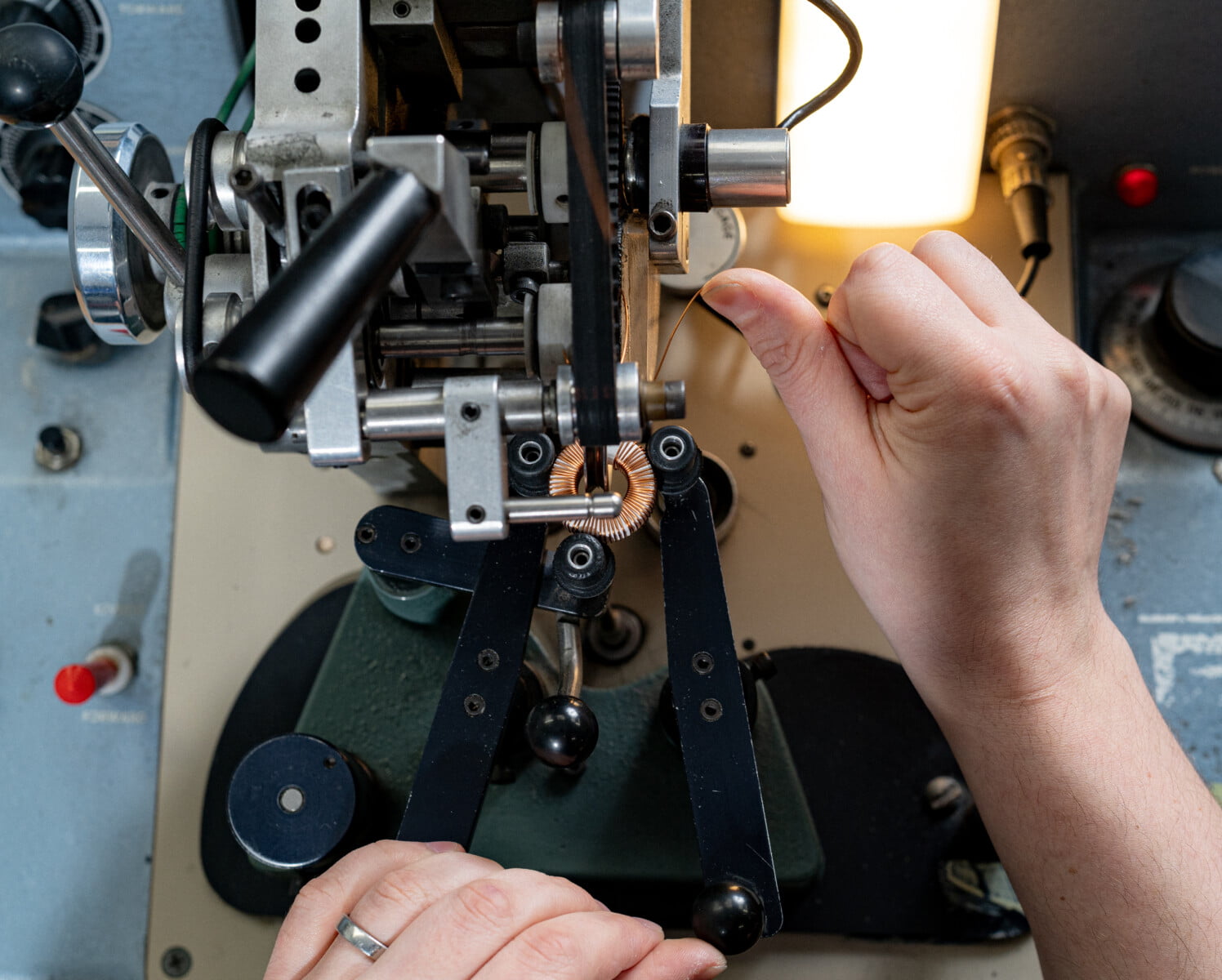
Many reliability routines are difficult to explain in a meeting because they depend on context. A technician may know exactly what to look for, while a new operator sees only a set of gauges, guards and moving components. Video can follow the inspection as it happens, capturing the physical cues that are easy to miss in a written procedure. It can show the normal state of a machine, the signs that require attention and the safe route for escalating a concern.
This is particularly useful when the most important knowledge is tacit. Experienced people often recognise a change in vibration, temperature, alignment or material flow before a formal alarm is triggered. Recording that expertise with careful interviews and observed demonstrations helps turn instinct into something the wider team can learn. It also supports the kind of process knowledge transfer explored in critical process knowledge transfer, where the goal is to preserve judgement rather than simply reproduce instructions.
A good reliability film does not need to reveal every technical detail at once. It can use close-up shots, purposeful narration, diagrams and on-screen labels to explain the few conditions that matter most. That editorial discipline helps viewers understand cause and effect: a missed check can create instability, while a timely intervention protects people, equipment and delivery commitments.
Connect maintenance actions with frontline decisions
Maintenance activity is more effective when production teams understand what it protects. If a planned inspection is presented as an isolated task, it can feel like an interruption to output. When the same activity is shown as part of a wider operating rhythm, people can see why access, isolation, cleaning, lubrication or measurement has to happen at a particular time and in a particular way.
Manufacturing video gives teams a common language for that conversation. A short sequence can show the point at which an operator raises a concern, the information a supervisor needs, the decision made by maintenance and the checks that confirm the process is safe to restart. This shared view reduces assumptions between shifts and functions. It complements the practical value of better shift handover routines, because the same visual reference can support a consistent briefing even when the people involved change.
The strongest films also make boundaries clear. They show what operators can check themselves, what requires a qualified person and when a line must be stopped. That clarity supports safer decisions under pressure. It prevents reliability messaging from becoming a vague request to “look after the equipment” and replaces it with observable actions that people can repeat.
Turn lessons from failure into better everyday habits
Reliability improves when organisations learn from near misses, recurring faults and unplanned stops without turning every review into a search for blame. Video can help teams examine the work system calmly. A reconstruction, process walkthrough or interview-led case study can show what happened, where signals were available and which barriers should be strengthened next time.
The important step is to connect the lesson to normal work. If a review ends with a document that few people read, the learning may not reach the people who need it. A concise film can demonstrate the revised check, explain the reason for the change and show how the new standard fits into the shift. This is especially helpful for teams trying to turn root-cause findings into durable action, as described in root-cause learning that lasts.
Distribution should follow the way people work. A longer story may be useful for leadership, onboarding or a continuous-improvement programme, while shorter cut-downs can support toolbox talks, digital work instructions or supervisor briefings. Reusing one carefully planned production across those moments makes the message more consistent and gives the organisation a stronger return from the original filming.
Build a visual reference for predictable performance
The business value of reliability video is not limited to awareness. It can support faster onboarding, clearer escalation, more consistent standards and more productive conversations between technical and commercial teams. It can also help leaders explain why investment in condition monitoring, training or process improvement matters in practical terms.
To achieve that value, the production needs to begin with the decisions the audience must make. The brief should define the risk, the desired behaviour, the evidence that supports it and the places where people will use the finished content. When the story is grounded in real work, filmed responsibly and edited with a clear purpose, manufacturing video becomes part of the operating system around reliability.
Stable output is built through thousands of repeatable choices. By making those choices visible, connecting them across departments and returning to them after lessons are learned, video helps reliability teams create safer work and more predictable performance together.