Launching a new product in manufacturing is rarely just a marketing exercise. Before a product can generate demand, people across the business need to understand what it does, how it is made, why it matters and where it fits in the customer’s operation. That understanding has to travel from engineering and production through sales, service and distribution without losing the practical detail that makes the product credible.
Manufacturing video gives launch teams a way to make that journey visible. Instead of relying on a collection of drawings, specification sheets and carefully worded presentations, a well-planned film can show the product in context, capture the process behind it and give different audiences a shared reference point. The result is a launch story that feels tangible rather than theoretical.
Make the product easier to understand before the launch meeting
New products often arrive with a steep learning curve. Even experienced commercial teams may need to understand a new production method, a revised workflow or a technical advantage that cannot be explained in one sentence. A concise manufacturing film can bring those details together in a sequence that follows the viewer’s natural questions: what is being made, how does it work, what problem does it solve and what makes it dependable?
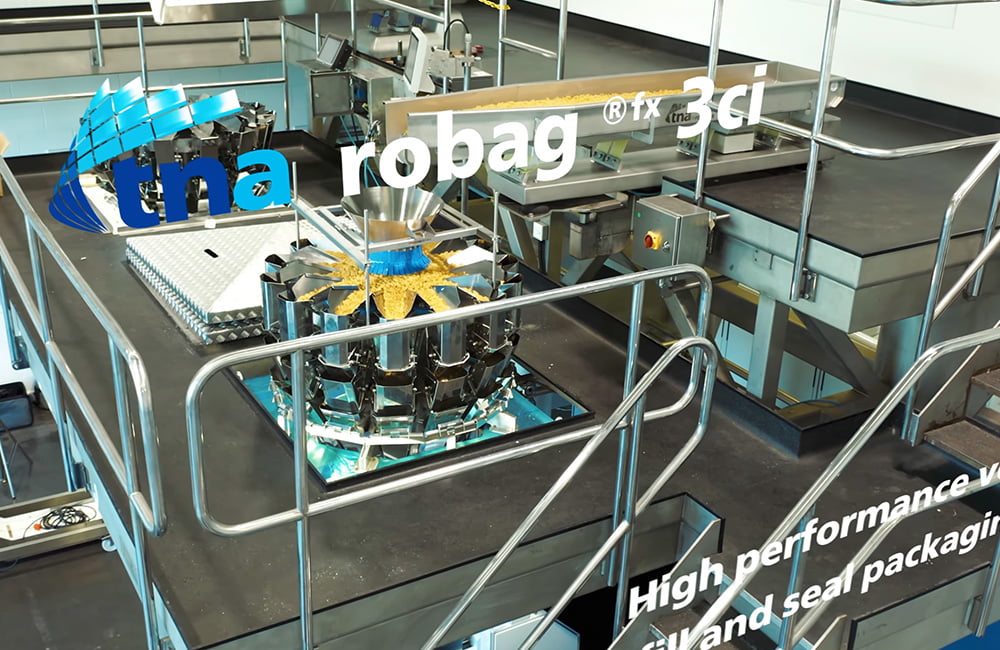
This is especially useful when the product is visually complex or operates inside a larger system. Close-up footage can explain the important components, while wider shots show how the product behaves in a real environment. Interviews with engineers and operators add context without making the film feel like a lecture. When these elements are edited with a clear narrative, viewers can build a working understanding before the first formal sales conversation.
The same film can also support internal readiness. Sales representatives can use it to refresh their knowledge, customer-facing teams can refer to it during onboarding, and senior leaders can use it to keep the launch message consistent. That shared foundation reduces the risk of each department describing the product in a slightly different way.
Show the production reality behind the promise
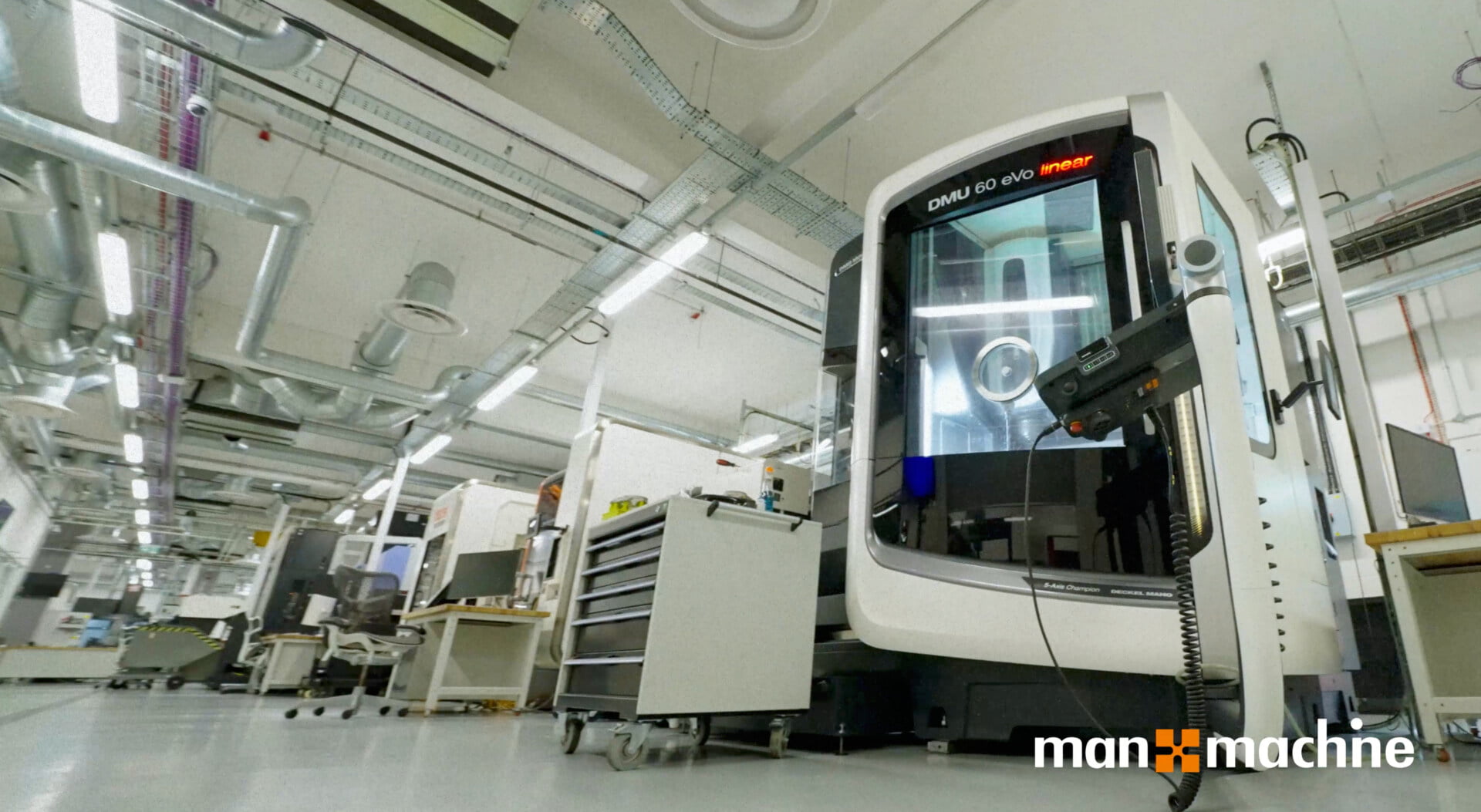
Customers are increasingly interested in more than the finished object. They want confidence in the people, processes and controls behind it. A launch video that includes the factory floor can demonstrate how quality is maintained, how skilled teams handle critical stages and how the organisation responds when specifications matter. Those details turn a product claim into something viewers can observe.
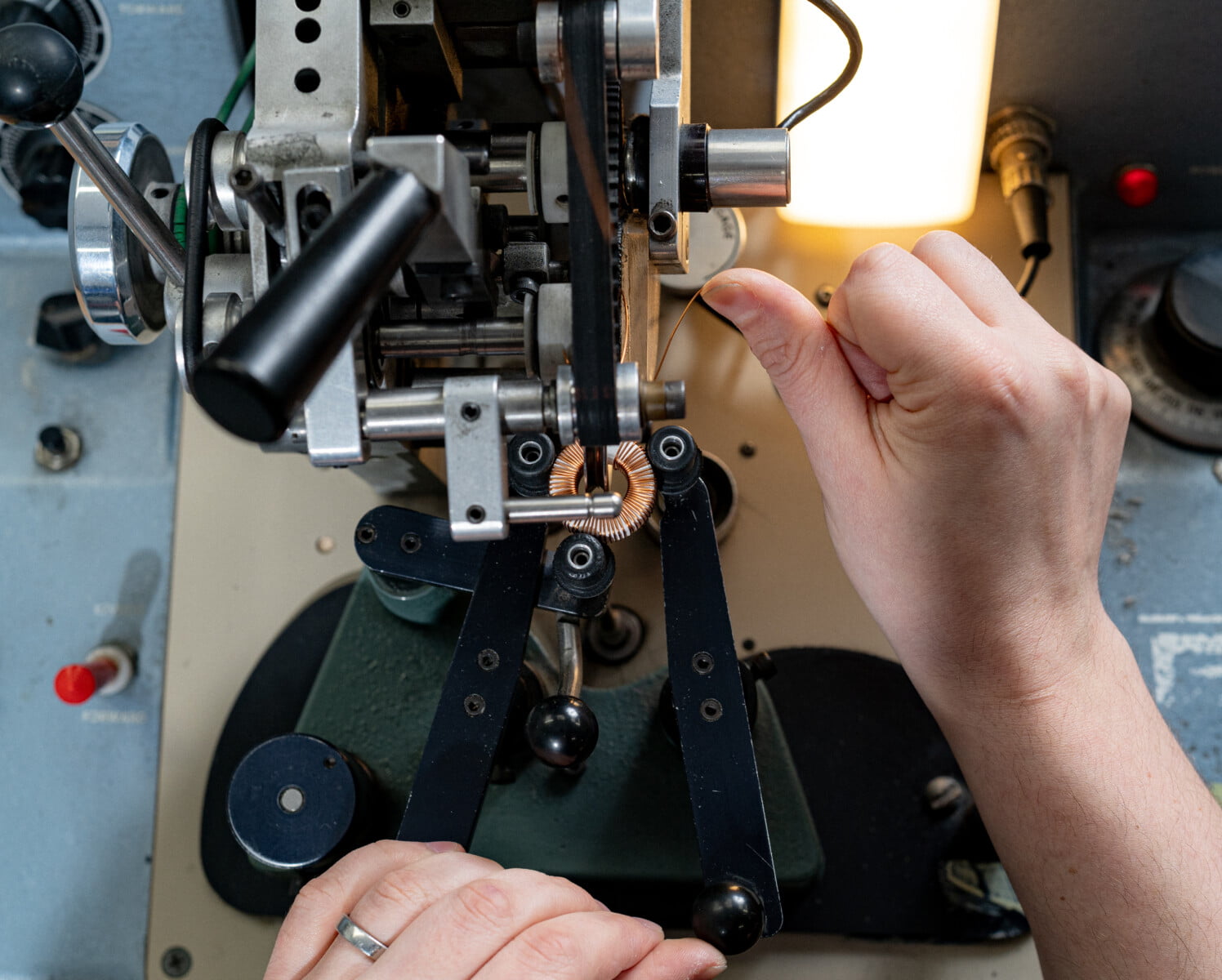
Showing production reality is also a powerful way to explain value. A product may cost more because it uses a more controlled process, reduces waste or requires a higher level of inspection. A written explanation can sound defensive; filmed evidence can make the difference easier to appreciate. Careful shots of tooling, testing, assembly and quality checks help the audience see where reliability comes from.
Teams planning a new launch can learn from the way quality evidence becomes everyday confidence. The strongest footage is not staged for its own sake. It is selected because it reveals a meaningful part of the product’s story and answers a question that a buyer, distributor or operator is likely to ask.
Give every audience a useful version of the story
A single launch usually has several audiences, and each one needs a different emphasis. Engineers may want to see tolerances, materials or integration points. Procurement teams may focus on consistency and supply confidence. Operators may care about usability, safety and training. Commercial teams need a clear explanation of customer benefit. By planning the film around a central narrative, the production can capture enough detail to create shorter, focused edits without losing coherence.
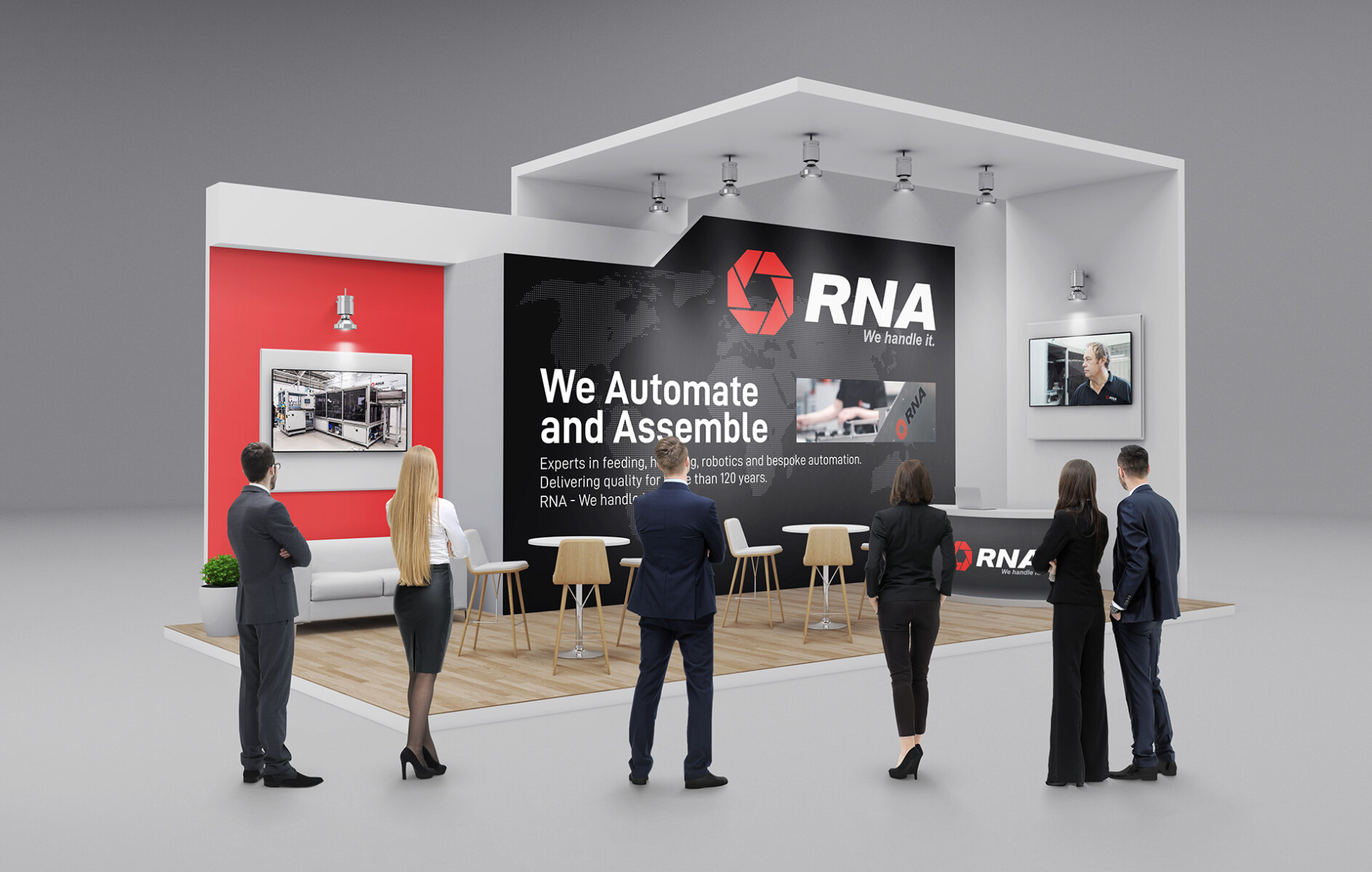
That flexibility matters after launch. A longer film can sit on the website as a definitive introduction, while shorter versions can support trade-show screens, sales follow-ups, LinkedIn posts and internal briefings. The footage can also become a useful reference when the product is introduced to a new market or when new employees need to understand its place in the wider operation.
For example, a launch team may pair a process-led main film with a short customer-benefit edit and a technical cut for specialist conversations. This approach keeps the visual language consistent while making the message more relevant to the person watching. It also helps the investment work harder than a single piece of launch-day content.
Build momentum that continues beyond launch day
The best manufacturing video productions are planned as part of the launch system rather than added at the end. That means agreeing the product’s primary message, identifying the proof points that support it and deciding where the finished content will be used before filming begins. It also means allowing enough time to coordinate access, protect confidential information and capture the process without disrupting production.
Once the product is public, video can keep supporting the commercial journey. Sales teams can use it to prepare prospects for a deeper conversation. Customer success teams can use selected clips to reinforce correct use. Marketing teams can build future content around the same visual library. In this way, the launch film becomes an ongoing asset that helps the organisation explain, prove and remember what makes the product valuable.
That long-term usefulness is one reason to approach manufacturing video as a way to reveal hidden expertise, not simply as a polished announcement. The camera can capture the decisions, disciplines and people that customers would not otherwise see. When those details are shaped into a clear story, the product feels more real and the organisation behind it feels more trustworthy.
A thoughtful launch film should ultimately make action easier. It should help a prospect understand the offer, help a salesperson explain the difference, help an operator see the practical benefit and help the wider business stay aligned. When the story is grounded in the factory floor, the product has a stronger chance of moving confidently from introduction to adoption.
For teams preparing a complex release, the production process itself can become part of the communication strategy. A well-structured shoot captures the evidence needed for the launch while creating a reusable library for future campaigns, training and customer conversations. That is how video helps complex change become confident action long after the launch announcement has passed.