Shift handovers are one of the most important moments in a manufacturing day, yet they are often treated as a quick exchange of notes, numbers and unfinished tasks. When a production issue is complex, a short verbal update can leave the next team guessing about what changed, what was checked and what still needs attention. Manufacturing video gives operations teams a practical way to make those transitions clearer, more consistent and easier to improve.
A well-planned video does not replace the judgement of an experienced supervisor. It captures the conditions around a decision so that people can understand the context as well as the instruction. That might include the sound of a machine, the position of a component, the sequence of a changeover or the visual evidence behind a quality concern. Used carefully, this turns handover knowledge into a reusable operational resource rather than information that disappears when a shift ends.
Why shift handovers lose useful detail
Most handovers fail gradually. A team is busy, the outgoing supervisor assumes the next person already knows the background, and a written log records the outcome without explaining the reasoning. Small omissions then become delays: a setting is checked twice, a temporary workaround is misunderstood, or a developing issue is not recognised until it affects output.
Video helps by preserving the sequence and physical environment around the update. A short clip can show exactly where an abnormal condition appears, which indicator was observed and what a safe response looks like. It can also make the difference between “the line is running” and “the line is running with this temporary control in place” immediately visible. That level of clarity is especially valuable when teams work across different shifts, sites or levels of experience.
The strongest results come from filming with a defined operational question. Instead of recording an entire shift, the production team can focus on the points where knowledge is most likely to be lost: start-up checks, first-off approval, tooling changes, cleaning, fault finding and restart decisions. This keeps the finished asset useful at the moment it is needed.
Turning a handover into a repeatable visual routine
A repeatable handover video usually follows a simple structure. It establishes the area and current status, shows the relevant condition or task, explains the decision that has been made, and closes with the next check or owner. That structure gives supervisors a dependable way to communicate without forcing every update into the same long meeting.
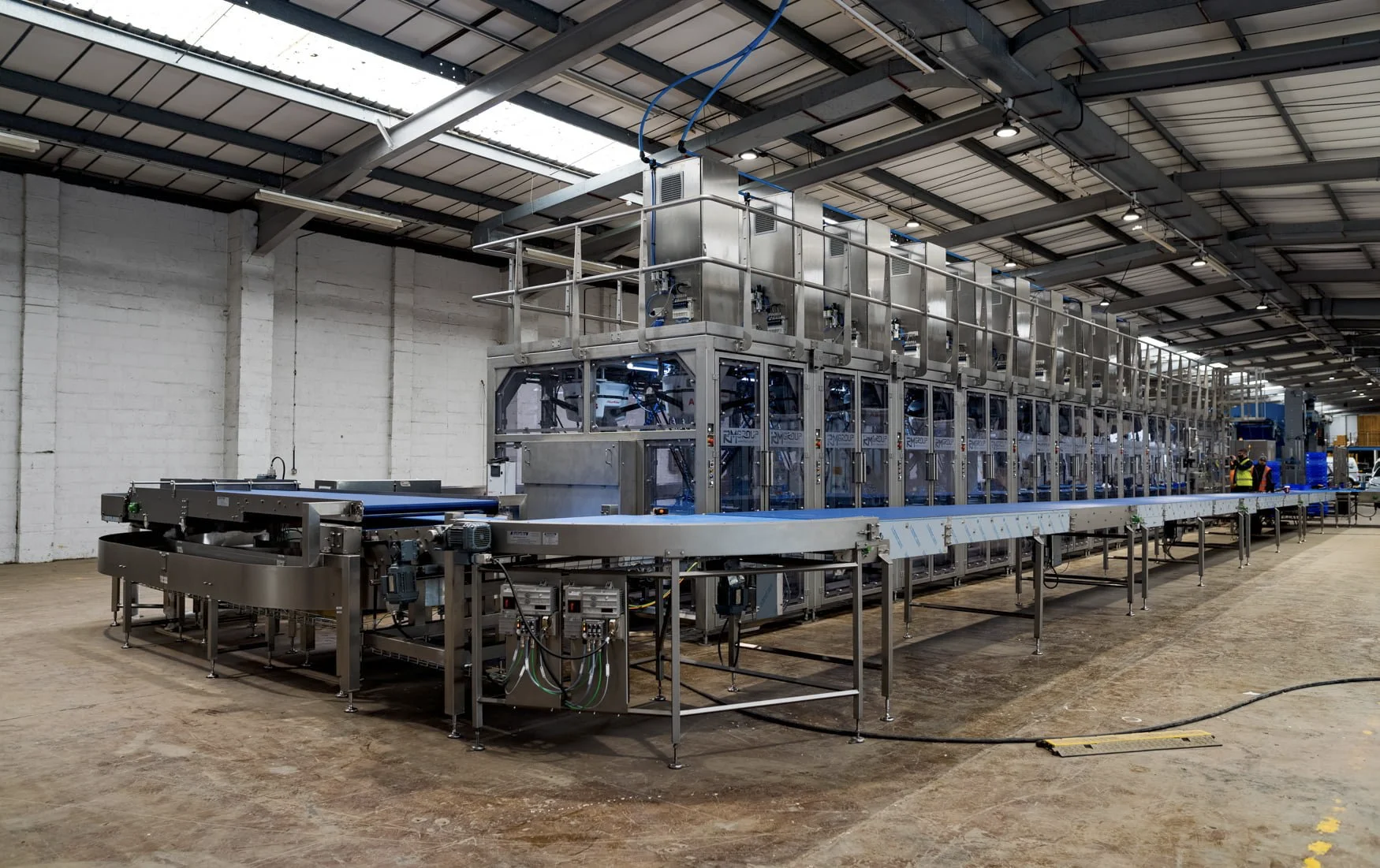
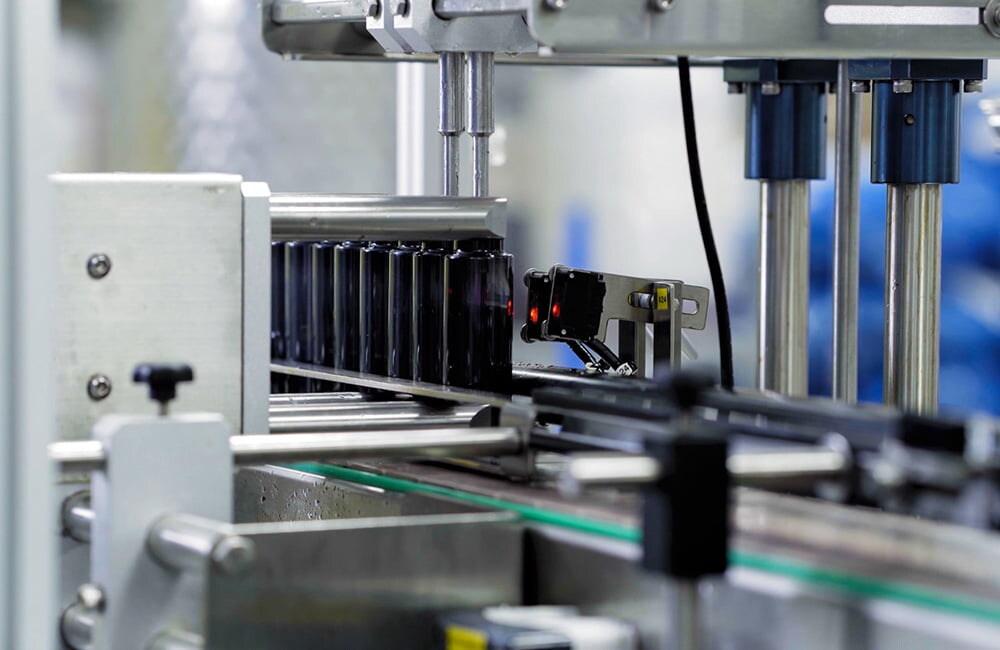
For example, an outgoing team leader might record a two-minute update showing a minor change to a filling line, the reason for the adjustment and the verification step required during the next run. The incoming leader can watch it alongside the shift log, see the physical evidence and confirm the next action. When the same format is used across departments, handovers become easier to scan and easier to compare.
This approach also supports critical process knowledge transfer. People do not have to rely on a single expert being present to explain how a process behaves. Instead, the business can build a focused library of real examples that supports coaching, onboarding and day-to-day decisions without turning every video into a formal training course.
Making operational video useful for more than one shift
The best handover content is designed for reuse from the beginning. Clear titles, dates, line references and short descriptions make it easier to locate a clip later. Chapters or time markers can separate the condition observed, the action taken and the follow-up required. Captions help people review the material in noisy production environments, while a consistent visual language makes clips feel like part of one operational system.
There is also value in linking handover videos to the standards they support. When an instruction changes, the related clip can be reviewed as part of the same update rather than left circulating as an outdated attachment. This is where new standards become easier to adopt: operators can see the expected behaviour in the actual environment, not only in a document written away from the line.
Video can also help managers spot recurring patterns. If similar issues appear in several handovers, the footage may reveal a training gap, an unclear escalation rule or a process that depends too heavily on individual memory. Reviewing those clips with the team creates a more grounded improvement conversation because everyone can examine the same evidence.
Building trust without creating more admin
Introducing video into shift routines works best when it is positioned as a support for teams, not a surveillance exercise. Employees should understand what is being recorded, why it matters and who will use it. A narrow brief, respectful filming and clear access rules make it easier for people to speak naturally and focus on the work.
Keep the workflow lightweight. A small number of purposeful clips is more valuable than a large archive nobody maintains. Supervisors can nominate the moments where visual context prevents confusion, while operations leaders review whether the videos are actually reducing repeat explanations, missed checks or avoidable delays. The aim is not to document everything; it is to make the important things easier to understand.
That evidence can feed directly into broader improvement work. A handover clip might inform a refresher briefing, support a corrective action or reveal a better way to standardise a task across lines. In that sense, lessons become scalable standards when they are captured in a form that other teams can see, discuss and apply.
A practical starting point for manufacturing teams
Start with one recurring handover problem rather than a large production programme. Choose a task where written notes regularly create ambiguity, agree the key questions the incoming shift needs answered and film a short example in the real working environment. Test it with the people who give and receive the handover, then improve the format before expanding it to other areas.
With the right structure, manufacturing video becomes part of the operating rhythm. It helps teams preserve context, transfer experience and make decisions more visible across the working day. The result is not simply better communication at shift change; it is a stronger foundation for safer routines, faster learning and more consistent performance.