Supply chain teams are under pressure to keep materials moving while protecting quality, safety and customer commitments. In a manufacturing environment, that balance becomes difficult when a supplier change, incoming inspection issue or new handling requirement has to be understood by people across different sites and shifts. Written instructions still matter, but they often leave too much room for interpretation. A focused manufacturing video can show the conditions, decisions and standards that words alone struggle to capture.
For procurement, supplier quality and operations leaders, the value is not simply having a polished film. The value is creating a practical visual reference that helps people recognise the right condition, follow the agreed process and escalate exceptions early. When the footage is planned around a real operational problem, video becomes part of the control system rather than an isolated marketing asset.
Make supplier expectations visible before materials arrive
Supplier requirements often sit across specifications, emails, inspection sheets and conversations between individual buyers and engineers. That makes them vulnerable to different interpretations, particularly when a new supplier is onboarding or an existing supplier is introducing a revised component. A short video can bring the expectation into one shared view: how packaging should be protected, what labels must be visible, which surfaces require inspection and what an acceptable handover looks like.
This is especially useful when the requirement depends on context. A photograph may show a good example, but it may not explain how the item was lifted, where damage tends to occur or which detail should trigger a hold. Carefully filmed demonstrations can show the sequence and the reason behind it. That gives supplier contacts and receiving teams a common reference before the first delivery reaches the factory gate.
It also supports supplier onboarding by making the organisation’s standards easier to absorb. Instead of relying on a long document being read once, teams can use a concise visual module during induction, review meetings and follow-up conversations.
Turn incoming inspection into a repeatable decision
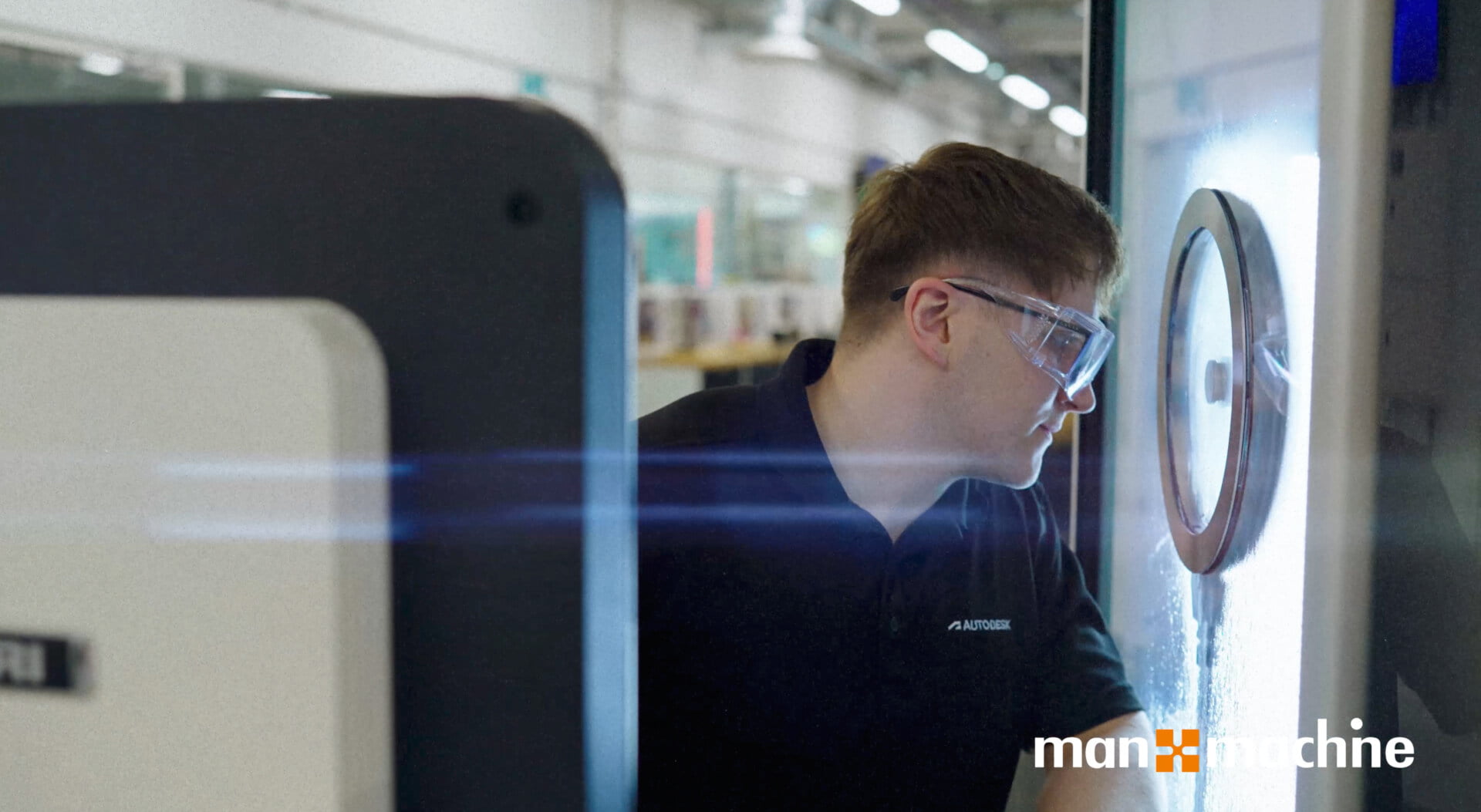
Incoming inspection is often where supply chain risk becomes visible, but the decision process can vary from one inspector or shift to another. Video can show what to check first, how to position a component, where to look for a recurring defect and when an observation should become a formal non-conformance. The aim is not to replace technical procedures. It is to make the practical application of those procedures easier to repeat.
A useful production approach is to film the real inspection environment rather than a generic studio demonstration. That captures the lighting, tooling, packaging and access constraints that shape the decision in practice. On-screen callouts or a calm voiceover can draw attention to critical details without turning the content into an overcomplicated training course.
When a defect is found, the same visual language can help teams compare evidence. A video library may include examples of acceptable, borderline and unacceptable conditions, provided the acceptance criteria are kept current and approved by the right technical owners. This creates a stronger foundation for conversations with suppliers because everyone can discuss the same visible evidence rather than relying on vague descriptions.
Support faster escalation when something changes
Supply chain problems rarely stay within one department. A damaged delivery can affect production planning, quality, maintenance, engineering and customer service within hours. Video helps by giving teams a clear way to explain what has happened: the location, the condition, the immediate containment and the decision that is needed next. A short site-recorded update can be more useful than a long chain of messages when people are working across locations.
This does not mean filming everything or asking operators to create informal reports without guidance. The strongest workflow defines when a video is appropriate, who reviews it, where it is stored and how the related record is updated. For recurring issues, a professionally produced explainer can establish the standard response; for a live event, a controlled capture can provide context for the technical investigation.
That approach connects naturally with corrective action communication. The video shows the condition and the intended response, while the formal quality system remains the place for ownership, evidence, deadlines and verification.
Help purchasing decisions reflect operational reality
Procurement teams are often asked to compare suppliers using cost, lead time and contractual terms. Those measures matter, but the factory also experiences the consequences of packaging design, material consistency, documentation quality and technical support. Video can help purchasing and engineering teams capture those practical requirements during supplier visits, trials and production reviews.
A well-planned supplier film might show a process capability, a quality-control checkpoint, a specialist manufacturing step or the way a supplier manages traceability. Internally, that material can support more informed review meetings and reduce the risk of decisions being based only on a presentation or a written claim. Externally, it can also help a supplier explain a complex capability to stakeholders who could not attend the visit.
The same principle applies when an organisation wants to share its own standards with strategic suppliers. A clear visual explanation of cross-functional factory improvements can make it easier for partners to understand why a change matters and how their part of the supply chain supports it.
Build a video system that stays useful
The most effective manufacturing video programme starts with a small number of high-value questions. Which supplier misunderstanding creates the most disruption? Which incoming inspection decision is least consistent? Which change is difficult to explain across sites? Answering those questions helps teams choose subjects that deserve investment.
Each film should have a defined audience, owner, review date and next action. Keep the language practical, show real conditions where possible and make the critical standard easy to find. When videos are stored alongside the relevant procedures and records, they become part of everyday work rather than content people watch once and forget.
For supply chain leaders, that is the real opportunity. Manufacturing video can make expectations clearer before delivery, decisions more consistent at goods-in and escalation more precise when conditions change. Used with the existing quality and procurement systems, it gives people a shared visual reference for protecting flow, reducing avoidable risk and building stronger supplier relationships.