Manufacturing decisions often move faster than the records that explain them. A supervisor may adjust a sequence during a difficult run, an engineer may trial a better setup, or a team leader may find a safer way to stage work. If that knowledge stays in a conversation or disappears at the end of a shift, the next team has to reconstruct it. Manufacturing video gives businesses a practical way to preserve those decisions and make them easier to understand, repeat and improve.
Used well, video is not simply a polished record of a factory. It is operational evidence. It shows the order of actions, the position of tools, the movement of people and the conditions that surrounded a result. That makes it valuable for teams responsible for consistency, training and continuous improvement. It also gives managers a shared reference when different departments are discussing the same process from different viewpoints.
Make practical knowledge visible across shifts
Experienced operators often know which small details make a process run smoothly. They may recognise a material issue by sound, prepare a fixture in a particular order or make a minor adjustment before a recurring fault appears. These details are difficult to capture in a standard operating procedure because written instructions tend to describe the intended process rather than the judgement used in real conditions.
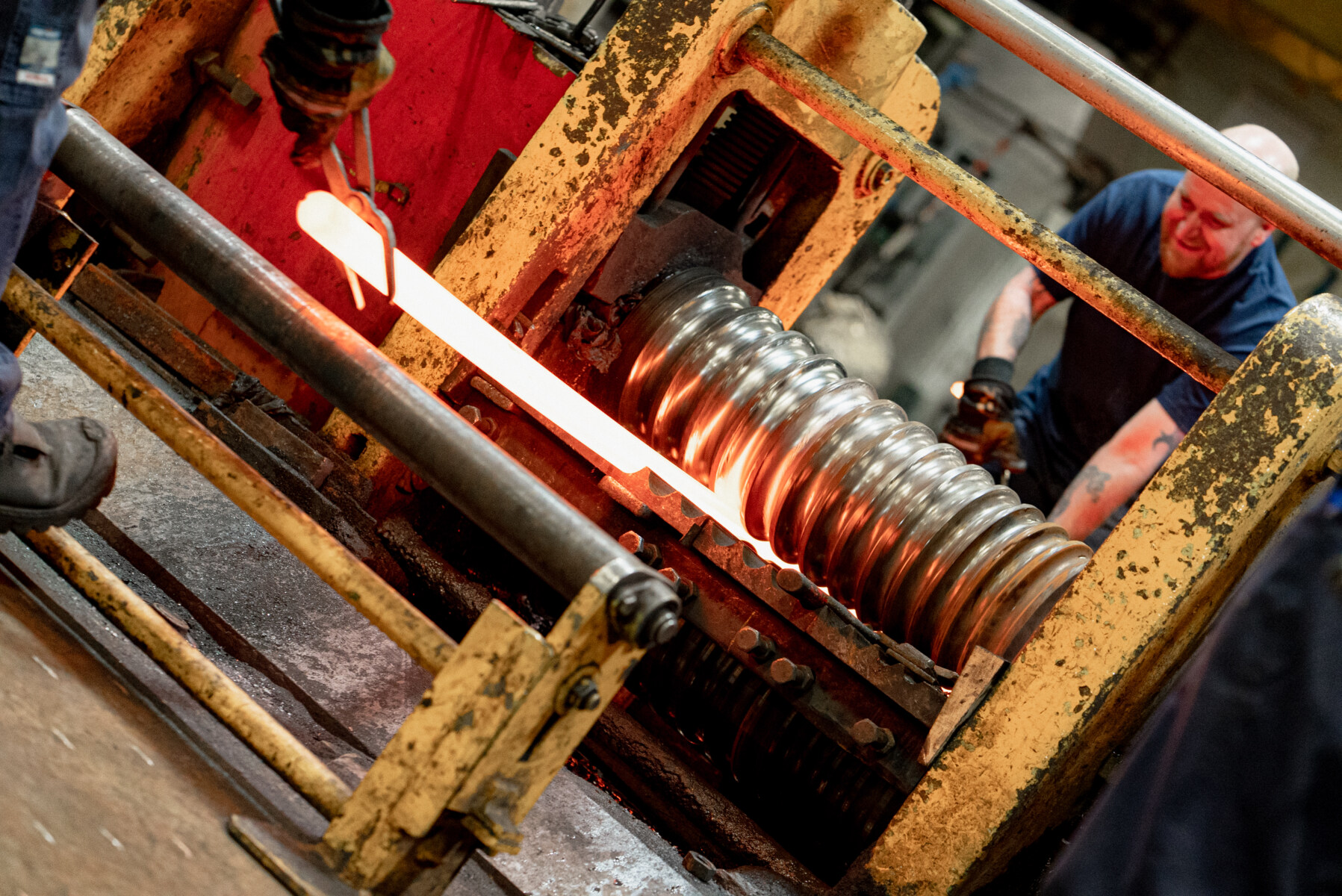
A short, carefully planned manufacturing video can show that judgement without asking the operator to turn it into a formal lesson. Close-up shots can reveal hand positions, settings and checks, while wider footage gives the viewer enough context to understand where the task sits in the line. With a clear voiceover or accompanying notes, the final piece becomes a useful reference for new starters and a dependable reminder for established teams.
This approach complements structured production training videos by keeping the focus on the real working environment. Instead of separating learning from production, the business can demonstrate the standard where the standard is actually performed.
Give improvement teams stronger evidence
Continuous improvement conversations can become abstract when they rely on memory alone. A meeting may conclude that a movement is awkward, a handover is unclear or a workstation is causing avoidable delay, but participants may not agree on how often the issue occurs or what triggers it. Video allows the team to review the same moment together and separate observable facts from assumptions.
The most useful footage does not need to be long. A sequence showing the lead-up to a stoppage, the response taken by the operator and the restart condition may be enough to reveal a hidden constraint. Teams can pause the footage, compare it with the intended standard and identify whether the next action should be a layout change, a revised instruction, additional guarding or a targeted coaching session.
That evidence also improves follow-up. Once a change has been made, a second recording can show whether the new method is being followed and whether it has created an unintended problem elsewhere. This makes video a lightweight before-and-after tool for scaling continuous improvement lessons across lines, shifts or sites.
Support safer conversations about work
Safety communication is more effective when it reflects the real pressures of a production environment. Generic stock footage may illustrate a principle, but it rarely shows the exact access route, equipment arrangement or interaction that employees recognise from their own workplace. Filming on site allows the business to explain expectations using familiar visual cues.
A strong safety-focused video can show the correct preparation, the point at which a job must stop and the checks that confirm the area is ready. It can also give supervisors a shared language for toolbox talks. Rather than relying on a paragraph that employees interpret differently, the team can review the same sequence and discuss what should happen before work begins.
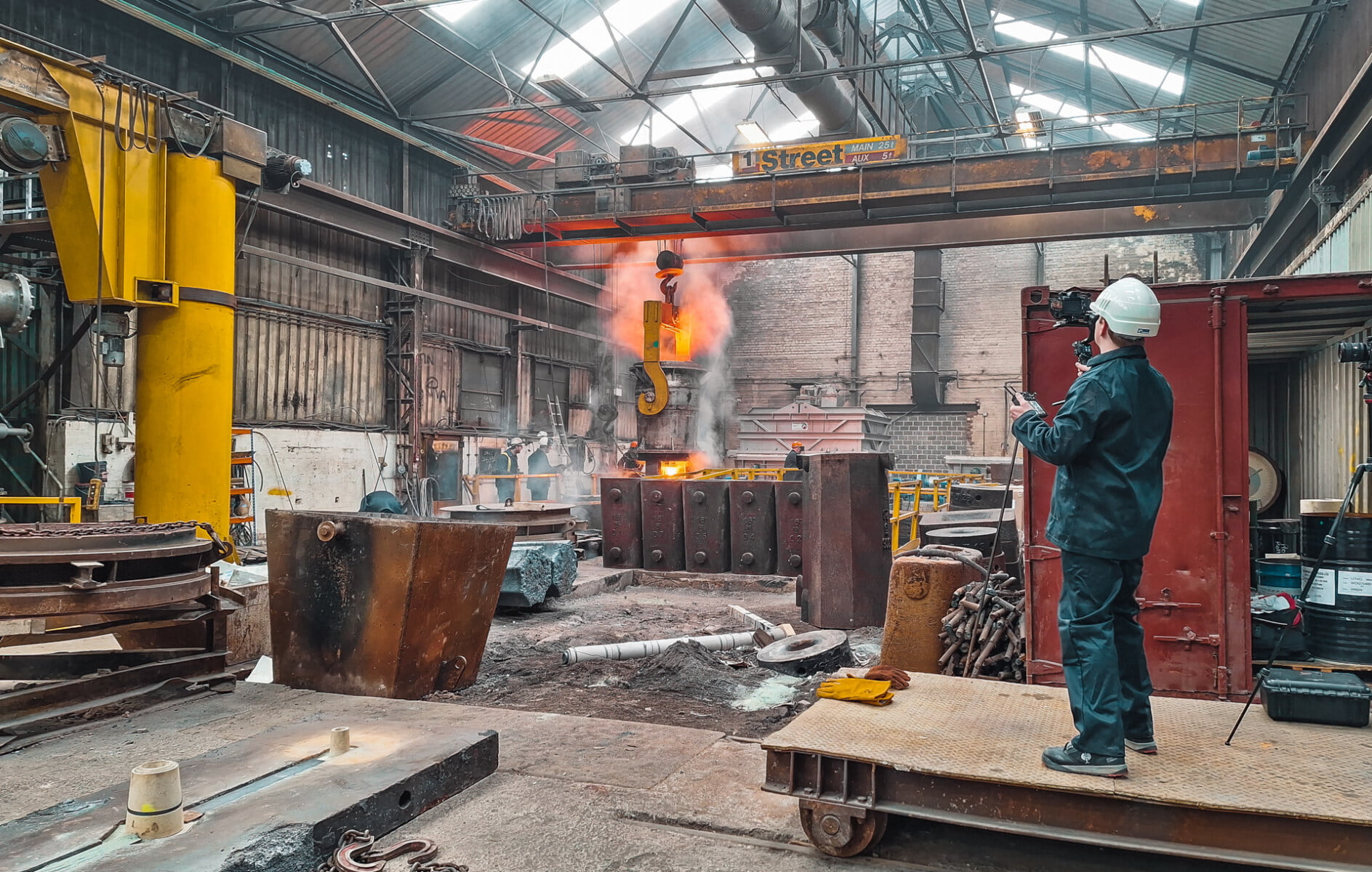
Video must be planned responsibly. Filming should never interrupt a live operation, reveal confidential information or encourage people to demonstrate unsafe behaviour for the camera. A production team should agree access, permissions and exclusion zones in advance, then capture the process in a way that respects both the workforce and the site rules.
Build a repeatable internal video system
The best results come from treating manufacturing video as part of an information system rather than as a one-off communications project. Start by choosing a clear audience and one operational outcome. A video might help a new operator complete a setup, help a supervisor run a shift handover or help an engineering group compare a trial with the existing method. The narrower the job, the more useful the finished asset is likely to be.
Keep each film easy to find and easy to use. Descriptive titles, consistent terminology and short chapters allow employees to reach the relevant section quickly. Where appropriate, pair the video with the current written standard, revision date and owner. That prevents an old recording from being treated as the current method after the process has changed.
Finally, measure whether the content is doing useful work. Ask trainers whether questions are being answered earlier, ask supervisors whether handovers are clearer and check whether recurring deviations are reducing. When footage is connected to a specific operational need, it can become an enduring part of the improvement cycle rather than another file in a shared folder.
Turn visual evidence into practical progress
Manufacturing video helps organisations retain the knowledge that makes processes work in reality. It can make tacit expertise easier to share, give improvement teams a common reference and make safety discussions more concrete. The value is not created by cameras alone; it comes from choosing the right moment to capture, explaining it clearly and keeping the result aligned with the live standard.
For businesses already using footage to support operations, the next step is often connecting it to broader root cause and corrective action work. That connection turns visual evidence into a practical management resource: something teams can use to learn faster, make better decisions and keep improvements visible long after the original event.