Rework rarely begins with one dramatic mistake. More often, it grows from a small variation that is difficult to see, explain or repeat: a setup completed slightly differently, a quality check interpreted inconsistently, or a handover that leaves an important detail in someone’s head. Manufacturing video can help quality teams make those moments visible, so improvement conversations are based on what actually happens on the line rather than what people remember happening.
That matters because quality is built into the process long before a finished product reaches inspection. A clear, well-planned video can show the sequence of work, the condition of materials, the points where operators make decisions and the practical signals that experienced people use to judge whether a process is running well. Used carefully, it becomes a working reference for production, engineering, training and continuous improvement—not just a promotional asset.
Make the real process easier to see
Written procedures are important, but they do not always capture the rhythm of a production task. They may describe what should happen without showing how a skilled operator positions a component, checks alignment, handles a tool or responds to an unusual condition. Video adds that missing layer of observation. It allows a quality or improvement team to pause a sequence, compare two approaches and identify where variation enters the process.
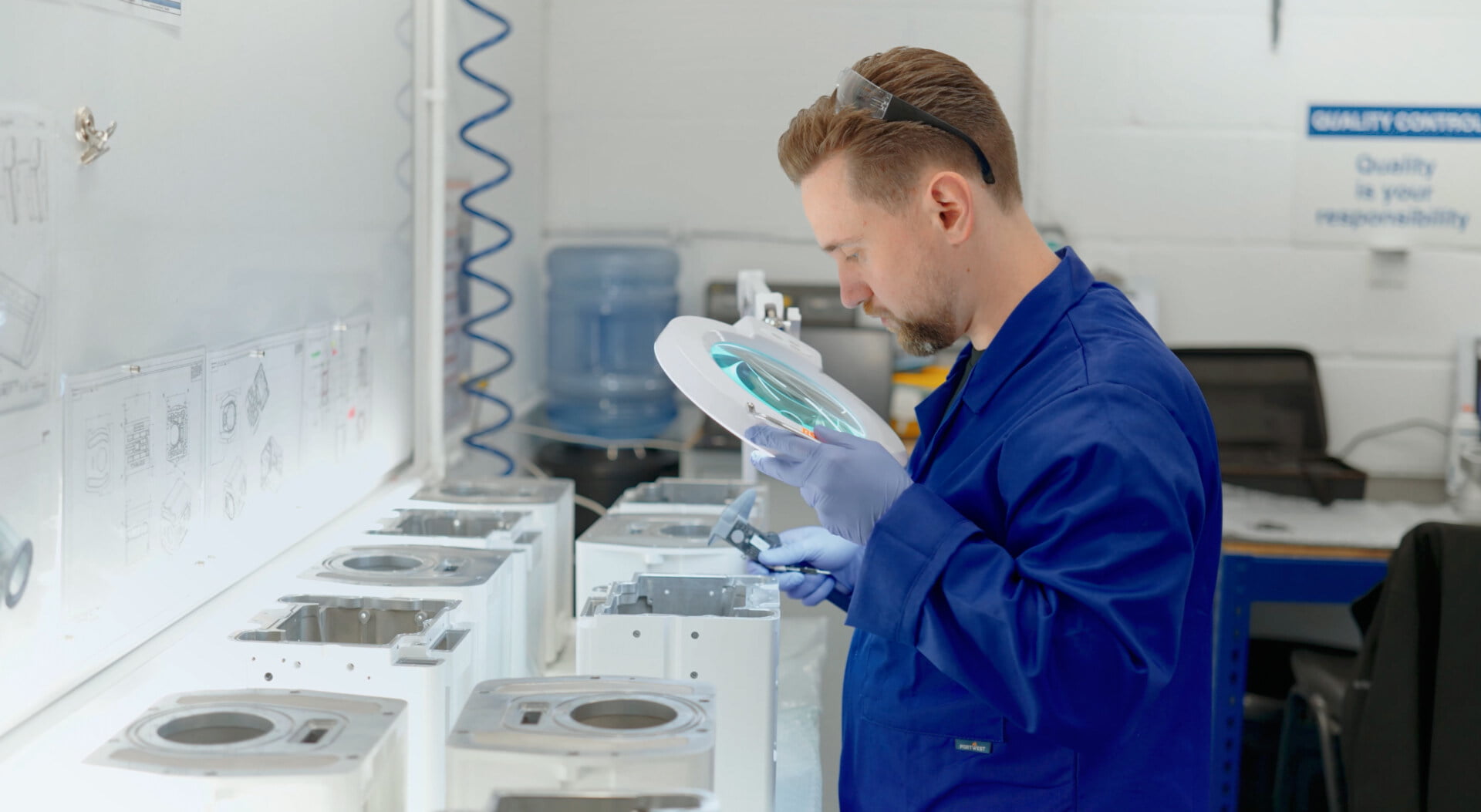
The strongest footage is not necessarily the most polished. It is the footage that keeps the viewer close to the work. Wide shots establish the station and material flow; closer views show the critical action; short cutaways reveal labels, gauges, fixtures or inspection points. This makes the final resource useful for root-cause reviews, onboarding and refresher training, while also helping managers communicate why a standard exists.
For teams building a consistent visual library, the same approach can support repeatable standards from tacit process knowledge. The objective is not to film every second of a shift. It is to capture the few actions and decisions that determine whether the result is right first time.
Use footage to connect defects with causes
When a defect appears, the first response can easily become a debate about symptoms. One department sees a material issue, another sees an equipment issue, and the operator may know that the problem started much earlier in the sequence. Video gives the investigation a shared reference point. A short clip can show the order of operations, the conditions at the time and the interaction between people, tools and materials.
This is particularly valuable when the process is fast, repetitive or spread across shifts. A review group can look for visual differences between an accepted cycle and a failed one. Was a cleaning step rushed? Was a verification point skipped because the previous job overran? Did a new fixture change the operator’s reach or sightline? These questions become more practical when everyone can see the same event.
Footage should support learning rather than blame. Avoid turning the camera into a surveillance device. Explain the purpose before filming, protect sensitive information and focus on process conditions. When people understand that the goal is to improve the system, they are more likely to point out the small realities that written documentation misses. That openness can make root-cause findings easier to turn into lasting change.
Build better quality communication across shifts
Quality controls often fail at the boundaries between teams. A day shift may introduce an adjustment that is not fully understood on nights. Maintenance may complete a repair without showing production what has changed. A new inspection method may be documented, but not demonstrated in the context of the actual line. Short, focused video can close those gaps by showing the change, the reason for it and the checks that confirm it is working.
A useful quality video should answer practical questions. What has changed? Where does the operator need to look? Which result is acceptable? What should happen if the reading or appearance is outside the expected range? Keeping those answers visible reduces the chance that a handover becomes a compressed verbal summary with no opportunity to revisit the detail.
It also creates a stronger starting point for toolbox talks and team briefings. Supervisors can use a two-minute clip to introduce a revised check, then ask operators what could make the instruction difficult in real conditions. That feedback can lead to better fixtures, clearer labels or a more realistic standard. In this way, video helps connect quality assurance with the people who perform the work every day.
Turn one filming day into a useful quality asset
Planning makes the difference between a generic factory montage and a resource that genuinely improves performance. Before filming, identify the process risk, the audience and the decisions the viewer needs to understand. List the critical shots, agree what information must remain confidential and decide how the material will be stored, named and reviewed. A small amount of preparation can make the footage far more useful after the cameras leave site.
Record clean demonstrations, representative examples and the surrounding context. Capture enough detail to show the difference between a good cycle and a common failure mode, but keep the final edits focused. Add simple captions, callouts or chapter markers where they help people find a check quickly. Then involve quality, production and engineering in the review before the video becomes part of training or a controlled communication process.
The best result is a durable reference that can be updated when the process changes. It should sit alongside procedures, inspection plans and lessons learned, with an owner responsible for checking that it still reflects the line. When used this way, manufacturing video does more than explain a product or facility. It helps quality teams see variation earlier, communicate expectations more clearly and reduce the amount of rework that reaches the end of the process.
For organisations strengthening the wider learning system around the footage, it can also complement practical lessons that shift teams can apply consistently. The combination of observable work, clear standards and regular feedback gives improvement a better chance of lasting.