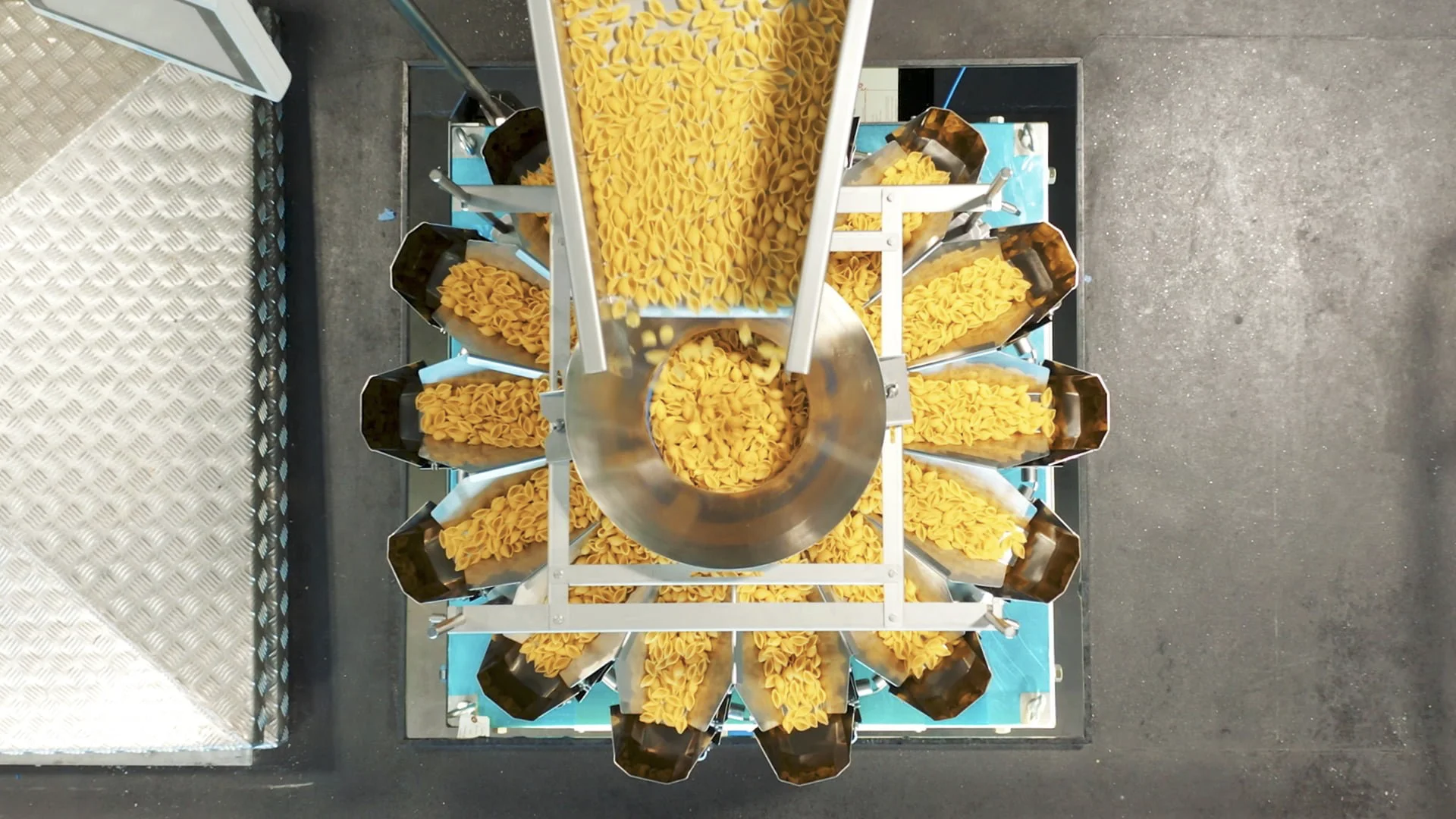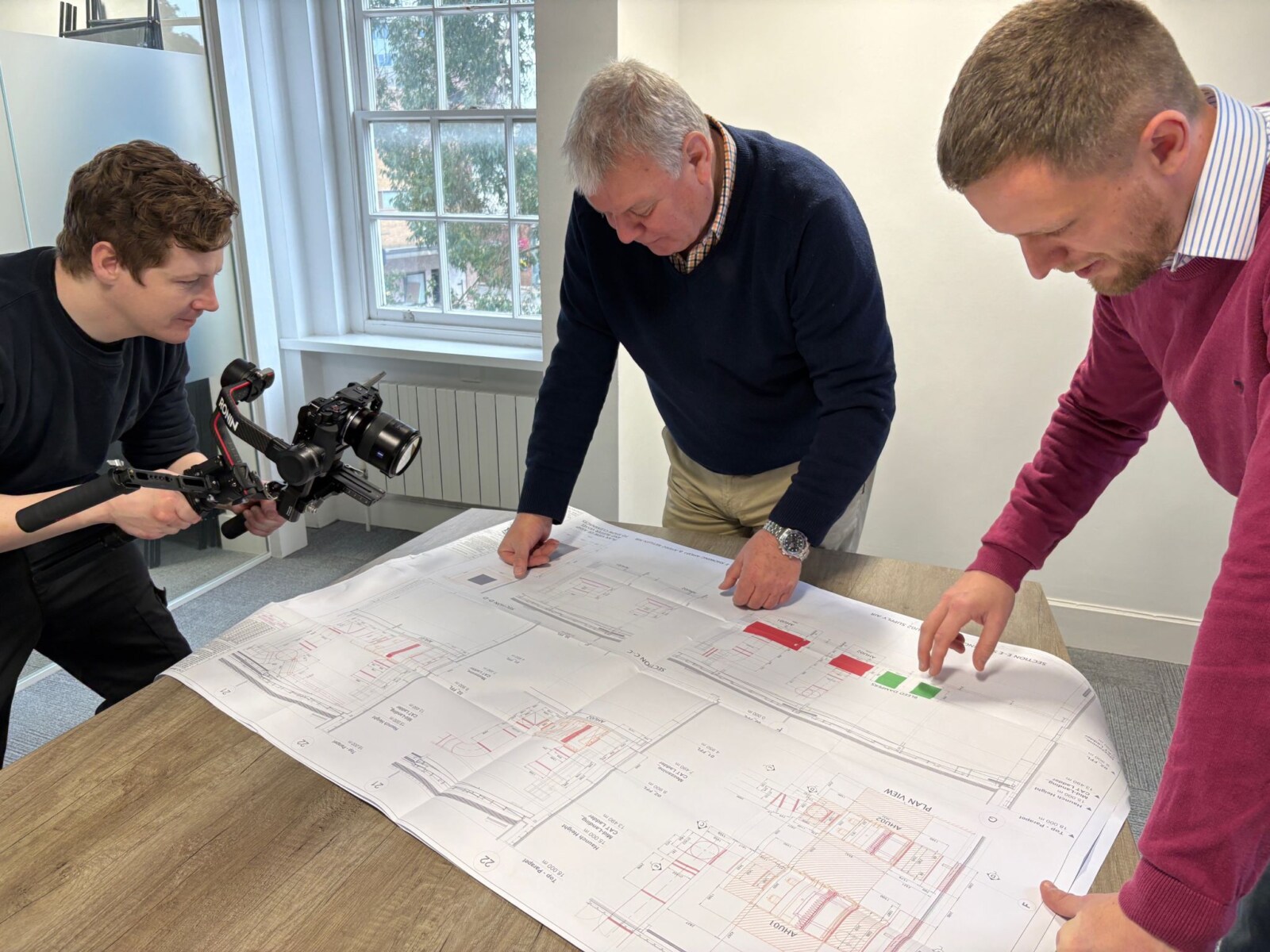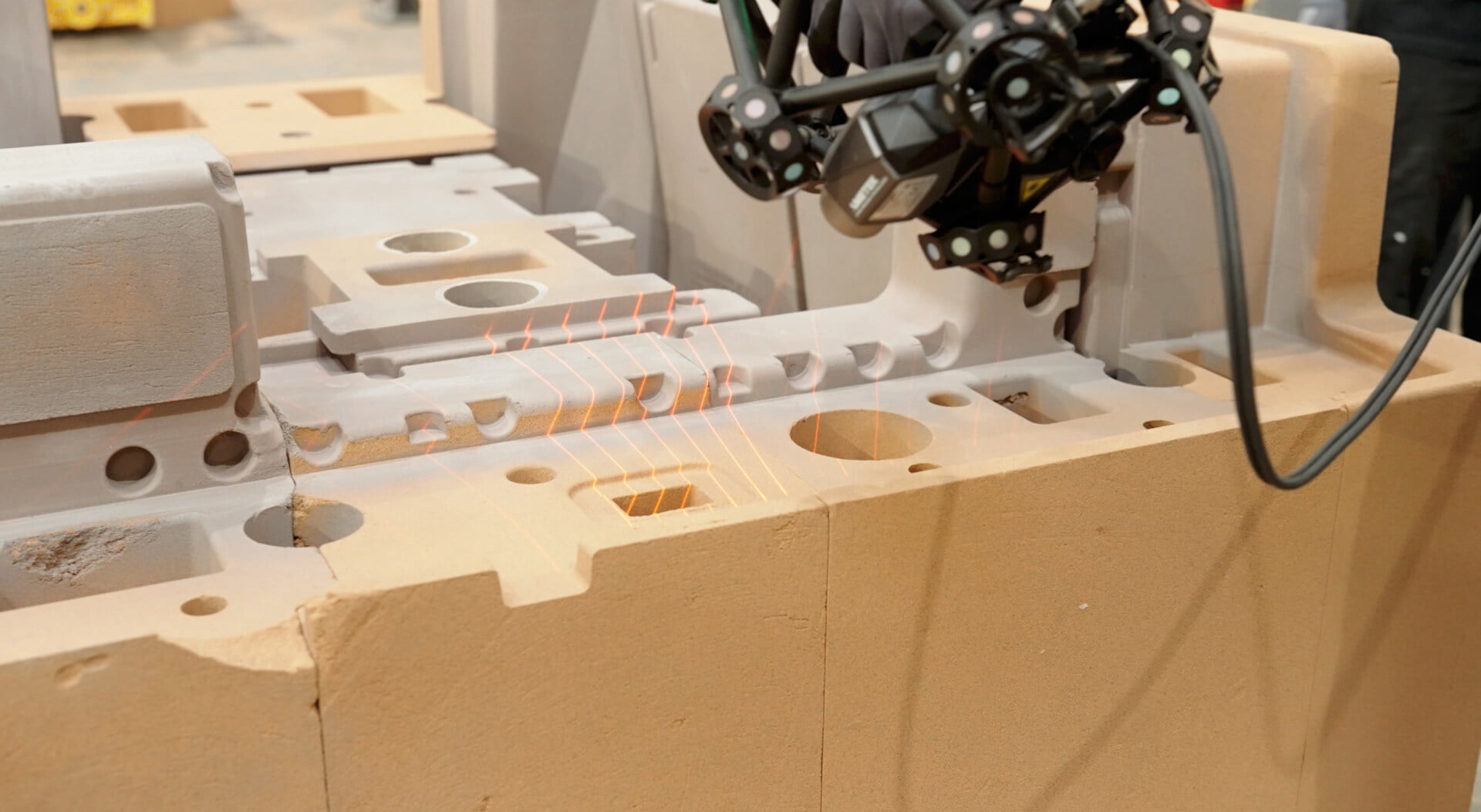
Continuous improvement rarely arrives as one dramatic breakthrough. In manufacturing, progress is more often built from dozens of observations: a clearer setup check, a shorter changeover, a safer route for materials or a more reliable way to share a lesson between shifts. The difficulty is not only identifying those improvements. It is helping people understand them, repeat them and recognise when the same thinking can be applied elsewhere. Manufacturing video gives continuous improvement teams a practical way to make that work visible.
Show the problem before showing the solution
A small improvement can look insignificant when it is presented without context. A revised workstation layout, a new visual control or a different sequence of checks may appear obvious after the event, even though the original problem took time and experience to understand. Video can capture the starting point: the movement that creates delay, the handoff that causes confusion, the repeated adjustment that signals variation or the part of a process where operators have learned to compensate.
That opening matters because it gives the audience a reason to care about the change. A short sequence of real work can show the practical cost of the old method without relying on a long explanation. It also keeps the improvement grounded in the environment where it happened. Viewers can see the people, equipment, space and constraints together, which makes the eventual solution easier to trust and easier to discuss.
The strongest films are not staged as perfect demonstrations from the first frame. They explain what the team noticed, which question it asked and how the people closest to the process contributed to the answer. That creates a more credible story than simply presenting a polished result.
Make the new method easy to understand
Once an improvement has been tested, the next challenge is adoption. A written standard may describe the correct sequence, but it cannot always show the pace, hand position, visual cue or decision point that makes the method work. Video can combine a wide view of the process with close-up detail, helping operators understand both the overall purpose and the practical actions involved.
This is particularly useful when the change affects several roles. An operator may need to know what to do differently, a team leader may need to know how to check the method and a maintenance or quality colleague may need to understand the conditions that protect the result. One well-structured film can provide a shared reference while shorter edits answer the specific questions of each audience.
Captions, clear chapter titles and a concise explanation of the reason behind each step make the content more durable. People are more likely to follow a standard when they understand what it protects, whether that is quality, safety, uptime, customer confidence or the workload of the next shift.
Connect local learning to wider improvement
A successful improvement on one line is valuable, but its wider potential can be missed if the story stays local. Video helps teams document the conditions around the change so colleagues at another line or site can judge whether the same principle applies. It can show what was universal, what depended on a particular machine and which parts still require local engineering or operator input.
That makes the content useful for improvement reviews and knowledge-sharing sessions. A plant manager can see how an idea moved from observation to trial. An engineering team can examine the practical constraints. A production leader can understand what support was required to make the change stick. The film becomes a prompt for a better conversation rather than a substitute for one.
It also complements the wider practice of making continuous improvement visible to plant managers. When the story includes the people who tested the idea and the evidence that supports it, leadership can see how small changes accumulate into operational capability.
Preserve the reasoning behind the change
Improvement work can lose value when only the final standard survives. If people do not know why a decision was made, they may remove an apparently inconvenient step, repeat an old workaround or struggle to adapt the method when conditions change. Interviews and demonstrations can preserve the reasoning that sits behind the standard without turning the finished asset into a lengthy meeting recording.
An experienced operator might explain the signal that prompted an adjustment. An engineer might describe the trade-off considered during the trial. A quality colleague might show which check confirmed that the change was working. These voices give future users enough context to apply the method intelligently, while the visual sequence keeps the explanation connected to real work.
This is also where one clear story for technical teams becomes valuable. Different specialists may use different language for the same improvement. A carefully planned film can align those perspectives around the problem, the intervention and the evidence, making handovers and reviews more productive.
Build a repeatable improvement video library
Continuous improvement teams do not need every film to be a large production. A practical library can contain short, focused assets: a before-and-after explanation, a standard-work demonstration, an interview about the lesson learned and a site-level summary of how the idea was scaled. The right format depends on the audience and the job the content must do.
Planning each piece around a specific question keeps production efficient. Before filming, agree what viewers should understand, which evidence must be shown and how the material will be used after publication. Identify safe filming windows, protect confidential information and involve the people who actually perform the work. These decisions improve the film and reduce disruption on the factory floor.
A well-organised library can support induction, toolbox talks, improvement workshops, customer visits and internal communications. It gives new colleagues a faster route into the reasoning behind established methods, while giving experienced teams a way to share lessons without repeating the same explanation every time.
Turn improvement into shared capability
The real value of manufacturing video for continuous improvement is not visual polish. It is the ability to connect an observation with a practical response and then make that learning easier for other people to use. When films show the original problem, the tested method, the evidence and the reasoning behind the change, small improvements become easier to trust and easier to scale.
That approach also supports safer, more consistent work through training, because the same visual reference can reinforce standards long after the improvement event has finished. With clear objectives and careful preparation, a continuous improvement video library can turn local expertise into shared capability across the manufacturing business.