Every manufacturing site has knowledge that is essential to performance but difficult to find in a document. It lives in the way an experienced operator listens to a machine, the order a supervisor checks a line, or the small adjustment a technician makes before a problem becomes a stoppage. Process owners often know exactly why a method works, yet that understanding can remain invisible to people outside the immediate team. When experienced employees move roles, support more than one site, or retire, the business can lose the reasoning behind the standard as well as the steps themselves.
Manufacturing video gives process owners a practical way to make that knowledge visible. It can show the environment, the decision points and the details that are hard to describe in a written instruction. Used carefully, it is not a replacement for controlled procedures or formal training. It is a clear layer of evidence that helps people understand what the standard looks like in real conditions and why it matters.
Why tacit process knowledge is difficult to transfer
Written procedures are strongest when a task is stable, simple and easy to observe. They become less effective when performance depends on sequence, judgement or context. A document may say that a component should be inspected before the next stage, while an experienced process owner knows which surface to check first, what an acceptable sound is, and which warning signs justify stopping the line. Those details are often passed on through shadowing and conversation, which makes them valuable but inconsistent.
The challenge becomes larger when a business introduces a new shift, supplier, product or site. New colleagues may follow the words of a standard while interpreting the intent differently. Supervisors then spend time correcting small variations, and process owners are repeatedly asked to explain the same points. A focused film can capture the critical moments once and give every team a shared reference. It also creates a useful prompt for reviewing whether the written standard still reflects the way the work is actually done.
What a useful process video should show
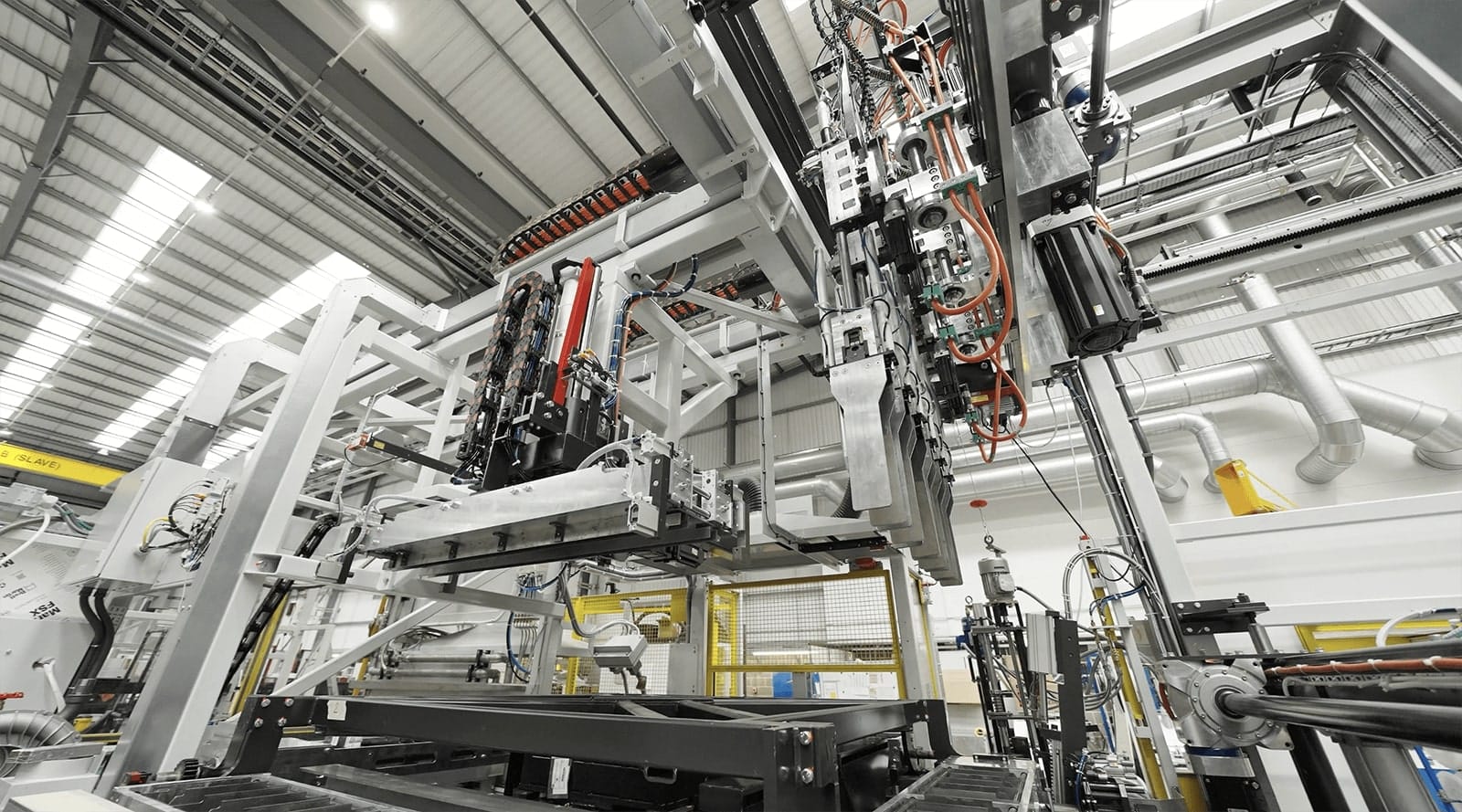
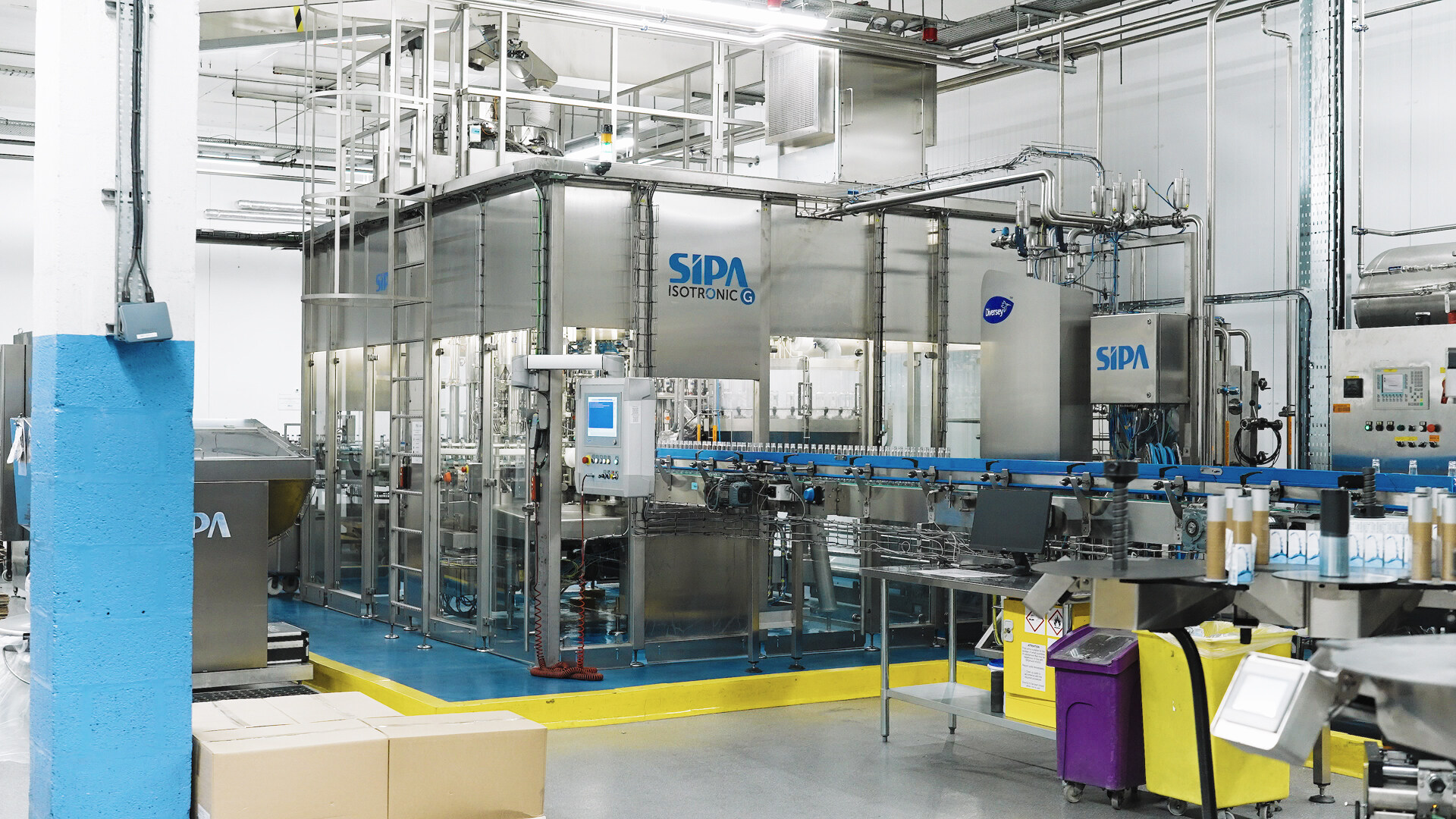
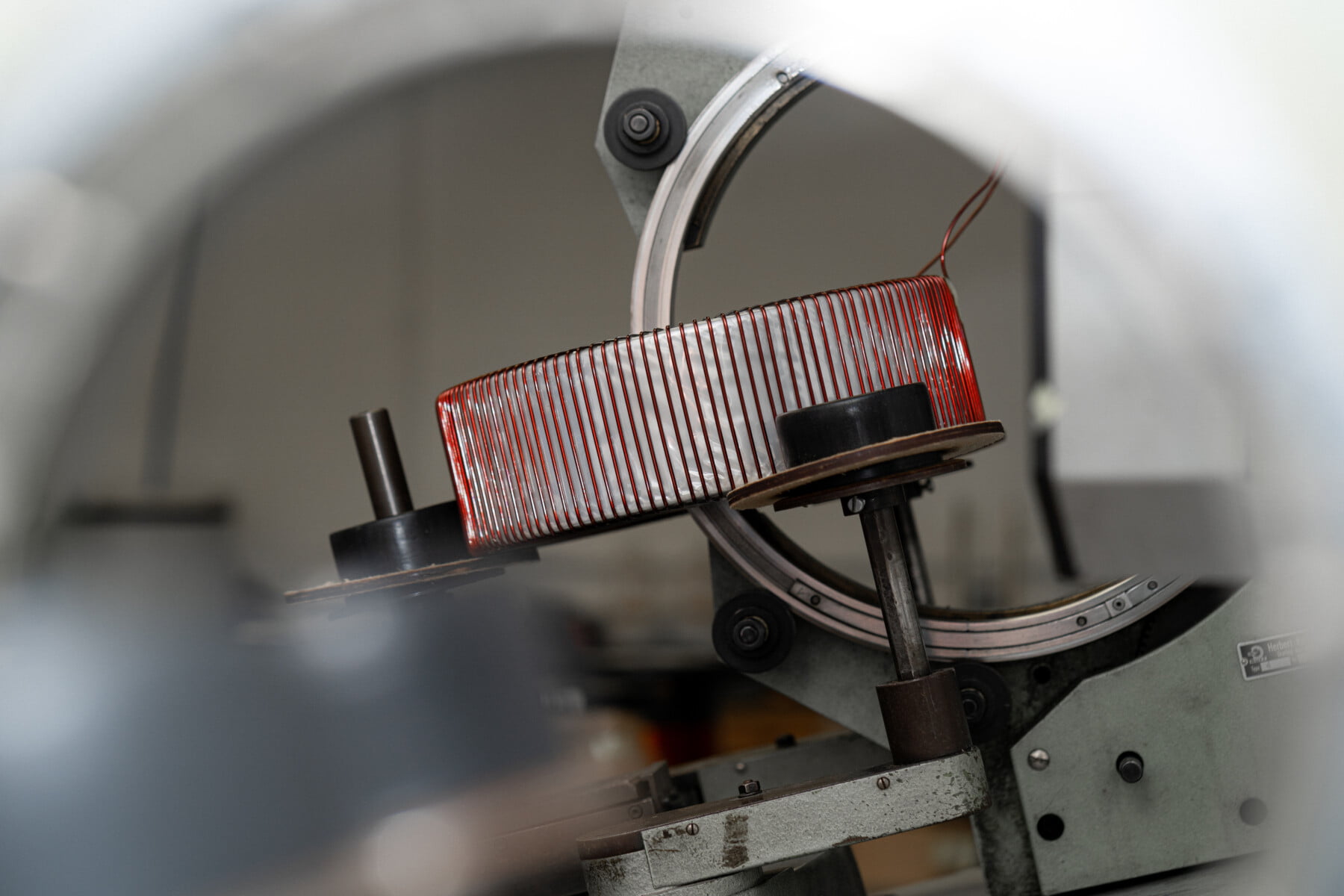
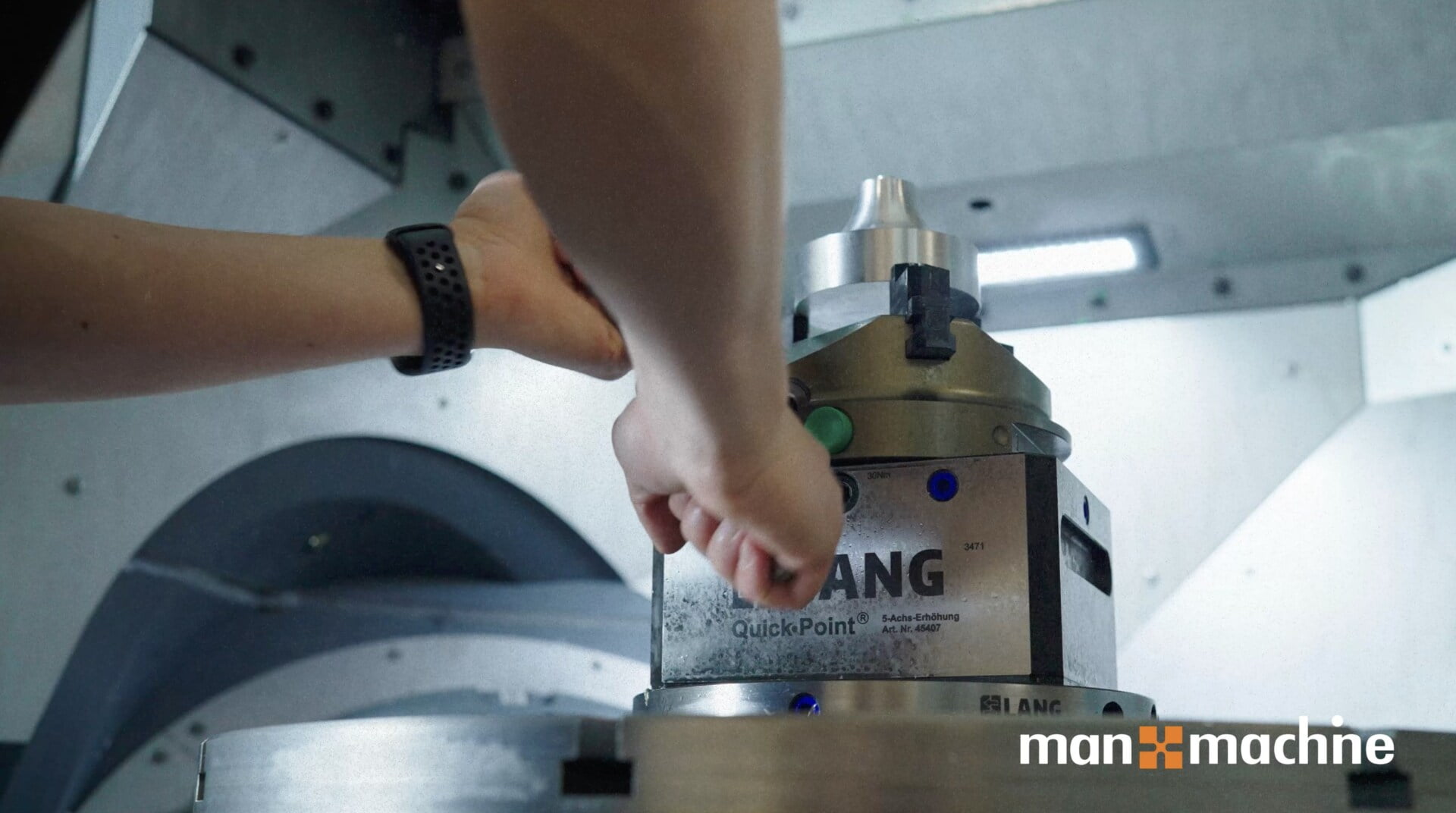
The best process films are designed around decisions rather than decoration. They establish where the task sits in the wider workflow, then show the actions that protect quality, safety and flow. Close-up shots can reveal tool position, material condition or inspection detail, while wider views explain how people, equipment and hand-offs interact. A process owner can add the reasoning behind each step in plain language, making the video useful to someone who has never seen the operation before.
It is also important to show controlled variation. Manufacturing rarely happens in a perfectly clean demonstration environment. A strong film can explain what changes when a batch is different, a machine has just been cleaned, or a downstream team is waiting. Showing those conditions helps colleagues recognise the boundary between an acceptable adjustment and a deviation that needs escalation. The result is a more honest and more teachable standard.
Planning matters as much as filming. Before the camera arrives, the team should agree the audience, the outcome and the few points that must not be missed. The process owner, operator, quality lead and health and safety representative may each notice different risks. Bringing those perspectives together produces a concise brief and prevents the final film from becoming a generic tour of the factory.
How video turns expertise into repeatable standards
A process video becomes most useful when it is connected to the systems people already use. It can sit alongside a standard operating procedure, support a toolbox talk, introduce a training module or help a supervisor prepare for a shift handover. Teams can pause on a decision point, compare the example with their own line and identify where a local instruction needs clarification. Because the same explanation can be revisited, process owners spend less time repeating basic context and more time coaching the exceptions that genuinely require judgement.
This approach is especially powerful during change. When a new product, piece of equipment or improvement method is introduced, people need to understand not only what is different but what remains non-negotiable. A short film can document the transition, show the new sequence and make the expected behaviour concrete. For businesses working across several facilities, the same visual reference can support a common standard while leaving room for local safety controls and approved differences. That balance is central to the value of standardising decisions across multiple sites.
Making the content useful beyond the factory floor
Although the starting point is operational, process-led video can support many other conversations. Quality teams can use it to explain control points during audits. Engineering teams can show why a design choice affects production. Training managers can build a library of practical examples for new starters. Commercial teams can use carefully selected footage to demonstrate the discipline behind delivery without exposing confidential information. When a film is planned with these audiences in mind, it becomes a reusable business asset rather than a one-off recording.
The same principle applies to maintenance and improvement work. A filmed review can preserve the lessons from a shutdown, capture the sequence behind a successful intervention and make recurring issues easier to discuss. That is closely related to the way shutdown reviews can turn into faster recovery: the value comes from making practical learning visible while the detail is still fresh.
Good process content should also be easy to find and keep current. Give each film a clear title, owner, review date and related procedure. Store versions in a controlled location, and decide what happens when the process changes. A short update is often better than allowing an old film to remain in circulation. If the content is intended to support onboarding, connect it to a wider learning path so new colleagues can move from context to demonstration to supervised practice.
Turning the next conversation into a stronger standard
Process owners do not need to document every movement to create value. They need to identify the moments where experience makes the greatest difference: the checks that prevent defects, the choices that protect people, and the signals that tell a team to pause and investigate. Those moments make an excellent starting brief for a manufacturing video.
When practical expertise is filmed with a clear purpose, it becomes easier to share, review and improve. The process owner gains a durable way to explain intent, while colleagues gain a reference they can return to when the work is busy or unfamiliar. Combined with strong procedures and active coaching, video helps a manufacturing business move from “ask the expert” to “understand the standard”. For a broader view of how this can support operational learning, see using manufacturing video to turn process variation into practical improvement.