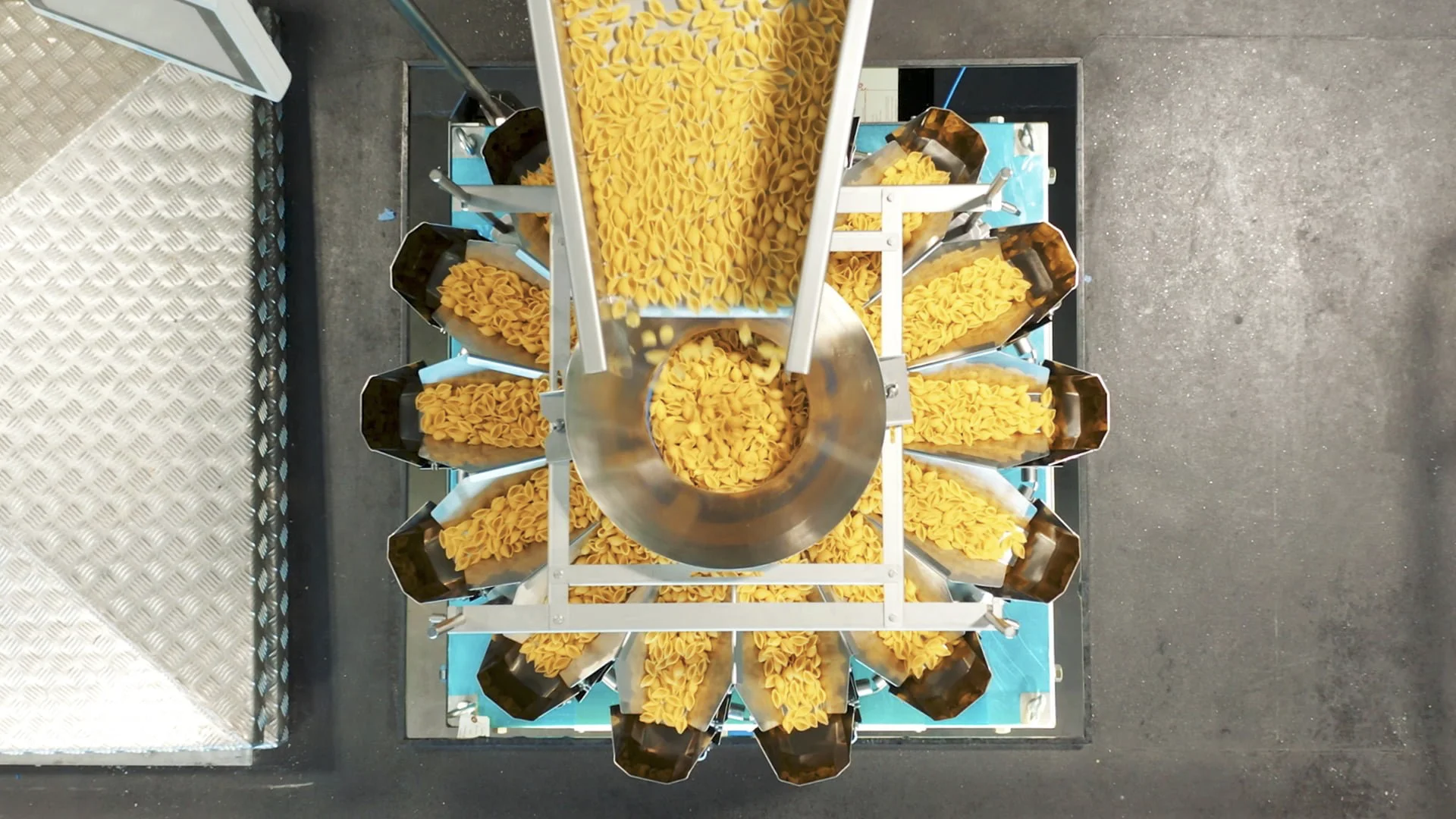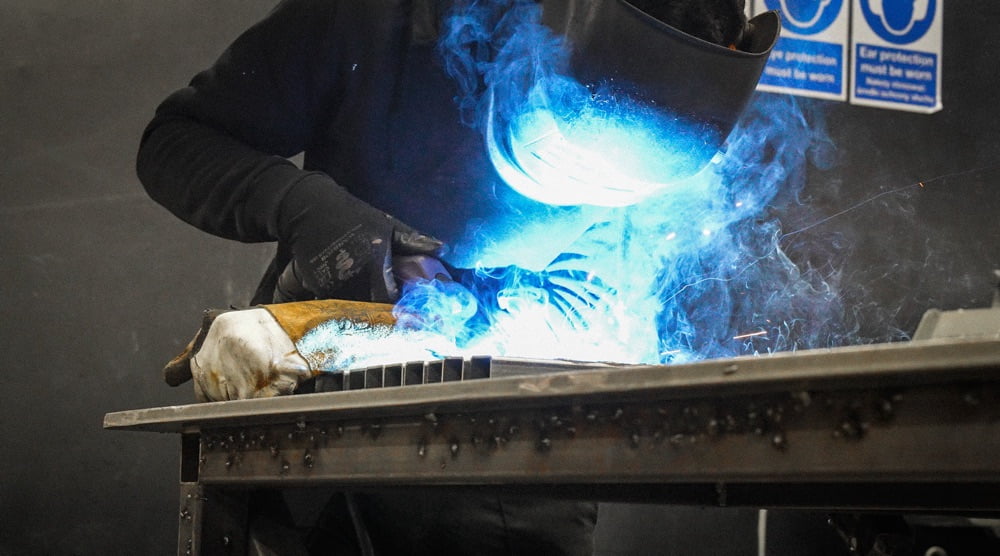
Recruiting in manufacturing is rarely just a matter of listing a vacancy and waiting for applications. Skilled people want to understand the environment they may join, the standards they will be expected to meet and the kind of work they will be trusted to do. A well-planned manufacturing video gives candidates a more useful view of that reality than a generic careers page can provide. It can show the pace of the site, the quality of the equipment, the collaboration between teams and the care taken around safety without reducing the employer brand to a collection of slogans.
Make the workplace tangible before the interview
Many technical candidates make an early decision based on incomplete information. They may know the job title and salary range, but still have little sense of the site itself. Is it a modern facility or an improvised workspace? Are operators supported by engineers, planners and quality specialists? Does the organisation invest in the tools and processes that make good work possible?
Video can answer those questions quickly through specific visual evidence. A short sequence of a production cell being prepared, a technician checking a component or a team reviewing a process communicates far more than a stock photograph. The aim is not to make the factory look artificially perfect. It is to show the real working environment in a considered way, so applicants can picture themselves contributing there and self-select with greater confidence.
Show the people behind the process
Manufacturing recruitment is often discussed as if candidates only care about machinery. In practice, they also want to know how decisions are made and whether their expertise will be valued. Interviews with operators, supervisors, engineers and apprentices can reveal the human systems behind the production system: who supports a new starter, how ideas move from the floor to management and how teams respond when a process needs to change.
Those conversations should be short, direct and grounded in real examples. A maintenance technician explaining how a recurring issue was solved is more credible than a line about innovation. A new apprentice describing the help received during their first months can make development feel practical. The same principle applies to the visual treatment: use real locations, real voices and clear language rather than overproduced claims that could belong to any employer.
Connect recruitment content to the candidate journey
A recruitment film works best when it has a job at every stage. At the awareness stage, a short cut can introduce the organisation on LinkedIn or a careers page. During application, a longer version can explain the site, roles and expectations. Before an interview or site visit, a targeted clip can help candidates arrive with better questions and a clearer understanding of the work.
This is where manufacturing video becomes part of a wider content system rather than a one-off production. A main film can be edited into role-specific pieces for engineering, quality, production or logistics. Training-focused material can also reinforce what a consistent, well-supported workplace looks like, as shown in manufacturing training video. Each version should retain the same visual identity while answering a different candidate question.
Use video to set expectations honestly
The strongest recruitment videos do not hide the demanding parts of manufacturing. Shift patterns, personal protective equipment, clean-room rules, noise, pace and the need for careful documentation may all matter to a future employee. Showing these realities respectfully helps reduce mismatched applications and makes the people who do apply more likely to understand the role.
Honesty does not mean presenting the workplace without context. It means showing how the organisation helps people succeed: structured handovers, clear procedures, coaching, good supervision and the reason behind important controls. When a film explains both the standard and the support around it, the employer feels more credible. It also gives HR and hiring managers a useful reference point when discussing the role with candidates.
Measure quality, not just views
High view counts can be encouraging, but they are not the only measure of recruitment value. Track whether the film increases visits to relevant vacancies, improves completion rates on careers pages, generates stronger questions at interview or reduces the number of applicants who withdraw after learning more about the role. Feedback from hiring managers can reveal whether candidates arrive better prepared.
It is also worth reviewing which moments people remember. A clear explanation of a process, a glimpse of progression or a genuine account from an employee may influence decisions more than a dramatic shot of machinery. The commercial value of video often comes from turning complex capability into confidence, a principle explored in video that reveals hidden expertise. For HR, that confidence is directed towards the employer and the future employee relationship.
Build an employer story that can keep working
A manufacturing recruitment film should be planned for a useful life beyond its launch week. Capture a range of interviews, processes and details that can be adapted for vacancies, onboarding, apprenticeships, careers fairs and internal communications. Keep the language specific enough to feel authentic, but broad enough that the material does not become obsolete when one job title changes.
The best result is a realistic, reusable picture of why people choose to work in the organisation and what enables them to do good work there. When candidates can see the environment, hear from the people inside it and understand the standards that shape each role, recruitment becomes a more informed conversation. A strong production plan can support that conversation while also giving engineering and technical teams a clearer way to explain what they do, much like the capability-led approach in engineering capability video.