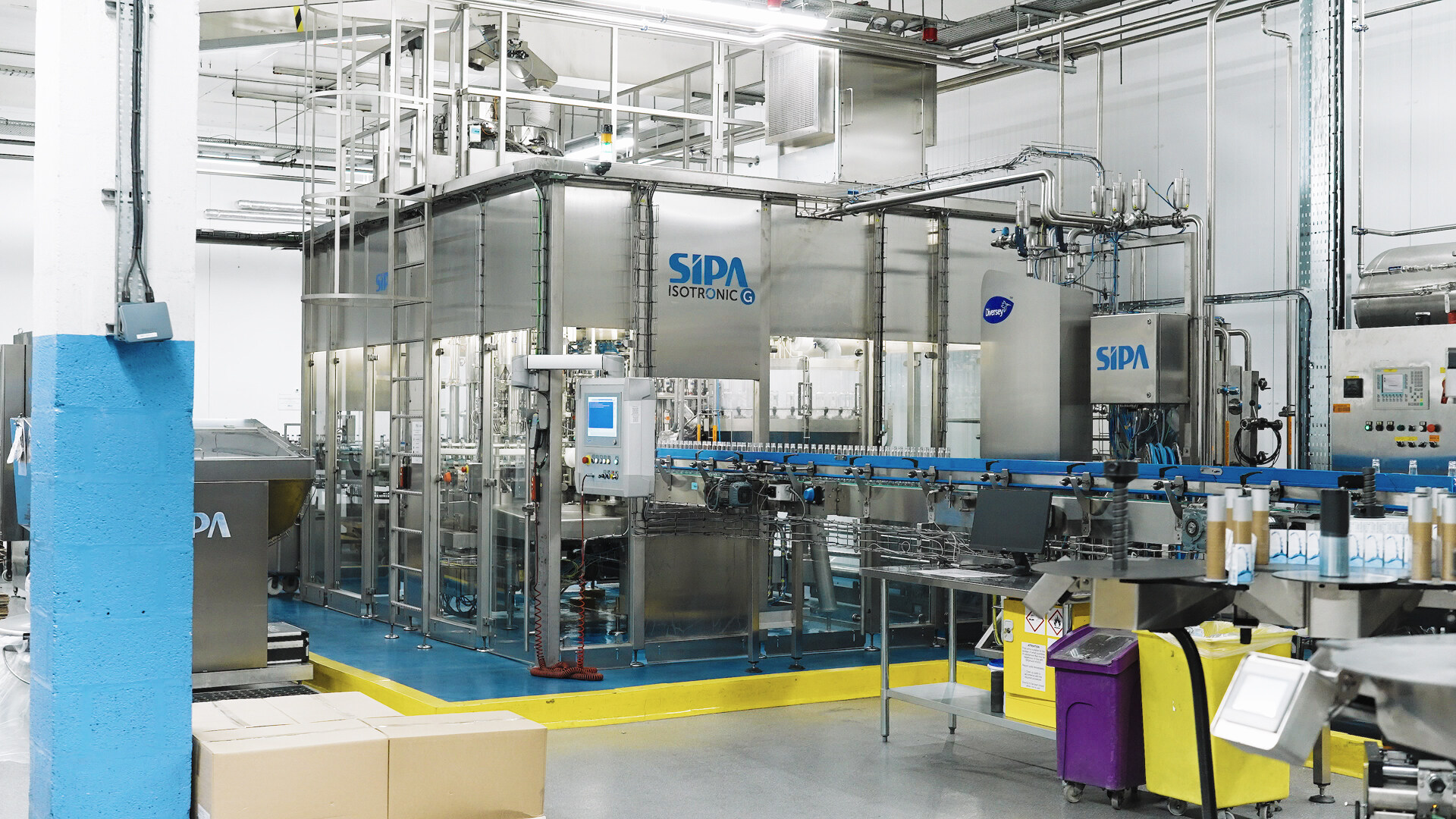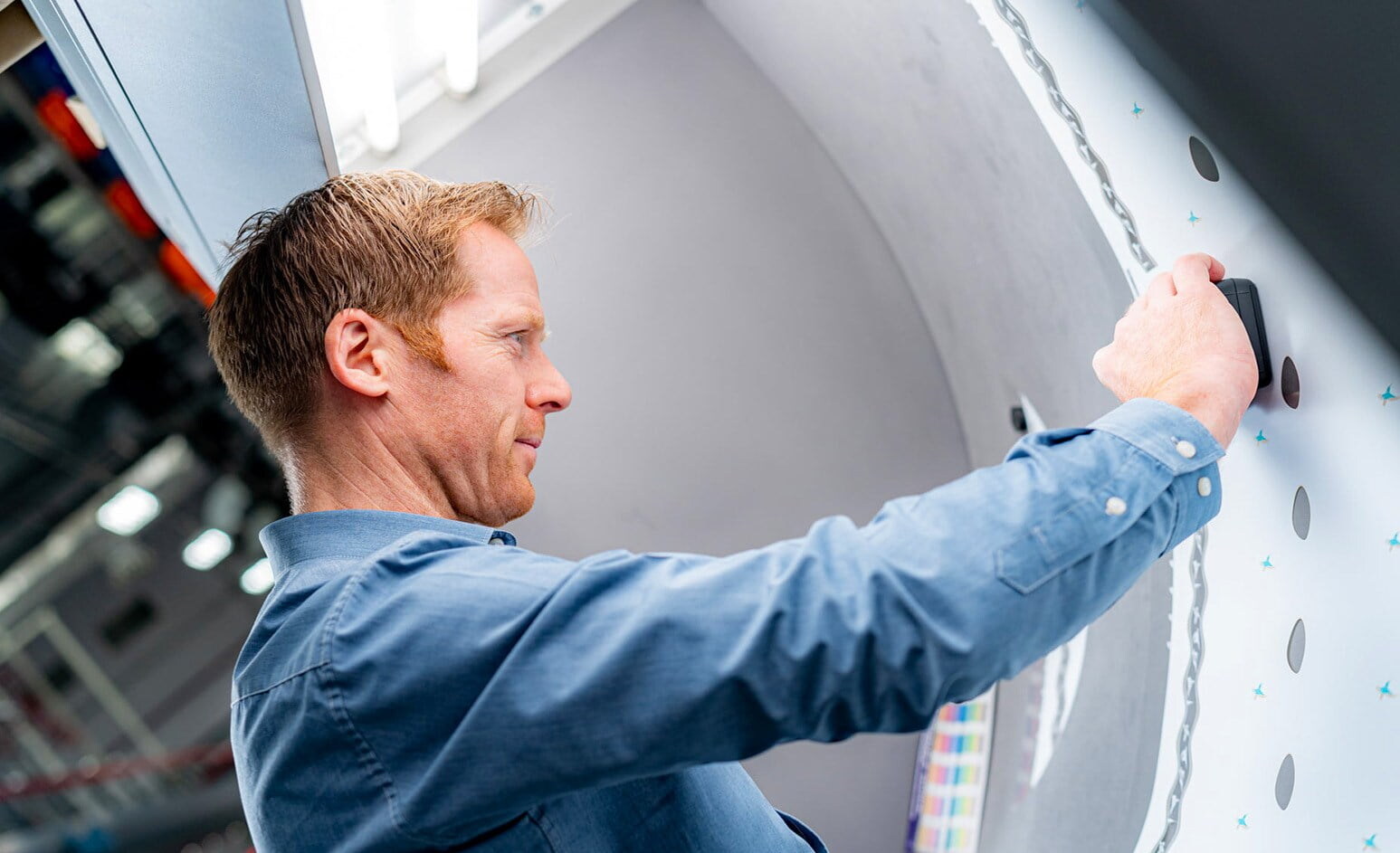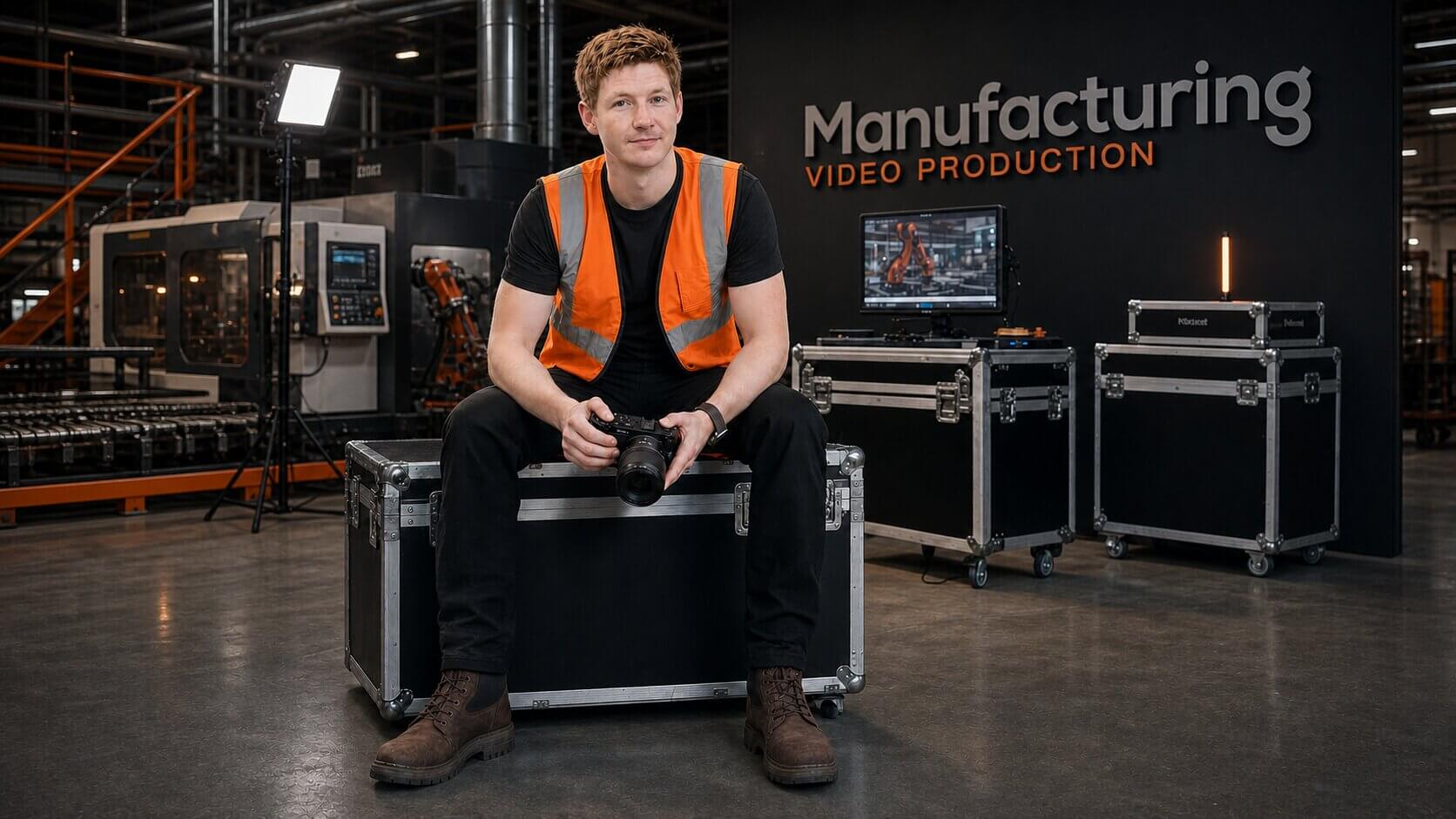
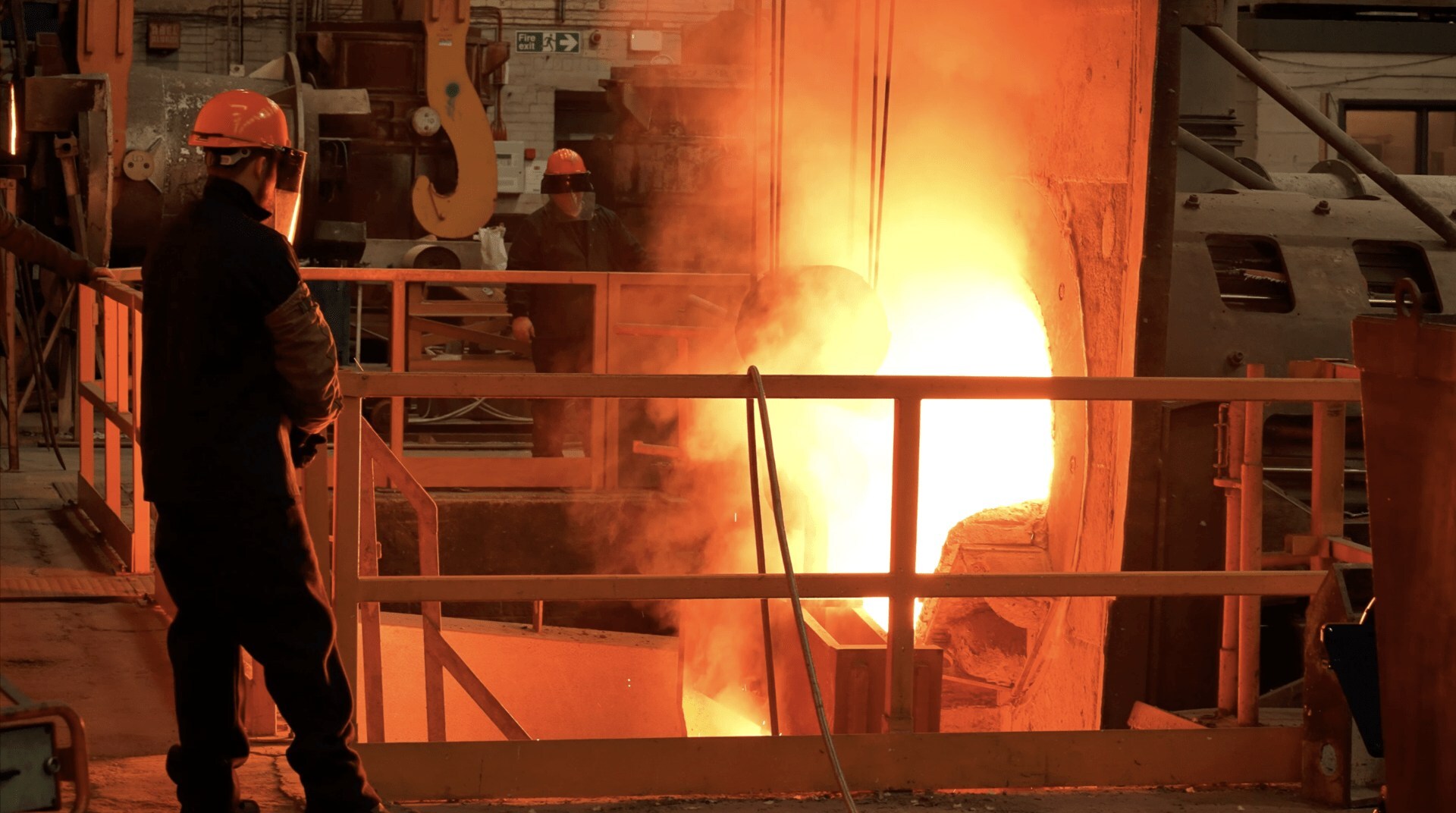
Manufacturing businesses collect more operational information than ever, yet useful insight can still be difficult to share. Production figures, maintenance records, quality reports and improvement plans often sit in different systems, while the people who need to act on them work across departments or sites. A well-planned manufacturing video can connect that information to the real environment where decisions are made: the factory floor.
For operations directors, the value is not simply having attractive footage of machinery. The stronger opportunity is to show what the numbers mean in practice. When a video combines clear operational context with the voices, movements and decisions behind a process, it gives leadership teams a common reference point. That makes it easier to understand constraints, challenge assumptions and agree what should happen next.
Turn abstract performance data into visible reality
A dashboard may show throughput, downtime or first-pass yield, but a figure alone rarely explains the conditions behind it. Video can reveal the sequence of events around a result: how materials arrive, where a handoff slows down, which inspection step protects quality, or how an operator adapts when a variation appears. This visual evidence helps decision-makers move from “what happened?” to “why did it happen?”
That context is particularly useful when operations directors are reviewing performance across several lines or sites. A short, carefully structured film can place process footage beside commentary from engineers, supervisors and operators. It becomes easier to distinguish a genuine systemic issue from a local exception, and to identify where a small change could deliver a meaningful improvement.
The same approach can support investment decisions. Instead of presenting a capital request as a list of equipment, the video can show the current process, the operational pressure it creates and the practical difference a proposed change would make. That gives finance and leadership teams a more grounded basis for discussion.
Give cross-functional teams one shared reference
Operational decisions often stall because departments are working from different versions of the story. Engineering may focus on technical capability, production on flow, quality on evidence and commercial teams on customer impact. A manufacturing video can bring those perspectives together without asking everyone to attend another long meeting. Each audience sees the part of the process that matters to them while remaining connected to the wider business objective.
This is where a disciplined production process matters. The film should begin with a clear communication job, then use interviews, process footage, graphics and sound design to support that job. It may be useful to explore how technical teams align around one clear story, particularly when a project involves complex equipment or multiple stakeholders.
Once the core film is complete, selected sequences can be reused in leadership presentations, onboarding, improvement workshops and customer communications. That extends the value of the original production while keeping the organisation aligned around consistent evidence rather than repeatedly recreating explanations.
Make improvement easier to adopt on the floor
Data can identify an opportunity, but people still need to understand how a new way of working fits into their day. Video is effective when it shows the practical detail of change: the movement of materials, the position of a tool, the trigger for an escalation or the expected result of a check. Seeing the sequence helps teams ask better questions before implementation and reduces the risk that an improvement remains theoretical.
It can also preserve the reasoning behind a decision. When experienced staff explain why a control exists or how they recognise an early warning sign, that knowledge becomes easier to pass between shifts and sites. For a useful example of turning best practice into repeatable performance, operations leaders can consider how manufacturing video supports repeatable training.
The most effective films avoid pretending that every process is perfectly smooth. Showing a real constraint, a controlled adjustment or a lesson learned makes the story more credible. It also gives improvement teams a stronger starting point because they can see the gap between the documented process and the lived process.
Build a decision asset that keeps working
To make a film useful beyond its launch, plan its structure around the questions leaders and teams will return to. What problem is being addressed? What evidence proves the current position? Which change is being introduced? What does good performance look like afterwards? Answering those questions in a clear order creates a resource that can support reviews long after the shoot.
It is also worth planning a family of outputs: a main overview, shorter process chapters, interview extracts and concise clips for internal channels. This approach makes the content easier to reuse without losing the operational narrative. When a major programme includes construction, installation or commissioning, milestone-focused manufacturing video can provide an especially valuable record of progress and shared accountability.
For operations directors, the central question is not whether the business has enough data. It is whether people can interpret that data together and act with confidence. Manufacturing video helps bridge that gap by making processes, decisions and outcomes visible. Used with a clear objective, it turns factory knowledge into a practical communication asset that supports better decisions at every level.