Quality teams are often asked to make complex evidence feel simple. A customer wants reassurance that a specification is being met. A procurement group wants to understand how a process is controlled. A production leader wants people to follow a standard consistently across shifts and sites. The information already exists in procedures, inspection records, dashboards and the experience of skilled operators, but it can be difficult to turn that evidence into a story that people can quickly understand and remember.
That is where a carefully planned manufacturing video can add value. It does not replace quality documentation or formal validation. Instead, it gives the people around a process a clear visual explanation of what matters, why it matters and how the organisation protects the result. When the film is built around real operations rather than generic claims, quality becomes easier to see and easier to discuss.
Make the control process visible
Many manufacturing controls are effective precisely because they are repeatable and disciplined. The difficulty is that repeatability can look unremarkable to someone seeing the process for the first time. A camera can show the sequence: the preparation before a run, the checks made at a critical stage, the way a measurement is taken and the decision that follows. Used thoughtfully, those images give context to the written procedure without trying to turn a serious control into entertainment.
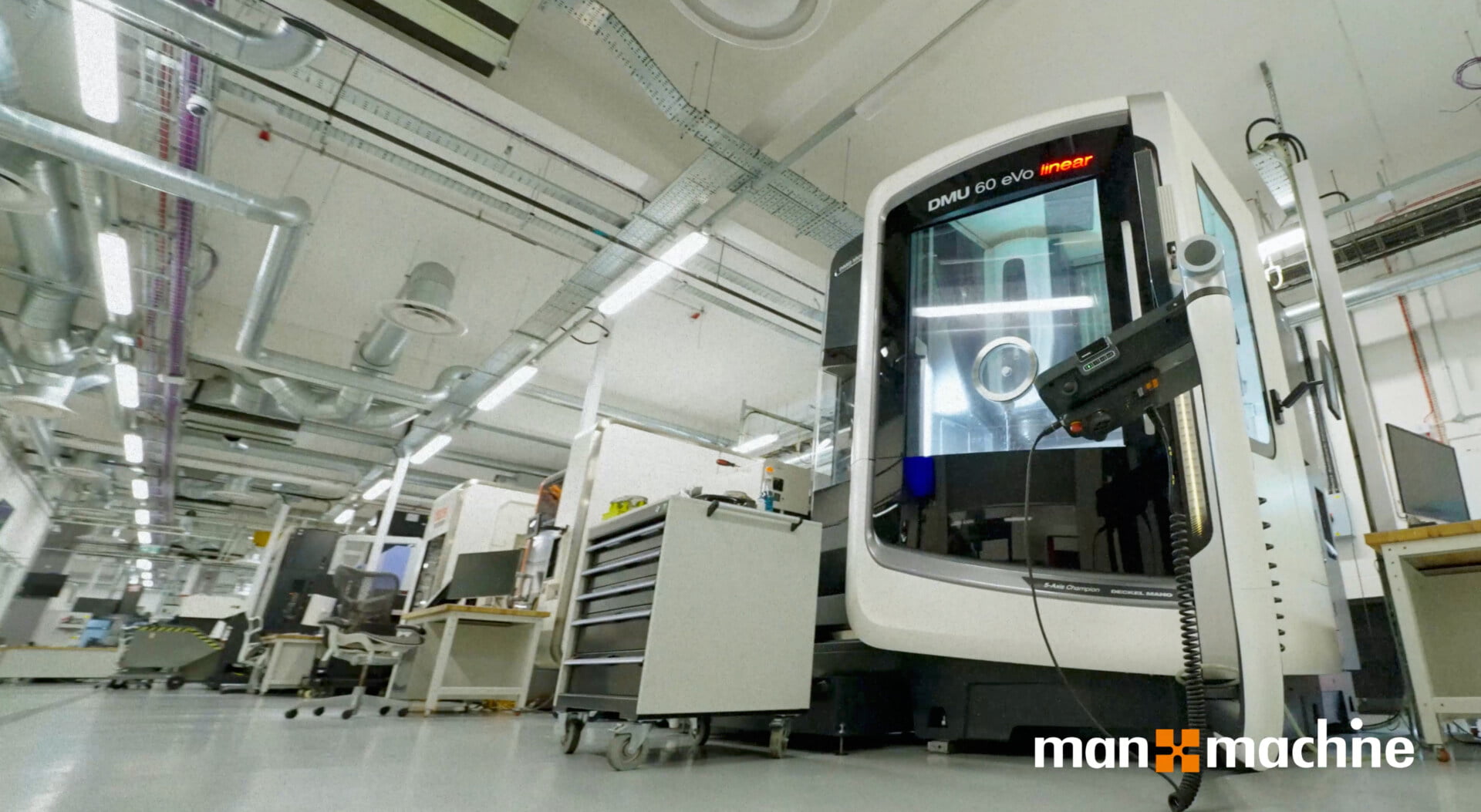
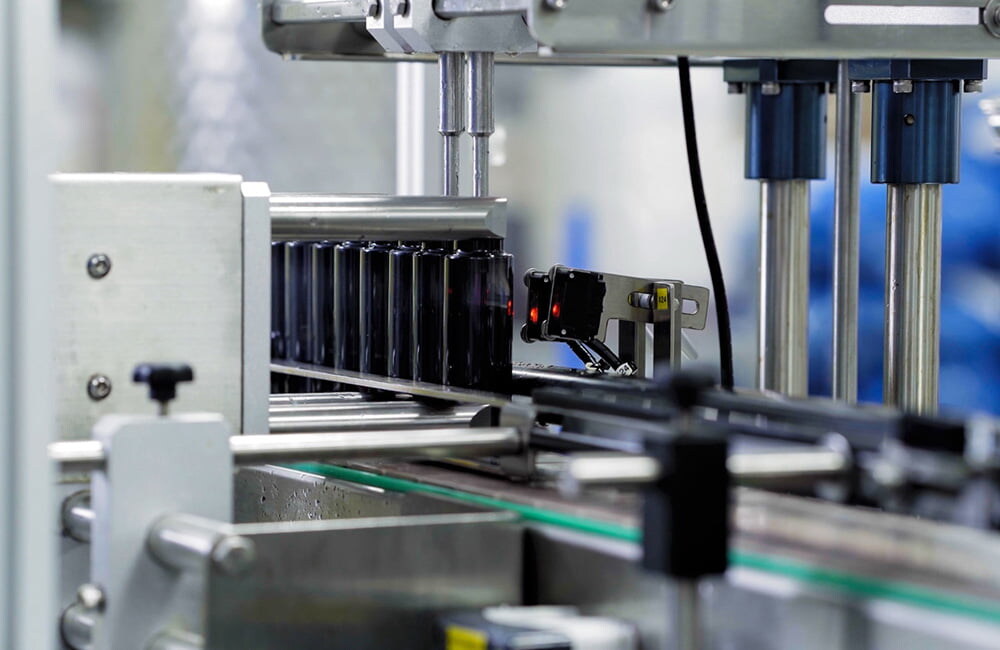
The strongest films focus on the moments where quality is actively protected. That might be a material identification check, a first-off inspection, a tooling adjustment, a cleanliness routine or the handover between production and technical staff. Close detail can show the evidence being created, while wider shots explain where that activity sits within the overall flow. The viewer sees that quality is not a final gate added at the end; it is built into the work.
This approach is especially useful when a facility has several audiences. An engineer may care about tolerances and process capability, while a prospective customer may need confidence that the organisation can repeat the result at scale. A well-structured film can give both audiences a shared reference point, with enough technical substance to be credible and enough narrative shape to remain accessible.
Build confidence without making unsupported promises
Trust grows when a video respects the difference between evidence and assertion. Rather than relying on broad statements about excellence, the production should identify the specific proof points the organisation can show. That could include the people responsible for inspection, the equipment used to verify a result, the traceability built into the workflow or the way an issue is investigated and resolved.
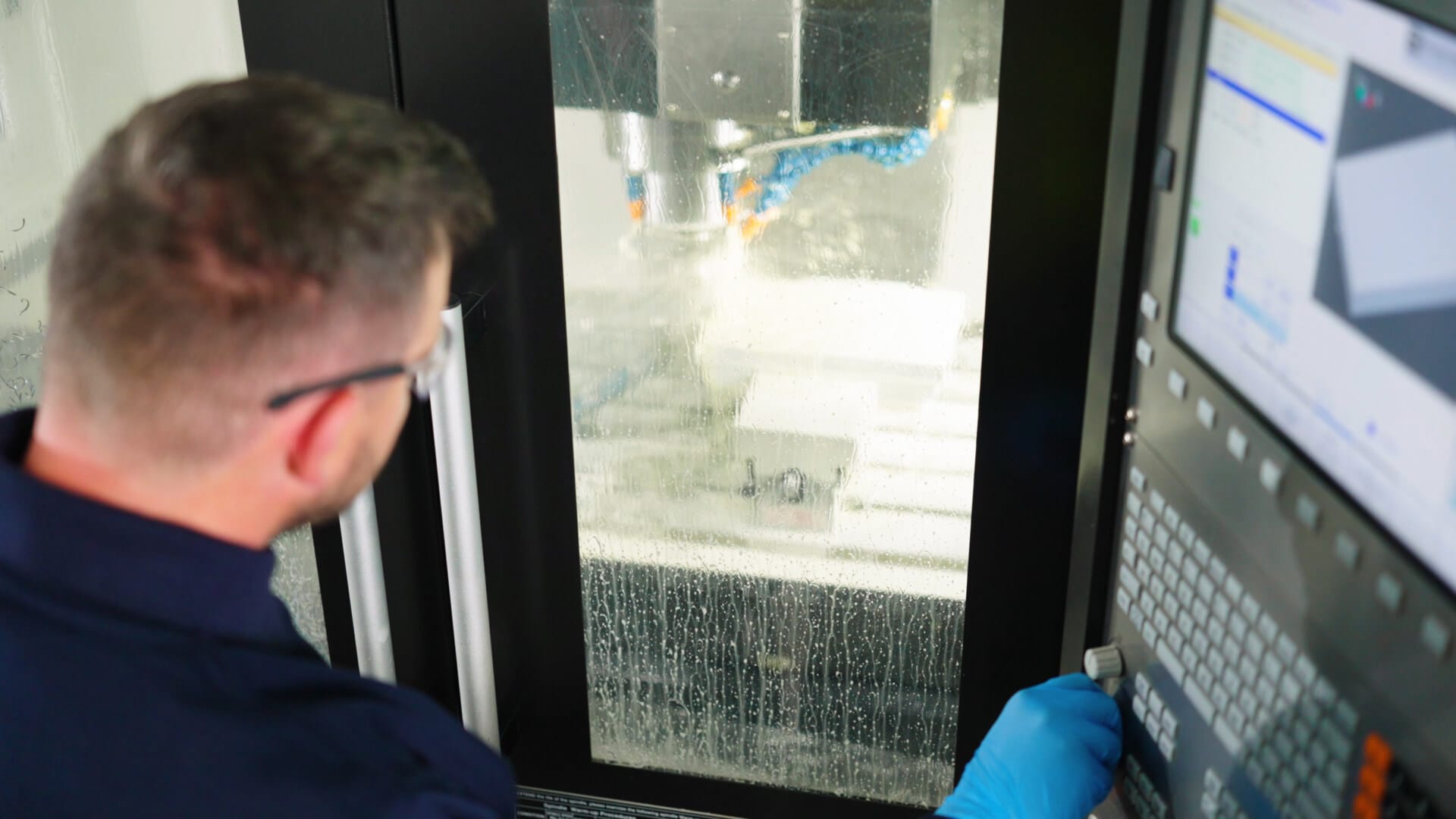
Interviews work best when they explain decisions in plain language. A quality manager can describe what a control is designed to prevent. An operator can show how a check fits naturally into the shift. A technical director can connect a shop-floor practice to the expectations of a customer or regulated market. These voices make the system human, but the film should remain grounded in observable work. The result feels more credible because the audience is invited to understand the method, not simply accept a slogan.
That same discipline matters during planning. A clear technical story prevents a production from collecting attractive footage without a defined purpose. Before filming, the team should agree which questions the finished video must answer, which claims require supporting evidence and which details are confidential. This gives the shoot a practical boundary and helps everyone protect accuracy while working efficiently on an active site.
Give quality evidence a life beyond the finished film
A quality-focused production can create more than one finished edit. The main film might support a customer presentation, a capability page or a sales conversation. Shorter extracts can explain a particular control to a new starter, support an internal improvement programme or help a commercial team answer a recurring question. Still frames and concise sequences can also provide useful material for presentations and social channels, provided the context is preserved.
Planning for these uses does not mean filming everything indiscriminately. It means identifying the important visual moments early and capturing them with enough coverage to remain useful in different formats. A wide establishing shot may explain the facility, while close footage of a gauge, sample or inspection record can carry a short educational edit. The production can then serve different audiences without asking the business to repeat the same filming exercise every time a new communication need appears.
For teams explaining continuous improvement, video can also preserve the reasoning behind a change. A before-and-after comparison, a short explanation from the people involved and a precise view of the new standard can make improvement easier to communicate than a collection of isolated photographs. In that sense, the film becomes part of the organisation’s knowledge system: a practical record of how a better way of working was developed and adopted.
Plan the production around the people who know the process
The most useful preparation usually starts with a short workshop involving quality, operations, engineering and communications. Together, they can map the audience, the important controls, the terms that need explaining and the scenes that must not interrupt production. A simple storyboard then turns those decisions into a shoot plan, with interview prompts and a list of evidence-led sequences.
On the day, a respectful crew will work around the rhythm of the facility. That includes agreeing safe camera positions, allowing operators to work naturally and checking that screens, labels and documents are suitable for filming. Authenticity is valuable, but it should never come at the expense of safety, confidentiality or the accuracy of the process being shown. The film earns confidence when the production method reflects the same care as the manufacturing method.
For organisations that need to make technical credibility more visible, evidence-led manufacturing video can turn an abstract assurance into something people can see, question and remember. The final value is not simply a polished piece of content. It is a clearer conversation between the people who make, verify, specify and buy the product.