Research and development teams are often asked to move an idea from a controlled experiment into a repeatable manufacturing process. That journey is full of important detail: trial conditions, tooling changes, operator decisions, material behaviour, inspection results and the practical compromises that make a solution work outside the lab. When that detail stays in notebooks, meeting notes or the memories of a few specialists, it becomes difficult for the wider business to understand what has been learned and how confidently it can be applied.
Manufacturing video gives R&D teams a clear way to show how an idea behaves in the real world. A well-planned film can connect development work to the people who must approve it, operate it, sell it, maintain it and scale it. Rather than presenting innovation as an isolated technical achievement, video can explain the evidence behind a decision and make the route from prototype to production easier to follow.
Make the learning behind a prototype visible
A prototype rarely tells the whole story by itself. The useful knowledge is often in the sequence of adjustments that came before it: a component was redesigned, a setting was changed, a test exposed a weakness, or an operator found a more reliable method. Those moments are easy to lose when a project is summarised only through its final result. Video can capture the working process and preserve the reasoning that shaped it.
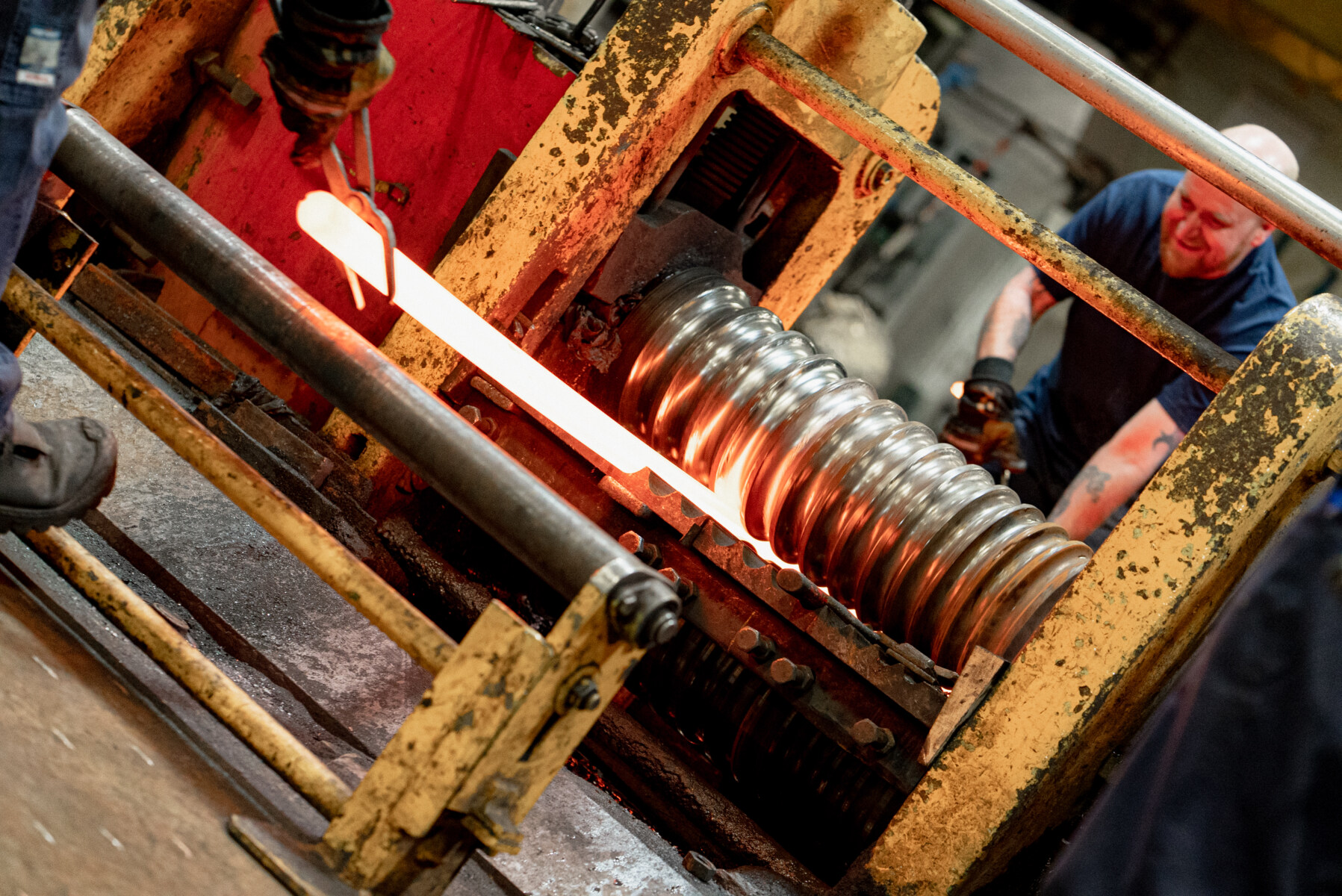
That does not mean filming every experiment without a clear purpose. The strongest R&D content is selective. It identifies the decisions that changed the project and shows them in a way that a non-specialist can understand. Close-up footage can reveal a material response or a quality check, while wider shots establish the equipment, environment and people involved. Interviews then add the explanation that turns visual evidence into useful knowledge.
This approach is especially valuable when several teams are contributing to development. Engineering can explain design intent, production can describe manufacturability, and quality can show how the result is tested. The finished film becomes a shared reference point rather than another presentation that disappears after a meeting.
Connect development decisions to production reality
Scaling an innovation is not simply a larger version of running a trial. Production introduces different speeds, volumes, skills, constraints and risks. A process that works once may need clearer work instructions, a different layout or additional controls before it can be repeated consistently. Video helps R&D teams demonstrate that these realities have been considered.
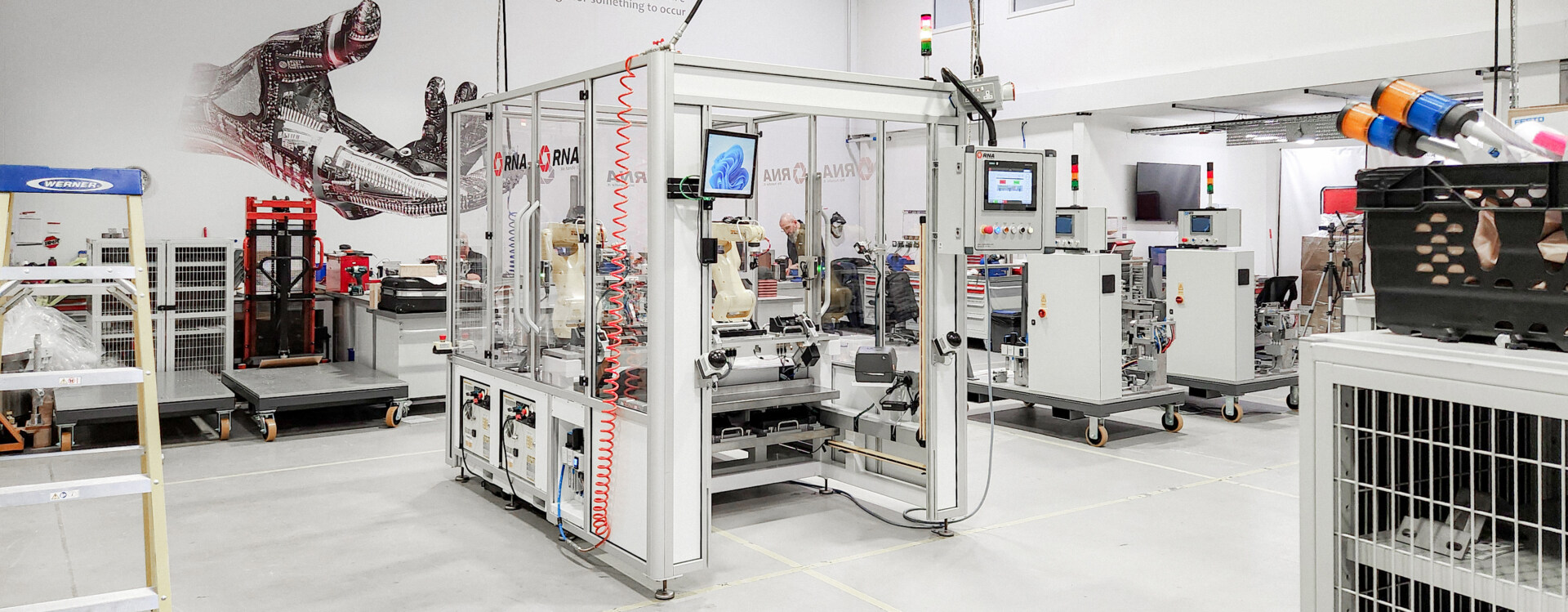
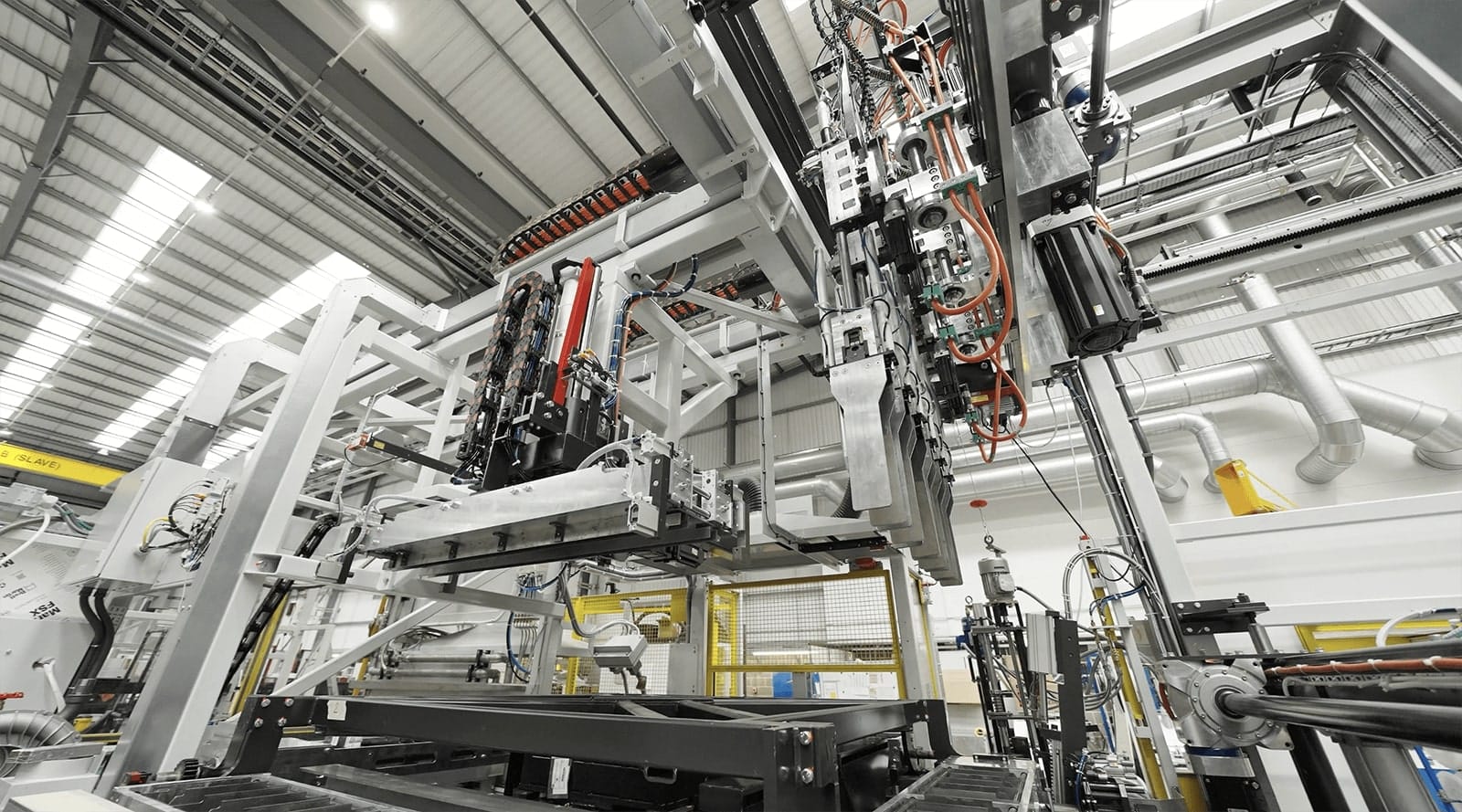
Showing the transition from a test environment to the factory floor can make a development story much more credible. Viewers can see how equipment is configured, where checks happen, how materials move and which parts of the process require specialist attention. This context gives operations leaders something more practical than a headline about innovation. It helps them judge what needs to change before a project is ready to scale.
It can also support the teams responsible for communicating the project externally. A concise explanation of the development path can sit alongside prototype learning and production confidence, helping customers and partners understand why a solution is ready for the next stage. The emphasis remains on proof: what was tested, what improved and what the organisation now knows.
Give specialist knowledge a longer working life
R&D knowledge often depends on people who have been close to a project for months or years. If they move to another role, leave the business or simply become unavailable, important context can be difficult to recover. A carefully structured film provides a durable record of the choices, terminology and practical lessons that shaped the work.
That record can be used in more than one way. New engineers can use it during onboarding, production teams can revisit it when a line is introduced, and commercial colleagues can draw on it when explaining the solution to a prospective customer. Separate edits can be created for different audiences while preserving the same factual foundation. This is where a broader design-intent story for engineers and wider teams becomes a practical communication asset rather than a one-off project film.
The value is not limited to documentation. When people can see how a development decision was made, they are more likely to ask useful questions and apply the learning accurately. Video supports a culture in which experimentation is converted into shared capability, not held as private expertise.
Build a clear story for investment and adoption
R&D projects frequently compete for funding, plant time and management attention. Decision-makers need to understand both the opportunity and the work required to deliver it. A strong manufacturing video can show the problem, the development route, the evidence of improvement and the next operational step in one coherent narrative.
That clarity makes it easier to discuss investment honestly. Instead of claiming that a new process will transform performance, the film can show the baseline, the intervention and the measurable outcome. It can also acknowledge remaining questions, which often makes the project more trustworthy. The audience sees not only what is promising, but what must still be validated before full deployment.
For teams planning a broader rollout, video can connect technical progress with the practical work of bringing new products and processes onto the factory floor. That connection helps leadership, production and commercial teams move from interest to action with a shared understanding of the next milestone.
When R&D teams use manufacturing video well, they make experimentation easier to understand, easier to remember and easier to apply. The result is not simply a polished record of a prototype. It is a practical bridge between technical discovery and repeatable production, giving more people the confidence to support, adopt and improve the work.