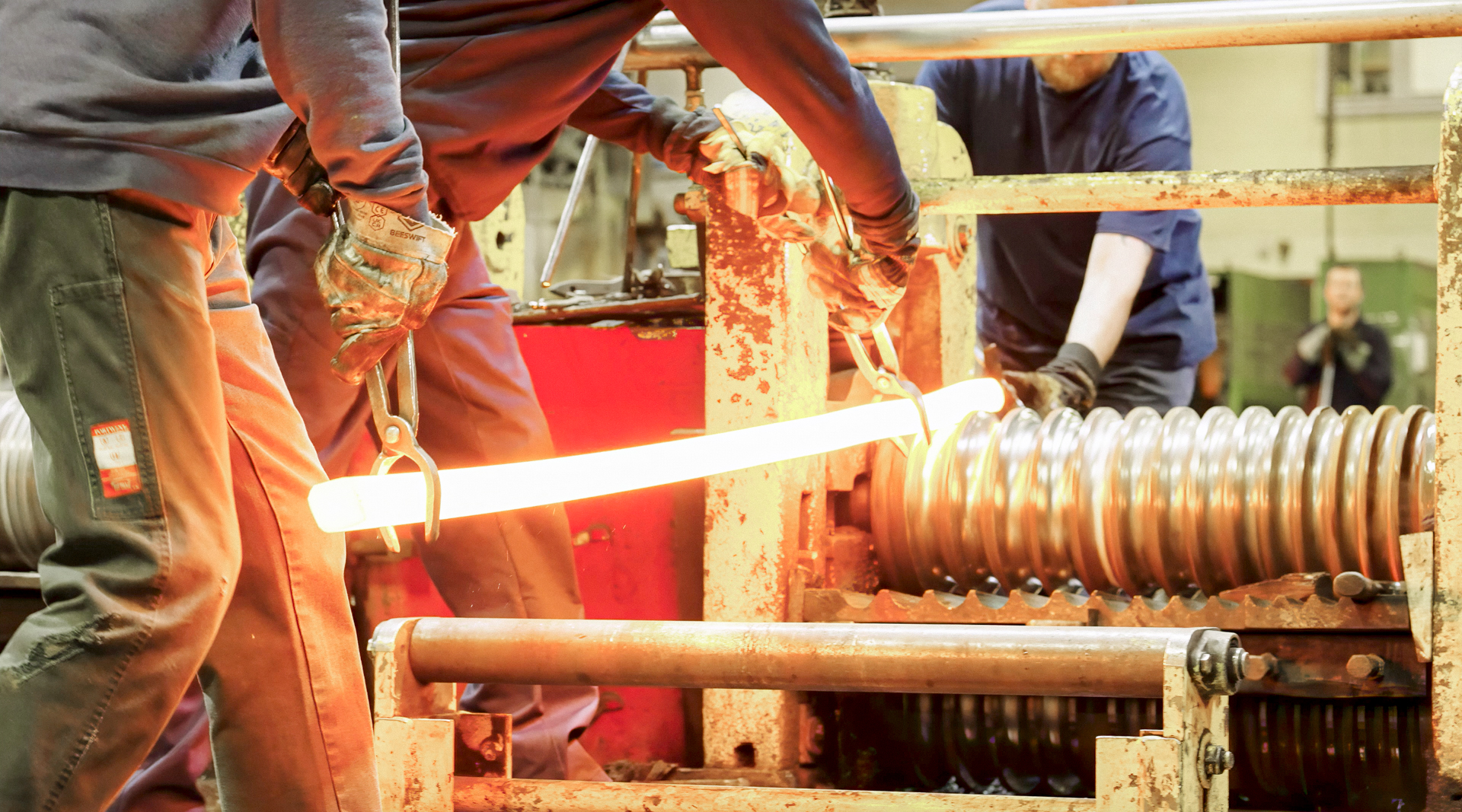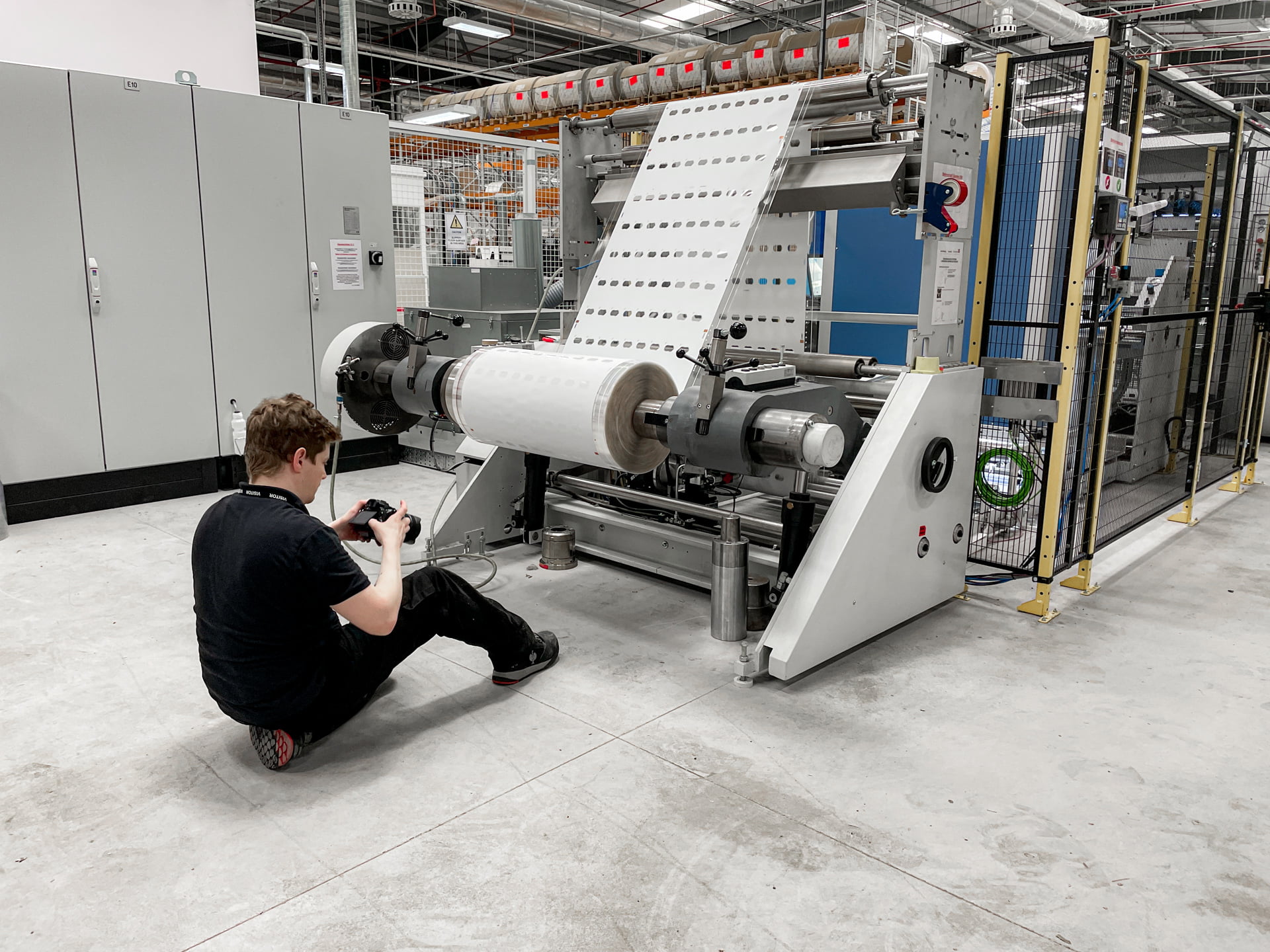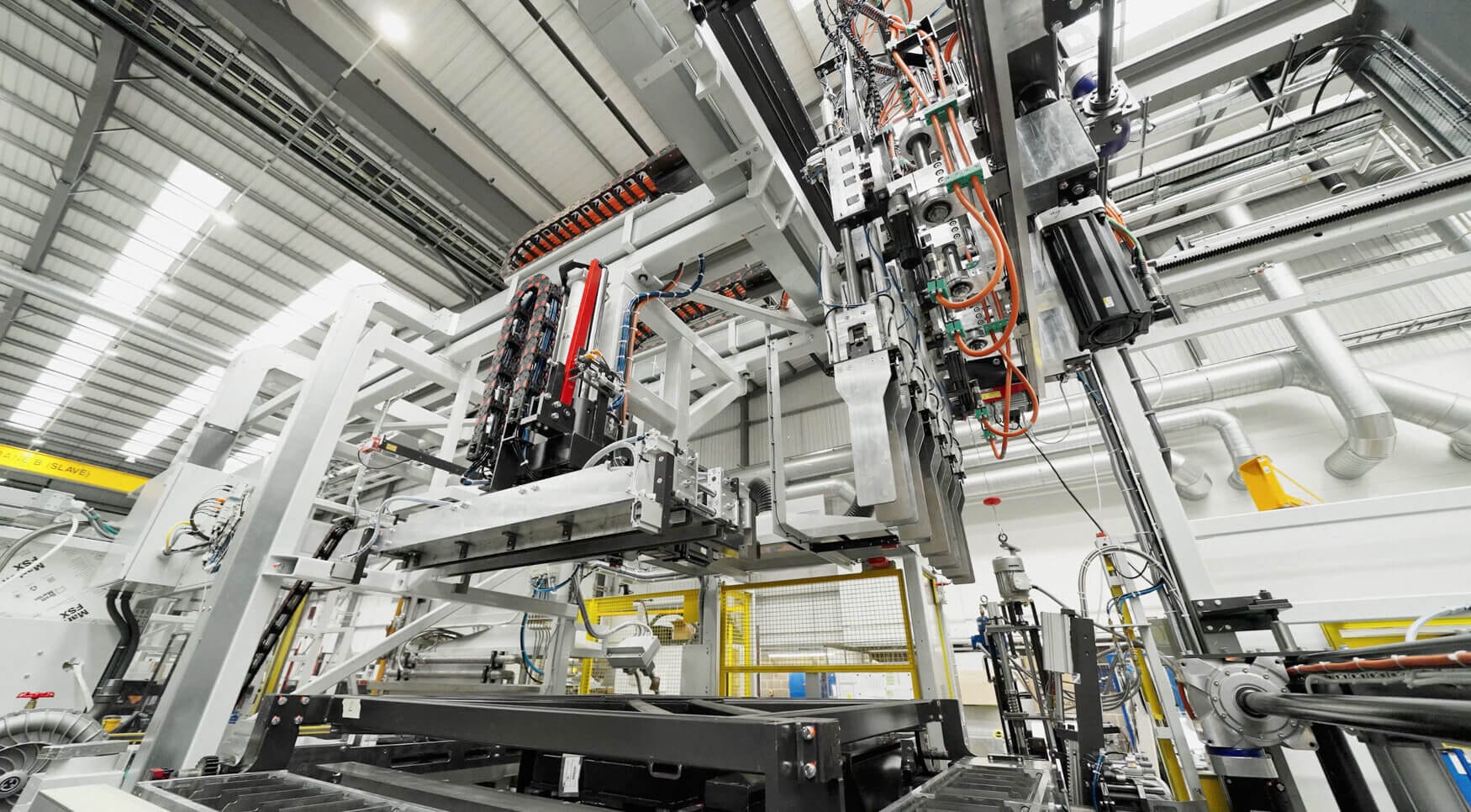
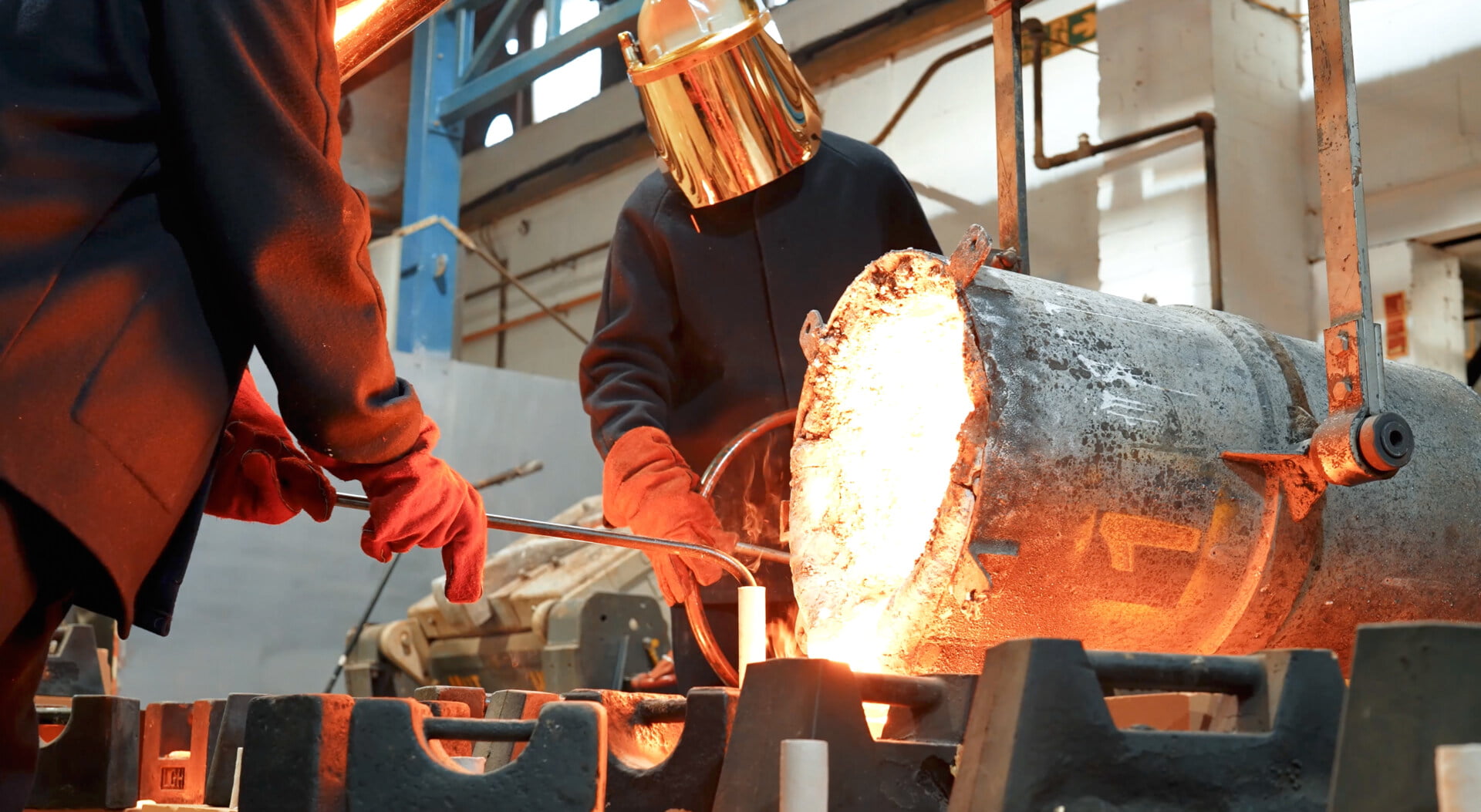
Manufacturing teams solve problems every day, but the quality of the solution often depends on how clearly the issue can be seen and shared. A production delay, recurring defect or awkward handover may be obvious to the person standing beside the line, yet difficult for colleagues in engineering, quality, maintenance or senior leadership to understand from a short email. Manufacturing video gives teams a practical way to turn visual evidence into a shared starting point for faster, more confident problem solving.
The value is not simply in recording machinery at work. A useful film captures the sequence, context and human decisions around a process. It can show where variation begins, how an operator responds, what a change looks like in practice and which details are easy to miss in a written report. When the same footage can be reviewed by several functions, conversations become more specific and actions become easier to agree.
Make the Real Problem Easier to See
Many improvement discussions begin with a simplified description: the line is slow, the changeover is inconsistent or the inspection step is being skipped. Those statements may be accurate, but they rarely explain the full situation. A carefully planned manufacturing video can follow the process from the first trigger to the final result, revealing timing, movement, access, information flow and environmental factors that are otherwise reduced to assumptions.
This is particularly useful when a problem is intermittent. A single site visit may not coincide with the issue, while a well-organised filming brief can capture multiple cycles and provide material for later comparison. Teams can pause on a hand movement, review the order of tasks or compare two operators without relying on memory. That shared visual reference helps separate the actual constraint from the explanations that have grown around it.
Video also gives frontline expertise a stronger place in technical conversations. Operators often know exactly where a process becomes awkward, but their insight can be overlooked when it is translated into a formal summary. Showing the work as it is really performed makes that knowledge visible without turning it into a blame exercise.
Connect Different Functions Around One View
Manufacturing problems rarely belong to one department. A quality issue may involve tooling, a training gap, material handling and a shift handover at the same time. Written updates tend to be read through each team’s own priorities. A shared film gives everyone the same evidence, making it easier to distinguish what is known, what needs testing and where ownership sits.
That common view is especially valuable during cross-functional improvement work. A short sequence can show the relationship between a process change and its effect on output, while a longer edit can preserve the operational context that makes the change understandable. Teams can then use the footage in workshops, review meetings and follow-up briefings rather than recreating the explanation each time.
It can also support consistent output across shift teams. When people see the same standard demonstrated in the real workplace, the discussion moves beyond abstract instructions. Supervisors can focus on the critical points, while operators can ask questions about a process they recognise.
Turn Evidence Into Actionable Improvement
Good footage is only useful when it leads to a decision. Before filming, teams should define the question they are trying to answer: where is time being lost, which step creates risk, or what does the improved method need to preserve? That focus helps the production stay purposeful and makes the finished edit easier to use.
The final video might combine a clear overview with close details, simple annotations, interviews or before-and-after comparisons. It should make the next action obvious without pretending that every issue has a visual answer. A sequence showing repeated variation can justify a deeper investigation; a clear demonstration of a revised method can support a controlled rollout.
Manufacturing video is also a useful companion to root cause improvement work. It preserves the conditions in which an observation was made and helps teams return to the evidence when a proposed fix does not deliver the expected result. Over time, that record can reveal patterns between separate improvement projects.
Build a Reusable Visual Record
The strongest projects create assets that can keep working after the original problem-solving meeting. A well-labelled library of process clips can support onboarding, engineering reviews, customer explanations and future audits. It can show how a line looked before investment, how a standard was introduced and what practical change followed.
That long-term value depends on planning. Agree who owns the footage, how versions will be named, which claims need checking and where sensitive information should be removed. Captions, clear descriptions and short supporting edits make it easier for busy teams to find the relevant moment without watching an entire session.
It can also strengthen maintenance and reliability communication, where the difference between a stable condition and an emerging issue may be visible in small details. A shared visual record helps people explain not only what changed, but why the change matters to safe, dependable production.
When manufacturing video is treated as part of the improvement process rather than a decorative extra, it helps teams move from opinion to observation. The result is clearer communication, faster alignment and a stronger connection between the problem seen on the factory floor and the action taken across the business.