Reliability improvements often begin with observations that are difficult to communicate outside the people who made them. A maintenance engineer may understand exactly why a small change in inspection timing matters, while a production manager sees only a revised checklist and a promise of fewer interruptions. Manufacturing video can close that gap by showing how reliability is built into the work, not simply reporting the result after the fact.
For industrial businesses, this matters because reliability is shared across maintenance, operations, engineering, quality and leadership. Each team needs a slightly different answer to the same question: what has changed, why does it matter, and how should people respond? A carefully planned manufacturing video gives those teams a common visual reference. It turns an improvement from a technical note into something people can see, discuss and apply.
Make the improvement visible at the point of work
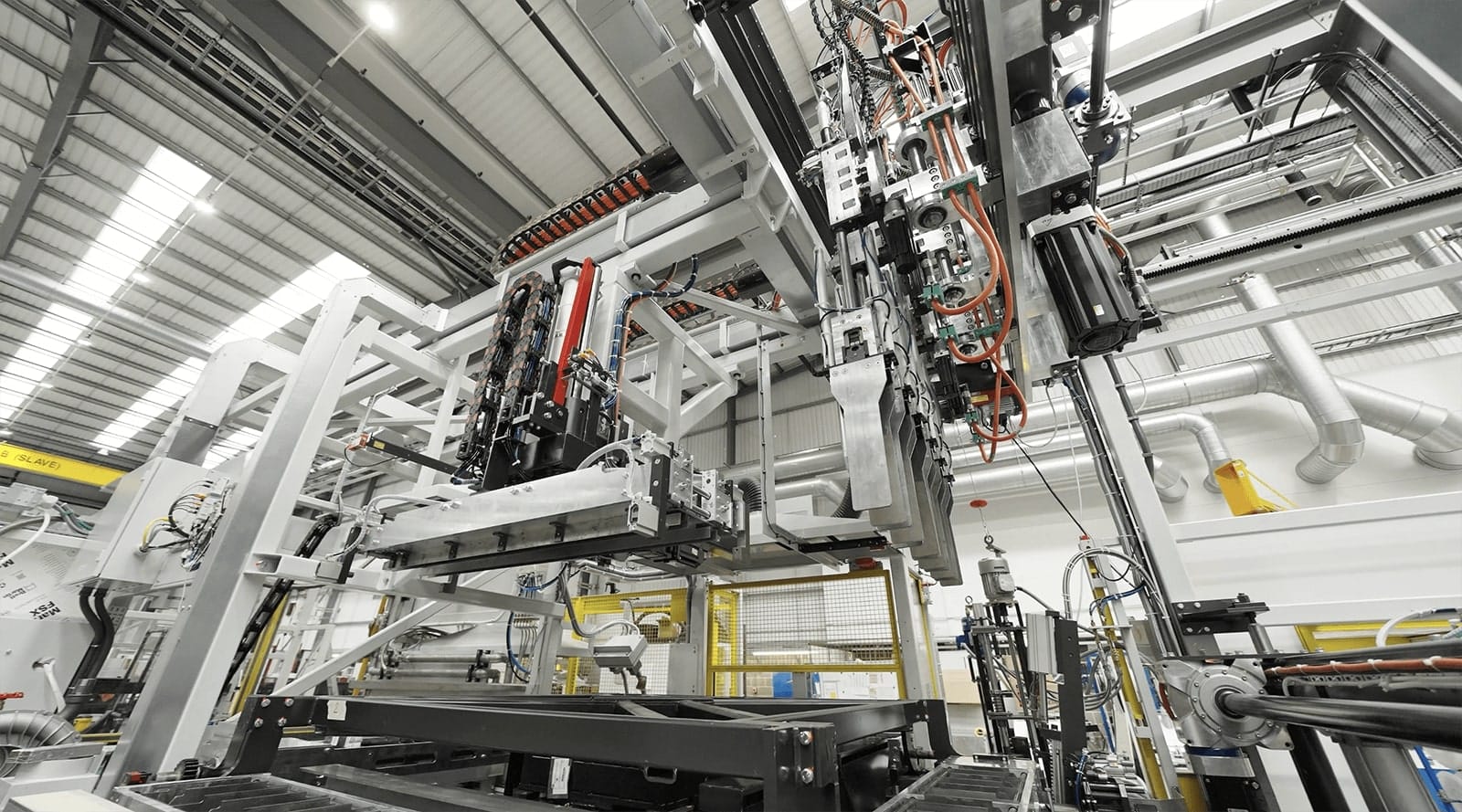
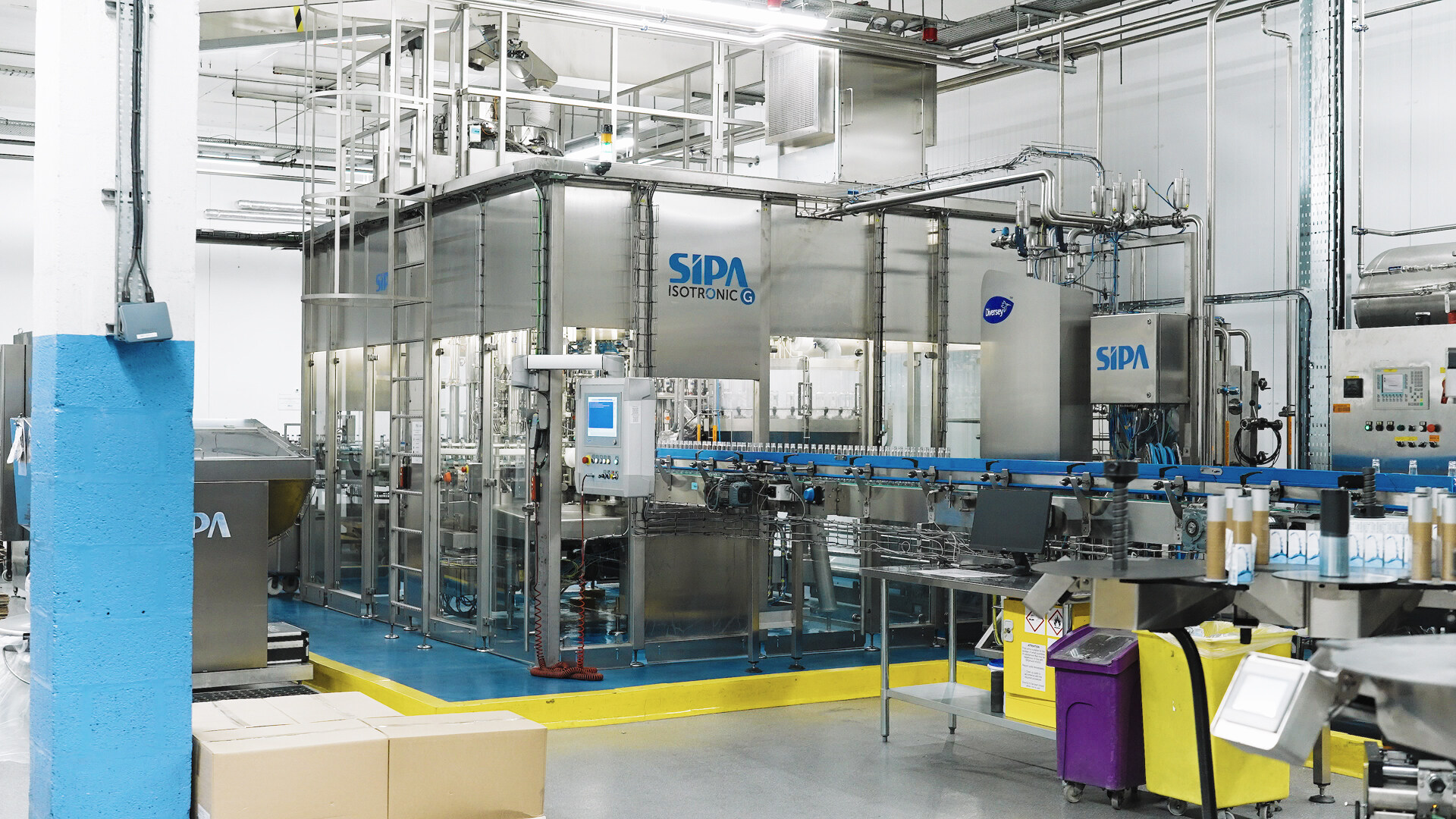
The strongest reliability stories are grounded in real working conditions. Rather than relying on generic shots of machinery, the camera can follow the sequence that protects equipment performance: the inspection point, the measurement, the decision, the intervention and the return to service. Viewers see the physical cues that experienced staff use every day, including access points, indicators, tooling, guarding and the surrounding workflow.
This level of detail makes a maintenance improvement easier to understand for people who were not present when it was introduced. A new lubrication routine, condition-monitoring check or changeover inspection can be demonstrated in context, with the reasons for each action explained alongside the images. The result is more useful than a written summary because it preserves the relationship between the instruction and the environment in which it must be performed.
It also helps teams recognise the difference between a standard and a slogan. Reliability depends on small behaviours being repeated consistently. Showing the correct method, the common failure mode and the visual sign that confirms a task is complete gives operators and technicians something concrete to remember.
Connect maintenance evidence with operational decisions
Reliability is rarely improved by maintenance acting alone. Production schedules, planned downtime, spare-parts availability and engineering changes all influence whether a good idea survives contact with a busy factory. A video can bring those connections into one narrative. It might show how a planned inspection is coordinated with production, how a recurring issue is escalated, or how a design change removes a source of avoidable wear.
That shared narrative is especially valuable when a site has several shifts or multiple facilities. People can interpret a spreadsheet differently, but a well-structured visual explanation gives everyone the same starting point. It allows a maintenance leader to explain the operational benefit, an engineer to show the technical mechanism and a supervisor to clarify the expected daily behaviour without each department producing a separate version of the story.
For examples of how visual communication can support recovery and resilience, see maintenance video for faster recovery after shutdown reviews. The principle is broader than shutdown work: when the sequence behind an outcome is visible, teams can make better decisions before the next interruption occurs.
Turn lessons learned into repeatable reliability practice
Every breakdown, near miss and difficult restart contains learning, but learning is easily lost when it remains in a meeting, a report or the memory of one experienced person. Video provides a practical way to capture the conditions around the lesson. It can show what was found, what was tested, what changed and what evidence supports the new approach.
The production process should involve the people who own the work. Maintenance technicians can identify the important close-ups. Operators can explain where a standard is likely to be missed. Engineers can define the technical context without overwhelming the viewer with unnecessary detail. When those perspectives are planned together, the finished piece feels credible because it reflects how the factory actually operates.
Short extracts can then be reused in toolbox talks, onboarding, refresher training and improvement reviews. A longer case-study film may support leadership communication, while focused clips can answer a single practical question on the shop floor. This makes the original filming investment more useful over time and helps a site build a durable library of operational knowledge.
The same approach can support scaling lessons from continuous improvement. The important step is not simply recording an event; it is translating the lesson into a clear standard that another person can recognise and repeat.
Measure the communication job, not just the view count
A reliability video should have a defined job before filming begins. It may need to prepare teams for a planned maintenance change, explain the value of investment in monitoring equipment, support a customer audit or help new starters understand why a control exists. Each objective calls for a different balance of interviews, process footage, graphics and demonstrations.
Success can therefore be measured through useful operational signals. Are fewer questions being raised during handover? Can supervisors explain the change consistently? Are technicians applying the inspection method at the right point in the process? Has the video helped a project team secure agreement on the next improvement? These questions are more meaningful than raw reach because they connect communication with the decisions reliability depends on.
It is also worth planning accessibility from the start. Clear captions, readable graphics and a logical structure allow the video to work in noisy production environments, remote meetings and training sessions. A concise opening should establish the problem, the middle should show the improvement in action, and the close should make the expected next step unmistakable.
Build trust through honest factory storytelling
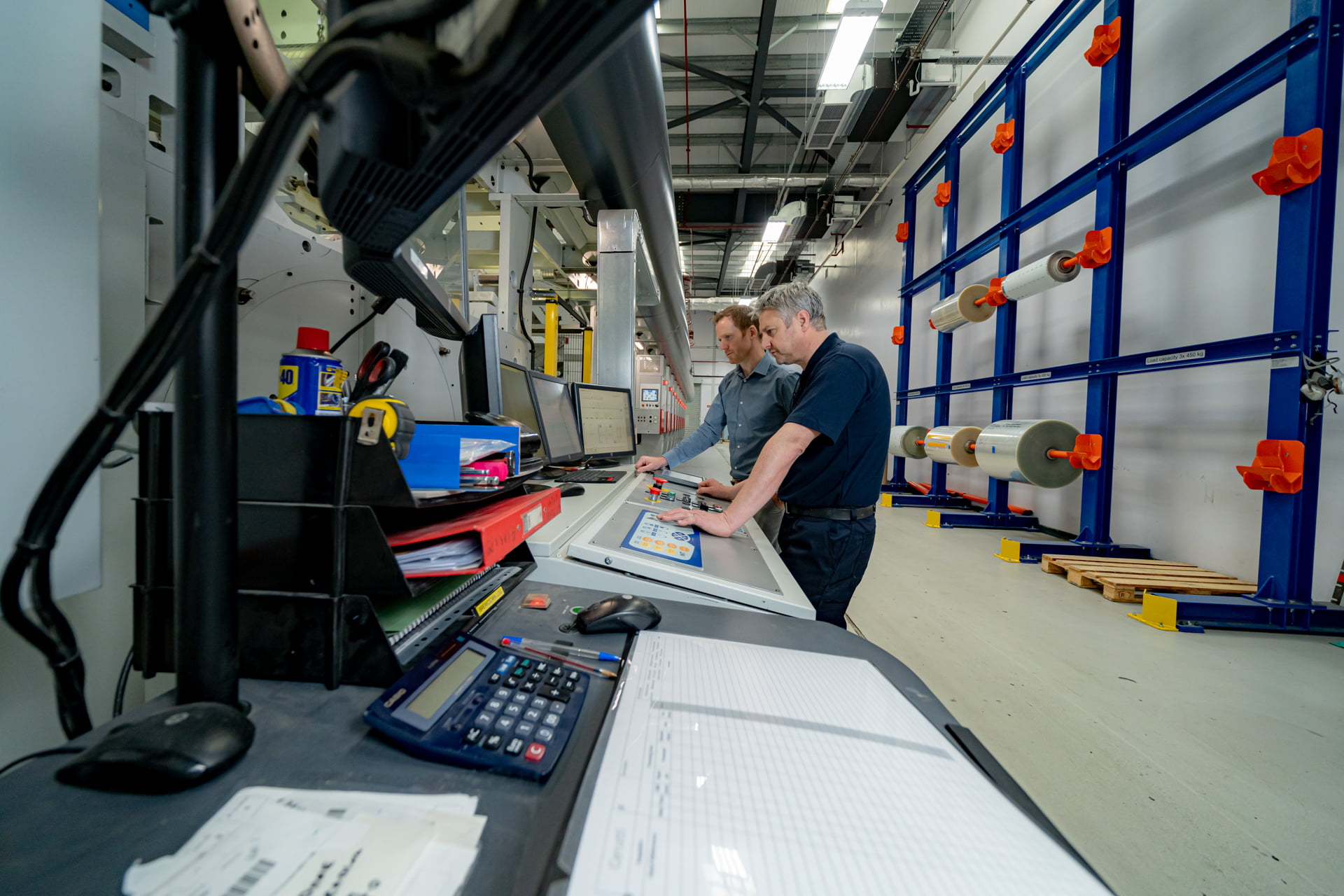
Reliability communication becomes persuasive when it is specific and honest. A film does not need to pretend that improvement is effortless. Showing the baseline challenge, the constraints considered and the evidence behind the change gives viewers confidence that the message is grounded in reality. The most compelling images are often ordinary ones: a technician checking a component, a supervisor reviewing a trend, or a team agreeing how a standard will be maintained.
That authenticity is useful commercially as well as internally. Customers, suppliers and prospective employees want to understand how a manufacturer thinks about quality and performance. A carefully made film can reveal the discipline behind the finished product without exposing sensitive information or turning the factory into a staged backdrop. For a broader look at using video to communicate capability to external audiences, explore showing quality before production begins.
When reliability improvements are made visible, connected to decisions and captured as repeatable practice, they are more likely to last. Manufacturing video gives industrial teams a practical way to preserve expertise, align departments and demonstrate progress. The value is not the camera itself; it is the shared understanding created around the work that keeps equipment, people and production moving.