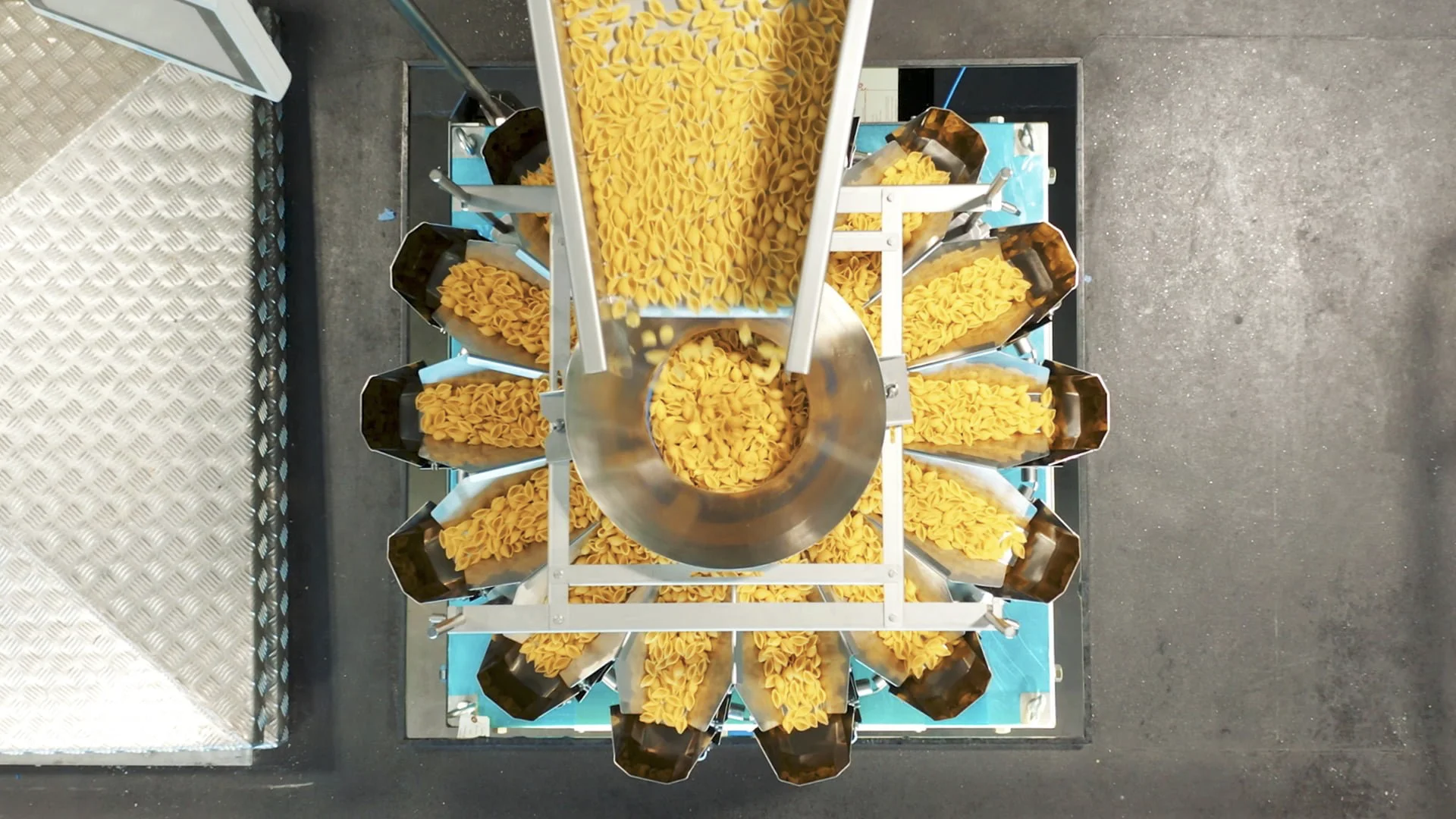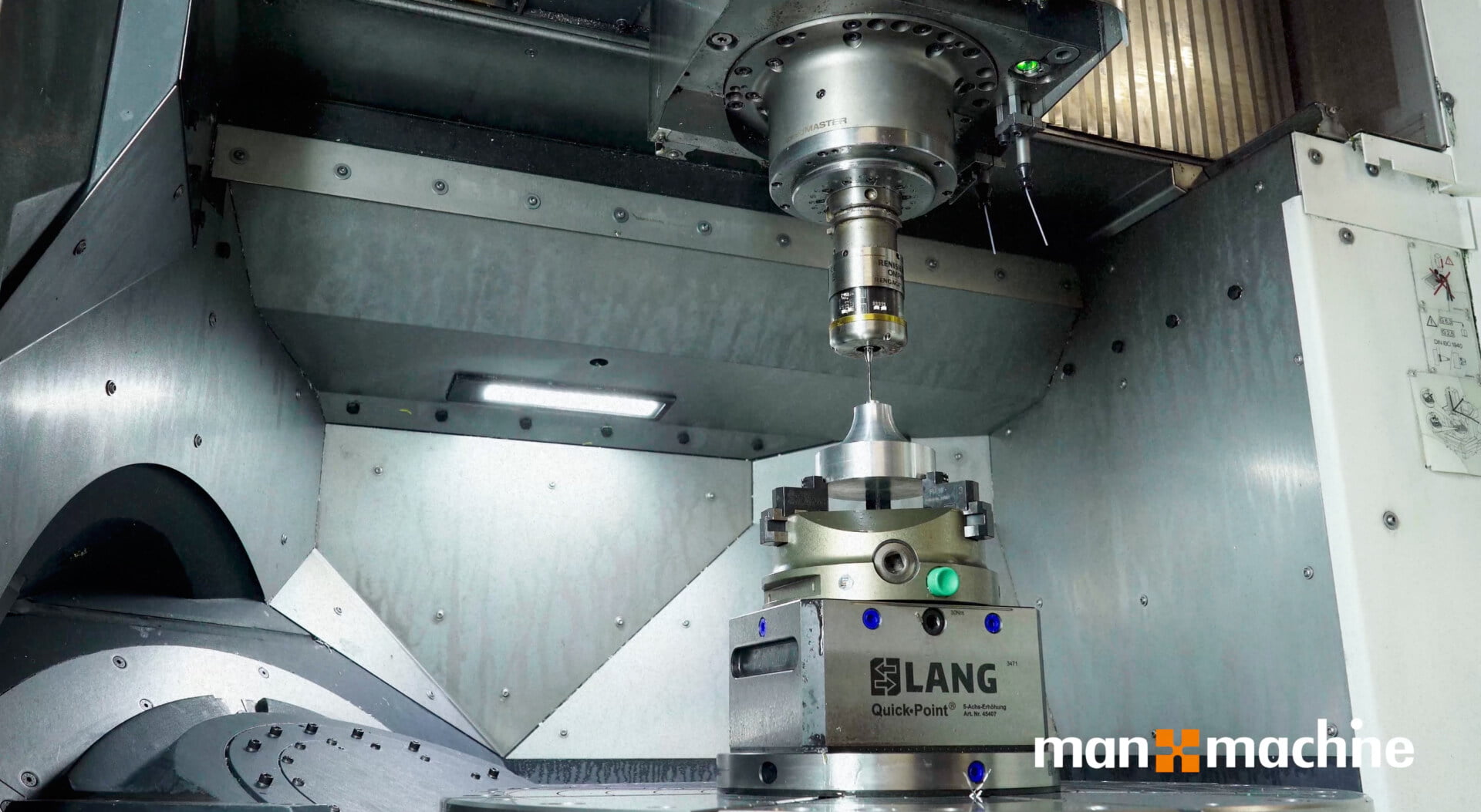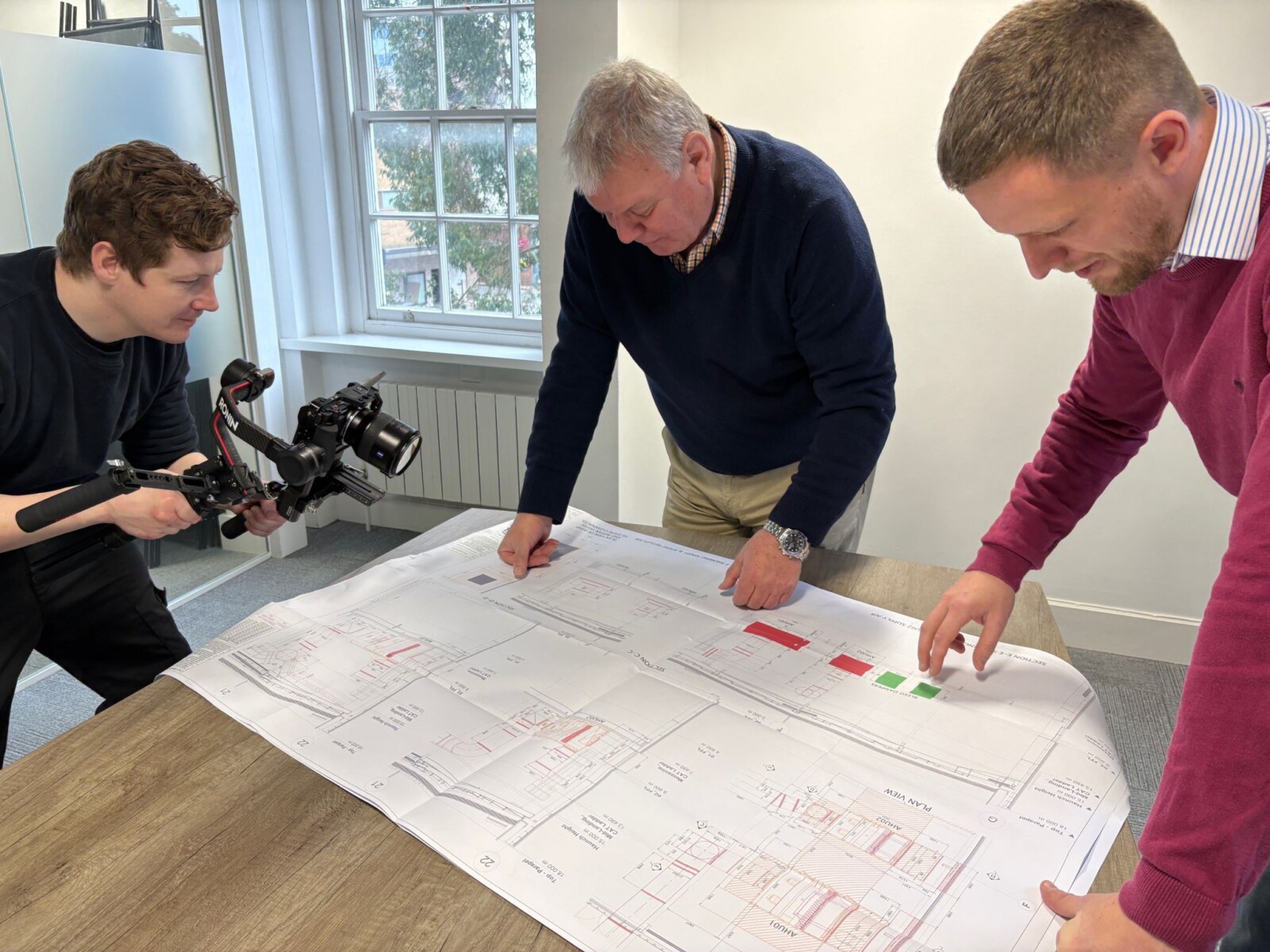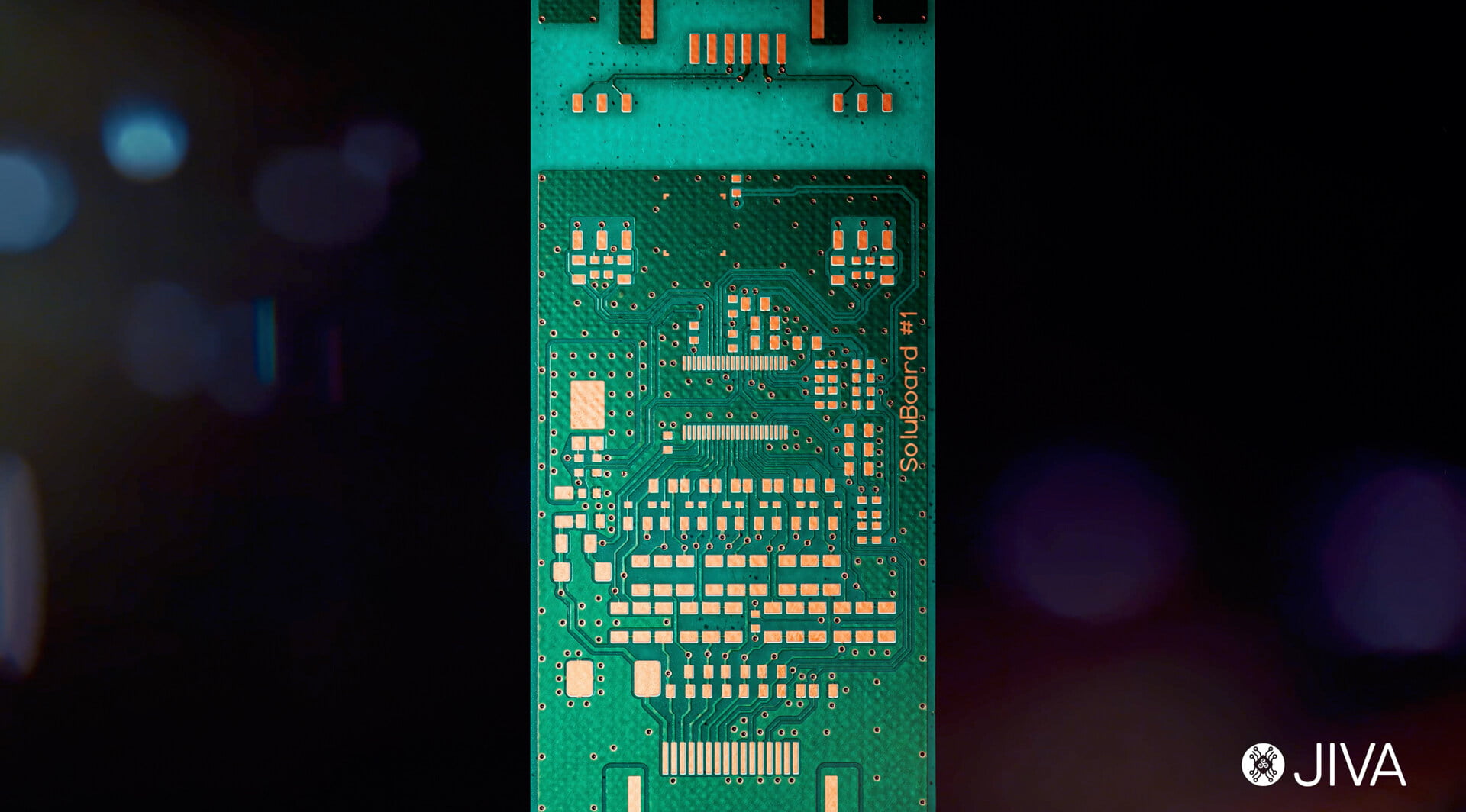
In manufacturing, customer service is often asked to explain decisions that were made on a factory floor: why a delivery moved, how a product is checked, what a process can accommodate, or what a technical limitation means for the customer. Those answers are easier to trust when they are supported by clear visual evidence. Manufacturing video gives customer service teams a practical way to make operational detail understandable without turning every enquiry into an escalation to engineering or production.
Why customer questions need more than a written reply
Written responses are useful for dates, specifications and next actions, but they can struggle to show sequence, scale and context. A customer may understand that a component passes through several checks, yet still be unsure what those checks look like or where a delay can occur. A short, well-planned film can show the relevant stage in a way that removes ambiguity. It gives the service team a shared reference point and helps the customer see that the answer comes from a real, repeatable process.
This is especially valuable when the product is technically complex or made to order. Instead of copying a dense explanation into an email, a representative can direct the customer to a focused visual explanation and then add the details that apply to their order. The result is not a replacement for knowledgeable service; it is a tool that lets knowledgeable people communicate more consistently. It also gives new team members a reliable way to learn the language and sequence of the operation.
Turn recurring enquiries into useful visual answers
The strongest customer-service videos begin with patterns in the support inbox. Look for questions that appear repeatedly: how an inspection is completed, what happens after an order is approved, why packaging protects a particular finish, or how a change request affects lead time. These are good subjects because the audience already exists and the business already knows where confusion occurs.
A useful film should answer one main question and show only the process needed to answer it. A sequence of close details can explain a quality check more effectively than a broad tour, while a wider shot can establish where a hand-off takes place. Capturing the voices of operators or supervisors can add credibility, but the structure should remain simple: identify the question, show the relevant evidence, and finish with the action the customer should take. This discipline is one reason documenting hidden manufacturing expertise can create value far beyond a single marketing campaign.
Give service teams confidence without overpromising
Customer service needs accurate material, not generic reassurance. Before filming, agree which claims the video can safely make and which variables must still be checked against the customer’s order. Show the normal process honestly, explain where variation is possible, and avoid wording that suggests every job follows an identical route when it does not. This protects trust and makes the video easier to maintain as a reference.
It also helps to create companion notes for the team using the video. The notes can include the intended audience, the questions the film answers, the date of review and the internal owner responsible for updates. When a service representative knows the boundaries of the content, they can use it confidently while still escalating the genuinely unusual cases. Clear visual material supports the same kind of practical communication used when explaining technical value to sales conversations: show the evidence, connect it to the customer’s concern, and keep the message relevant.
Use video to shorten hand-offs and prevent repetition
A customer enquiry can pass through sales, service, engineering, quality and production before it is resolved. Each hand-off creates an opportunity for the original question to be simplified incorrectly or repeated from the beginning. A concise process video gives each person a common starting point. Service can point to the operational context, engineering can add the technical qualification, and production can confirm the order-specific detail without rebuilding the explanation every time.
Video can also make internal hand-offs more precise. If a customer reports a finish issue, for example, a service colleague can use a visual reference to clarify which stage is in question before raising a ticket. That reduces vague descriptions and helps the receiving team act faster. The same principle applies to standards and inspection language, where making quality standards visible can improve both external explanations and internal consistency.
Plan a repeatable customer-service video library
A library does not need dozens of films on day one. Start with a small set of high-frequency questions, label each video clearly, and store it where the service team can find it quickly. Review performance through practical signals: fewer repeated enquiries, faster internal responses, fewer avoidable escalations and better customer understanding after the first reply. Feedback from representatives should guide the next subjects, because they see the gaps between what the factory knows and what customers can easily understand.
Over time, the library can become part of onboarding, account management and post-sale support. Updating a short process film when the operation changes is often easier than rewriting scattered explanations across many documents. With a clear purpose, accurate filming and a simple review process, manufacturing video becomes a dependable customer-service asset: it helps people answer with evidence, keeps expectations realistic and makes the customer experience feel more joined-up from first question to final delivery.