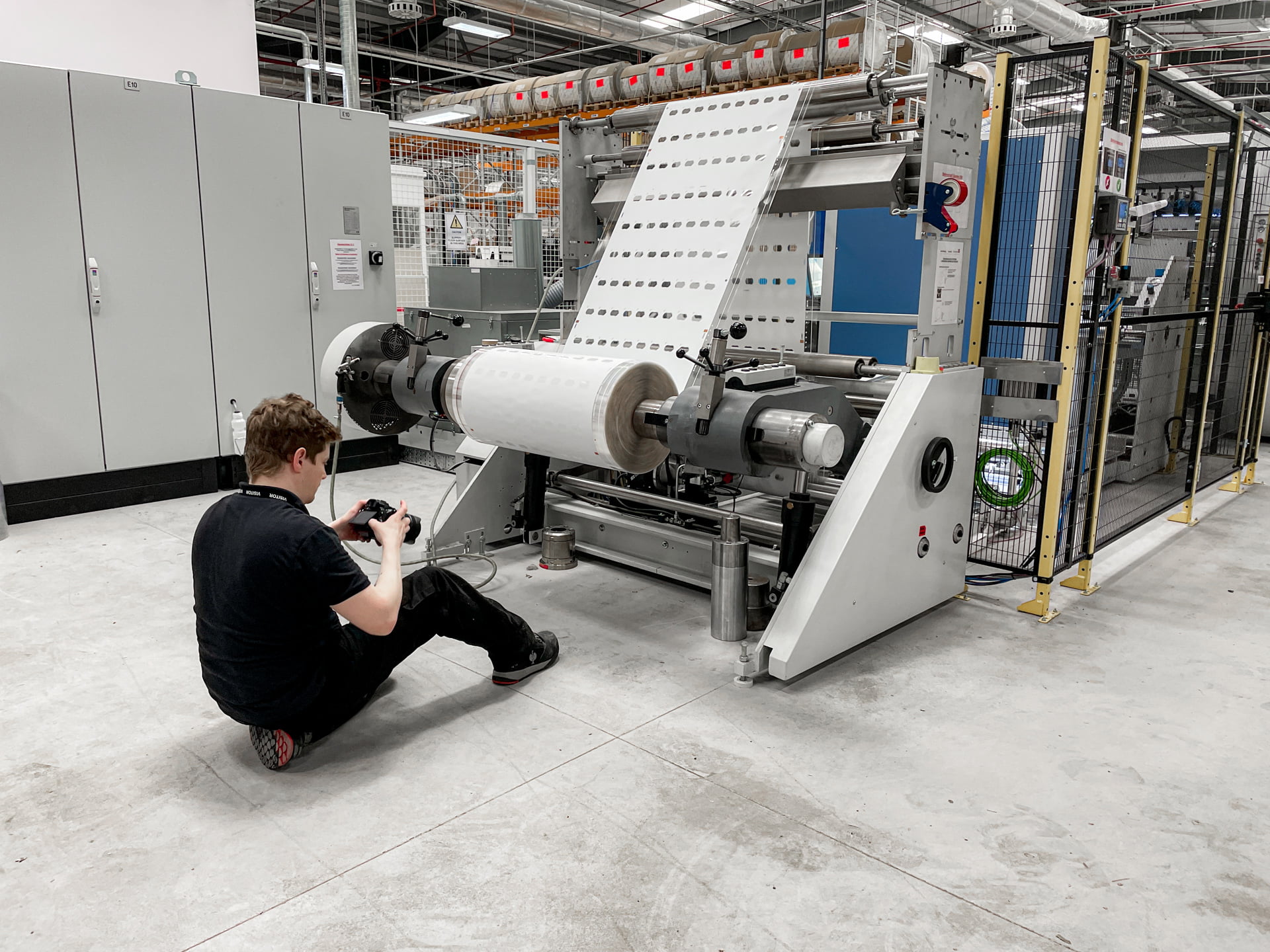
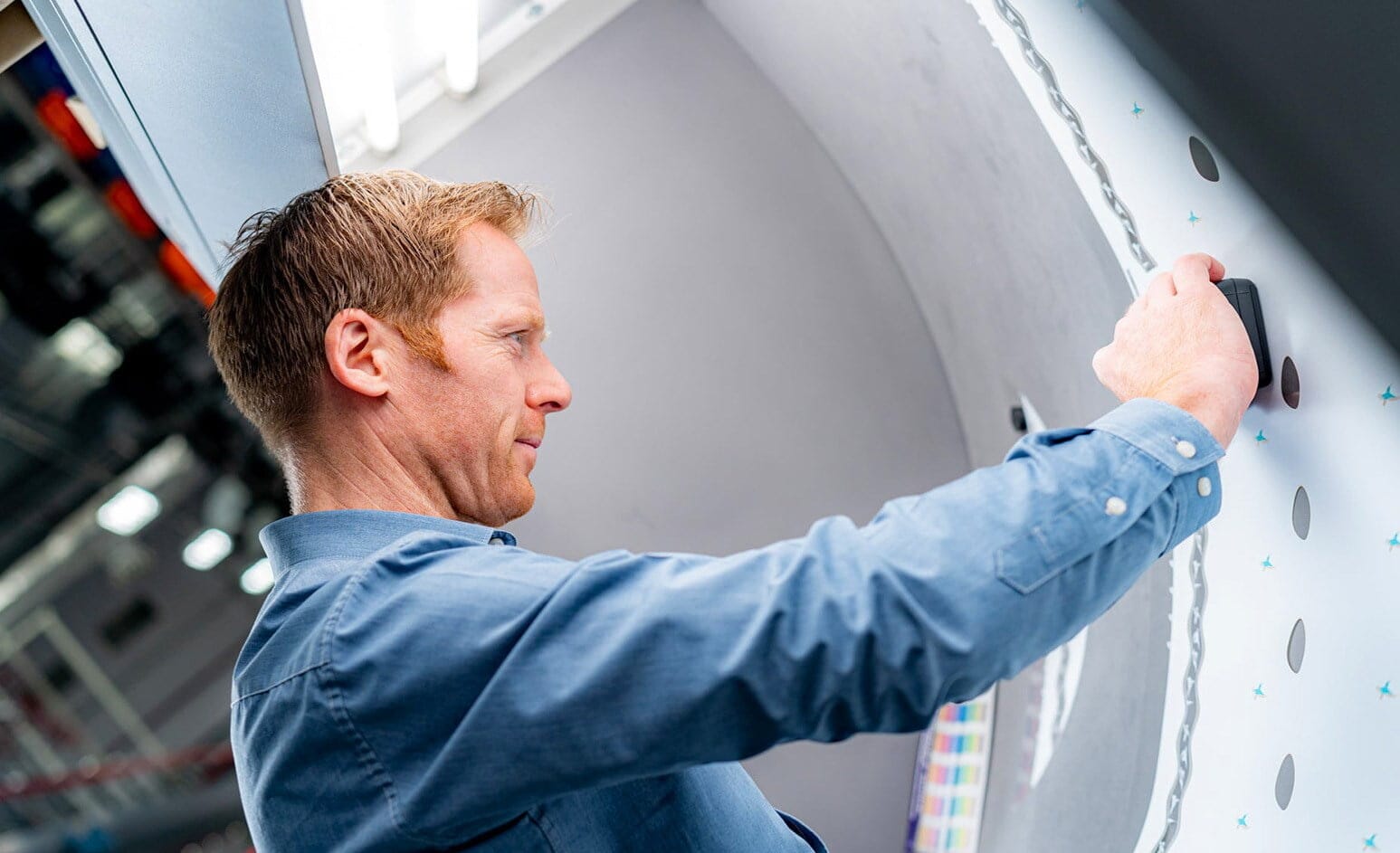
Manufacturing teams are often surrounded by useful knowledge that never becomes easy to reuse. A supervisor explains a change during a shift meeting, an engineer demonstrates a better setup at the machine, and a quality lead points out a small visual detail that prevents a recurring defect. The people who hear it can act, but the lesson is difficult to transfer to the next shift, another site or a new starter. A carefully planned manufacturing video can turn that moment of expertise into a practical operational resource.
Why operational knowledge is hard to transfer
Written procedures remain essential, especially where safety, compliance and traceability are involved, but text does not always show what good looks like. A document can describe the order of a task without capturing the pace, sound, positioning or visual checks that experienced operators use instinctively. This is particularly challenging when a process includes small variations that are difficult to describe but immediately obvious when demonstrated on camera.
Video also helps separate the repeatable standard from the local habit. A production team can review the footage with operators, engineering and quality together, checking whether the demonstrated method matches the intended process. That shared review makes it easier to identify an unclear instruction, a hidden dependency or an opportunity for improvement before the material is rolled out more widely. It supports the same kind of practical learning described in turning best practice into repeatable performance, while keeping the focus on a real working environment.
What an effective process video should capture
The strongest operational films are designed around decisions, not just activity. Before filming, the team should agree what a viewer needs to notice, what could go wrong, and what evidence would show that the task has been completed correctly. That might include the position of a component, the order of checks, a changeover point, the correct use of a tool or the visual difference between an acceptable and unacceptable result.
A useful structure usually combines a clear overview with close, purposeful detail. The overview gives context: where the task sits in the line and why it matters. Close shots then reveal the actions that are easy to miss from a distance. Short interviews with operators or engineers can explain the reasoning behind the standard, but they should support the demonstration rather than overwhelm it. Captions, simple chaptering and a concise conclusion make the finished video practical to revisit during training or a pre-shift briefing.
Using video across shifts, sites and teams
Once a process film is built around a specific operational question, it can serve several audiences. Operators can use it as a refresher, team leaders can use it when coaching, and engineers can use it when discussing a change with colleagues who were not present during the original trial. It can also support supplier or contractor onboarding by showing the standard expected before someone enters a controlled production area.
For businesses with more than one site, a shared video library creates a common reference point without pretending that every factory is identical. Local teams can identify what must remain consistent and what needs a site-specific variation. This is a useful complement to standardising decisions across multiple sites: the film makes the agreed principle visible, while local documentation can cover equipment, layouts or regulatory differences.
Making the content useful after the shoot
Production planning should include the life of the asset after filming. Agree who owns the review, where the approved version will be stored, how changes will be logged and when the video should be checked again. A process film that is easy to find and clearly labelled is far more valuable than a polished file buried in a general marketing folder. The title should describe the task and the revision or approval date should be visible to the people responsible for using it.
It is also worth measuring whether the video is solving the original problem. Teams can track questions raised during onboarding, repeat errors, time to competence or the consistency of a changeover after the resource is introduced. Those signals help distinguish a film that merely documents activity from one that improves understanding. When the content is tied to a real operational outcome, it becomes part of continuous improvement rather than a one-off communications project, much like the approach used to scale small improvements across a manufacturing team.
A practical next step for manufacturing leaders
Start with one process where the cost of misunderstanding is visible: a recurring quality issue, a complex setup, a safety-critical check or a handover that depends on a small number of experienced people. Define the viewer, the decisions they need to make and the proof they should be able to see. Then build a short, focused film around those requirements, review it with the people who perform the work and place it where the team already looks for trusted information.
Manufacturing video works best when it respects the intelligence of the workforce and makes expertise easier to share. By showing the detail behind a reliable process, it can help teams learn faster, align more confidently and preserve knowledge as products, equipment and people change.