Manufacturing improvements rarely belong to one department. A change to a machine setting may begin with engineering, depend on operator experience, require quality approval and eventually affect procurement, training and customer communication. The technical answer can be sound while the wider organisation still struggles to understand what changed, why it matters and how the new standard should look in daily work. Manufacturing video gives improvement teams a practical way to connect those perspectives.
A well-planned film does more than record an activity. It makes the relationship between a decision and its consequence visible. Viewers can see the original challenge, the intervention, the people involved and the evidence that the change is working. That shared visual reference helps teams move from a local success to a repeatable practice that others can understand, discuss and apply.
Why improvement knowledge becomes fragmented
Factory improvement projects generate a large amount of information: trial notes, shift observations, engineering drawings, quality checks, photographs and meeting actions. Each record has a purpose, but no single document always explains how the pieces fit together. An operator may understand the practical adjustment, while a project manager knows the delivery constraints and a quality lead knows which result must be protected. When these views stay separate, the business can adopt the change without fully sharing the reasoning behind it.
Time makes the problem more visible. The people who led a successful trial may move to another project, work a different shift or be asked to support another site. New colleagues then inherit a standard without seeing the decisions that shaped it. Written instructions remain essential, especially for safety and control, but video can supply the context that makes those instructions easier to interpret. It shows the environment, the sequence and the points where judgement matters.
Build the story around the improvement question
The strongest improvement films begin with a clear question rather than a list of shots. Was the team trying to reduce changeover time, improve first-time quality, protect a critical component or make a handover more reliable? The answer determines what the viewer needs to see. A focused story might establish the former condition, introduce the change, demonstrate the new method and finish with the evidence that confirms the benefit.
That structure also gives different contributors a defined role. Operators can explain what changed at the point of work. Engineers can describe the design intent in plain language. Quality specialists can identify the checks that validate the result. Leaders can connect the project to wider performance without turning the film into a generic corporate message. By giving each voice a specific job, the production stays useful and avoids becoming a sequence of disconnected interviews.
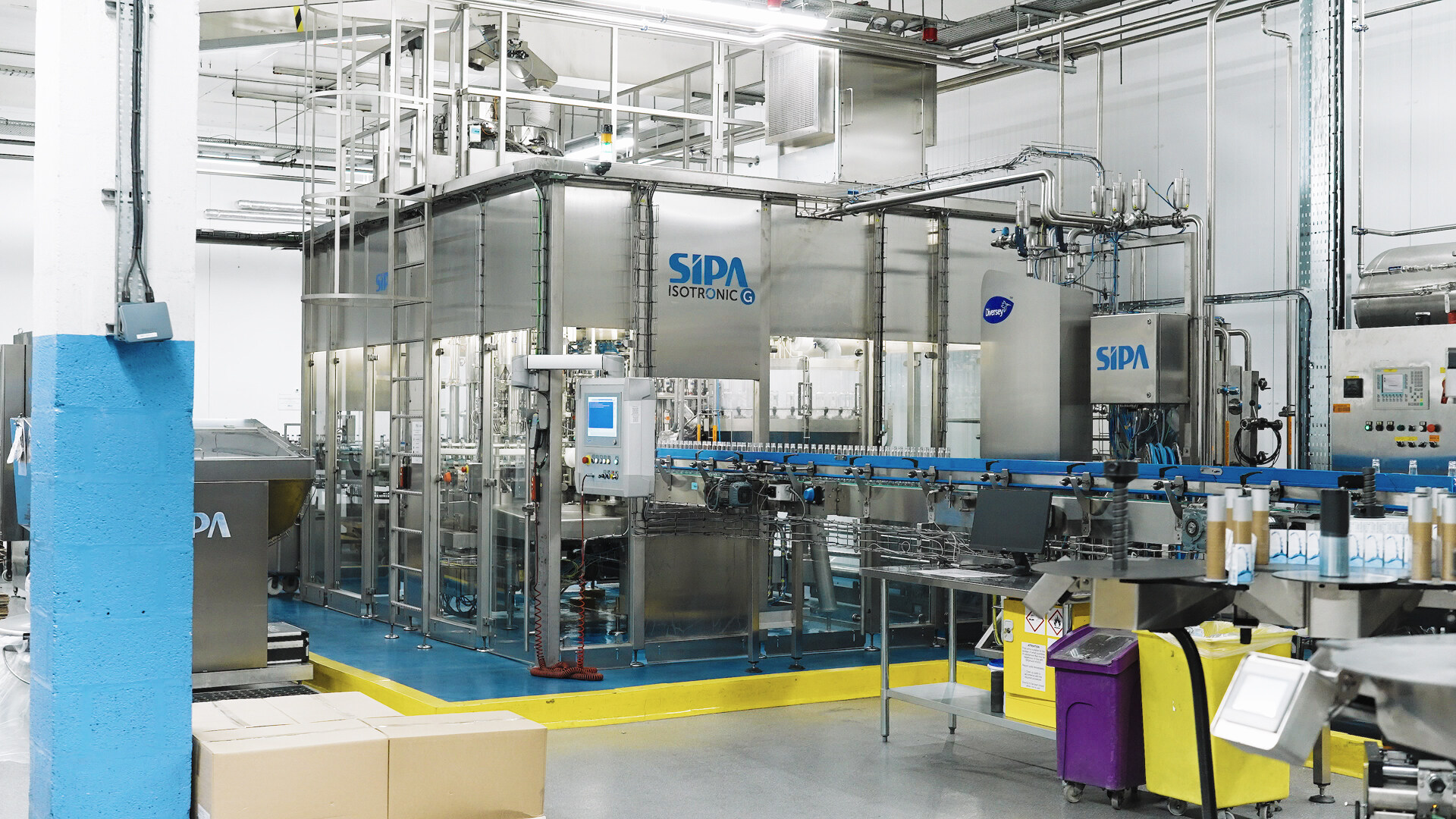
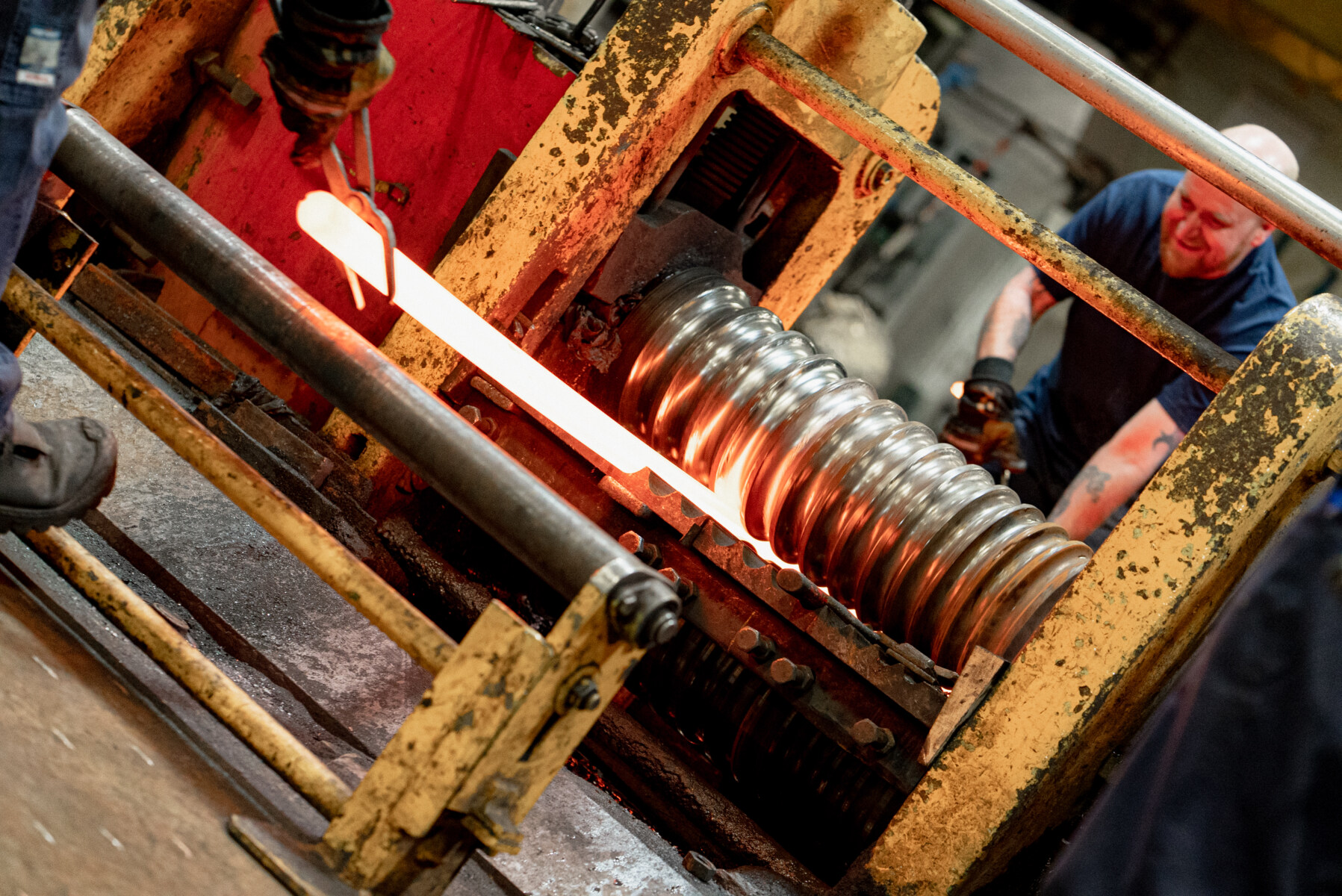
Visual detail matters. A wide shot can explain the flow of people and materials, while close-ups reveal tool position, measurement points, component condition or the visual cue that tells someone to stop and investigate. Graphics can clarify a before-and-after comparison or show how a small change affects the wider process. Filming should always respect site rules, confidentiality, PPE and safe access, but controlled demonstrations can still make technical learning tangible.
Turn a local success into a shared standard
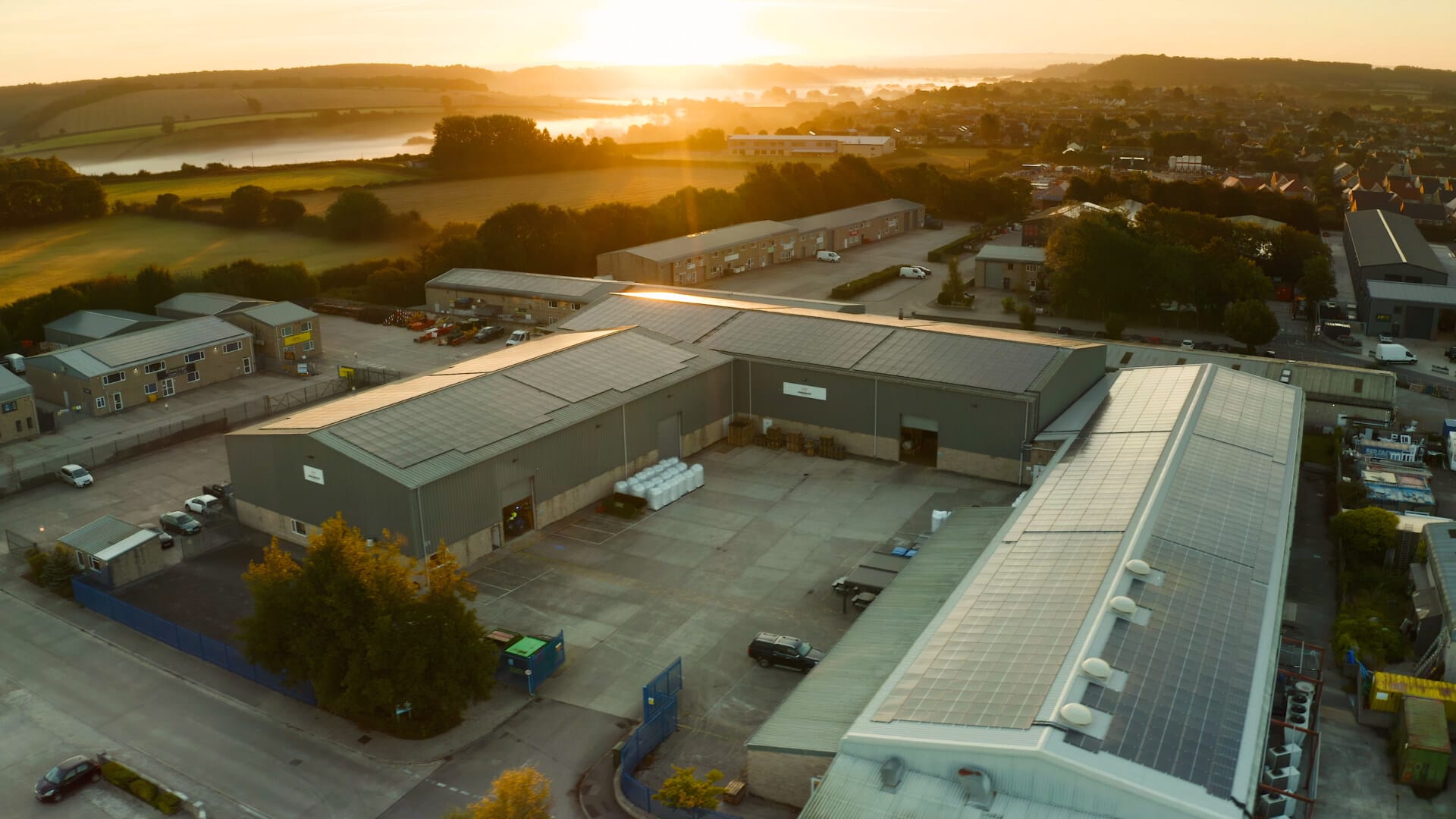
Once the film is approved, it can support more than the original project review. Team leaders may use it in a shift briefing, training managers can place it in an onboarding pathway, and engineering teams can refer to it when introducing a similar change elsewhere. For organisations with multiple facilities, a consistent visual explanation creates a useful starting point for local conversations. It supports standardising decisions across multiple sites while leaving room for approved differences in equipment, layout or regulation.
The film is particularly valuable when the improvement depends on behaviour rather than hardware. A new fixture may be easy to photograph, but the benefit can depend on the order of checks, the way a measurement is taken or the moment a colleague escalates a concern. Demonstration makes those expectations concrete. It helps a supervisor coach against the same reference and gives a team a shared language for discussing whether the standard is being followed.
Improvement content can also strengthen the link between operational learning and capability building. A short chapter about the original problem can help new starters understand the reason for the standard; a close-up demonstration can support supervised practice; and a final section can show the records or checks that confirm completion. This is a natural extension of turning best practice into repeatable performance, because the visual example stays connected to the conditions in which the work actually happens.
Keep the asset current and measurable
A manufacturing video should have an owner, a review date and a clear relationship with the controlled procedure it supports. Store the approved version where the intended audience already looks for trusted information, and label it so an outdated cut cannot be mistaken for the current standard. When a process changes, decide whether a short replacement or a new section is needed. Good governance protects the value of the original production.
Measurement does not need to be complicated. Teams can monitor questions raised during onboarding, repeat defects, time to competence, changeover consistency or the number of sites using the same approved method. These signals show whether the film is helping people understand and apply the improvement rather than simply documenting that a project took place. They can also reveal where the story needs clarification.
The same approach works for lessons learned after a difficult intervention. Capturing the sequence of decisions, the physical constraints and the revised method can help future teams recover faster and avoid repeating the same uncertainty. In that sense, improvement storytelling connects naturally with turning shutdown reviews into faster recovery.
Make the next improvement easier to share
Start with one change that has a visible result but is still difficult to explain outside the team that delivered it. Define the viewer, the decision they need to make and the evidence they should be able to recognise. Then plan the film around those needs, review the draft with the people who perform the work and publish it alongside the relevant procedure and training route.
When manufacturing video is built around a genuine improvement question, it becomes a bridge between departments. It preserves the practical detail of the factory floor, gives leaders a clearer view of progress and helps teams carry good ideas into everyday practice. The result is not simply a record of change, but a reusable way to make improvement understood.