Automation projects often succeed or fail at the point where a new system meets a real shift. The technology may be well specified, the commissioning plan may be complete and the business case may be strong, yet operators still need to understand what has changed, why it matters and how their decisions affect the wider process. For shift leaders, that responsibility can be difficult to carry through a mixture of meetings, documents and informal explanations.
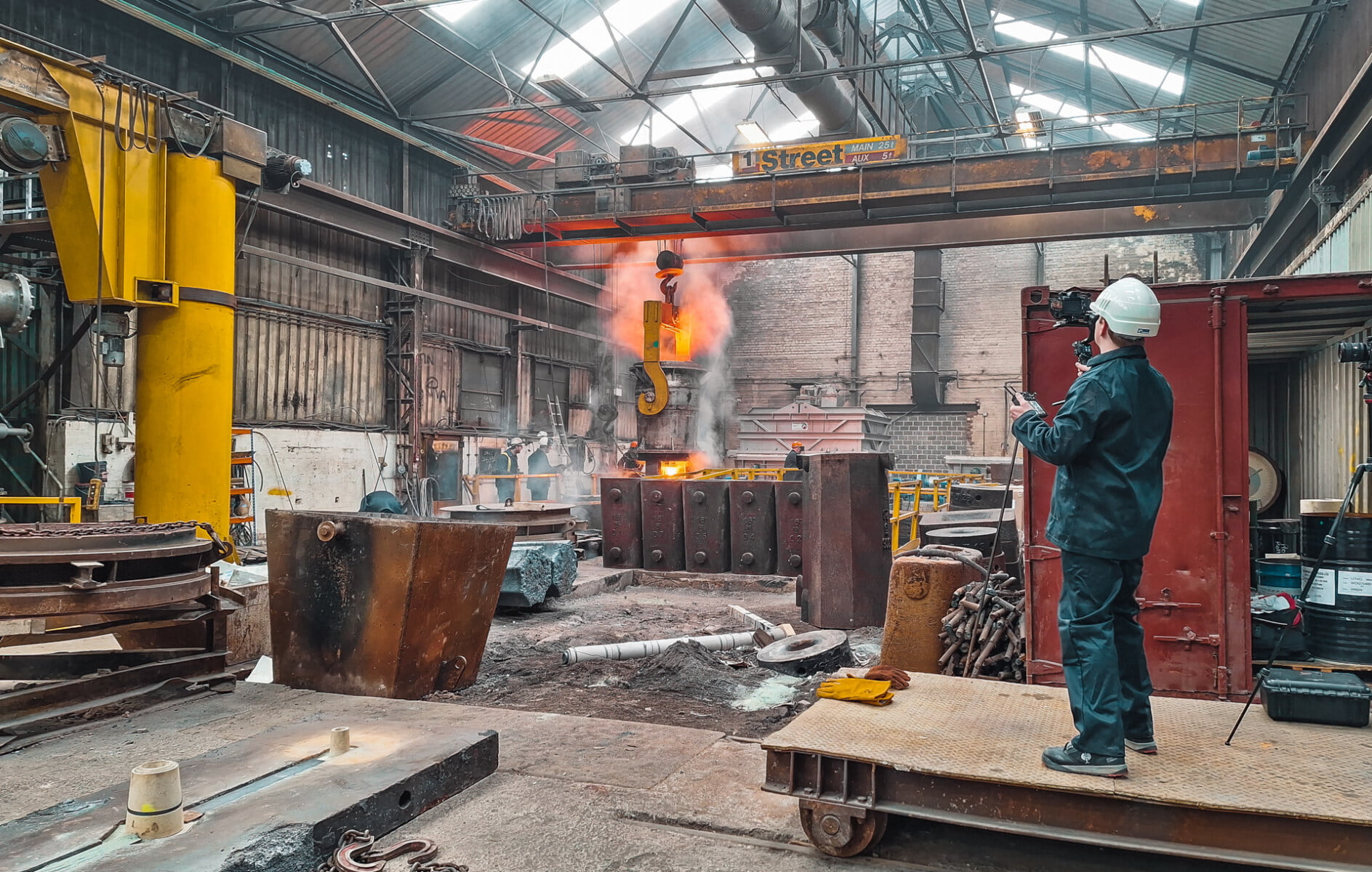
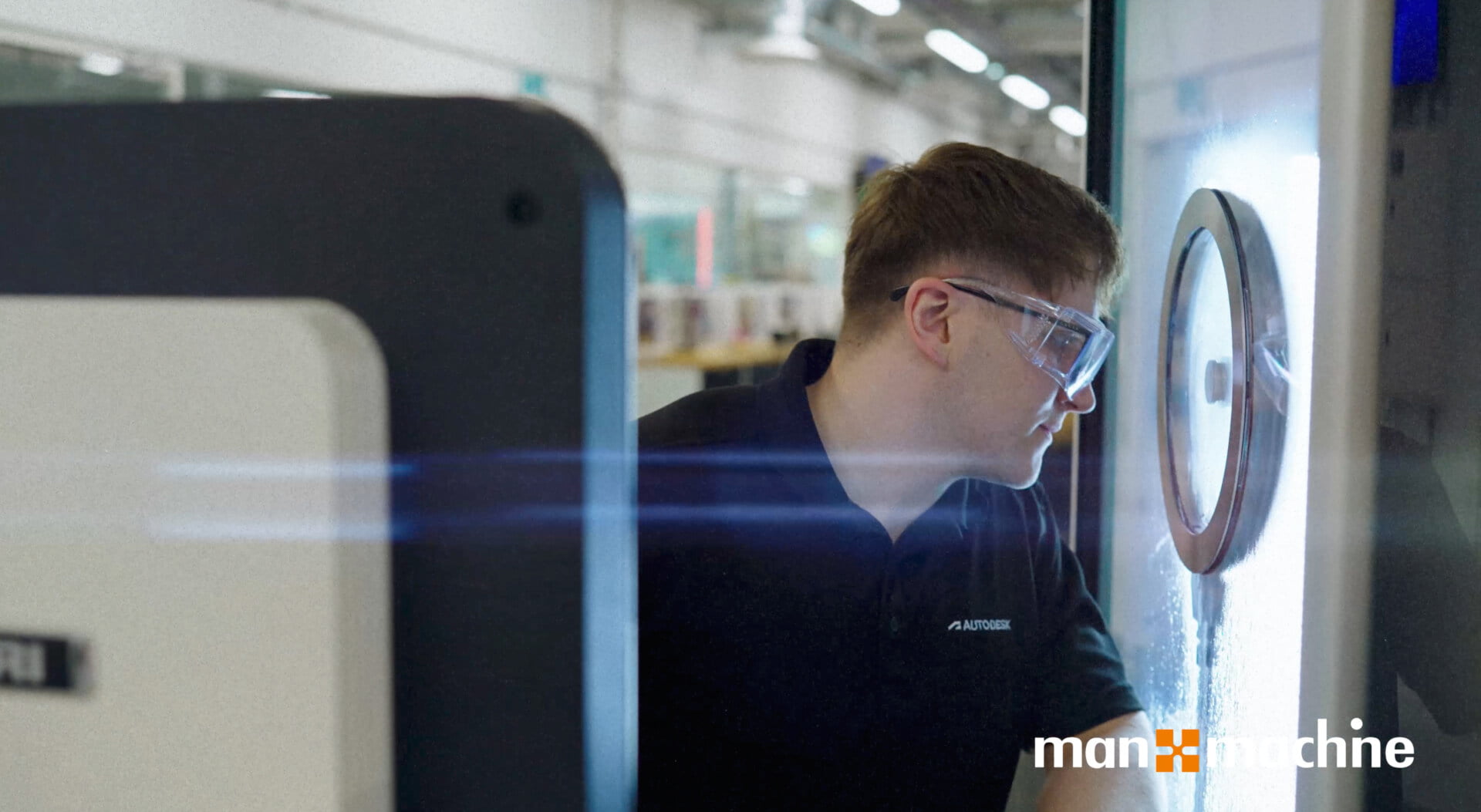
Manufacturing video gives shift leaders a practical way to make automation understandable. Instead of asking teams to interpret a technical drawing or remember a long presentation, a short, carefully planned film can show the equipment in context, explain the new sequence and capture the decisions that keep production moving. It turns a change programme into something visible, repeatable and easier to discuss on the factory floor.
Show the change in the environment where it matters
Automation is rarely an isolated machine. It changes how people interact with material flow, quality checks, maintenance access, safety zones and neighbouring processes. A useful video follows that relationship. It can begin with the previous method, show the new equipment in operation and then make clear what the shift team should expect at each hand-off.
This context is particularly valuable when several departments are affected at once. Production may be focused on cycle time, engineering on reliability and EHS on safe access, while supervisors are trying to keep the shift stable during the transition. A well-structured film gives those groups a shared reference point. It can pause on the moments where a decision is required, identify the visual cues that indicate normal operation and show who owns the next action when something falls outside the expected sequence.
That clarity supports the same kind of cross-functional understanding described in turning complex change into confident action. The video is not a substitute for a controlled procedure. It is a practical layer that helps people interpret the procedure correctly when the line is live.
Give shift leaders a repeatable coaching tool
One of the biggest advantages of video is consistency. A shift leader can use the same explanation during a toolbox talk, a one-to-one coaching conversation or a refresher session after a period away from the line. New starters can watch the sequence before they take part in supervised operation, while experienced operators can revisit the specific step that has caused confusion.
The most useful films are built around real questions rather than generic claims. What should happen before the automated cycle begins? Which indicators confirm that the process is ready? What is the first safe response to an alarm? When should an operator stop, escalate or allow the system to recover? Answering those questions on screen makes the content more useful than a polished overview that only shows the equipment working perfectly.
It also gives leaders a better way to spot misunderstandings. If an operator describes a different sequence from the one shown in the film, the gap becomes visible and can be addressed before it becomes a quality, safety or downtime issue. That creates a feedback loop between training and continuous improvement, rather than treating training as a one-off event.
Capture the reasoning behind the operating standard
Automation projects often create valuable knowledge that never makes it into the final work instruction. Engineers know why a sensor is positioned in a particular place. Operators know which sound or movement suggests an emerging problem. Maintenance teams understand which access point needs to remain clear. Filming the right people explaining those details preserves the reasoning behind the standard, not just the final sequence.
That is important when teams change, when a second shift operates differently or when the same automation platform is introduced at another site. A visual record can support the transfer of process knowledge while leaving room for local controls and approval. It also complements broader efforts to turn tacit knowledge into repeatable standards, especially when the most important information is difficult to express in a checklist.
For shift leaders, the result is a stronger conversation about performance. Instead of relying on memory, they can refer to an agreed example of the expected method, compare it with what is happening on the line and escalate a genuine deviation with useful evidence.
Plan a video library that supports adoption over time
A single launch film may create interest, but a small library creates operational value. Consider separate videos for the change overview, normal operation, start-up and shutdown, common alarms, cleaning or changeover, safe intervention and escalation routes. Each piece should have one clear job, a focused title and a sensible length so that people can find the right answer without searching through an hour-long recording.
The library should be reviewed as the process develops. Early footage may explain the intended sequence, while later updates can reflect lessons from commissioning, maintenance findings or revised controls. A simple review owner and version date help prevent old guidance from circulating after the automation has changed.
This approach also connects naturally with the wider role of manufacturing video in making operational expertise easier to trust. When teams can see the equipment, hear the rationale and revisit the instruction in the context of their own work, adoption becomes less dependent on confidence or personality. The change is supported by evidence that remains available beyond the launch meeting.
For manufacturers investing in automation, the question is not only whether the technology works. It is whether every shift can operate it safely, consistently and with enough understanding to improve it. Manufacturing video helps shift leaders bridge that gap by making the new process visible, coachable and repeatable from the first handover through to everyday performance.
It can also strengthen the wider effort to turn operational lessons into faster recovery when the next unexpected issue appears. The value is not simply in producing a film. It is in creating a reliable visual reference that helps people make better decisions when the factory is busy and the change has to work in practice.