Corrective action is one of the most important disciplines in manufacturing, yet it is often difficult to turn a well-written report into consistent behaviour on the factory floor. A quality team may identify the root cause, agree an improvement and update a procedure, but the practical detail can still be lost between the meeting room and the workstation. Manufacturing video gives that detail a visible, repeatable form. It can show what changed, why it changed and what good execution looks like in the real environment where the work happens.
This matters because quality issues rarely exist as isolated paperwork problems. They are usually connected to handovers, tool settings, material presentation, inspection points or small decisions made under production pressure. A concise, well-planned film can capture those conditions more clearly than a long written explanation. When the footage is structured around the corrective action, it becomes a practical reference for operators, supervisors, engineers and auditors rather than another document that sits unread in a shared folder.
Make the new standard visible at the point of work
The first job of a quality-focused video is to make the revised standard easy to recognise. That might mean filming the correct orientation of a component, the sequence for a set-up check, the way an inspection tool is used or the visual difference between an acceptable and unacceptable result. Showing the action in its actual production context reduces interpretation. People can see the location of the check, the pace of the task and the cues that tell them when to stop, adjust or escalate.
Strong films do not try to record every second of a process. They concentrate on the moments that control quality. A close-up can clarify a measurement or surface condition, while a wider shot can show how materials, guarding and neighbouring equipment affect the task. On-screen labels, carefully chosen voiceover and a clear sequence help viewers understand the reason behind the change without turning the video into a generic training presentation. This is especially useful when the corrective action affects several shifts or sites.
Connect root cause to everyday decisions
Corrective actions are more likely to hold when people understand the failure mode they are preventing. Video can connect the original problem to the decision that now needs to be made differently. For example, a film might show how a small variation in preparation creates a downstream defect, then demonstrate the revised preparation step and the inspection that confirms it. That sequence makes the control logical. It gives operators a reason to follow the standard, rather than presenting it as an unexplained rule.
The same approach supports repeatable process standards. Experienced employees often notice subtle signs that are difficult to describe in a procedure. A production film can capture those signs and give the quality team a way to discuss them with subject-matter experts. The final edit should still be precise and controlled, but it can preserve the practical judgement that helps prevent recurrence.
Support investigations, audits and refresher learning
A corrective-action film can support more than the initial rollout. During an investigation, it can help a cross-functional team align around what actually happens at the line instead of relying on assumptions. During an audit, it can provide a concise explanation of how a control is embedded in the operation. During a refresher session, it can bring the right detail back to mind without taking an experienced operator away from production for a long classroom session.
That flexibility is valuable when teams are busy or distributed. A short module can be shared with a new starter, a temporary worker or a colleague at another facility, then reinforced by a supervisor during a practical walk-through. It also complements structured knowledge transfer by giving the learner a consistent visual reference. The video should not replace competency checks or controlled documentation, but it can make both easier to understand and apply.
Plan the production around evidence and ownership
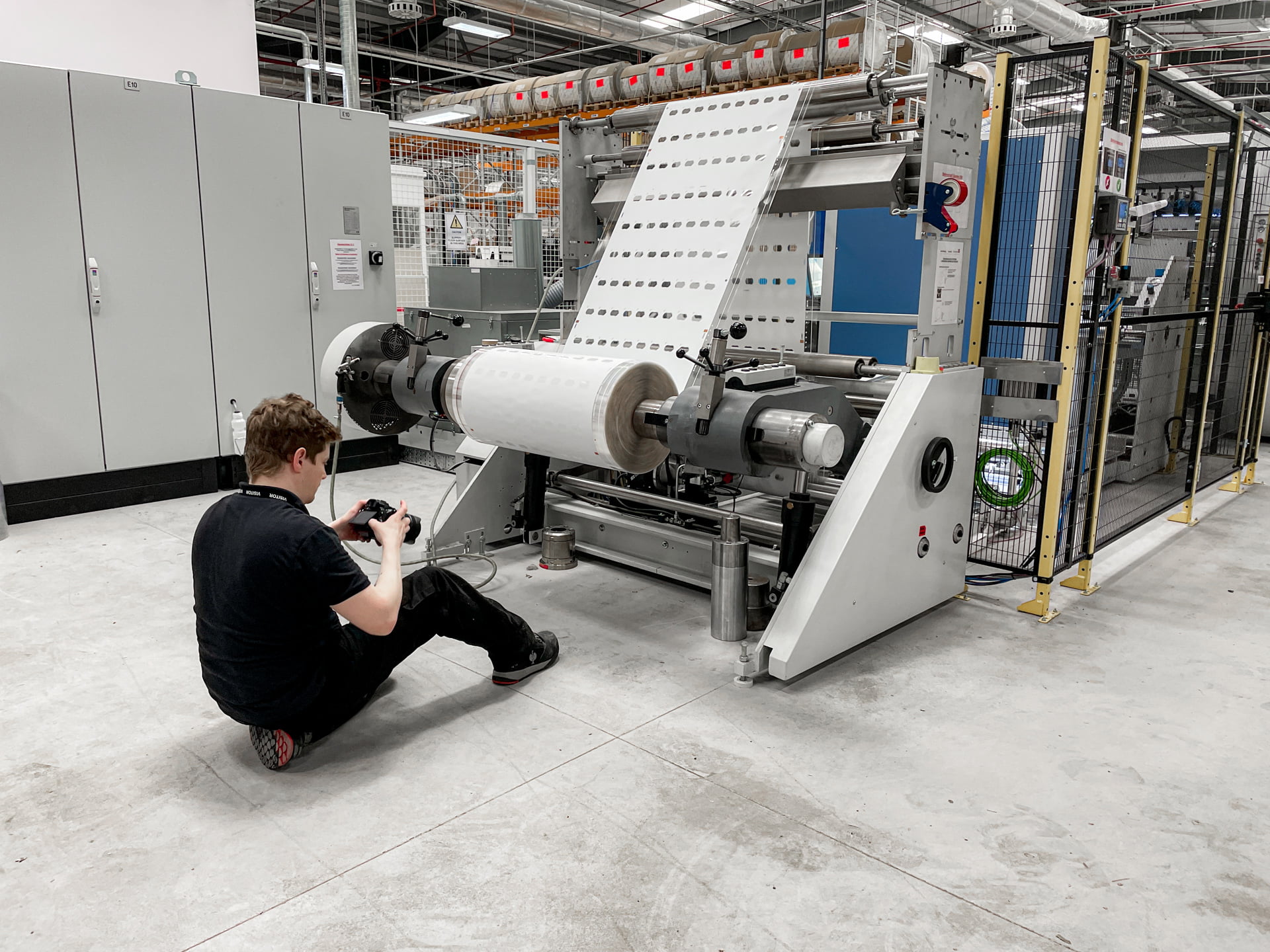
The most effective quality videos begin with a clear production brief. Define the defect or risk, the behaviour that must change, the audience, the evidence that will demonstrate compliance and the owner responsible for keeping the content current. Involve quality, operations and engineering early so the film reflects the approved method. Before filming, confirm access, safety requirements, PPE, clean-down rules and any restrictions around customers, intellectual property or sensitive production information.
Editing should favour accuracy over drama. Use the real tools, fixtures and environment where possible, and avoid angles that hide the critical step. Add version information and a review date so the film can be checked when equipment, materials or specifications change. A useful manufacturing video production workflow can also capture the surrounding context that quality teams need, from access routes to machine status, without distracting from the main control.
When the finished video is short, specific and owned by the people responsible for the process, it becomes part of the corrective-action system rather than a one-off communication. It helps teams see the standard, understand the risk and repeat the right decision under real production conditions. For manufacturers working to reduce recurring defects, strengthen audits and protect process knowledge, that combination of clarity and consistency can make the improvement last.