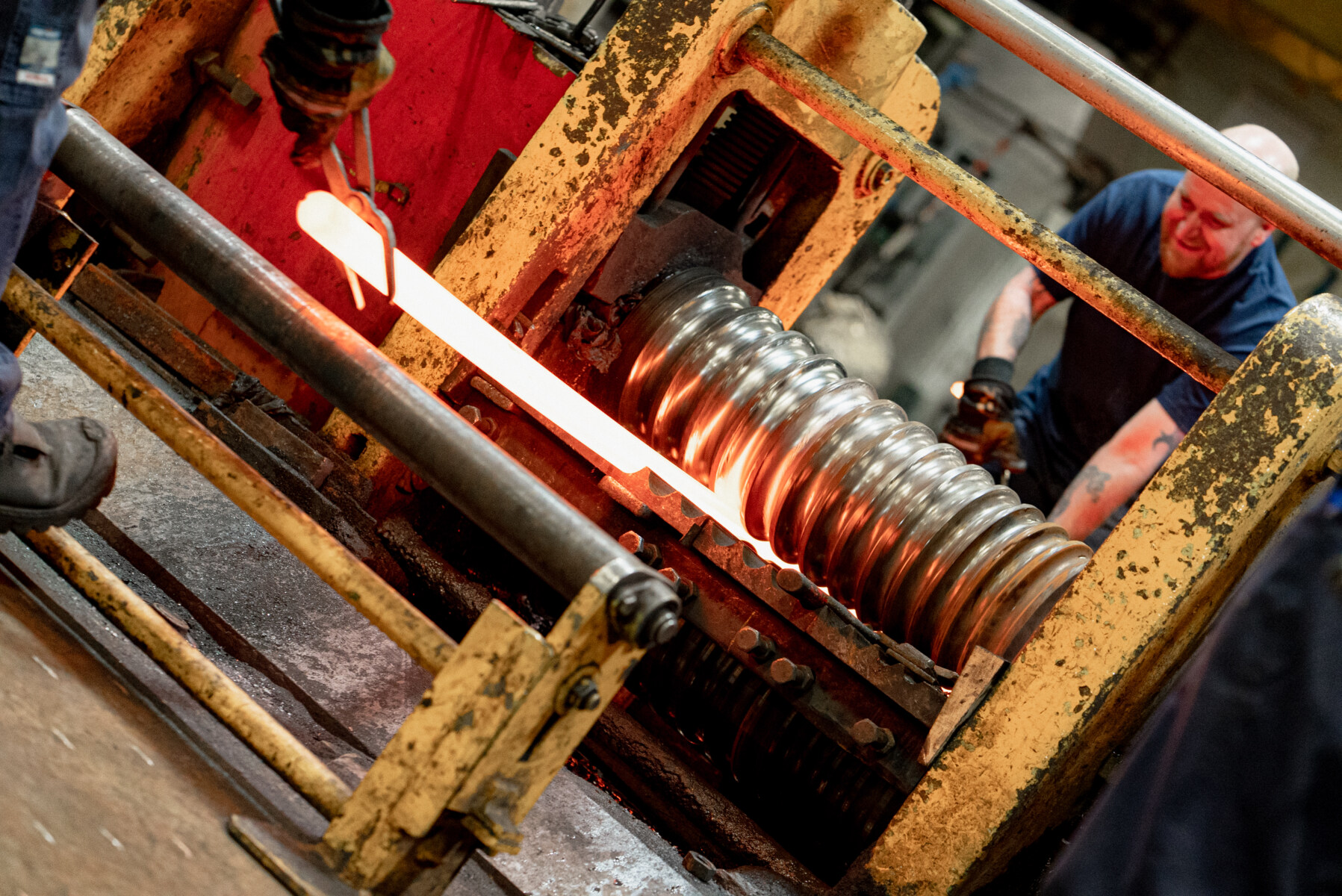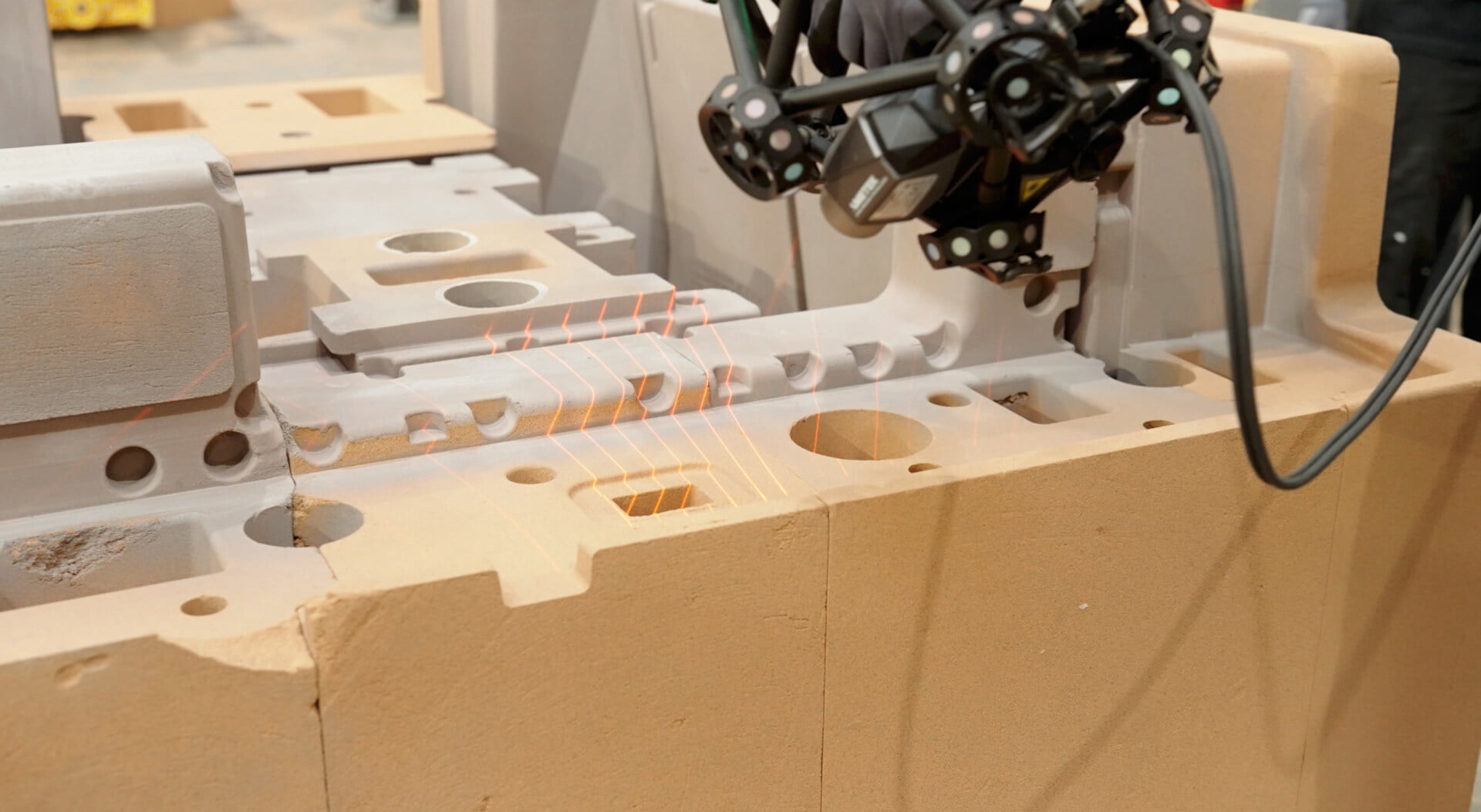
Production supervisors make dozens of small decisions before a shift has properly settled. A machine may be running below its usual rate, a new operator may need support, or a minor quality concern may be competing with an urgent dispatch deadline. In a busy factory, these decisions are often made with incomplete information and then explained again during the next handover. Manufacturing video gives supervisors a practical way to capture what is really happening on the floor, so teams can move from assumptions to shared evidence.
The value is not in filming everything. It is in recording the moments that influence output, safety, quality and repeatability. A short, well-planned sequence can show the order of a change, the location of a delay, the way an operator interacts with equipment, or the point where a standard is difficult to follow. Used carefully, that footage becomes a working reference for conversations between shifts, departments and site leaders.
Make frontline decisions easier to explain
Supervisors are frequently asked to justify why a line slowed down, why a task was reassigned or why a temporary countermeasure was introduced. Written notes can record the conclusion, but they rarely show the conditions that shaped it. Video captures the relationship between people, materials, equipment and timing. That context helps managers understand whether the issue was a one-off interruption or a repeatable weakness in the process.
This is especially useful when several teams see the same event differently. An operator may remember an awkward reach, maintenance may focus on access to a component, and quality may concentrate on the resulting variation. A concise visual record gives everyone a common starting point. The supervisor can then lead a more focused discussion about what should change, who owns the action and how the result will be checked.
That evidence-led approach complements the wider role of visual evidence in faster problem solving. The important point is to connect the footage to a decision, rather than treating video as an archive with no operational purpose.
Turn shift handovers into useful working sessions
A handover becomes stronger when the incoming team can see the condition of the process, not just read a list of unresolved items. A short clip can show a temporary setting, a recurring stoppage, a revised inspection point or a safety control that needs attention. The outgoing supervisor can add a voice explanation while the details are fresh, and the next shift can review the same information without relying on memory or hurried notes.
Good handover footage has a clear beginning and end. It identifies the area, states what changed, and shows the evidence that the next team needs to act. It should avoid unnecessary faces, personal data and unrelated production information. When a clip is stored with the date, line, product family and action owner, it becomes much easier to find during the next review or escalation.
Over time, this creates a more dependable record of how work actually flows across shifts. It supports the same discipline described in better shift handover routines, while adding enough visual detail to reduce ambiguity. Supervisors can spend less time reconstructing what happened and more time deciding what should happen next.
Support coaching without slowing production
Supervisors also carry responsibility for helping people build confidence quickly. A filmed demonstration can break a complex task into visible stages, showing hand position, sequence, checks and common recovery points. This is more useful than a generic training video when the aim is to help someone succeed on a specific line with a specific set of controls.
Short clips can be reviewed beside the workstation, used in a toolbox talk or shared with a trainer preparing a refresher session. The best examples show the reason behind a critical step, not only the movement itself. That makes it easier for operators to recognise when a condition has changed and to pause before a small deviation becomes a quality or safety problem.
For supervisors, the benefit is consistency. A clear visual explanation can be reused with several people, while still leaving room for questions and observation. It also supports the wider goal of building confident operators faster without asking experienced staff to repeat the same explanation from scratch every time.
Build a simple routine for useful footage
A practical programme starts with a short list of moments worth recording: repeated minor stops, difficult handovers, high-risk tasks, newly changed standards and improvements that need to be shared. Supervisors should agree who can film, where files are stored and how long they are retained. Every clip should have a clear purpose, a named audience and an action or learning point attached to it.
Before publishing footage internally, remove unnecessary personal information and check that the recording does not reveal commercially sensitive details. Use consistent file names and review the library regularly. If a clip no longer reflects the current method, replace it or mark it clearly as historical. That simple governance keeps the system trusted and prevents old guidance from becoming a new source of variation.
Manufacturing video works best when it sits inside an existing improvement rhythm. A supervisor can capture a real condition, use it to align the team, confirm the agreed change and record the follow-up result. In that cycle, video is not a distraction from production control. It is a practical layer of evidence that helps frontline leaders make faster, clearer and more consistent decisions under pressure.